Hydrotherapy for an Arthritic Bernese Mountain Dog
Seeing your beloved Bernese Mountain Dog struggle with pain, especially as they get older, is one of the hardest parts of having these gentle giants in our lives. That once boundless energy can give way to a slow, deliberate gait, reluctance to stand, and a visible stiffness that tugs at your heartstrings. This guide is here to walk you through hydrotherapy, a gentle yet incredibly effective treatment that can bring comfort, mobility, and a renewed spark of joy to your arthritic Berner.
The Heavy Burden of Arthritis on a Bernese Mountain Dog
Bernese Mountain Dogs, with their majestic size and deep chests, are unfortunately predisposed to a host of joint issues. It's a cruel irony that these magnificent dogs, bred for work and resilience, often face significant mobility challenges as they age. Understanding why and how arthritis affects them is the first step toward effective management and ensuring their comfort.
Why Berners are Prone to Joint Issues
The sheer size and rapid growth rate of Bernese Mountain Dogs contribute significantly to their predisposition to joint problems. They go from tiny, fluffy puppies to over 100 pounds in a relatively short period, placing immense stress on their developing bones and cartilage. Conditions like hip and elbow dysplasia are unfortunately common in the breed. These are genetic conditions where the joints don't form correctly, leading to instability and, inevitably, the painful wear-and-tear of arthritis. We often talk about Joint Disease in a Hundred Pound Bernese Mountain Dog because their weight exacerbates any underlying structural issues. It’s not just their size, though; genetics play a massive role, which is why responsible breeding practices that include thorough health clearances are so vital. Even with the best breeding, the daily impact of their weight over years can take its toll, making Arthritis in a Bernese Mountain Dog by Six a harsh reality for many families.
Recognizing the Subtle Signs of Discomfort
Berners are incredibly stoic animals. They often try to hide their pain, a trait common in many dog breeds, which means by the time we notice obvious limping or vocalizations, their discomfort might be quite advanced. It's truly heartbreaking to know Whether a Bernese Mountain Dog Hides Discomfort, but it makes us more vigilant as owners. Look for subtle changes: a slight hesitation before jumping into the car, difficulty getting up after a nap, a decreased willingness to play, or a change in how they climb stairs. Some might start "bunny hopping" with their hind legs when running, a classic sign of hip discomfort. You might also notice stiffness after resting, especially in the morning, or a reluctance to put weight on one limb, which could indicate The Front-End Lameness a Bernese Mountain Dog Develops or issues in their rear. Even minor changes in their usual playful demeanor or their desire to go for walks can be a quiet cry for help.
The Limitations of Traditional Treatments
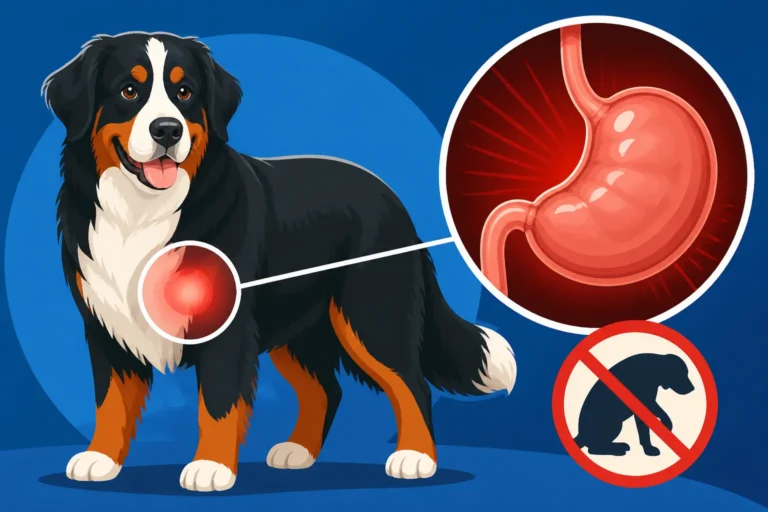
For a long time, managing canine arthritis primarily revolved around pain medication and anti-inflammatory drugs. While these are certainly essential tools in our arsenal, they come with their own set of challenges. Non-steroidal anti-inflammatory drugs (NSAIDs) can be very effective at reducing pain and inflammation, but long-term use can sometimes lead to side effects impacting the liver, kidneys, or gastrointestinal system. We’re always weighing the benefits against the risks. Other medications, like gabapentin or tramadol, target different pain pathways but can cause sedation or other undesirable effects. Physical therapy can be incredibly beneficial, but the sheer size and weight of a Bernese Mountain Dog can make land-based exercises high-impact and potentially painful if not managed carefully. Finding a balance that truly brings relief without introducing new problems is a constant puzzle for Berner parents and their vets.
Diving Deep into Hydrotherapy: How Water Works Wonders
Hydrotherapy isn't just a fancy term for swimming; it's a carefully structured therapeutic approach that leverages the unique properties of water to alleviate pain, improve mobility, and build strength in a gentle, low-impact way. For a large breed like the Bernese Mountain Dog suffering from arthritis, it can be an absolute game-changer.
The Science Behind the Splash
At its core, hydrotherapy works because water creates an environment that defies gravity, offering incredible support while also providing natural resistance. The main scientific principles at play are:
- Buoyancy: This is the big one. When your Berner is submerged in water, their body weight is dramatically reduced. Depending on the depth of the water, they might bear only a fraction of their usual weight, relieving immense pressure on their painful joints. Imagine the relief for Hips That Fail Under a Bernese Mountain Dog's Weight! This allows them to move their limbs through a greater range of motion without the pounding impact that would occur on land.
- Hydrostatic Pressure: The pressure of the water surrounding the dog’s body helps to reduce swelling and inflammation in the joints and tissues. It also helps support the circulatory system, which can improve blood flow to healing areas.
- Resistance: As your dog moves through the water, they encounter resistance. This gentle, consistent resistance helps to build and strengthen muscles surrounding the joints without the harsh impact of weight-bearing exercise. Stronger muscles mean better support for compromised joints.
- Warmth: Most hydrotherapy facilities use warm water, typically between 80-95°F (26-35°C). The warmth helps to relax muscles, increase circulation, and soothe painful joints, making movement more comfortable and less stiff. It’s like a warm bath but with therapeutic movement!
Types of Hydrotherapy: Finding the Right Fit
Hydrotherapy isn't a one-size-fits-all solution; there are different modalities, each with its own advantages. The best choice for your Bernese Mountain Dog will depend on their specific condition, temperament, and the advice of your veterinary professional and hydrotherapist.
| Type of Hydrotherapy | Description | Key Benefits |
|---|---|---|
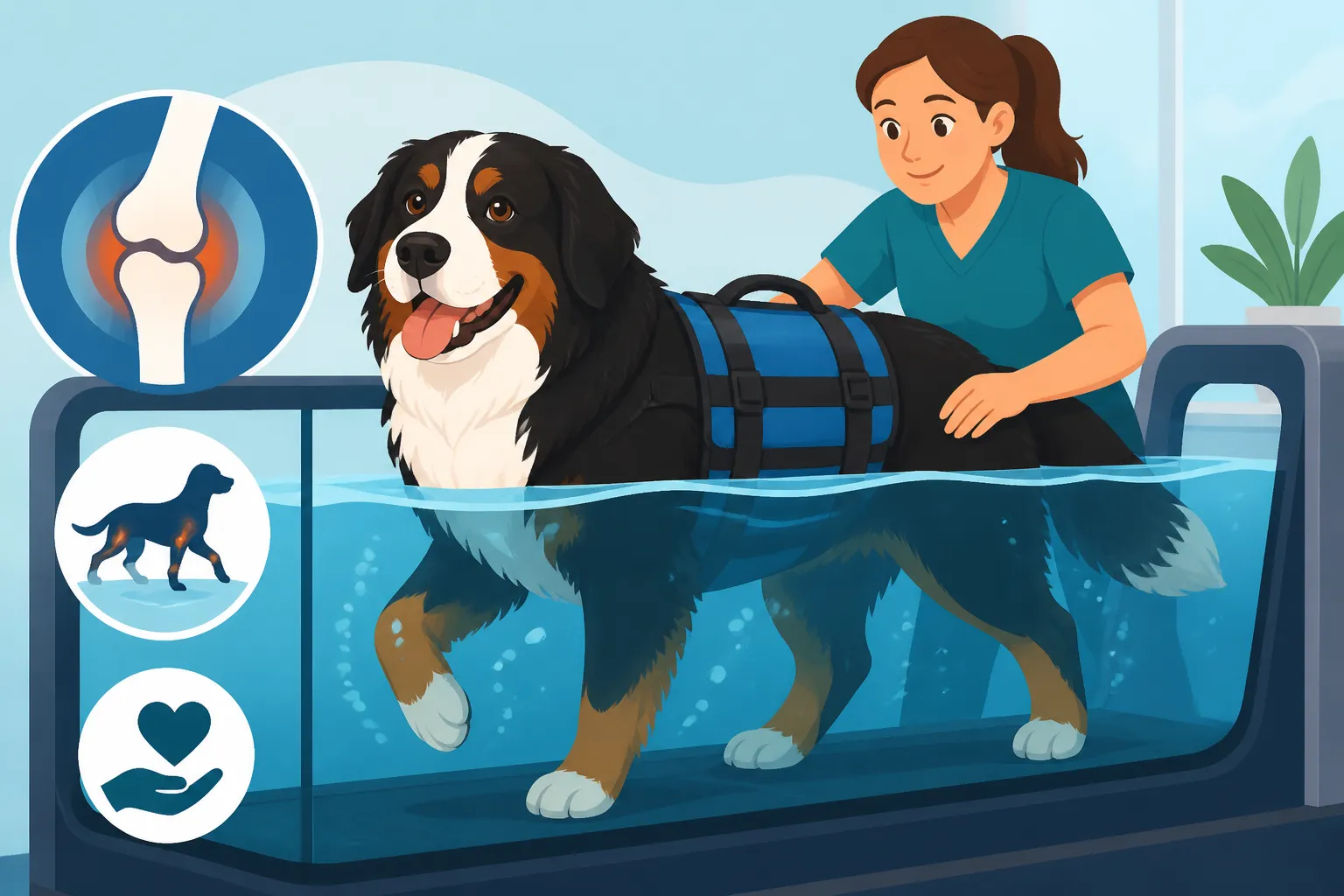
| Underwater Treadmill | The dog walks on a treadmill inside a tank filled with warm water, with the water level and treadmill speed adjustable. | Provides controlled, progressive exercise. Excellent for gait re-education, muscle building, and improving balance with minimal impact. The therapist can closely monitor and guide movement. |
| Swimming Pool | The dog swims in a heated pool, often with the assistance of a therapist and a harness. | Offers a full-body, non-weight-bearing workout. Great for improving cardiovascular fitness, range of motion, and muscle endurance. Can be very mentally stimulating and fun for dogs who love water. |
| Warm Water Massage | Specialized tubs or jets provide gentle massage to specific areas while the dog is submerged in warm water. | Focuses on relaxation, increasing circulation, and loosening tight muscles. Often used as a preparatory step for other exercises or for dogs with severe pain or muscle spasms. |
For many Berners with arthritis, the underwater treadmill is often the go-to due to its controlled environment and ability to precisely manage weight-bearing and movement. However, a Berner who truly loves to swim might thrive in a pool setting, enjoying the freedom and full-body workout.
The Goals of Hydrotherapy
The primary aims of hydrotherapy for an arthritic Bernese Mountain Dog extend beyond just pain relief, though that's certainly a huge part of it. The comprehensive goals include:
- Pain Reduction: The warmth and buoyancy significantly decrease discomfort during movement.
- Increased Range of Motion: Gentle, supported movement in water helps improve flexibility in stiff joints.
- Muscle Strengthening: Resistance from the water builds muscle mass around compromised joints, providing better support and stability.
- Improved Circulation: Warm water and movement enhance blood flow, promoting healing and reducing inflammation.
- Reduced Swelling: Hydrostatic pressure helps to decrease edema in affected limbs.
- Enhanced Proprioception and Balance: Walking in water requires more conscious effort and helps retrain the brain's awareness of limb position, which can be invaluable for dogs like The Bernese Mountain Dog Whose Back Legs Give Out due to conditions like Degenerative Myelopathy.
- Psychological Well-being: For a dog whose world has shrunk due to pain, the ability to move freely in water can be a massive morale booster, reducing stress and improving overall quality of life.
What a Hydrotherapy Session Looks Like for Your Berner
Embarking on hydrotherapy can feel a bit daunting, especially if your Berner isn’t a natural water dog, but professional facilities are set up to make it a positive experience for everyone involved. Knowing what to expect can help ease both your and your dog’s anxieties.
Initial Assessment and Tailored Plans
Before your Bernese Mountain Dog even dips a paw in the water, a thorough initial assessment is crucial. This usually involves a consultation with a certified canine hydrotherapist, often in conjunction with your veterinarian. They’ll review your Berner’s medical history, including any X-rays or diagnoses, and conduct a physical examination to evaluate their gait, range of motion, muscle mass, and pain points. If your vet has specifically diagnosed something like The Bernese Mountain Dog Whose Back Legs Give Out, the hydrotherapist will take this into account when designing a program.
Based on this assessment, a personalized hydrotherapy plan will be created. This plan outlines the specific type of hydrotherapy, duration, frequency of sessions, and the goals for treatment. It’s not just about getting wet; it's about a targeted approach to their unique needs. This initial step is vital to ensure safety and maximize therapeutic benefits for your large, often delicate, Berner.
The Gentle Approach: Making Water Fun
Introducing a large dog to water, especially if they're cautious or in pain, requires patience and a gentle touch. Professional hydrotherapy centers are staffed by experts who understand canine behavior and how to make the experience positive. They typically start by gradually introducing your Berner to the water, using positive reinforcement, treats, and praise.
For an underwater treadmill, the dog walks into a chamber that slowly fills with warm water. This gradual immersion prevents startling them and allows them to adjust to the sensation. For pool sessions, they might start with a ramp or be gently guided in with a supportive harness. Safety is paramount; your Berner will wear a buoyancy vest or harness at all times, ensuring they are safe and supported. The therapist will be right there with them, guiding their movements and offering encouragement. Over time, most Berners, even the initially hesitant ones, come to enjoy their sessions, often associating the water with relief and positive attention.
Typical Session Structure and Progression
A standard hydrotherapy session usually lasts between 20 to 45 minutes, depending on your dog's fitness level and condition. It’s important not to overdo it, especially in the beginning.
A typical session might include:
- Warm-up: Gentle movement in the water or a short, slow walk on the underwater treadmill to get muscles ready.
- Therapeutic Exercise: This is the core of the session, involving controlled walking, swimming, or specific exercises designed to address their arthritis. The therapist will monitor your Berner's comfort and fatigue levels closely.
- Cool-down: A gradual decrease in activity to allow muscles to relax, sometimes followed by a warm shower and towel dry.
Sessions are usually scheduled once or twice a week, though this can vary. As your Bernese Mountain Dog progresses, the therapist might gradually increase the duration, intensity (e.g., faster treadmill speed, deeper water for more resistance), or complexity of the exercises. They'll also provide feedback on your Berner's progress and any changes you should watch for at home. Consistent attendance is key to seeing lasting improvements in mobility and comfort.
Benefits Far Beyond Pain Relief
While alleviating pain is undoubtedly a primary goal, hydrotherapy offers a cascade of benefits for arthritic Bernese Mountain Dogs that extend well beyond simple comfort, touching on their physical and mental well-being in profound ways.
Building Strength Without Strain
One of the most significant advantages of hydrotherapy for a large breed like the Berner is the ability to build crucial muscle strength without putting undue stress on already compromised joints. On land, every step a 100-pound Bernese Mountain Dog takes sends impact through their hips, elbows, and knees, which can be agonizing for an arthritic dog. In water, the buoyancy reduces this impact dramatically. The natural resistance of the water, however, forces muscles to work harder with each movement. This means your Berner can effectively strengthen the muscles supporting their joints – think powerful hindquarters for dogs struggling with Hips That Fail Under a Bernese Mountain Dog's Weight – without the painful jarring.
This muscle development provides better stability for the joints, reducing inflammation and further wear-and-tear. It’s particularly beneficial for conditions like degenerative myelopathy, where strengthening the remaining muscle groups can help in Slowing Degenerative Myelopathy in a Bernese Mountain Dog and maintaining mobility for longer. The controlled environment of an underwater treadmill is superb for rebuilding muscle memory and improving gait without the risk of falls or overexertion.
Mental Well-being and Quality of Life
Beyond the physical, hydrotherapy provides an incredible boost to a Bernese Mountain Dog’s mental and emotional state. When a dog is constantly in pain, their world shrinks. They might become less engaged, more irritable, or simply lose the joy they once had in movement. Being able to move freely and without pain in the water can be incredibly liberating. It provides mental stimulation and a sense of accomplishment that they might not experience with their limited land-based activity.
Many owners report that their Berners are visibly happier and more engaged after a hydrotherapy session, even if they were reluctant to start. It's a break from the constant discomfort, allowing them to feel like a dog again. This improved mood and reduced stress contribute significantly to their overall quality of life, which is paramount, especially as we consider Caring for a Bernese Mountain Dog After Six. It’s not just about adding years to their life, but adding life to their years.
A Proactive Approach to Longevity
Hydrotherapy isn't just a reactive treatment; it can also be a proactive strategy for maintaining your Berner's health and potentially extending their comfortable lifespan. By consistently building muscle and improving joint health, you can slow the progression of arthritis and other degenerative conditions. It helps maintain a healthy weight, which is critical as every extra pound adds strain to their joints.
Regular sessions can also improve cardiovascular health and overall fitness, making your Berner more resilient. When integrated with other preventative care, like a balanced diet, appropriate supplements (often discussed in Starting a Bernese Mountain Dog on Joint Medication Young), and routine vet checkups that include What a Bernese Mountain Dog Checkup Includes After Five, hydrotherapy becomes a powerful component of a holistic approach to your Berner’s longevity and well-being. It can even be a valuable part of rehabilitation if your Bernese Mountain Dog undergoes surgery for a condition like The Case for Replacing a Bernese Mountain Dog's Hip.
Choosing a Hydrotherapy Provider and Funding the Journey
Deciding to pursue hydrotherapy for your arthritic Bernese Mountain Dog is a wonderful step, but knowing how to find the right facility and manage the costs can feel overwhelming. It's an investment in their quality of life, and with careful planning, it's an achievable one.
What to Look For in a Facility
When choosing a hydrotherapy provider, especially for a large and sometimes sensitive breed like the Bernese Mountain Dog, it's essential to do your homework. Not all facilities are created equal, and the quality of care can vary widely. Here’s what to prioritize:
- Certified Therapists: This is non-negotiable. Look for therapists who are certified in canine hydrotherapy or rehabilitation. They should have a deep understanding of canine anatomy, physiology, and various medical conditions. Their expertise ensures your Berner receives safe, effective, and targeted therapy.
- Veterinary Affiliation/Referral: A reputable hydrotherapy center will almost always require a referral from your veterinarian. This ensures that hydrotherapy is appropriate for your dog's specific condition and that the therapist and your vet can communicate and collaborate on your Berner's treatment plan.
- Specialized Equipment for Large Breeds: Ensure the facility has equipment that can safely accommodate a large dog. This means appropriately sized underwater treadmills, sturdy harnesses, and accessible ramps for pools. You want to avoid any situation where your Berner might be stressed or uncomfortable due to ill-fitting equipment.
- Cleanliness and Safety Protocols: Visit the facility if possible. Is it clean? Is the water regularly tested and filtered? Are there clear safety protocols in place, like non-slip surfaces and emergency procedures?
- Positive, Calm Environment: Your Berner's emotional comfort is key. Observe how the therapists interact with the dogs. A calm, patient, and positive approach will make a huge difference, especially if your dog is initially wary of water or new environments.
The Investment and How to Manage It
The cost of hydrotherapy can vary based on your location, the facility, and the length/type of session. Generally, you can expect individual sessions to range from $50 to $100 or more. Many facilities offer package deals that can reduce the per-session cost. While this might seem like a significant investment, compare it to the ongoing costs of Pain Medication Costs for an Arthritic Bernese Mountain Dog or more invasive treatments.
This is where pet insurance can be a real lifesaver. Many comprehensive pet insurance plans, like those offered by Healthy Paws, cover prescribed hydrotherapy as part of rehabilitation services for conditions like arthritis or post-surgical recovery. It's always wise to check your specific policy details or contact your provider, such as Healthy Paws, to understand what's covered before starting treatment. Having pet insurance can significantly ease the financial burden, allowing you to prioritize your Bernese Mountain Dog's health without constantly worrying about the bill. Healthy Paws is known for its extensive coverage options that can really make a difference for long-term conditions.
Integrating with Other Care
Hydrotherapy is most effective when it's part of a holistic, multi-modal approach to managing your Bernese Mountain Dog's arthritis. It should complement, not replace, other veterinary care. This might include:
- Medication: Continuing anti-inflammatory drugs or pain relievers as prescribed by your vet, especially during flare-ups.
- Supplements: Joint supplements like glucosamine, chondroitin, and omega-3 fatty acids can support joint health.
- Weight Management: Keeping your Berner at a healthy weight is paramount to reducing joint stress.
- At-Home Care: Implementing changes around the house, such as providing orthopedic beds (Bedding for an Arthritic Bernese Mountain Dog), using ramps for cars, and ensuring non-slip flooring to prevent further injury.
- Regular Veterinary Check-ups: Ongoing monitoring with your vet is crucial to adjust treatment plans as needed and address any new concerns.
By combining hydrotherapy with these other care strategies, you create a comprehensive support system that gives your Bernese Mountain Dog the best possible chance at a comfortable, active, and happy life, even with arthritis.
Disclaimer
This article is for general informational purposes only and does not constitute professional advice. Laws, prices and regulations vary by location and change over time. Consult a qualified professional for guidance on your specific situation.