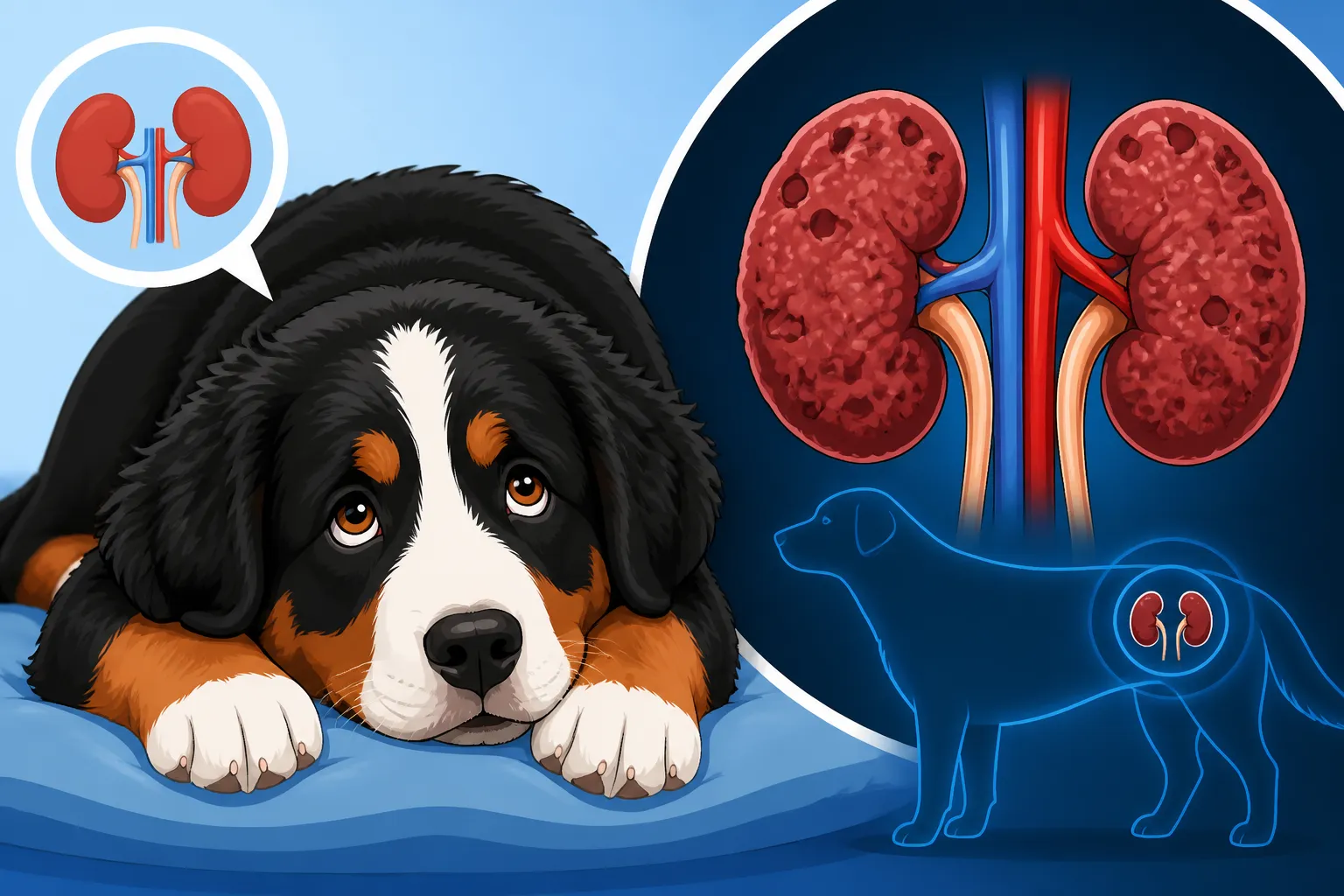
Kidney Failure in a Young Bernese Mountain Dog
The heartbreak of discovering a serious health issue in your beloved Bernese Mountain Dog is truly devastating, but it’s an especially cruel twist when that diagnosis comes far too early in their life. When you bring home a fluffy Berner puppy, you dream of years of joyful companionship, not grappling with a condition like kidney failure before they’ve even had a chance to truly grow up. This guide aims to shed light on what kidney failure in a young Bernese Mountain Dog entails, from understanding the subtle signs to exploring potential causes and the difficult journey of management.
The Unexpected Reality of Kidney Disease in Young Berners
It's a conversation no Berner parent ever wants to have: your young, seemingly vibrant dog is showing signs of kidney disease. For most of us, kidney issues are something we associate with our beloved seniors, a part of the natural aging process. So, when the vet starts using terms like "renal insufficiency" or "kidney failure" for a dog still in its prime, or even a puppy, it feels like a punch to the gut. The confusion, the fear, the sheer unfairness of it all can be overwhelming.
Why "Young" Changes Everything for Kidney Disease
When we talk about kidney disease in an older dog, we often think of it as a gradual decline, a wear and tear on organs that have worked tirelessly for years. There's an acceptance, albeit a painful one, that time eventually catches up. But with a young Bernese Mountain Dog, that entire framework is shattered. A young dog experiencing kidney failure suggests something fundamentally different, something often more aggressive or congenital. This isn't just an organ wearing out; it's an organ that may not have developed correctly, or has been compromised by an acute, severe event. The emotional toll on families is immense, as the dreams of a long life with their gentle giant are suddenly called into question. You spend so much time ensuring they have the right nutrition, exercise, and love, only to be confronted with a problem that feels entirely out of your control.
Congenital and Juvenile Nephropathy
The term "juvenile nephropathy" refers to kidney disease that manifests in young animals, often before they are two years old. "Congenital nephropathy" implies that the dog was born with the condition, meaning the kidney abnormalities were present from birth, even if symptoms didn't appear immediately. In these cases, the kidneys may be underdeveloped, malformed, or contain structural defects that prevent them from functioning properly. While some breeds are more commonly associated with specific genetic kidney diseases, it’s important to remember that any dog can be affected, and some conditions might not be widely recognized or tested for in specific lines without a history of affected dogs. These are often not the typical chronic kidney disease that develops over years but rather a more fundamental issue with the organ itself. It underscores the importance of a thorough health history, especially if considering a puppy, though even the most diligent breeders might not know about obscure or rare genetic mutations that pop up in their lines.
Recognizing the Subtle Signs and Early Diagnosis
One of the most frustrating aspects of kidney disease, especially in its early stages in a young, otherwise energetic Bernese Mountain Dog, is how subtle and non-specific the symptoms can be. Berners are known for their stoic nature and their tendency to hide discomfort, which means by the time you notice something is truly amiss, the disease might have progressed further than you initially thought. This ability to mask pain and illness makes early detection incredibly challenging for even the most observant owner.
Behavioral Changes and Initial Symptoms
In a young Berner, the initial signs of kidney failure can easily be mistaken for other, less severe issues, or even just attributed to a "lazy day." You might notice your dog drinking more water than usual, which is called polydipsia. This increased thirst is often followed by increased urination, or polyuria. At first, you might just think they’re hot, or that you’ve given them a particularly salty treat. But if it persists, it’s a red flag. Beyond thirst and urination, you might observe a general lethargy or reduced energy levels. Your typically playful Berner might not be as enthusiastic about walks or fetch, preferring to nap more. Their appetite might decrease, leading to gradual weight loss, which can be hard to spot under that thick coat. Some dogs might experience intermittent vomiting or diarrhea, or develop a dull, poor-quality coat. These are all things that, in isolation, could point to a myriad of issues, but together, they paint a concerning picture. Many owners lament that their dog "just wasn't himself," but it's hard to pinpoint exactly what was wrong until a diagnosis is made.
Diagnostic Tools and Early Detection Challenges
Because the symptoms are so vague, veterinarians rely on a combination of diagnostic tests to pinpoint kidney issues. The most common blood tests check levels of Blood Urea Nitrogen (BUN) and creatinine, which are waste products that healthy kidneys filter out. Elevated levels indicate the kidneys aren't doing their job effectively. Another crucial blood marker, Symmetric Dimethylarginine (SDMA), can often detect kidney disease earlier than BUN or creatinine, sometimes even before a dog shows obvious symptoms. However, these are often checked as part of routine bloodwork, and early changes might be missed if specific concerns aren't raised.
Beyond blood tests, a urinalysis is absolutely vital. This involves checking the urine's specific gravity, which measures its concentration. Healthy kidneys should produce concentrated urine; dilute urine can signal a problem. Protein in the urine (proteinuria) is another red flag, indicating damage to the kidney's filtering units. If these initial tests raise suspicion, your vet might recommend further imaging, like an abdominal ultrasound, to visualize the kidneys for any structural abnormalities, or even a kidney biopsy for a definitive diagnosis and prognosis. The challenge lies in the fact that by the time BUN and creatinine levels are significantly elevated, a good portion of kidney function (often around 75%) has already been lost. This makes regular wellness checks, including baseline bloodwork, incredibly important, even for seemingly healthy young Berners. Consider discussing with your vet what should be included in their Bloodwork a Bernese Mountain Dog Should Have Yearly from a young age.
Understanding the Causes of Early-Onset Kidney Failure
Unraveling the reason behind kidney failure in a young Bernese Mountain Dog can be a complex and often frustrating process. Unlike older dogs where age-related wear and tear is often the primary culprit, early-onset disease points to a different set of underlying issues. Knowing these potential causes, even if some are rare, can help you advocate for your dog and understand the diagnostic journey.
Genetic Predispositions and Inherited Conditions
While Bernese Mountain Dogs are not as widely known for specific inherited kidney diseases as some other breeds (like the Samoyed with hereditary nephropathy or the English Cocker Spaniel with familial nephropathy), genetic factors can absolutely play a role in individual cases. Sometimes, these conditions are the result of recessive genes, meaning both parents might be carriers and show no signs of the disease themselves, making them harder to screen for. These genetic conditions might lead to kidneys that don't develop properly in utero, or they may predispose the kidneys to early degeneration. This is why a reputable breeder will be transparent about the health history of their breeding stock and their lines, including any known instances of early-onset disease, even if it's not a common Berner ailment. Even if specific genetic markers for juvenile kidney disease aren't routinely tested, breeders should be doing comprehensive health panels on their dogs. Understanding What Health Testing a Bernese Mountain Dog Breeder Pays For and submitting information to resources like What the Berner-Garde Database Records helps advance the collective knowledge and allows owners and breeders to make more informed decisions about future generations. Unfortunately, even with the best intentions and thorough health screening, rare genetic surprises can still occur.
Acquired Causes in Young Dogs
Beyond genetics, young Bernese Mountain Dogs can also suffer from acquired kidney failure, often manifesting as acute kidney injury (AKI). This means the kidneys suddenly stop functioning properly due to a specific event or exposure. These cases can sometimes be reversible, depending on the severity and promptness of treatment.
Common culprits for acute kidney injury in young dogs include:
- Toxins: This is a major concern. Ingesting antifreeze (ethylene glycol) is notoriously lethal, even in tiny amounts. Certain medications, heavy metals, or even seemingly innocuous household items can be highly toxic to kidneys. Grapes and raisins are a known cause of acute kidney failure in dogs, and lilies are extremely toxic to cats, but some plants can harm dogs too.
- Infections: Bacterial infections, such as leptospirosis, can directly attack and damage the kidneys. Pyelonephritis, an infection of the kidney itself, can also lead to acute damage.
- Severe Dehydration: Prolonged, severe dehydration, perhaps from a severe bout of vomiting or diarrhea, can strain the kidneys to the point of failure.
- Trauma or Heatstroke: Severe physical trauma or conditions like Heat Stroke in a Bernese Mountain Dog can cause widespread organ damage, including to the kidneys, due to reduced blood flow and cellular damage.
The key difference here is that acquired kidney failure is often sudden and dramatic in its onset, whereas congenital or juvenile conditions may have a slower, more insidious progression. Prompt veterinary attention for any acute illness or suspected toxin exposure is critical, as quickly identifying and treating the underlying cause offers the best chance for recovery or stabilization.
Managing Kidney Disease in a Young Bernese Mountain Dog
Receiving a diagnosis of kidney failure in a young Berner is undoubtedly devastating. It shifts your focus from normal puppy concerns to a long-term management plan that requires dedication, vigilance, and often, significant financial resources. The goal isn't usually a cure, but rather to slow the progression of the disease, manage symptoms, and maintain the best possible quality of life for as long as possible.
Dietary Management and Nutritional Support
One of the cornerstones of managing kidney disease is specialized dietary management. The kidneys are responsible for filtering waste products from the blood, and certain components of a regular diet, particularly protein and phosphorus, can exacerbate kidney workload and accelerate damage when the kidneys are compromised.
Veterinarians will almost always recommend a prescription kidney diet. Brands like Royal Canin, Hill's K/D, and Purina Pro Plan Veterinary Diets offer formulas specifically designed for renal support. These diets are typically:
- Restricted in protein: But not deficient! They provide high-quality protein in controlled amounts to minimize the production of nitrogenous waste products.
- Low in phosphorus: Phosphorus accumulates in the blood when kidneys fail, causing further damage and health problems. Lowering dietary phosphorus helps manage this.
- Supplemented with Omega-3 fatty acids: These can help reduce inflammation in the kidneys.
- Alkaline-forming: To help manage metabolic acidosis, a common complication of kidney disease.
Ensuring your Berner actually eats these diets can sometimes be a challenge, as they might be less palatable than their old food, especially if your dog already has a decreased appetite due to nausea. Keeping them well-hydrated is also crucial, so always ensure fresh water is available and consider adding water to their food. Your vet might also suggest specific supplements, such as phosphorus binders, which are given with meals to prevent the absorption of dietary phosphorus.
Medical Interventions and Palliative Care
Beyond diet, a variety of medical interventions are used to support failing kidneys and manage secondary complications.
- Fluid Therapy: This is incredibly important. Many dogs with kidney disease become dehydrated because their kidneys can't conserve water effectively. Subcutaneous (under the skin) or intravenous (IV) fluid therapy can help flush toxins from the body and maintain hydration. For many owners, administering fluids at home becomes a regular part of their routine.
- Medications:
- Blood Pressure Medications: High blood pressure (hypertension) is a common complication and can further damage the kidneys. ACE inhibitors like enalapril or benazepril are often prescribed.
- Anti-Nausea Medications: Dogs with kidney disease often suffer from nausea and vomiting. Medications like maropitant (Cerenia) can help stimulate appetite and improve comfort.
- Erythropoiesis-Stimulating Agents: The kidneys produce a hormone called erythropoietin, which stimulates red blood cell production. When kidneys fail, anemia can develop, leading to weakness and lethargy. Injections of synthetic erythropoietin can help manage this.
- Phosphorus Binders: If dietary restriction isn't enough, oral phosphorus binders are given with meals to reduce phosphorus absorption.
Managing a young Bernese Mountain Dog with chronic kidney disease is a marathon, not a sprint. It involves frequent vet visits for monitoring, adjusting medications, and managing symptoms as they arise. The emotional toll can be immense, watching your young dog battle an illness that should be years away. The financial commitment is also substantial; ongoing medication, prescription foods, and regular diagnostic tests can quickly add up. This is where having pet insurance, perhaps from a provider like Healthy Paws, can make a profound difference. Policies can help offset the significant costs associated with chronic disease management, allowing you to focus on your dog's care rather than being overwhelmed by the bills. Just as high as What Oncology Bills Reach for a Bernese Mountain Dog, managing a chronic condition over years can represent a considerable financial strain, and pet insurance can offer a crucial safety net. Understanding the full scope of Eight Years of Bernese Mountain Dog Bills highlights the importance of financial preparedness for a Berner's health needs.
Quality of Life and End-of-Life Decisions
Even with the most diligent care, kidney disease in a young Bernese Mountain Dog often has a progressive course. There comes a point where treatments may no longer be as effective, or the dog's quality of life significantly diminishes. This is perhaps the hardest aspect of any chronic illness: recognizing when the battle is becoming too much for your beloved companion.
It's vital to have open and honest conversations with your veterinarian about your dog's comfort levels, pain management, and overall happiness. Are they still enjoying their favorite activities, even if modified? Are they eating, interacting, and showing glimpses of their old self? Or are the bad days outnumbering the good? These are incredibly personal and difficult questions, but focusing on quality of life, rather than just prolonging existence, is a testament to the love you have for your dog. When the time comes, making the compassionate decision to provide a peaceful passing, whether at home or in a clinic setting, is the final, most loving act of kindness an owner can offer. It’s never an easy decision, but understanding topics like Deciding When to Stop Treating a Bernese Mountain Dog and ultimately, Saying Goodbye to a Bernese Mountain Dog at Seven can help you navigate this painful process with grace and strength, ensuring your cherished companion finds peace.
Early Signs vs. Advanced Kidney Disease in Young Berners
To help clarify, here’s a quick overview of the differences between early and advanced signs of kidney disease, alongside the key diagnostic tools.
| Feature / Sign | Early Signs (Subtle, often missed) | Advanced Signs (More obvious, severe) | Diagnostic Tools |
|---|---|---|---|
| Thirst/Urination | Mild increase in water intake and urination, sometimes dismissed. | Significant increase in thirst, frequent urination, accidents indoors. | Urinalysis (specific gravity), Bloodwork (SDMA, BUN, Creatinine). |
| Energy/Behavior | Mild lethargy, slightly less enthusiastic play, more napping. | Severe lethargy, weakness, disinterest in activities, stumbling. | Owner observation, vet physical exam. |
| Appetite/Weight | Slight decrease in appetite, gradual, unnoticed weight loss. | Marked decrease or refusal to eat, significant weight loss, muscle wasting. | Owner observation, body condition scoring, bloodwork. |
| Gastrointestinal | Intermittent, mild vomiting or soft stools. | Frequent, severe vomiting; diarrhea; oral ulcers (uremic breath). | Bloodwork (BUN), physical exam. |
| Coat/Skin | Dull coat, dry skin. | Very poor coat quality, flaky skin. | Physical exam. |
| Other | None specific. | Anemia (pale gums), hypothermia, seizures, fluid retention (edema). | Complete Blood Count (CBC), bloodwork (electrolytes, phosphorus). |
Disclaimer
The information provided in this guide is for informational purposes only and does not constitute veterinary medical advice. Always consult with a qualified veterinarian for any health concerns or before making any decisions related to your pet's health and treatment. This content is not a substitute for professional veterinary care.