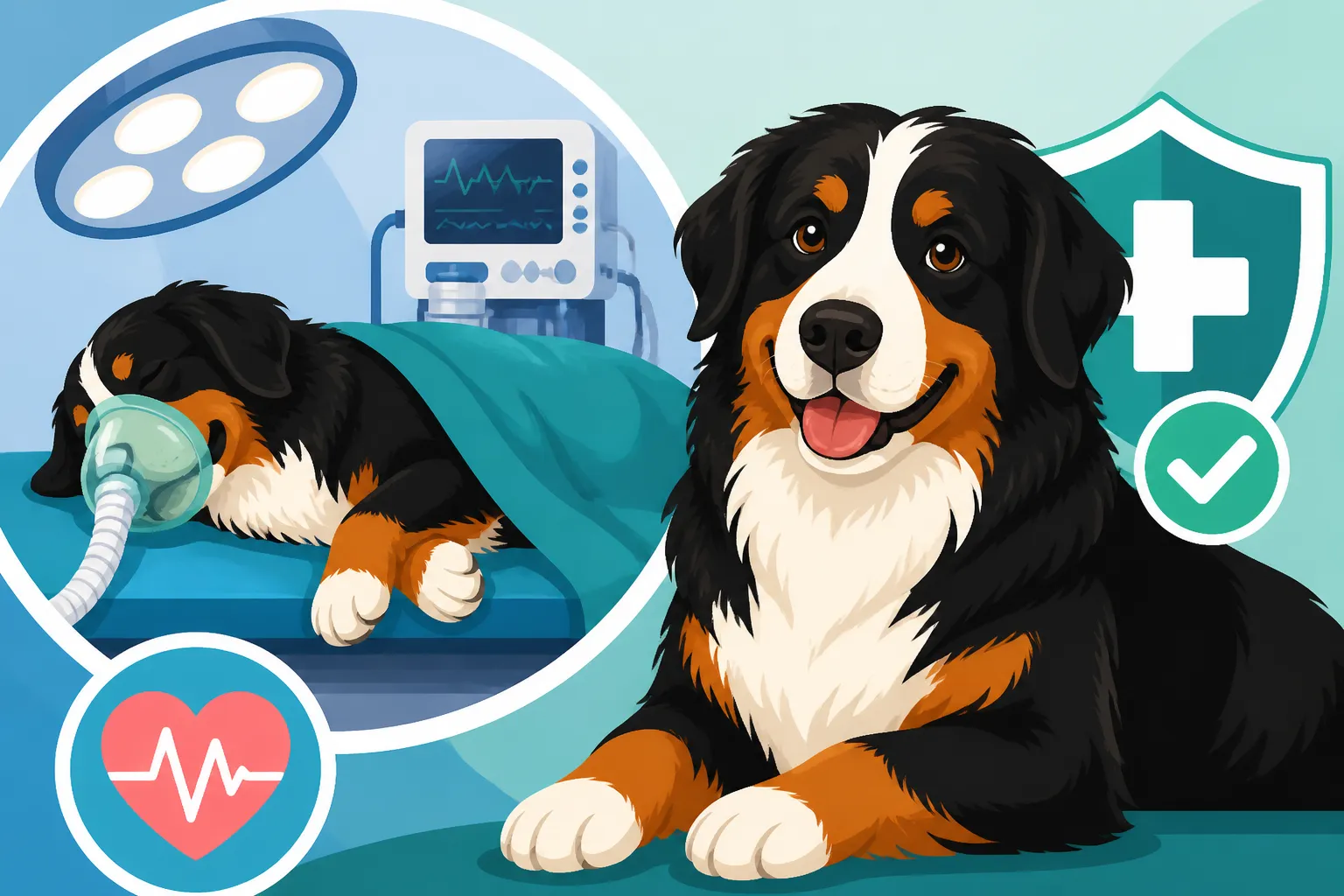
Whether a Bernese Mountain Dog Handles Anesthesia Well
It's a moment no Bernese Mountain Dog owner ever wants to hear: your beloved, gentle giant needs surgery. The immediate surge of worry often isn't just about the procedure itself, but the daunting question of anesthesia. Will my big, beautiful Berner handle being "put under"? This fear is incredibly valid, as large breeds do present unique challenges when it comes to anesthesia, and understanding these factors is key to advocating for your dog's safest possible experience. This comprehensive guide will walk you through the specifics of anesthesia for Bernese Mountain Dogs, from pre-screening to post-operative care, to help ease your mind and empower you with knowledge.
Understanding Anesthesia Risks in Large Breed Dogs
When your veterinarian recommends a procedure requiring general anesthesia for your Bernese Mountain Dog, it's natural for your mind to race. The sheer size of these dogs, their deep chests, and often their longer recovery times can all contribute to a heightened sense of concern. It’s not just an irrational fear; there are indeed specific physiological reasons why large and giant breeds require extra vigilance and a more tailored approach to anesthesia.
Increased Body Mass and Drug Dosing
One of the most significant considerations for large breeds, including our Berners, is their body mass. Anesthetic drugs are typically dosed based on weight, but it's not always a simple linear calculation. Larger dogs often have a different fat-to-muscle ratio compared to smaller dogs, and this can influence how drugs are distributed, metabolized, and ultimately cleared from their system. A drug that is processed quickly in a tiny chihuahua might linger much longer in a hundred-pound Bernese Mountain Dog, potentially leading to a prolonged and groggy recovery.
Furthermore, accurately calculating dosages is paramount. A small error in a dosage for a toy poodle might be negligible, but the same proportional error for a large Bernese Mountain Dog could have much more significant consequences. Vets must be meticulous in their calculations, often opting for slightly lower initial doses and titrating up as needed, rather than administering a full calculated dose upfront. This cautious approach helps prevent over-sedation and ensures a smoother induction to anesthesia.
Slower Recovery and Temperature Regulation
The recovery period for large dogs can often be more drawn out than for their smaller counterparts. Anesthetics can suppress normal physiological functions, including the body's ability to maintain its core temperature. Because Bernese Mountain Dogs have a large surface area and a thick coat, regulating their temperature under and after anesthesia becomes a critical task. They can lose heat quickly during surgery, particularly during longer procedures, making hypothermia a real concern.
To combat this, veterinary staff employ various warming techniques, such as heated surgical tables, warm air blankets, and even warm intravenous fluids. Post-operatively, continuous monitoring of body temperature is essential, with warming support continuing until the dog can maintain a stable temperature on its own. This extended monitoring means that your Bernese Mountain Dog might spend more time in a dedicated recovery area, under the watchful eye of veterinary technicians, which is a crucial aspect of their safety and comfort.
Specific Anesthesia Considerations for Bernese Mountain Dogs
Beyond the general challenges presented by all large breeds, Bernese Mountain Dogs have their own set of unique characteristics and predispositions that influence how they handle anesthesia. Being aware of these breed-specific traits allows your veterinary team to formulate an even more precise and personalized anesthetic plan.
Cardiac Health and Anesthesia
Bernese Mountain Dogs, like many large breeds, can be prone to certain cardiac conditions, which can complicate anesthesia. Conditions like subvalvular aortic stenosis (SAS) or dilated cardiomyopathy (DCM) might not always show obvious clinical signs until they are advanced, but they can significantly impact how a dog's heart responds to the stress of anesthesia and the effects of certain drugs. Some anesthetic agents can depress heart function or cause arrhythmias, which could be dangerous in a dog with an underlying cardiac issue.
This is why a thorough pre-anesthetic cardiac evaluation is so important for Berners. Your vet may recommend a baseline electrocardiogram (ECG) or even a consultation with a veterinary cardiologist if there are any murmurs detected during a physical exam or if your dog has a history of fainting or coughing. Understanding your Berner's heart health beforehand allows the veterinary team to select cardiac-friendly anesthetic protocols and monitor their heart rhythm and function intensely throughout the procedure. For more detailed information, consider reading about Heart Screening for a Bernese Mountain Dog.
Joint and Spinal Concerns
Our beloved Bernese Mountain Dogs are known for their impressive size, but this stature also comes with a propensity for orthopedic issues, such as hip and elbow dysplasia, and other joint diseases. These conditions, which can lead to significant pain and mobility challenges, must be carefully considered when preparing for and performing anesthesia. Prolonged recumbency (lying down) in a single position during surgery can exacerbate existing joint pain or even lead to muscle stiffness and discomfort post-operatively.
The veterinary team must pay meticulous attention to proper positioning on the surgical table, using soft bedding and supports to cradle joints and prevent pressure sores. For procedures that require specific positioning, such as orthopedic surgeries, careful planning is undertaken to ensure the dog’s comfort and joint integrity. Furthermore, post-anesthetic pain management becomes even more critical for Berners with existing joint issues. You can learn more about managing these conditions by looking into Joint Disease in a Hundred Pound Bernese Mountain Dog or even The Bernese Mountain Dog Whose Back Legs Give Out.
Sensitivity and Temperament
Bernese Mountain Dogs are renowned for their sweet, gentle, and often sensitive dispositions. While this makes them wonderful companions, it can also play a role in how they react to the unfamiliar environment of a vet clinic and the lead-up to anesthesia. Stress and anxiety can elevate heart rate and blood pressure, potentially increasing anesthetic risk. A highly stressed dog might also require more anesthetic agents to achieve proper sedation, which could prolong recovery.
To mitigate this, many veterinary clinics employ gentle handling techniques and may use pre-sedatives or anti-anxiety medications to help calm your Berner before anesthesia induction. This approach not only makes the experience less traumatic for your dog but also allows for a smoother, safer administration of anesthetic drugs. Discussing your dog's usual temperament with your vet is crucial so they can tailor a compassionate and effective pre-anesthetic calming strategy.
Pre-Anesthetic Protocols: Minimizing Risks for Your Berner
The period leading up to anesthesia is arguably as critical as the procedure itself. Comprehensive pre-anesthetic protocols are designed to identify potential risks and allow the veterinary team to modify the plan to ensure the safest possible outcome for your Bernese Mountain Dog.
Comprehensive Pre-Anesthetic Screening
Before any anesthetic procedure, a thorough pre-anesthetic screening is paramount for a Bernese Mountain Dog. This isn't just a formality; it's a vital step in ensuring their underlying health can withstand the stress of anesthesia. This screening typically includes a comprehensive physical examination, where the vet will listen to the heart and lungs, check for any abnormalities, and assess overall body condition.
Beyond the physical exam, bloodwork is almost always recommended. This usually involves a complete blood count (CBC) to check for anemia, infection, and clotting abnormalities, and a chemistry panel to assess organ function, particularly the liver and kidneys, which are responsible for metabolizing and eliminating anesthetic drugs. For older Berners, or those with known health issues, additional tests such as a urinalysis, thyroid panel, or even an echocardiogram might be suggested. This rigorous approach helps catch any hidden health problems that could complicate anesthesia. For more on general health assessments, check out The Bernese Mountain Dog Health Panel and Bloodwork a Bernese Mountain Dog Should Have Yearly.
Tailored Anesthesia Plans
No two Bernese Mountain Dogs are exactly alike, and neither should their anesthesia plan be. Based on the results of the pre-anesthetic screening, the vet will develop a tailored plan that considers your dog's age, weight, health status, and the type of procedure being performed. This might involve choosing specific anesthetic drugs that are known to be gentler on the heart or kidneys, or adjusting dosages for dogs that might metabolize drugs differently.
For instance, if your Berner has a heart murmur, the vet might opt for drugs that have minimal cardiovascular effects. If kidney values are slightly off, they might increase intravenous fluid support during the procedure to help protect kidney function. This personalized approach is a testament to modern veterinary medicine's commitment to patient safety, recognizing that a one-size-fits-all approach simply doesn't work, especially for large, sometimes complex breeds like the Bernese Mountain Dog.
Importance of Fasting and Hydration
You'll be given strict instructions regarding fasting before your Bernese Mountain Dog's anesthetic procedure, and it’s incredibly important to follow them precisely. Typically, dogs are required to fast from food for 8-12 hours before anesthesia, though water is usually allowed until a few hours prior. The main reason for this is to prevent aspiration pneumonia, a serious and potentially fatal condition. When under anesthesia, a dog's protective reflexes, like gagging and swallowing, are suppressed. If there's food in their stomach, they could vomit and inhale stomach contents into their lungs.
Ensuring your Berner is adequately hydrated before the procedure is also crucial. Intravenous fluids are almost always administered during anesthesia to help maintain blood pressure, support organ function, and counteract any dehydrating effects of fasting or the anesthetic drugs themselves. Proper hydration helps the body effectively process and eliminate the anesthetic agents, contributing to a smoother recovery. Always communicate any accidental food intake or concerns about water restrictions with your veterinary team immediately.
During and After Anesthesia: Monitoring and Recovery
Once your Bernese Mountain Dog is under anesthesia, and throughout their awakening process, continuous, vigilant monitoring is the cornerstone of their safety. This critical phase ensures that any adverse reactions are promptly identified and addressed, providing the best possible outcome.
Advanced Monitoring Techniques
During the anesthetic procedure, your Bernese Mountain Dog will be continuously monitored by a dedicated veterinary technician, often in addition to the operating veterinarian. This team uses a range of sophisticated equipment to keep a close eye on your Berner’s vital signs, far beyond what's possible with just observation. This includes machines that track heart rate and rhythm via an electrocardiogram (ECG), blood pressure, oxygen saturation (pulse oximetry), end-tidal carbon dioxide levels (capnography), and body temperature.
These monitors provide real-time data, allowing the veterinary team to make immediate adjustments to anesthetic depth, fluid rates, and warming measures as needed. For example, if blood pressure drops too low, the team can administer medications to support it. If oxygen levels decrease, they can adjust ventilation. This constant vigilance is especially important for a large breed like the Bernese Mountain Dog, where physiological changes can sometimes have a more profound impact due to their size and potential underlying conditions.
Pain Management and Post-Operative Care
A crucial part of any anesthetic plan, particularly for large dogs and those undergoing invasive procedures, is comprehensive pain management. Preventing and treating pain is not only humane but also aids in a faster, smoother recovery. Most Bernese Mountain Dogs will receive pain medication before, during, and after surgery, often a combination of injectable medications administered in the clinic and oral medications to go home with.
Post-operative care in the clinic involves a comfortable, warm, and quiet recovery area where your Berner can wake up gradually under supervision. Their vital signs will continue to be monitored, and they'll be kept warm and offered water when fully alert. Depending on the procedure, they might also receive anti-inflammatory medications or other supportive therapies. Once home, it's essential to continue following your vet's instructions for medication, activity restriction, and wound care to ensure a full and complication-free recovery.
What to Watch for at Home
Once your Bernese Mountain Dog comes home after anesthesia, it's normal for them to be a bit groggy, quiet, or even a little disoriented for the first 12-24 hours. Their appetite might be reduced, and they may sleep more than usual. However, there are specific signs that warrant immediate contact with your veterinary clinic. These include persistent vomiting, difficulty breathing, excessive lethargy (more than expected), uncontrolled pain (whining, panting, reluctance to move), pale gums, or any signs of severe discomfort or disorientation.
Always have your vet’s emergency contact information readily available. It’s better to call with a concern and be reassured than to wait and potentially let a serious complication escalate. Providing a quiet, comfortable space for your Berner to rest, easily accessible water, and small, bland meals as directed by your vet will support their recovery journey.
Financial Considerations and Pet Insurance
Navigating veterinary care for a Bernese Mountain Dog often involves significant financial considerations, and anesthesia, with all its necessary safety protocols, is no exception. Understanding these costs and how to potentially mitigate them can alleviate some of the stress associated with unexpected procedures.
The Cost of Comprehensive Anesthesia Care
The detailed pre-anesthetic screening, tailored drug protocols, extensive monitoring during the procedure, and dedicated post-operative care all contribute to the overall cost of anesthesia for your Bernese Mountain Dog. These aren't just arbitrary fees; they reflect the expertise of the veterinary team, the investment in advanced monitoring equipment, and the cost of safe, effective medications. You're paying for peace of mind, knowing that every precaution is being taken.
When your vet quotes a price for a procedure that includes anesthesia, it will encompass many of these factors. It's important to discuss the breakdown of costs, understanding what each component covers. While the price tag can sometimes feel overwhelming, especially for a large dog needing specific considerations, remember that this comprehensive approach is what ensures the highest level of safety for your beloved Berner. For a broader look at general costs, you might find Putting a Hundred Pound Bernese Mountain Dog Under insightful.
How Pet Insurance Can Help
Given the potential for significant veterinary bills, especially with a breed prone to certain health issues, many Bernese Mountain Dog owners wisely consider pet insurance. Plans from providers like Healthy Paws can be incredibly beneficial in covering a substantial portion of unexpected surgical and anesthetic costs. These policies are designed to help you make decisions based on your pet's health needs rather than solely on financial constraints.
For instance, if your Berner needs surgery for an unforeseen injury or condition, having a robust insurance plan can cover the pre-anesthetic bloodwork, the anesthesia itself, surgical fees, and post-operative medications. It's important to enroll your dog when they are young and healthy, as most policies have waiting periods and may not cover pre-existing conditions. Researching different plans and understanding their annual limits and deductibles, especially concerning conditions common in Berners like cancer (see Insuring a Bernese Mountain Dog Against Cancer and What Oncology Bills Reach for a Bernese Mountain Dog), can provide a vital financial safety net. Understanding Why the Bernese Mountain Dog Is Expensive to Insure can also help set expectations. Ultimately, a good pet insurance policy, like those offered by Healthy Paws, can allow you to focus on your Berner's recovery without the added burden of overwhelming veterinary expenses.
Common Pre-Anesthetic Tests and Their Purpose
To give you a clearer picture of the pre-anesthetic screening process, here's a table outlining common tests and why they're so important for your Bernese Mountain Dog.
| Test Category | Specific Test | Purpose for Anesthesia Safety |
|---|---|---|
| Physical Exam | Auscultation (heart/lungs) | Detects murmurs, arrhythmias, respiratory issues, which affect drug choice. |
| Palpation (abdomen, joints) | Identifies pain or organ abnormalities; ensures comfortable positioning. | |
| Bloodwork | Complete Blood Count (CBC) | Checks for anemia (low red blood cells), infection (white blood cells), and clotting ability (platelets). |
| Chemistry Panel | Assesses liver and kidney function, crucial for drug metabolism and excretion. | |
| Electrolyte Panel | Monitors hydration status and imbalances that affect heart function. | |
| Urinalysis | Urine Specific Gravity | Evaluates kidney's ability to concentrate urine, indicating kidney health. |
| Cardiac Screening | Electrocardiogram (ECG) | Detects abnormal heart rhythms that could be worsened by anesthesia. |
| Echocardiogram (if needed) | Provides detailed imaging of heart structure and function for specific conditions. |
Disclaimer
Please remember that this article is intended for informational purposes only and should not be considered a substitute for professional veterinary advice. Always consult with a qualified veterinarian regarding any health concerns or before making any decisions about your Bernese Mountain Dog's medical care, including anesthetic procedures.