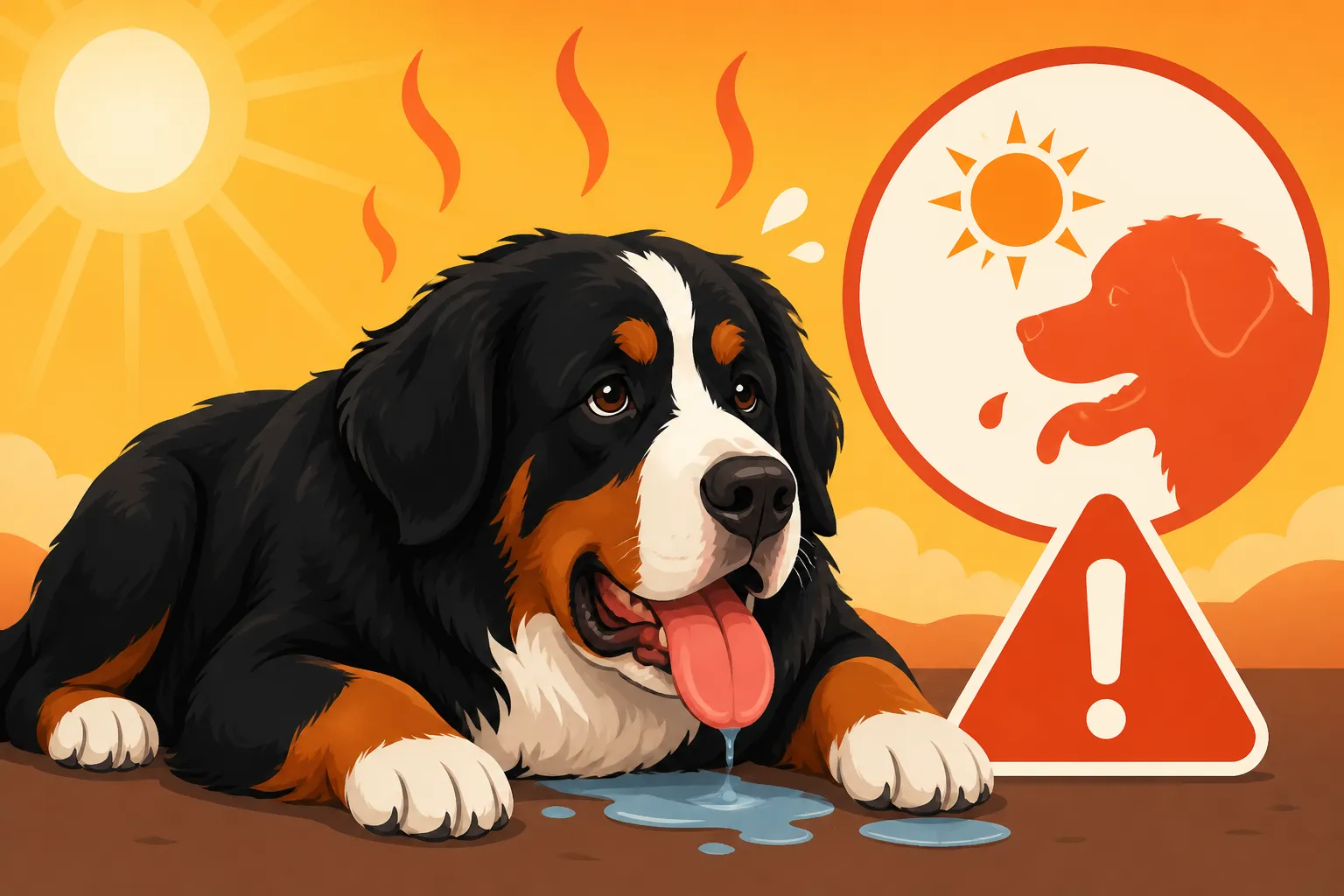
How a Bernese Mountain Dog Behaves Before Heat Stroke
It's a terrifying scenario no Bernese Mountain Dog owner wants to face: a beloved, usually robust companion suddenly struggling in the heat. Their thick coats and sheer size make them incredibly susceptible to overheating, and recognizing the early signs of heat stress before it escalates into full-blown heat stroke is absolutely critical. This guide is here to walk you through exactly what those behavioral and physical cues look like, from subtle changes to life-threatening emergencies, so you can act quickly and potentially save your Berner's life.
The Unique Vulnerability of Bernese Mountain Dogs to Heat Stress
Owning a Bernese Mountain Dog means embracing their magnificent, shaggy glory, but it also means being hyper-aware of their susceptibility to heat. Unlike breeds with thin coats or smaller statures, Berners were quite literally built for the cold, their physiology a stark contrast to environments where temperatures soar. This inherent design makes them particularly vulnerable, a fact that every owner must deeply understand.
The Insulating Double Coat and Dark Coloring
Imagine wearing a heavy wool sweater and a thick winter jacket on a hot summer day. That's essentially what our Bernese Mountain Dogs are doing, all the time. Their iconic double coat, a dense undercoat for insulation and a longer, coarser outer coat for protection, is a blessing in the Swiss Alps but a significant burden in warmer climates or during intense activity. This coat, combined with their striking black markings, absorbs and retains heat from the sun rather than reflecting it. This isn't just an inconvenience; it’s a biological disadvantage in hot weather, preventing efficient heat dissipation from their bodies. You might be interested in knowing more about how their coat handles temperatures, which you can read about in Heat and the Bernese Mountain Dog's Black Coat.
Large Body Mass and Metabolic Heat Production
Bernese Mountain Dogs are big, beautiful creatures, often weighing well over 80 pounds, with some males tipping the scales at over 100. This substantial body mass contributes significantly to their heat vulnerability. Larger bodies have a smaller surface area to volume ratio compared to smaller dogs, meaning they have fewer places to dissipate heat efficiently. Furthermore, just the act of existing and moving generates metabolic heat within their bodies. A large dog like a Berner working its muscles, even during a seemingly mild walk, produces a considerable amount of internal heat. If this heat can't be shed quickly enough, it rapidly builds up, pushing them closer to dangerous internal temperatures. Think about how much harder your own body works and heats up during physical exertion – it’s a similar, magnified effect for a dog of this size.
Low Tolerance for High Temperatures
It's not just about the coat or the size; it's also about their inherent genetic predisposition. Bernese Mountain Dogs, originating from the snowy regions of Switzerland, simply aren't engineered for hot weather. Their ancestors thrived in cold, mountainous environments where overheating was never a concern. Because of this, their bodies have a lower threshold for high temperatures and are less efficient at cooling down compared to breeds developed in warmer climates. This means that what might be merely uncomfortable for a short-coated breed could be life-threatening for a Berner. A temperature that seems pleasant to you, especially if you're not exercising, can quickly become dangerous for your Berner. It’s important to understand The Temperature a Bernese Mountain Dog Stops Coping and adjust your routines accordingly.
Early Indicators of Discomfort: Recognizing the First Signs
The key to preventing heat stroke is recognizing the subtle whispers of distress before they turn into shouts. Your Berner might not be able to tell you they're too hot with words, but their body language and behavior will provide plenty of clues. Paying close attention to these early indicators can make all the difference.
Changes in Activity Level and Demeanor
One of the first things you might notice is a change in your Berner's usual zest for life. A dog that's usually eager for a walk, playtime, or even just a romp in the yard might seem strangely subdued. They might refuse to go outside, even for their usual potty breaks, or show a marked reluctance to engage in activities they typically love. You might see them moving more slowly, with less enthusiasm, or even trying to avoid direct sunlight by sticking to shady spots.
For example, if your Berner usually greets you at the door with a full-body wiggle and a toy in their mouth, but on a warm day, they just lift their head or slowly walk over, looking a bit tired, that’s a red flag. They might seem more lethargic than usual, perhaps lying down more frequently or struggling to get comfortable. They might also appear a little anxious or restless, pacing slightly or just generally seeming "off." These aren't just minor behavioral quirks; they are critical early warnings that their body is starting to struggle with the heat. Remember, their magnificent size means they warm up quickly, so even a slight change in their demeanor needs your full attention.
Altered Panting and Breathing Patterns
Panting is a dog's primary way of cooling down, but there’s a difference between normal panting after a short burst of activity and distressed panting due to overheating. When a Bernese Mountain Dog is too hot, their panting will become more intense, rapid, and shallow. They might pull their lips back more, revealing more of their tongue, and you might hear a louder, more forced sound with each breath. It often looks like they are genuinely struggling to pull air in and push it out.
As their discomfort increases, their breathing might become labored, almost gasping, even when they're not actively moving. You might see their chest and abdomen moving more forcefully with each breath. If you notice your Berner panting excessively even after a short, slow walk, or while simply lying in the shade, it's a clear sign their body is working overtime to cool down. It’s not uncommon to see their nostrils flaring with the effort. This is their body’s desperate attempt to regulate temperature, and it’s a sign that their internal cooling mechanisms are being pushed to their limit.
Excessive Thirst and Seeking Cool Spots
Another key early indicator is an increase in thirst and a deliberate effort to find cooler environments. Your Berner might start drinking water more frequently and in larger quantities than usual. They might even act a little frantic around the water bowl, draining it quickly and then looking for more. While staying hydrated is good, excessive, sudden thirst on a warm day is a sign of internal heat build-up.
Beyond drinking, they will actively seek out the coolest spots available. This could mean lying on cold tile or concrete floors, burrowing into shaded areas in the yard, or trying to sprawl out in front of a fan or air conditioning vent. If your Berner, who usually prefers the comfy dog bed, is suddenly stretched out on the bathroom linoleum or trying to get under a bush in the yard, they are telling you they're too hot. They might also resist moving from these cool spots, even for things they usually enjoy. These are all subtle but significant clues that their core temperature is rising, and their natural instincts are kicking in to try and bring it back down.
Escalating Warning Signs: When Heat Stress Becomes Dangerous
As heat stress progresses, the signs become more pronounced and alarming. These aren't just subtle cues; they are overt signals that your Berner is in real danger and requires immediate intervention. Ignoring these symptoms can lead to irreversible damage or even death. This is the point where rapid cooling and veterinary consultation become absolutely non-negotiable.
Gastrointestinal Distress and Increased Drooling
One of the more unsettling signs of progressing heat stress is gastrointestinal upset. As their internal temperature rises, a Bernese Mountain Dog might start to drool excessively – far more than their usual happy dribbles. This isn't just the normal drool; it can be thick, stringy, or foamy. This is a sign of acute stress and dehydration. Following this, or sometimes concurrently, they might experience vomiting or diarrhea. This happens because the body's internal organs start to suffer from the high temperatures, affecting their normal function. Vomiting and diarrhea further accelerate dehydration, creating a dangerous cycle that rapidly worsens their condition. If your Berner is presenting with both profuse drooling and gastrointestinal issues, you are beyond the early warning stage and firmly in an emergency situation.
Dizziness, Weakness, and Coordination Issues
As a Berner's body struggles to regulate temperature, their central nervous system begins to be affected. This can manifest as noticeable dizziness, weakness, and a loss of coordination. You might see your dog stumbling, staggering as if disoriented, or having trouble walking in a straight line. Their gait might become wobbly, their legs might seem stiff or unresponsive, and they may struggle to maintain balance. They might even collapse suddenly or find it difficult to stand up after lying down.
This can be incredibly frightening to witness. It's not just a sign of fatigue; it's a sign that their brain and muscles are not functioning correctly due to the heat. They might appear confused, unresponsive to commands, or simply too weak to comply. If your normally sturdy Bernese Mountain Dog is exhibiting any kind of uncoordinated movement, it's a critical emergency. It's time to act fast, and consider what to do if you have Cooling a Collapsed Bernese Mountain Dog in the Field.
Reddening Gums and Increased Heart Rate
When a Bernese Mountain Dog is overheating severely, their body tries to compensate by increasing blood flow to the skin to dissipate heat. This often results in a distinct change in the color of their gums and an elevated heart rate. Gently lift your Berner's lip and look at their gums – normal gums are a healthy pink. In a dog suffering from heat stress, their gums might appear bright red, almost brick-like, as blood rushes to the surface. As their condition worsens, they might even become pale or bluish if circulation is failing.
Alongside this, their heart rate will likely be significantly elevated. You can feel their pulse on the inside of their upper thigh; it will be much faster and possibly weaker than normal. These are clear physiological signs that their cardiovascular system is under extreme stress, struggling to cope with the rising internal temperature. These symptoms indicate a systemic problem, not just localized discomfort, and demand immediate, aggressive cooling measures and veterinary attention.
Full-Blown Heat Stroke: Emergency Symptoms and Critical Actions
When a Bernese Mountain Dog enters full-blown heat stroke, it is a life-threatening medical emergency requiring immediate and decisive action. There is no time to waste, and every second counts. These symptoms indicate that their core body temperature has reached dangerous levels, causing severe damage to their organs and bodily systems.
Collapse, Seizures, and Loss of Consciousness
At the most critical stage of heat stroke, a Bernese Mountain Dog may suddenly collapse. This isn't just falling down; it's a complete loss of muscle control, rendering them unable to stand or respond. Their body might go limp, or conversely, they might experience muscle tremors or full-blown seizures. Seizures are a terrifying indicator that the brain is severely affected by the extreme heat, leading to uncontrolled electrical activity.
Following collapse or seizures, a Berner may lose consciousness. They will become unresponsive to your voice, touch, or even pain stimuli. Their eyes might be glazed over or their pupils dilated. This is a dire emergency. At this point, irreversible organ damage, including brain damage, kidney failure, and liver damage, can occur rapidly. If your Berner reaches this stage, immediate action is paramount for any chance of survival. This is exactly why prevention is so crucial, as discussed in The Hours a Bernese Mountain Dog Should Not Walk and Exercising a Bernese Mountain Dog in Summer.
Immediate First Aid and Veterinary Intervention
If you suspect your Bernese Mountain Dog is experiencing heat stroke, you must act immediately.
- Move to a Cooler Environment: Get your dog out of the sun and into the coolest spot you can find – air conditioning, shade, or near a fan.
- Begin Cooling:
- Apply cool (not ice cold) water to their body, especially on the paw pads, stomach, and inner thighs where blood vessels are close to the surface. You can use a hose on a gentle setting, wet towels, or even just pour water from bottles.
- Place wet towels under them.
- Use a fan to blow air over their wet body, which helps evaporate the water and cool them down.
- Never immerse them in ice water, as this can cause peripheral vasoconstriction, trapping heat in the core, and can induce shock.
- Offer Water: If they are conscious and able to drink, offer small amounts of cool water. Do not force water on an unconscious or seizing dog, as they could aspirate it.
- Seek Emergency Veterinary Care: Even if your dog seems to be recovering, always transport them to the nearest emergency veterinary clinic immediately. Heat stroke can cause delayed complications, such as kidney failure, clotting disorders, and brain swelling, that may not be apparent for hours or even days. Call the clinic on your way to let them know you're coming so they can prepare. Pet insurance providers like Healthy Paws often cover emergency treatments for conditions like heat stroke, which can be incredibly expensive. It's a lifesaver when those unexpected bills arrive.
Proactive Strategies to Prevent Heat Stroke
The best treatment for heat stroke is prevention. As a Bernese Mountain Dog owner, you need to be constantly vigilant during warm weather.
- Avoid Peak Heat: Restrict outdoor activities to the coolest parts of the day – early mornings and late evenings. On very hot days, it's best to keep them indoors entirely.
- Provide Constant Access to Water: Always have fresh, cool water available. Consider multiple water bowls, especially if your Berner spends any time outdoors.
- Ensure Shade and Cool Retreats: If your Berner is outside, make sure they have access to ample shade at all times. Indoor environments should be air-conditioned or well-ventilated with fans. Items like Cooling Mats and Where a Bernese Mountain Dog Lies can also provide relief.
- Never Leave in a Car: Even on a mild day, temperatures inside a car can skyrocket to dangerous levels within minutes. This is a fatal mistake.
- Monitor Pavement Temperature: Hot pavement can burn paw pads and raise body temperature. Test the pavement with your hand – if it's too hot for you, it's too hot for your dog.
- Know Your Dog's Limits: Every dog is an individual. Observe your Berner closely. If they seem uncomfortable, it's time to cool down. Don't push them, especially during exercise.
- Consider a Preventive Gastropexy: While not directly related to heat stroke, it's worth noting that Berners are also prone to bloat, another life-threatening emergency. If you're discussing one serious health concern, it's wise to be aware of others and perhaps discuss options like a gastropexy with your vet. For instance, Adding a Gastropexy to a Bernese Mountain Dog's Spay is a common consideration.
Staying proactive and informed is the best way to ensure your beautiful Bernese Mountain Dog stays safe, comfortable, and healthy, even when the mercury rises. Organizations like Healthy Paws can give you peace of mind that you'll have support if an unexpected emergency, like heat stroke, does occur.
Here's a quick summary table of the signs and actions:
| Stage of Heat Stress | Key Symptoms to Observe | Recommended Action |
|---|---|---|
| Early Discomfort | – Mild panting, normal for activity | – Offer water, move to shade, monitor closely. |
| – Slight reluctance to move, seeking cool spots | – Ensure access to cool areas and fresh water. | |
| Moderate Stress | – Increased, rapid, shallow panting | – Immediately move to cool area, offer water, begin light cooling (wetting paws). |
| – Excessive thirst, persistent search for cool | – Consider ending outdoor activity completely. | |
| – Mild lethargy, slightly "off" demeanor | ||
| Dangerous Stress | – Very heavy, labored panting, increased drooling (thick/foamy) | – Emergency cooling: Wet entire body with cool water, use fan. Transport to vet. |
| – Vomiting or diarrhea | – Call vet on the way, explain symptoms. | |
| – Dizziness, weakness, staggering, uncoordinated movements | – Do not force water if dog is unconscious. | |
| – Bright red gums, rapid heart rate | ||
| Full Heat Stroke | – Collapse, seizures, loss of consciousness | – Critical Emergency: Aggressive cooling measures while rushing to nearest ER vet. |
| – Unresponsiveness, glazed eyes | – Continue cooling in car. | |
| – Pale or bluish gums | – Prognosis guarded, but rapid action is vital. |
Disclaimer
The information provided in this article is for educational purposes only and is not intended to be a substitute for professional veterinary advice, diagnosis, or treatment. Always seek the advice of your veterinarian or other qualified health provider with any questions you may have regarding a medical condition. Never disregard professional veterinary advice or delay in seeking it because of something you have read in this article. In case of a medical emergency, contact your veterinarian immediately.