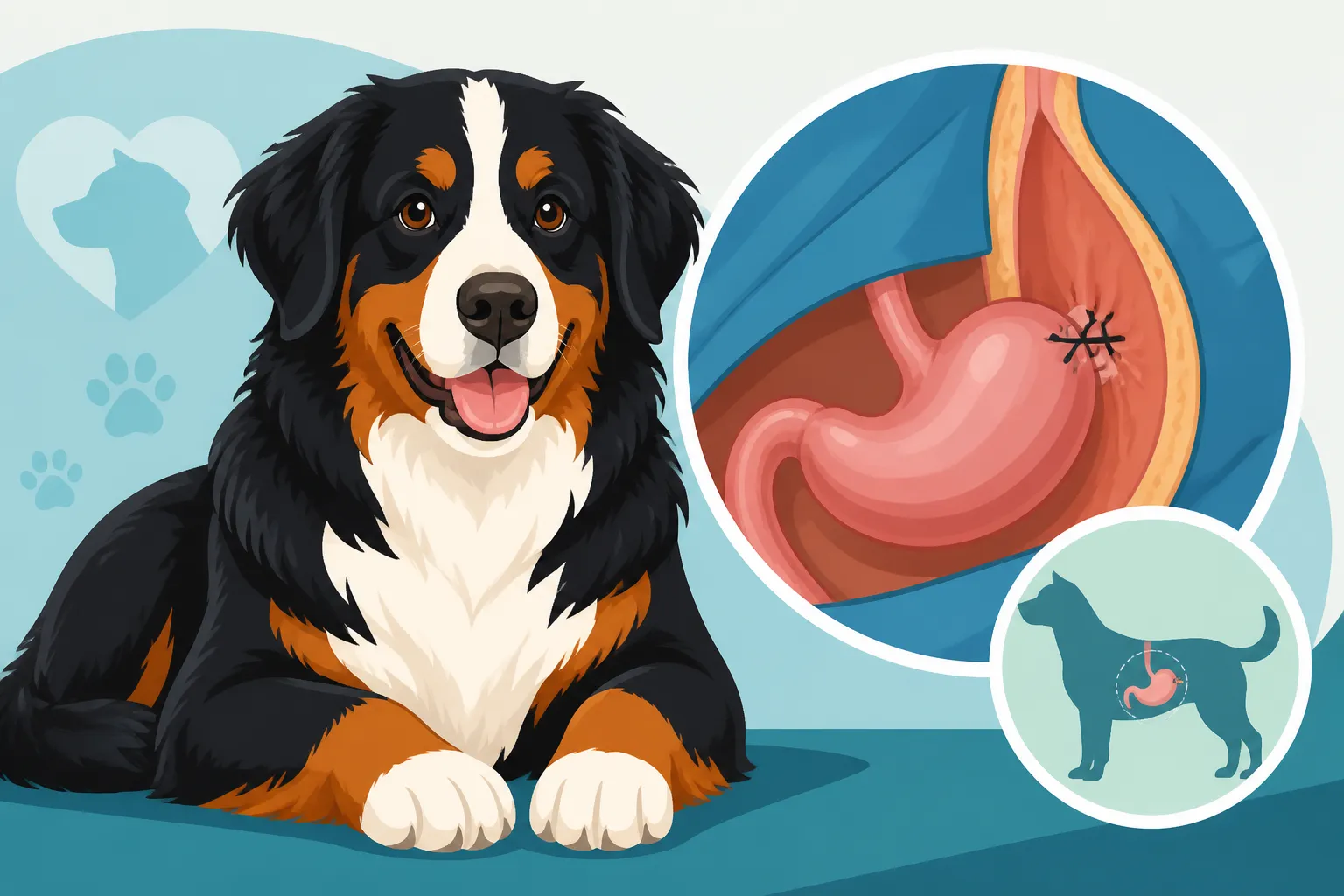
Adding a Gastropexy to a Bernese Mountain Dog’s Spay
The thought of Gastric Dilatation-Volvulus (GDV), or bloat, strikes fear into the heart of almost every Bernese Mountain Dog owner. This life-threatening condition can escalate rapidly, demanding immediate emergency veterinary intervention, and it's a constant worry. For owners of female Berners, there's a valuable opportunity to prevent this catastrophe by adding a prophylactic gastropexy at the time of their spay surgery, offering significant protection and peace of mind.
Understanding Bloat and the Bernese Mountain Dog's Predisposition
Bloat is an incredibly serious and rapidly progressing condition, often fatal if not treated immediately. It’s one of the most frightening emergencies a dog owner can face, and unfortunately, large, deep-chested breeds like the Bernese Mountain Dog are particularly vulnerable.
What is Gastric Dilatation-Volvulus (GDV) and Why is it so Dangerous?
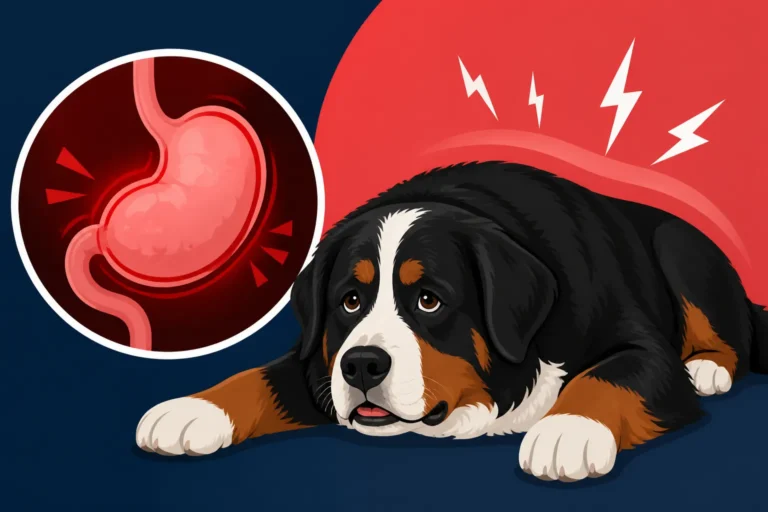
Gastric Dilatation-Volvulus (GDV) isn't just a bloated stomach; it's when the stomach fills with gas and fluid (dilatation) and then twists on its axis (volvulus). When the stomach twists, it traps the gas and fluid inside, cuts off blood supply to the stomach and spleen, and can quickly put pressure on major blood vessels, leading to shock and death. The speed at which this can happen is terrifying; a dog can go from seemingly fine to critically ill in a matter of minutes to a few hours.
Symptoms can include a distended abdomen (often on the left side), unproductive retching, drooling, restlessness, pacing, and signs of pain. As it progresses, the dog may collapse, have pale gums, and breathe shallowly. If you ever suspect bloat, time is of the essence. You literally have about The Half-Hour That Decides a Bloated Bernese Mountain Dog to get your Berner to emergency care if they are to have the best chance of survival.
Why Bernese Mountain Dogs are Particularly Susceptible to Bloat
While the exact cause of bloat isn't fully understood, several risk factors have been identified, and Bernese Mountain Dogs tick many of the boxes. Their deep and narrow chest conformation is a significant anatomical predisposition. Genetics also play a role, with some lines appearing more prone than others.
Beyond anatomy and genetics, lifestyle factors can also contribute. Rapid eating, consuming one large meal a day, excessive exercise before or after meals, stress, and even certain types of diets have been implicated, though research is ongoing. This is why many Berner owners are always conscious of how their dog eats and when they exercise. For instance, some wonder Whether a Fast-Eating Bernese Mountain Dog Bloats More and often opt for slow-feeder bowls or multiple smaller meals a day. Understanding Which Bernese Mountain Dogs Are Most at Risk of Bloat can help owners be extra vigilant. The terrifying reality is that even with careful management, bloat can strike.
What is a Prophylactic Gastropexy?
Given the severe risk of GDV, veterinary medicine has developed a preventive surgical procedure called a gastropexy. This procedure is designed to permanently secure the stomach to the abdominal wall, preventing it from twisting.
The Surgical Procedure Explained
A gastropexy, in essence, is a "stomach tacking" procedure. The surgeon creates an adhesion between the stomach and the inner lining of the abdominal wall. This permanent attachment prevents the stomach from rotating or twisting, which is the "volvulus" part of GDV. While it doesn't prevent the stomach from dilating (filling with gas), it critically prevents the life-threatening twist. If a gastropexy has been performed, even if a dog's stomach fills with gas, it will not be able to rotate, allowing the gas to be relieved naturally or with simpler veterinary intervention.
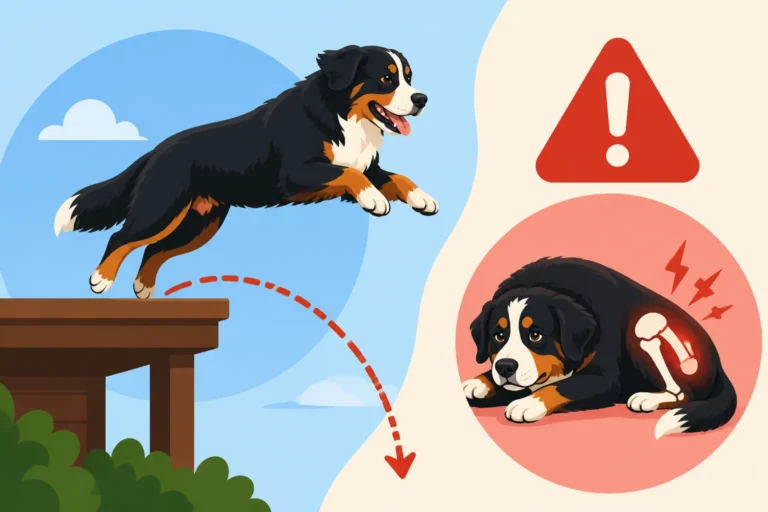
It’s important to understand that a gastropexy is a prophylactic measure, meaning it’s done to prevent future occurrence in an otherwise healthy dog. It's not a treatment for an active bloat episode, where emergency surgery would be much more extensive and carry significantly higher risks.
Different Surgical Techniques for Gastropexy
There are a few ways a gastropexy can be performed, each with its own advantages and considerations:
- Open Gastropexy: This is the traditional method, performed through a standard abdominal incision. The surgeon manually attaches the stomach wall to the abdominal muscle. It’s effective and typically done in conjunction with other open abdominal surgeries, like a spay.
- Laparoscopic-Assisted Gastropexy: This minimally invasive technique involves making small incisions and using a camera (laparoscope) to guide instruments. It often results in less pain, smaller scars, and a faster recovery compared to open surgery. A small incision is still usually needed to create the attachment site.
- Endoscopic-Assisted Gastropexy (EAG): Another minimally invasive option, this combines endoscopy (a camera inserted orally into the stomach) with external fixation. It's less common for routine prophylactic procedures.
- Incisional Gastropexy: This is a common and highly effective technique where an incision is made in the stomach wall, and a corresponding incision in the abdominal wall, and the two are sutured together. This is frequently the method chosen when performing a gastropexy during a spay.
The choice of technique often depends on the veterinarian's expertise, the equipment available, and the dog's specific health profile. Discussing these options with your vet can help you understand the best approach for your Bernese Mountain Dog.
The Synergy of Combining Gastropexy with Spay Surgery
For female Bernese Mountain Dogs, the decision to spay presents a golden opportunity to proactively protect them from bloat by adding a gastropexy simultaneously. This combined approach offers numerous benefits that extend beyond just convenience.
One Anesthesia, One Recovery
The most compelling advantage of combining a gastropexy with a spay is that your Berner undergoes anesthesia only once. Any time an animal is put under anesthesia, there are inherent risks, even with modern protocols and careful monitoring. By doing both procedures at the same time, you minimize the overall anesthetic exposure over your dog's lifetime. This also means only one period of post-operative pain management and a single recovery period, which is a huge benefit for both your dog and your wallet. Imagine having to go through two separate surgeries with their associated costs, discomfort, and recovery limitations – it's certainly not ideal.
During the recovery, your veterinarian will provide specific instructions for managing both surgical sites. You'll likely need to restrict activity, monitor for any signs of infection or complications, and administer prescribed pain medication. While it’s technically two procedures, the recovery from a combined surgery is often not significantly more challenging than from a spay alone, as the abdominal entry is already made.
Optimizing Timing and Reducing Risk
The typical age for spaying a Bernese Mountain Dog varies, often between 6 months and 1.5 years, depending on your vet's recommendation and current research on large breed growth plate closure and health considerations. This timing often aligns perfectly with when a prophylactic gastropexy can be performed. Performing the gastropexy while the dog is still relatively young and healthy, before any signs of bloat appear, is crucial. It’s a preventive measure, not a reactive one.
Some owners express concerns about the optimal age for spaying a large breed, with ongoing discussions about Whether Early Neutering Harms a Bernese Mountain Dog's joint health or cancer risk. These are important conversations to have with your veterinarian when deciding on the timing for both procedures. Regardless of the exact timing chosen for the spay, integrating the gastropexy at that moment ensures your Berner receives maximum protection without additional invasive procedures later in life.
Peace of Mind for You and Your Berner
Perhaps the greatest benefit of a prophylactic gastropexy is the profound peace of mind it offers you, the owner. Living with a large, deep-chested dog like a Berner often comes with the nagging fear of bloat. Every time they seem a little off, or burp loudly, or seem restless after eating, that fear can rear its head. Knowing that your dog has had a gastropexy won't eliminate all risk of gastric issues, but it virtually removes the specter of the life-threatening stomach twist. This means less anxiety for you and, by extension, a more relaxed environment for your dog.
Having this procedure done also shows a commitment to your Bernese Mountain Dog's long-term health, helping to mitigate one of the most common and devastating health issues for the breed. While insurance providers like Healthy Paws offer excellent coverage for unexpected illnesses and accidents, proactive measures like a gastropexy can reduce the chances of ever needing an emergency bloat claim, which can be incredibly costly. Thinking ahead about potential health challenges for your Berner, including the possibility of emergency surgery for conditions like bloat, is where a good pet insurance plan from a provider like Healthy Paws can really be a lifesaver, covering a significant portion of those astronomical bills.
Important Considerations and Discussions with Your Veterinarian
Deciding to combine a gastropexy with your Bernese Mountain Dog's spay is a significant medical choice that requires careful thought and thorough discussion with your veterinary team.
Assessing the Right Time and Your Dog's Health
Every dog is an individual, and while general guidelines exist, your veterinarian is the best resource for determining the ideal timing and approach for your Berner. Factors to discuss include:
- Age and Development: Your vet will consider your Berner's growth and maturity. For large breeds, sometimes waiting a bit longer to spay is recommended to allow for full development, but this must be balanced against the risks of bloat and potential heat cycles.
- Overall Health: Before any surgery, a comprehensive physical exam and pre-surgical Bloodwork a Bernese Mountain Dog Should Have Yearly are crucial. This ensures your dog is healthy enough for anesthesia and surgery, checking organ function and screening for any underlying issues. For a large dog like a Bernese Mountain Dog, understanding the risks involved in Putting a Hundred Pound Bernese Mountain Dog Under is especially important.
- Anesthetic Protocol: Discuss the specific anesthetic agents and monitoring protocols your clinic uses. Modern veterinary practices employ advanced monitoring equipment and trained staff to minimize risks.
Costs and Insurance Coverage
The cost of a combined spay and gastropexy will naturally be higher than a spay alone. This is due to the additional surgical time, materials, and expertise required. However, when considering the long-term, it's often significantly less expensive than emergency bloat surgery, which can easily run into thousands of dollars. Many owners ask What a Gastropexy Costs for a Bernese Mountain Dog as a standalone procedure versus combined. Generally, combining saves on the "setup" costs (anesthesia, facility fees) for a second surgery.
Pet insurance is a game-changer here. A policy from a reputable provider like Healthy Paws, if enrolled before any bloat symptoms or diagnosis, will typically cover a significant portion of emergency GDV treatment. More importantly, some plans may also cover prophylactic procedures if recommended by a vet. It's vital to check your specific policy details with Healthy Paws or your chosen insurer to understand what is covered. Investing in pet insurance early, perhaps even before puppyhood, is a smart financial move for a breed like the Bernese Mountain Dog, known for certain health challenges. Knowing that you have coverage, like through Healthy Paws, can alleviate the financial strain if an emergency, despite best efforts, does arise. This allows you to focus solely on your dog's well-being.
Here’s a brief comparison of typical scenarios:
| Factor | Spay Only | Spay + Prophylactic Gastropexy | Emergency GDV Surgery (No Gastropexy) |
|---|---|---|---|
| Anesthesia Events | One | One | One (emergency) |
| Surgical Incisions | One (abdominal) | One (abdominal, internal stomach tacking) | One (abdominal, often larger) |
| Recovery Period | Standard spay recovery | Standard spay recovery, slightly more restriction | Intensive, complicated recovery |
| Cost | Moderate | Higher than spay only | Extremely High (potentially life-saving) |
| Prevention | Prevents unwanted pregnancies, certain cancers | Prevents unwanted pregnancies, certain cancers, and stomach torsion (GDV) | Reactive treatment, not preventive |
| Peace of Mind | Good for reproductive health | Excellent for reproductive health & bloat risk | None, often leads to future anxiety |
This table illustrates why Whether a Preventive Gastropexy Saves a Bernese Mountain Dog Money is often a resounding yes in the long run.
Post-Operative Care and Recovery
After a combined spay and gastropexy, your Berner will need careful post-operative care to ensure proper healing of both the external incision and the internal stomach attachment. Key aspects include:
- Activity Restriction: This is paramount. Excessive running, jumping, or rough play can compromise the healing of the gastropexy site. Strict leash walks and confinement for several weeks will be necessary.
- Pain Management: Your vet will prescribe pain medication to keep your Berner comfortable. Administer it exactly as directed.
- Incision Monitoring: Check the incision sites daily for redness, swelling, discharge, or separation. Report any concerns to your vet immediately. Your dog will likely wear an E-collar (cone) to prevent licking or chewing at the stitches.
- Feeding and Hydration: Follow your vet's instructions on when and what to feed after surgery. Often, smaller, more frequent meals are recommended initially.
- Follow-Up Appointments: Attend all scheduled post-operative checks to ensure everything is healing correctly.
Choosing to add a gastropexy to your Bernese Mountain Dog's spay is a proactive step that can significantly reduce the risk of a devastating and common breed-specific emergency. It's a testament to the love and care you have for your furry family member, helping them live a longer, healthier, and happier life free from the threat of bloat.
Disclaimer
This article is intended for informational purposes only and does not constitute veterinary advice. Always consult with a qualified veterinarian for any health concerns or before making any decisions about your pet's medical care, diet, or treatment. Individual results may vary.