Why a Bernese Mountain Dog Stays a Puppy Until Three
It can be incredibly charming and, let's be honest, sometimes utterly frustrating, to realize your magnificent Bernese Mountain Dog, even at two or two and a half years old, still acts like a giant, clumsy puppy. Many of us go into Berner ownership expecting a dignified companion, only to find ourselves navigating the boisterous, often awkward, adolescence of a dog that just refuses to grow up on a typical timeline. This guide is here to shed light on why your Bernese Mountain Dog seems to stay a puppy until three, what that truly means for their development, and how you can best support them through this extended period of growth.
Understanding the Bernese Mountain Dog's Development Timeline
When you welcome a Bernese Mountain Dog into your life, you're signing up for a journey with a breed renowned for its gentle nature, loyalty, and stunning appearance. What often catches new owners by surprise, however, is the sheer length of time it takes for these magnificent dogs to truly "grow up." They don't follow the same developmental rules as your average retriever or terrier, and understanding this is key to setting realistic expectations and fostering a well-adjusted companion.
Physical vs. Mental Maturity
It’s easy to look at a hundred-pound Berner at 18 months and think, "Wow, they're fully grown!" And physically, they might certainly look the part. Their height and most of their bulk are likely established by this point, with perhaps a bit more filling out to do. But here’s the rub: physical maturity and mental maturity are two entirely different beasts, especially for a Bernese Mountain Dog.
Think of it like a human teenager. They might be physically imposing, taller than their parents, with adult features, but emotionally and cognitively, they're still very much in a developmental phase. They're prone to impulsive decisions, boundless energy, and perhaps a touch of clumsiness as their brains catch up to their bodies. Our Berners are no different. While their bones might have largely finished fusing and they've hit their impressive adult weight, their brains are still very much in puppy mode, processing the world with youthful exuberance and a delightful, if sometimes challenging, lack of self-control. This mental lag is a significant part of Why a Bernese Mountain Dog Stays a Puppy Until Three, and it’s crucial to distinguish between the two as you navigate their early years.
Breed-Specific Growth Patterns
Giant breeds like the Bernese Mountain Dog simply mature differently than their smaller counterparts. A Chihuahua might reach its full size and a respectable level of mental maturity by its first birthday, but a Berner? Not a chance. This slow growth is actually a crucial evolutionary and biological advantage, even if it feels like forever to us. Rapid growth in giant breeds can put immense strain on developing bones and joints, leading to a host of orthopedic issues. Nature, in its wisdom, dictates a more leisurely pace for these larger creatures, allowing their complex skeletal structures and organ systems to develop robustly and gradually.
This extended growth period means that everything from diet to exercise needs to be carefully managed for longer. You can’t rush a Berner’s development without potentially paying a heavy price in their long-term health. It’s why breeders and vets often emphasize special large-breed puppy foods that support slower, more controlled growth, and why strenuous exercise is often curtailed in their younger years. Understanding that their very nature requires a protracted puppyhood is the first step in appreciating the journey rather than constantly expecting a destination they’re not ready for.
The "Forever Puppy" Charm (and Challenge)
Let's be honest, there's an undeniable charm to the "forever puppy" phase of a Bernese Mountain Dog. Who can resist those big, goofy paws, the clumsy enthusiasm, and the way they still bounce around with the joy of a much smaller, younger dog? This prolonged puppy stage means you get to enjoy their playful innocence and boundless affection for years longer than with many other breeds. They often retain a delightful sense of wonder and a playful spirit that can brighten even the dullest day.
However, this charm comes with its own set of challenges. A ninety-pound "puppy" that still believes it's a lap dog can be quite a force to contend with! Their lack of spatial awareness, combined with their sheer size and strength, means that an innocent nudge can send you sprawling, and a joyful leap can result in unexpected bruises. This is where patience, consistent training, and sometimes a good sense of humor become your best tools. It’s about managing those youthful instincts in a way that keeps everyone safe and happy, without stifling their wonderfully big personalities.
The Slow Burn of Physical Development
While your Bernese Mountain Dog might seem to be all paws and fur, their internal physical development is a careful, drawn-out process that continues long after they hit their initial growth spurt. This slow burn is absolutely essential for their long-term health and well-being, particularly concerning their skeletal system.
Bone and Joint Health Concerns
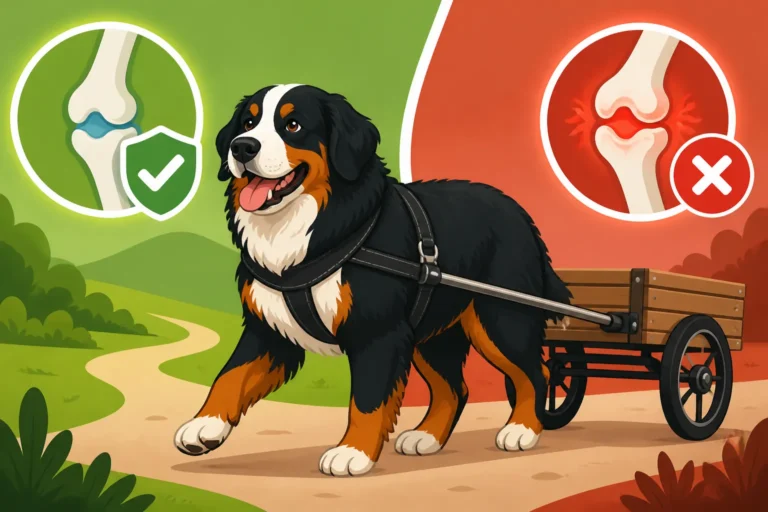
One of the primary reasons Bernese Mountain Dogs mature physically at such a glacial pace is to protect their developing bones and joints. These are substantial dogs, often weighing well over 100 pounds as adults. Imagine the stress on immature growth plates and soft cartilage if their bodies grew too quickly! Conditions like hip and elbow dysplasia, which are unfortunately prevalent in many large breeds, are directly linked to rapid growth and inappropriate stress during puppyhood and adolescence. Joint Disease in a Hundred Pound Bernese Mountain Dog is a real concern.
For a Bernese Mountain Dog, a slower, more gradual development allows their bones to ossify and strengthen properly, and their joints to form without undue strain. This is why responsible breeders emphasize careful nutrition and limited, appropriate exercise for puppies and young adolescents. It's not just about managing their size; it's about giving their bodies the best possible chance to develop into a strong, healthy adult framework that can support their magnificent weight for as long as possible. Rushing this process can lead to irreversible damage and a lifetime of pain and medical bills.
Growth Plate Closure
The concept of "growth plates" is critical for understanding Bernese Mountain Dog development. These are areas of cartilage located near the ends of long bones in young dogs, where new bone tissue is produced, allowing the bones to lengthen. These plates remain open and vulnerable to injury until a dog reaches skeletal maturity, at which point they "close" or fuse, becoming solid bone. For a small dog, this might happen around 8-10 months of age. For a Bernese Mountain Dog, however, these growth plates can remain open until they are 18 months, 24 months, or even sometimes slightly older.
During this period, any high-impact activities like excessive jumping, prolonged running on hard surfaces, or repetitive actions that twist the joints can damage these delicate growth plates. An injury here can lead to abnormal bone growth, pain, and lameness that lasts a lifetime. This is why veterinarians and experienced Berner owners caution against intense activity, even when your Berner looks fully grown and acts like they have endless energy. It’s about protecting their future soundness. Understanding the age a Bernese Mountain Dog stops growing up helps owners tailor their care.
Managing Exercise and Play
Given their slow physical maturation, carefully managing your Bernese Mountain Dog's exercise and play is non-negotiable. It's a delicate balance because they certainly have energy to burn, but you need to ensure that energy is expended in safe, joint-friendly ways.
Structured, low-impact exercise is best. Think multiple short walks on soft surfaces rather than one long, strenuous hike. Leash walks, controlled play in a securely fenced yard, and even short, supervised sessions of fetch with soft toys on grass are good options. Avoid activities that involve a lot of hard stops, starts, jumps, or running on pavement. Agility, intense dog park wrestling with unknown dogs, or long runs are generally best postponed until your Berner is well past two years old, if not closer to three, and ideally after a vet has confirmed their growth plates have closed.
Many owners adopt the "five-minute rule" for puppies, which suggests five minutes of structured exercise per month of age. While this is a good starting point, remember that for a giant breed like the Bernese, you might need to extend that cautious approach for longer, possibly even through their second year, adapting based on their individual physical development. Even though they might look like they can conquer the world, their bodies are still catching up, and protecting them now will lead to a healthier, happier adult dog later. This careful approach is outlined in The Five Minute Rule and a Bernese Mountain Dog Puppy.
| Developmental Stage | Small/Medium Breed (e.g., Beagle, Labrador) | Bernese Mountain Dog (Giant Breed) | Key Considerations |
|---|---|---|---|
| Rapid Growth Phase | 2-6 months | 3-12 months | Controlled nutrition, gentle exercise |
| Skeletal Maturity | 10-14 months | 18-30 months | Growth plates closing, joint care crucial |
| Mental Adolescence | 6-18 months | 12-36 months | Training consistency, impulse control development |
| Full Maturity Reached | 1.5 – 2 years | 2.5 – 3.5 years | Calm demeanor, established habits |
The Extended Adolescence of the Bernese Mind
Just as their bodies take their sweet time, the Bernese Mountain Dog's mind also follows a more leisurely path to maturity. This extended adolescence can be both endearing and, at times, incredibly exasperating for owners who are eager for a more settled companion.
Delayed Cognitive Development
It's not that Bernese Mountain Dogs aren't intelligent—they absolutely are! But their cognitive development, particularly in areas like impulse control, consequence understanding, and sustained focus, takes a good deal longer to solidify. While a Border Collie might pick up a complex command in a few repetitions and apply it reliably, a young Berner might understand the command but struggle with consistency, especially if there's an exciting squirrel or a new person to greet. Their brains are still wiring themselves for the world, and this takes time.
This delayed cognitive development often manifests as a charming "goofiness" but can also mean they're more prone to making "puppy mistakes" for longer. They might forget house training rules they once knew, revert to mouthing, or struggle with polite greetings even after extensive training. It's not defiance; it's just their brain not quite catching up to the expectations you might have for a dog their size. Patience, repetition, and a sense of humor are truly your best allies during this period. You'll find yourself needing to revisit lessons you thought were long learned, simply because their brains need that extra time to cement the learning.
The "Goofy Teenager" Phase
Ah, the "goofy teenager" phase! If you own a young Bernese Mountain Dog between 12 months and, yes, even three years old, you'll know this phase intimately. This is when they combine their substantial physical presence with the mental state of a clumsy, overly enthusiastic youth. They might trip over their own feet, misjudge distances, forget their size when trying to squeeze under a coffee table, or simply stand in your way with a blank, benevolent stare when you're trying to move.
This isn't just about physical clumsiness; it's a mental state where their focus can be fleeting, their judgment a little off, and their excitement levels often override any semblance of learned manners. Imagine a giant, furry embodiment of teenage awkwardness and boundless, sometimes misplaced, energy. They might forget their leash manners for a moment of pure joy at a new smell, or suddenly decide your leg is the perfect leaning post, all 100+ pounds of them. This phase requires consistent, gentle guidance, and the understanding that they're still learning to navigate the world with their enormous bodies and developing minds. The Bernese Mountain Dog Adolescent Stage covers this phase in more detail.
Impulse Control and Decision Making
One of the biggest hurdles during a Bernese Mountain Dog's extended adolescence is the development of impulse control and good decision-making skills. Young Berners are often driven by instinct and immediate gratification. See a person? Must greet! See a dropped crumb? Must vacuum! See another dog? Must play! The ability to pause, assess a situation, and choose a more appropriate response – that’s a skill that takes a lot of time and patient training to cultivate.
This is why you'll often see a Bernese puppy struggling with "leave it" or "stay" commands, even if they know what they mean. Their brain simply hasn't developed the inhibitory control to consistently override their impulses. This isn't a flaw in their character; it's a stage of their development. Training becomes less about teaching new commands and more about strengthening their ability to control themselves in tempting situations. This means creating structured environments where they can practice making good choices, celebrating every small victory, and gradually increasing the difficulty of distractions. It's a marathon, not a sprint, when it comes to teaching a Berner to think before they act.
Training Strategies for the Long Haul
Training a Bernese Mountain Dog is a truly rewarding experience, but it requires an understanding that their unique developmental timeline means it's a long-haul commitment. You can't expect the same rapid progression you might see in other breeds, and trying to force it can actually be detrimental. Training a Bernese Mountain Dog Without Breaking It is essential.
Patience is Your Superpower
When you're working with a Bernese Mountain Dog that stays a puppy until three, patience isn't just a virtue; it's your absolute superpower. There will be days when you feel like you've made no progress, or worse, that your Berner has completely forgotten everything you've taught them. They might have a brilliant training session one day, and the next, act like they've never heard the word "sit" in their life. This inconsistency is a hallmark of their extended adolescence.
It's crucial not to get discouraged or frustrated. Shouting or harsh corrections will only make a sensitive Berner shut down or become anxious, which completely undermines your training goals. Instead, take a deep breath, remind yourself that their brain is still maturing, and go back to basics. Celebrate the small successes, appreciate their inherent desire to please (even when they're failing miserably at it), and understand that this process simply takes more time. Your patience and unwavering positive attitude will build a stronger bond and ultimately lead to a more reliable, well-mannered adult dog.
Positive Reinforcement and Consistency
For a Bernese Mountain Dog, positive reinforcement isn't just a training method; it's the only effective and humane approach. These dogs are incredibly sensitive and thrive on praise, treats, and affection. They want to please you, but they respond best when they feel safe, understood, and rewarded for their efforts. Harsh corrections, scolding, or dominance-based training methods will often backfire, causing a Berner to become fearful, withdrawn, or even stubborn and resistant.
Consistency, across all family members and in all environments, is equally vital. If one person allows jumping up while another corrects it, your Berner will be utterly confused. Establish clear, simple rules and stick to them every single time. Short, frequent training sessions are far more effective than long, drawn-out ones. Use high-value treats and enthusiastic praise to mark desired behaviors, and always end on a positive note. Remember, you're building a foundation that needs constant reinforcement until their brain catches up.
Short, Engaging Sessions
A Bernese Mountain Dog, especially during their extended puppyhood, doesn't have an endless attention span. Expecting them to focus for 20-30 minutes on complex commands is often unrealistic and will lead to frustration for both of you. Instead, break your training into short, highly engaging sessions, typically 5-10 minutes long, interspersed throughout the day.
These brief bursts of training keep their interest piqued and prevent them from becoming bored or overwhelmed. Focus on one or two commands per session, keep the energy positive, and make it fun! Use toys, different treat types, and varying locations to keep things interesting. Think of it as bite-sized learning that gradually builds up over time. Many online training platforms, like those offered by BAXTER & Bella, understand this need for flexible, digestible learning and offer programs that allow you to work at your Berner's pace, breaking down skills into manageable steps. This approach caters perfectly to the Berner's learning style and helps manage their often-fleeting concentration. You might also find tips in The Bernese Mountain Dog That Learns Slowly.
Socialization and Environmental Exposure
Socialization isn't just for tiny puppies; for a Bernese Mountain Dog that stays a puppy until three, it's a continuous, evolving process that extends well into their adulthood. Given their size and sometimes reserved nature, proper, ongoing socialization is paramount to ensuring they grow into well-adjusted, confident companions rather than fearful or reactive giants.
Continuous Socialization Through Maturity
Many people think of socialization as something you do intensively during the first few months of a puppy's life, and then you're done. For a Bernese Mountain Dog, that couldn't be further from the truth. Their brain development means they process and integrate experiences over a longer period. What seems "socialized" at six months might need reinforcement and new exposure at 18 months or two years. Their comfort with new people, places, sounds, and other dogs needs to be consistently nurtured.
This means continuing to expose them to a wide variety of positive experiences, even after they're past the "cute puppy" stage. Controlled, positive interactions with calm, well-mannered adult dogs are invaluable. Take them to different pet-friendly stores, parks (at quieter times), and even just sit on a bench watching the world go by. The key is to keep these experiences positive and never force an interaction. If your Berner seems overwhelmed, remove them from the situation and try again later with less intensity. Consistent, positive exposure helps them build confidence and ensures their inherent good nature shines through. This is vital for Socializing a Reserved Bernese Mountain Dog Puppy.
Exposure to Novel Experiences
Beyond just people and other dogs, Bernese Mountain Dogs benefit immensely from ongoing exposure to novel sights, sounds, and textures. Because they can be sensitive, sudden or unfamiliar stimuli can sometimes trigger apprehension, especially when they're still in that extended puppy phase. The more positive experiences they have with new things, the more resilient and adaptable they become.
Think about things like different floor surfaces (wood, tile, carpet, grass, gravel), walking past construction sites (from a safe distance initially), hearing various household noises (vacuum cleaner, doorbell, washing machine), or encountering people with hats, umbrellas, or wheelchairs. Introduce these new experiences gradually and always associate them with something positive, like a favorite treat or calm praise. The goal isn't to desensitize them to everything, but to teach them that novel things are generally not threatening, and that you are their safe guide through new situations.
Building Confidence in a Gentle Giant
Bernese Mountain Dogs, despite their imposing size, can often be surprisingly sensitive and, at times, a bit reserved or even shy with strangers. Building their confidence is a critical part of their socialization and maturation process. A confident Berner is a calm, stable, and happy Berner. A fearful or insecure Berner, especially one of their size, can become problematic.
Focus on activities that empower them and make them feel good about themselves. Engage in fun, positive training sessions where they succeed often. Practice short bursts of training games that build problem-solving skills. Allow them to explore new, safe environments at their own pace. If they are hesitant to approach something or someone new, don't force it. Instead, create a positive association by giving them a treat as they observe from a comfortable distance. Let them initiate interaction, and always advocate for them if someone tries to overwhelm them. A gentle, confident approach from you will teach your Berner that the world is a wonderful, safe place, and that they have nothing to fear.
Living with an Adolescent Bernese Mountain Dog
Living with a Bernese Mountain Dog during their extended adolescence is an experience filled with joy, laughter, and sometimes a fair bit of head-scratching. It means adapting your home and routines to accommodate a large dog with a young dog's energy and thought process.
Managing Energy Levels Appropriately
Even though you need to protect their growing joints, an adolescent Bernese Mountain Dog still has plenty of energy to burn. Failing to provide appropriate outlets for this energy can lead to destructive behaviors, excessive barking, or general restlessness in the home. It’s a delicate balance of providing enough physical and mental stimulation without overdoing it.
Interactive toys, puzzle feeders, and engaging chew toys can be incredibly valuable in providing mental stimulation and helping to manage boredom, especially during times when strenuous physical activity isn't appropriate. Instead of just physical exercise, think about "brain games" – short training sessions that challenge them mentally, nose work games where they have to sniff out treats, or even just working on new tricks. Regular, moderate walks are still important, but consider varying your routes to keep them engaged with new smells and sights. A tired Berner, both physically and mentally, is a good Berner. Just remember to be mindful of their age and physical development when planning activities.
Household Management and Safety
A Bernese Mountain Dog acting like a puppy until three years old means your home needs to be set up to handle a large, sometimes clumsy, and still-chewing companion for longer than you might expect. Puppy-proofing isn't just for puppies; it's an ongoing effort! Everything from valuable items left on low tables to electrical cords becomes fair game for an inquisitive Berner with a developing brain.
Invest in durable, large-breed-appropriate crates and gates. Crates can be a lifesaver for safe confinement when you can't directly supervise, especially during those still-chewing phases. You can find excellent, sturdy options for large breeds on platforms like Amazon. Gates are also essential for setting boundaries, protecting certain areas of your home, and preventing your Berner from "accidentally" knocking over precious heirlooms with an enthusiastic tail wag. Remember that a Berner can reach surprisingly high without standing on their hind legs, so counter-surfing might be an issue that persists well into their second or third year. Continual vigilance and managing their environment will save you a lot of grief and protect your belongings. This attention to detail is crucial when considering Crates and Gates for a Bernese Mountain Dog.
Embracing the Journey
Ultimately, living with an adolescent Bernese Mountain Dog is about embracing the journey, not just waiting for the destination. This extended puppyhood, while sometimes challenging, is also a unique and special time. You get to enjoy their youthful exuberance, their playful antics, and their boundless affection for longer. They bring a unique blend of majestic beauty and goofy charm into your life that few other breeds can match.
Instead of wishing they would "grow up" faster, try to savor these years. Document their funny moments, appreciate their incredible zest for life, and understand that every awkward growth spurt and clumsy stumble is part of what makes them who they are. Your Bernese Mountain Dog will eventually mature into a dignified, calm, and loyal companion, but that foundation is built during these extended "puppy" years. By providing patient guidance, consistent positive training, and a loving, understanding environment, you're helping them become the best version of themselves, at their own unique pace. And when they finally settle into full adulthood around age three or even a bit older, you'll look back at their "forever puppy" stage with fondness and maybe a touch of nostalgia. It's a journey well worth taking.
Disclaimer
This article is for general informational purposes only and does not constitute professional advice. Laws, prices and regulations vary by location and change over time. Consult a qualified professional for guidance on your specific situation.