Whether Pulling a Cart Hurts a Bernese Mountain Dog’s Joints
It's completely natural for Bernese Mountain Dog owners to feel a knot of worry in their stomachs when they consider activities like carting. We all know how prone our beloved Berner companions can be to joint issues, and the thought of them pulling any kind of load can immediately conjure images of strain and discomfort. This guide is here to untangle those worries, exploring whether engaging your Bernese Mountain Dog in draft work can be done safely, how it genuinely impacts their joints, and the crucial steps you can take to ensure it remains a joyful, healthy activity for both of you.
The Intrinsic Joint Considerations for Bernese Mountain Dogs
Before we even talk about hitching up a cart, it's vital to acknowledge the foundational truth about our Berners: their magnificent size often comes with a predisposition to certain orthopedic challenges. This isn't a flaw in their character, but a characteristic of the breed that demands our careful attention and proactive management.
A Breed Prone to Orthopedic Challenges
Bernese Mountain Dogs are, sadly, notorious for conditions like hip and elbow dysplasia, as well as various forms of arthritis that can emerge as they age. Imagine carrying around an extra hundred pounds, and you start to grasp the immense pressure on those large joints. These conditions are often genetic, meaning they're passed down through generations, making responsible breeding practices absolutely critical. When we think about asking a dog with this kind of genetic blueprint to pull a cart, the concern is legitimate. Owners naturally fear exacerbating existing issues or even triggering new ones. It’s not about being overprotective; it’s about being informed and responsible stewards of their health. Many dedicated breeders will ensure their dogs have OFA Clearances a Bernese Mountain Dog Should Have before breeding, which is a fantastic start, but even then, vigilance is key.
The Critical Role of Proper Development
A Bernese Mountain Dog puppy grows at an astonishing rate, sometimes gaining several pounds a week. This rapid growth spurt means their bones, joints, and growth plates are incredibly vulnerable during their first 18-24 months. Over-exercising a young Berner, especially with high-impact activities like jumping or prolonged running, can set the stage for joint problems later in life. Their bodies simply aren't ready to handle intense physical stress until their growth plates have fully closed and solidified. This is why you often hear about the "five-minute rule" for puppies, which suggests only five minutes of structured exercise per month of age. Ignoring this can be a direct path to pain down the line. We want to build strong, healthy joints, not wear them out before their time. The Five Minute Rule and a Bernese Mountain Dog Puppy is a concept every Berner owner should understand deeply.
Deconstructing Draft Work: How It Impacts a Bernese Mountain Dog's Body
So, with those joint concerns in mind, how does draft work actually play into a Bernese Mountain Dog's physical well-being? Is it an inherent danger, or can it be a beneficial activity? The answer, as with many things canine, lies in the details of execution and understanding the mechanics involved.
The Difference Between Pulling and Straining
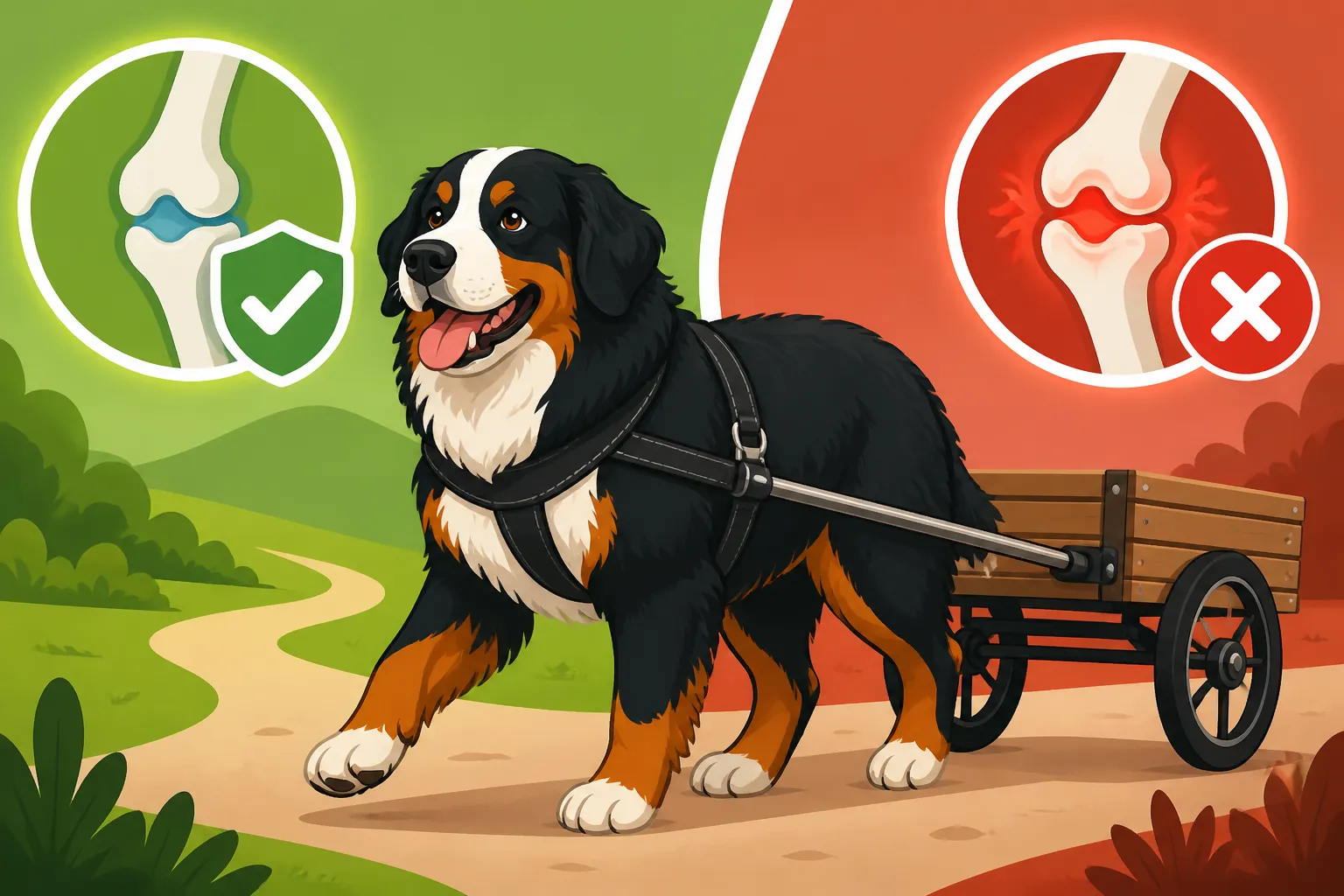
When done correctly, draft work for a Bernese Mountain Dog is less about brute, uncontrolled straining and more about a measured, deliberate application of force. Think of it like this: a dog frantically pulling on a collar during a walk, choking and jerking against its neck, is straining. A dog calmly and steadily moving forward in a perfectly fitted draft harness, with a balanced cart rolling smoothly behind them, is working. The key difference is control, technique, and the distribution of effort. Proper draft training teaches a dog to lean into the harness, using their entire body weight and powerful hindquarters to initiate movement, rather than relying on a sudden, jerking pull that could injure the neck or shoulders. This distinction is crucial; it separates a potentially harmful activity from one that can be genuinely beneficial.
Weight Distribution and Muscular Engagement
A high-quality draft harness is specifically designed to distribute the load across the dog's chest and shoulders, avoiding pressure on the throat, spine, and delicate hip joints. Unlike a standard walking harness, which might have attachment points near the shoulders or even on the back, a draft harness ensures the pulling force is spread over a wide, muscular area. When a Bernese Mountain Dog engages in draft work with proper form, they are actively using and strengthening their core muscles, back muscles, and the powerful musculature of their hindquarters. This isn't just about moving a cart; it's about building and maintaining a strong, supportive framework around their joints. Consistent, controlled muscle engagement can improve joint stability, circulation, and even nutrient delivery to cartilage, potentially acting as a protective factor rather than a damaging one. It’s all about building that strength gradually and mindfully. Building a Bernese Mountain Dog's Fitness for Draft Work correctly is paramount.
The Benefits Beyond the Physical
Beyond the direct physical impact on joints, draft work offers a wealth of mental and emotional benefits that are especially valuable for a breed like the Bernese Mountain Dog. These dogs were bred to be working companions, and they thrive on having a job to do. Draft work taps into their innate desire to be useful, providing significant mental stimulation and a sense of purpose.
Engaging in this structured activity can reduce boredom, decrease destructive behaviors at home, and foster a deeper bond between dog and owner. For many Berners, the sheer joy of working alongside their human, of understanding and executing commands, is palpable. This purposeful activity, when properly managed, contributes to their overall well-being, leading to a happier, more fulfilled dog. A mentally satisfied dog is often a calmer, more trainable dog, which indirectly benefits their physical health by reducing stress-related behaviors that might otherwise lead to injury. It’s an activity that honors their heritage and provides an outlet for their intelligence and strength.
Implementing Safe Draft Work Practices to Protect Joints
If you're considering draft work for your Bernese Mountain Dog, understanding how to do it safely is paramount. It’s not just about getting a harness and a cart; it’s a commitment to proper training, equipment, and environmental awareness.
Age-Appropriate Start and Gradual Conditioning
This is perhaps the single most critical factor in protecting your Bernese Mountain Dog's joints. Never, ever rush the process. A Berner should not begin any serious draft work until their growth plates have fully closed, which typically occurs between 18 and 24 months of age. Starting earlier can cause irreparable damage to still-developing joints. Even then, the introduction should be incredibly gradual.
Begin with just the harness, letting them wear it around the house and yard to get comfortable. Then, attach very light objects, like an empty bucket, allowing them to drag it without feeling significant resistance. Once they understand the concept, you can slowly introduce the cart, initially empty, on flat, easy terrain for very short periods. Think minutes, not hours. Over weeks and months, you can slowly increase the duration and then the weight, always watching for any signs of fatigue or discomfort. This slow, deliberate conditioning builds muscle, strengthens connective tissues, and allows their body to adapt without undue stress. Rushing this stage is a direct path to potential injury. For more on this, check out The Age a Bernese Mountain Dog Can Start Drafting.
Equipment That Makes a Difference
The right equipment isn't just a convenience; it's a safety necessity. A purpose-built draft harness is non-negotiable. These harnesses are designed with wide, padded straps that sit well behind the dog's shoulders, distributing pressure evenly across the sternum and sides of the chest, rather than digging into sensitive areas or placing strain on the neck or shoulders. Avoid using standard walking harnesses or collars for draft work, as they are not designed for the specific forces involved and can cause injury.
The cart itself also matters. Look for one that is lightweight for its size, has large, smoothly rolling wheels, and is well-balanced to prevent tipping. The shafts (the parts that connect to the harness) should be the correct length for your dog, allowing them to turn comfortably without the cart bumping into their hindquarters or pulling them off balance. Many specialty pet suppliers and online retailers like Amazon offer a range of draft harnesses and carts, but always prioritize fit and quality. Don't skimp here; it's an investment in your dog's health and safety. Understanding Choosing a Cart That Fits a Bernese Mountain Dog correctly will save you headaches and prevent injury.
Terrain, Load, and Environmental Considerations
Even with the best training and equipment, the environment in which your Bernese Mountain Dog performs draft work plays a huge role in joint protection. Always start and primarily work on flat, even terrain. Smooth dirt paths, mown grass, or paved surfaces without significant cracks or bumps are ideal. Uneven ground, steep inclines, or slippery surfaces can cause twisting, jarring, and increased strain on joints, especially when pulling a load.
Be realistic about the load your dog can pull. As a general guideline, a well-conditioned Bernese Mountain Dog can typically pull 2-3 times their body weight on flat terrain, but this is a maximum for experienced dogs. Beginners should start with much less, perhaps 10-20% of their body weight, and only slowly increase. The goal is to make it a comfortable, enjoyable pull, not a struggle.
Finally, always be mindful of the weather. Bernese Mountain Dogs, with their thick double coats, are highly susceptible to overheating. Draft work is strenuous, and doing it in hot or humid conditions can quickly lead to heat exhaustion or stroke, which is far more dangerous than any joint strain. Stick to cooler parts of the day, early mornings or late evenings, during warmer months, or avoid it altogether. The Temperature a Bernese Mountain Dog Stops Coping is much lower than you might think. For proper foundational training, especially when introducing new commands and concepts like carting, resources like BAXTER & Bella offer online puppy and dog training programs that can help you establish clear communication and reliable cues, making the introduction of draft work smoother and safer.
Monitoring for Joint Health and Knowing When to Pause
Even with the most meticulous planning, our Bernese Mountain Dogs can be incredibly stoic, often hiding discomfort until it becomes significant. This means it's up to us, their dedicated owners, to be vigilant observers and proactive advocates for their joint health.
Observing Your Bernese Mountain Dog for Subtle Signs of Discomfort
Your Bernese Mountain Dog communicates a lot through their body language and movement, if you know what to look for. After a draft session, or even in their daily life, pay close attention to any changes. Are they less enthusiastic about going for a walk, or do they seem reluctant to get up after lying down? Do you notice a subtle shift in their gait, perhaps a slight limp that comes and goes, or a reluctance to put full weight on one leg? Stiffness after periods of rest, especially in the morning, is a classic indicator of joint pain.
Watch how they move up and down stairs, get into a car, or even how they lie down – any hesitation or change in their usual smooth movements can be a red flag. Sometimes, they might lick a particular joint excessively or become unusually withdrawn or grumpy. Don't dismiss these as simply "getting old" or being "lazy." Berners are known to hide discomfort, and by the time they're overtly limping, the issue might be quite advanced. Understanding Signs a Bernese Mountain Dog's Hips Hurt can give you an idea of what to watch for specifically.
Regular Veterinary Check-ups and Proactive Care
Establishing a strong relationship with your veterinarian is foundational to managing your Bernese Mountain Dog's joint health. Regular check-ups, ideally twice a year as they age, allow your vet to assess their mobility, feel their joints, and catch potential issues early. Be open with your vet about your Bernese Mountain Dog's activities, including draft work, so they can offer tailored advice and monitor for specific concerns.
Proactive care also includes discussing joint supplements. While not a magic bullet, many owners find success with supplements containing glucosamine, chondroitin, and MSM, or omega-3 fatty acids, which can help support cartilage health and reduce inflammation. Your vet can recommend appropriate brands and dosages. Maintaining a healthy weight is also paramount; every extra pound puts more strain on already vulnerable joints. A lean Berner is generally a healthier Berner. Regular Screening an Older Bernese Mountain Dog can help identify problems before they become critical.
When to Seek Expert Advice or Take a Break
If you observe any persistent signs of discomfort, lameness, or a significant change in your Bernese Mountain Dog's willingness to work or play, it's time to pause and seek professional advice. Don't try to push through it or hope it gets better on its own. A simple muscle strain might resolve with rest, but a more serious joint issue could worsen without intervention.
Your regular veterinarian is the first point of contact, but they might recommend consulting a veterinary orthopedic specialist or a certified canine rehabilitation therapist. These experts can conduct more in-depth diagnostics, such as X-rays or MRI, and develop a specialized treatment plan, which might include anti-inflammatory medications, physical therapy, hydrotherapy, or even surgery. Remember, taking a break from draft work, even for an extended period, is far better than causing permanent damage. Your Berner's long-term comfort and well-being should always be the top priority.
Here's a quick summary of guidelines for joint-safe draft work:
| Aspect | Do's | Don'ts |
|---|---|---|
| Starting Age | Wait until 18-24 months (growth plates closed) | Start before two years of age |
| Training Pace | Introduce harness, cart, and weight very gradually | Rush conditioning; add too much weight too soon |
| Equipment | Use a properly fitted, purpose-built draft harness | Use a regular walking harness or collar for pulling |
| Terrain | Stick to flat, even, non-slippery surfaces | Work on uneven ground, steep hills, or slick surfaces |
| Load & Duration | Start with minimal weight for short periods; increase slowly | Overload the cart; push for long sessions with new dogs |
| Weather | Work in cool weather (early morning/late evening) | Draft in hot, humid, or extremely cold conditions |
| Monitoring | Watch for subtle signs of discomfort, stiffness, changes in gait | Ignore limping, reluctance to move, or behavioral changes |
| Veterinary Care | Regular vet checks, discuss joint supplements | Neglect routine vet visits; assume all pain is "normal" aging |
In conclusion, the question of whether pulling a cart hurts a Bernese Mountain Dog's joints isn't a simple yes or no. With a deep understanding of their unique physiology, a commitment to age-appropriate training, the right equipment, careful environmental management, and vigilant monitoring, draft work can be a wonderful, enriching experience for your Berner. Far from being detrimental, it can actually contribute to their overall muscle strength and mental well-being, enhancing their life rather than shortening it. It's about respecting their capabilities and ensuring every pull is a joyful expression of their heritage.
Disclaimer
This article is for general informational purposes only and does not constitute professional advice. Laws, prices and regulations vary by location and change over time. Consult a qualified professional for guidance on your specific situation.