Whether a Bernese Mountain Dog Cares About Toys
It’s a common scene in many dog-owning households: a flurry of squeaky toys, tug ropes, and bouncy balls scattered across the living room floor, eagerly awaiting their canine companion's attention. But if you're a Bernese Mountain Dog owner, or considering becoming one, you might have noticed that your magnificent, gentle giant doesn't always live up to the stereotype of the toy-obsessed retriever. Many Berner parents find themselves wondering if their dog just isn't interested in playing with toys, or if they're simply approaching play in a way that doesn't quite click with their unique personality. This guide is here to shed some light on the Bernese Mountain Dog's relationship with toys, offering insights into their natural play styles and practical tips to engage them in a way that truly resonates with their big, beautiful hearts.
The Bernese Mountain Dog's Natural Play Style
Bernese Mountain Dogs are, by nature, quite distinct from many other breeds when it comes to play. They weren't bred for endless rounds of fetch or the relentless pursuit of a squeaky squirrel. Instead, their historical roles on Swiss farms fostered a different kind of temperament and set of interests, which certainly influence their approach to toys and play today. Understanding these foundational traits is key to unlocking a more fulfilling play experience for both you and your Berner.
Not Your Typical Fetch-Obsessed Dog
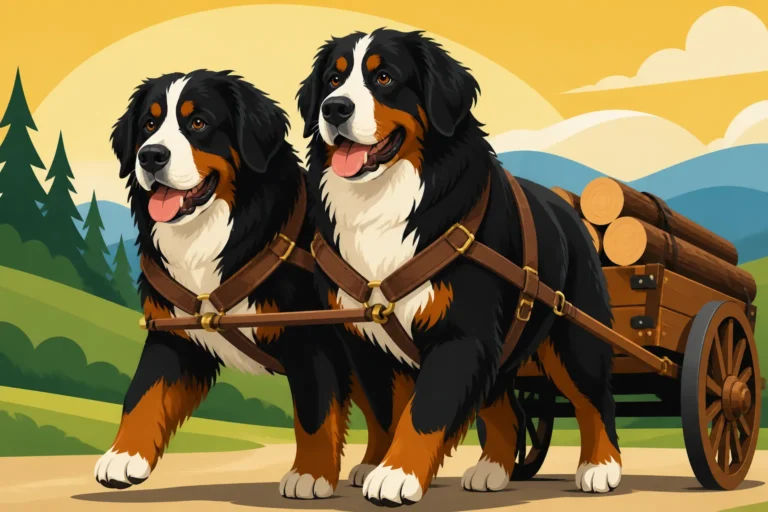
If you're expecting a Bernese Mountain Dog to be a fetch-a-holic like a Labrador or a Border Collie, you might find yourself a little disappointed. These breeds often have a strong retrieve drive, stemming from generations of working alongside humans in hunting or herding roles. Berners, however, were more about power, presence, and companionship. They pulled carts, guarded property, and spent time with their families. This background means their play often isn't centered around the high-intensity, repetitive actions that define "fetch" for other dogs.
For a Berner, a thrown ball might be retrieved once or twice out of politeness or a momentary burst of energy, but the enthusiasm often wanes quickly. It's not that they dislike the activity entirely, but rather that it doesn't tap into their core motivations in the same way it does for other breeds. They tend to be more deliberate, sometimes even a little bit lazy, preferring comfort and closeness over extended physical exertion, especially as they get older. Don't take it personally if your Berner looks at you with a benevolent gaze, as if to say, "You threw it, you go get it!" They simply often have a different idea of what constitutes fun.
A Preference for Interaction Over Independent Play
One of the most defining characteristics of a Bernese Mountain Dog's play style is their strong preference for interaction. Berners are profoundly social creatures, deeply bonded with their human families. For them, play isn't just about the toy itself; it's about the shared experience with their beloved people. A toy sitting untouched on the floor might hold little appeal, but that same toy suddenly becomes fascinating when you pick it up and invite them to play.
This means that independent play sessions, where your Berner entertains themselves with a pile of toys, are less common. They thrive on connection, and their play reflects that. They might bring you a toy, not necessarily for you to throw it, but as an invitation for you to engage with them. They want to be part of what you're doing. This preference for interactive play extends to their training as well; they often respond best when they feel like they are working with you, rather than just performing commands. This collaborative spirit is central to their being. If you find your Bernese Mountain Dog isn't interested in toys, it might be that they're waiting for you to join the fun. This also speaks to their inherent desire to be near you, often seen in behaviors like "the Berner lean" or following you from room to room. Their affection is often expressed through this constant, gentle presence.
Types of Toys That Resonate with Berners
Given their unique personality and physical attributes, not all dog toys are created equal for a Bernese Mountain Dog. Their large size, powerful jaws, and often more thoughtful play style mean that certain types of toys are far more likely to capture and hold their interest. Investing in the right kind of toys can make all the difference in encouraging play and providing appropriate mental and physical stimulation for your Berner.
Durable Chew Toys for Gentle Giants
Berners, while often described as gentle, are still large, powerful dogs with strong jaws. This means that flimsy plush toys or easily destroyed plastic items usually won't stand a chance. The market is full of toys that promise durability, but for a Bernese, you really need to look for materials known for their toughness. Brands often offer "power chewer" or "extreme durability" lines, and these are usually a good starting point. Think hard rubber, dense nylon, or even natural options like large, robust antlers (though always supervise with antlers to prevent tooth damage).
Chewing is a natural, stress-relieving activity for dogs, and for a Berner, a good chew toy can provide hours of quiet enjoyment. It helps maintain dental health, and it gives them an appropriate outlet for their oral fixation, especially for A Bernese Mountain Dog Puppy Biting in Play. When choosing, consider the size and weight of the toy—it needs to be substantial enough that it can't be accidentally swallowed or quickly demolished. Look for items that can be cleaned easily, as Berner slobber is a real thing! You might find a good selection of durable chew toys on Amazon, specifically designed for larger breeds, that can withstand their powerful jaws.
Puzzle Toys and Scent Work
While not always driven by high-energy physical games, Bernese Mountain Dogs are intelligent and appreciate a mental challenge. This is where puzzle toys and scent work really shine. Puzzle toys, which require the dog to manipulate parts to release treats, can be incredibly engaging. They tap into a dog's natural foraging instincts and offer a rewarding mental workout without requiring extensive physical exertion. These can range from simple treat-dispensing balls to more complex contraptions with sliding panels and compartments.
Scent work is another fantastic way to engage your Berner's mind. Their noses are incredibly powerful, and giving them a "job" to do using their sense of smell can be deeply satisfying for them. This could be as simple as hiding treats around the house or yard and encouraging them to sniff them out, or you could invest in snuffle mats or specialized scent work kits. Teaching your Berner to A Bernese Mountain Dog That Will Not Come When Called might involve using high-value treats hidden for them to find. These activities not only provide mental stimulation but also build confidence and strengthen your bond as you work together. Just remember, these activities, like Training Sessions Short Enough for a Bernese Mountain Dog, should be kept fun and positive.
Tug and Flirt Poles: Interactive and Physical Outlets
For Berners who do enjoy a bit more physical play, interactive toys like tug ropes and flirt poles can be excellent choices. Tug-of-war is a fantastic game that builds confidence, provides a good physical workout, and strengthens the bond between dog and owner. It's crucial, however, to establish clear rules: the game starts and stops on your command, and your Berner must release the toy when asked. This reinforces your leadership and keeps the game safe and fun. Given the size of a Bernese Mountain Dog, a robust tug toy is essential, one that you can hold onto comfortably and that won't shred easily.
Flirt poles, which are essentially a long stick with a lure attached to a rope, can also be a hit. They mimic prey movement, encouraging chasing and pouncing, but allow you to control the speed and direction of the lure, providing a good cardio workout without excessive strain on your Berner's joints. This is especially important for a breed prone to joint issues. It's a great way to let them expend some energy in short bursts, which is often their preferred mode of exercise rather than sustained, high-impact activities. Remember that their joints are precious, and activities like Whether Pulling a Cart Hurts a Bernese Mountain Dog's Joints should always be considered carefully.
Table: Popular Toy Types for Bernese Mountain Dogs
| Toy Type | Description | Benefits for Berners | Considerations |
|---|---|---|---|
| Durable Chew Toys | Hard rubber, nylon, or natural chews (e.g., antlers, large bones). | Satisfies natural chewing instinct, dental health, stress relief. | Must be appropriately sized and durable; supervise natural chews for safety. |
| Puzzle Toys | Food-dispensing toys, snuffle mats, interactive puzzles. | Mental stimulation, problem-solving, independent engagement. | Start with easier puzzles; ensure toy is sturdy enough to avoid quick destruction. |
| Tug Ropes | Thick, braided ropes or rubber tugs. | Interactive play, physical exercise, bond building. | Teach "drop it" command; choose strong, washable materials. |
| Flirt Poles | Long wand with a lure on a rope. | Engages prey drive, controlled exercise, good for short bursts. | Use in open spaces; avoid excessive jumping or sharp turns to protect joints. |
| Scent Games | Hidden treats, scent kits. | Mental stimulation, builds confidence, uses natural instincts. | Can be done anywhere; requires minimal equipment; highly engaging for most Berners. |
Encouraging Play and Bonding with Your Bernese Mountain Dog
So you've got the right toys, but your Berner is still giving you the "why bother?" look. Don't despair! Encouraging a Bernese Mountain Dog to play with toys often requires a slightly different approach than with more intrinsically toy-motivated breeds. It's less about the toy itself and more about the context, the interaction, and making it a shared, positive experience.
Making Play a Shared Experience
This is perhaps the most critical aspect of encouraging a Berner to engage with toys. As we discussed, they are deeply people-oriented dogs. For many Bernese Mountain Dogs, a toy is merely a prop in a game of "let's do something fun together." If you just toss a toy and expect them to entertain themselves, you'll likely be met with indifference. Instead, get down on their level, use an excited voice, and actively participate.
For example, instead of just throwing a ball, wiggle it enticingly, make it "dance," or even pretend to chase it yourself. If it's a tug toy, initiate a gentle tug, growl playfully, and make it a back-and-forth interaction. Think of yourself as the chief entertainer and playmate. This shared activity reinforces your bond and makes the toy itself far more appealing. Consider online dog training platforms like BAXTER & Bella which often emphasize positive reinforcement and interactive play methods, offering ideas that can be adapted for a Berner's unique personality. These resources often provide structured ways to build engagement, which can be invaluable when trying to coax a more reserved Berner into playful interactions.
Introducing Toys Mindfully
Sometimes, a Bernese Mountain Dog might seem uninterested in toys because they simply haven't had the right introduction or positive association. This is especially true if you've adopted an older Berner who might not have had much exposure to play in their previous life. Patience is key here.
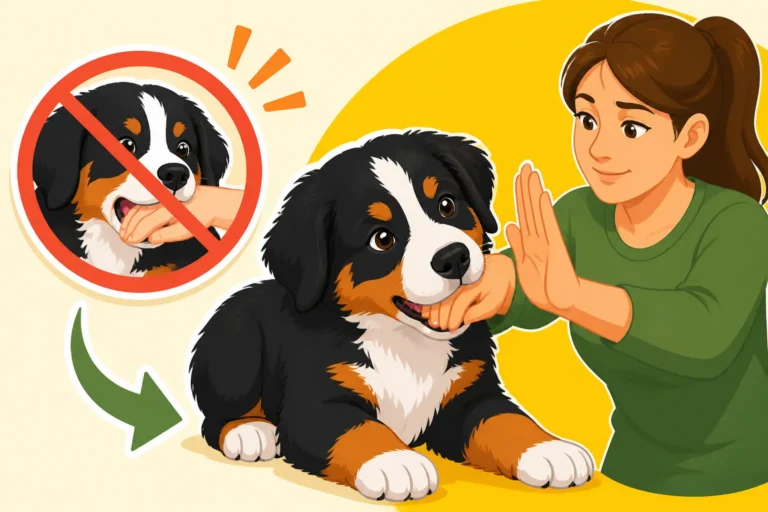
Start by introducing toys in a low-pressure environment. Don't force interaction. Simply have the toy present when you're spending calm, positive time together, like during a petting session. Let them sniff it, mouth it, or ignore it. Over time, you can add gentle encouragement. Rub the toy on yourself, or put a high-value treat on it to spark interest. When they do show even a flicker of curiosity, reward them lavishly with praise or a tiny treat. For puppies, particularly during The Bernese Mountain Dog Adolescent Stage, toys can be a great way to redirect nipping and channel their boundless energy. Make sure the toys are part of a positive routine, not just something you bring out when you want to distract them. This consistent, positive association will gradually build their interest.
Managing Expectations and Understanding Individual Differences
It's vital to remember that every Bernese Mountain Dog is an individual. While many share common breed traits, there will always be variations in personality and preferences. Some Berners will surprise you by being quite toy-motivated, while others will remain relatively indifferent, preferring cuddles, walks, or simply lying at your feet. And that's perfectly okay!
Don't compare your Berner to other breeds or even other Berners you might know. If your dog isn't particularly into toys, there are still countless ways to engage their mind and body. Long, leisurely walks, gentle grooming sessions, learning new tricks (which they often enjoy if it's collaborative, as they respond well to What a Bernese Mountain Dog Will Actually Work For), or simply enjoying quiet time together are all valuable forms of interaction and enrichment. Some Berners find great joy in The Half-Mile Freight Haul in a Bernese Mountain Dog Test, which is a completely different kind of "play" that taps into their working heritage.
The most important thing is to meet your Bernese Mountain Dog where they are, understanding their unique needs and preferences. If they genuinely prefer a good snuggle on the couch to a game of tug, embrace that. The goal isn't to force them into a play style that doesn't suit them, but to find activities that they truly enjoy and that strengthen the incredible bond you share. Ultimately, their happiness and your connection are what truly matter.
Disclaimer
This article is for general informational purposes only and does not constitute professional advice. Laws, prices and regulations vary by location and change over time. Consult a qualified professional for guidance on your specific situation.