Whether a Bernese Mountain Dog Learns Slowly
It's a common question, and one many Bernese Mountain Dog owners find themselves pondering: "Are Berners slow learners?" You might have heard whispers of stubbornness or seen your fluffy companion take their sweet time to grasp a new command, and it can certainly be a source of frustration. But let's be real – often, what looks like slowness is actually a combination of their unique temperament, a dash of selective hearing, and sometimes, our own training approach needing a little tweak. This guide is all about diving deep into how Bernese Mountain Dogs learn, why they might seem a bit ponderous at times, and most importantly, how to tailor your training to help your beloved Berner thrive.
Understanding the Bernese Mountain Dog's Unique Learning Pace
When we talk about whether a Bernese Mountain Dog learns slowly, it's really about understanding their inherent characteristics. These magnificent dogs aren't built for lightning-fast obedience drills in the same way some other breeds might be. Their history as farm dogs in the Swiss Alps, working alongside people rather than being solely driven by commands, has shaped a dog that thinks for itself and values a calm, considered approach.
Sensitivity Over Stubbornness: A Matter of Approach
One of the biggest misconceptions about Berners is that they are stubborn. While they certainly can develop a strong sense of "what's in it for me?" when a task feels tedious, their perceived stubbornness is often a reflection of their deep sensitivity. These are dogs who absolutely hate being corrected harshly. A sharp tone, a frustrated sigh, or a physical correction can cause a Bernese Mountain Dog to shut down completely. Instead of processing what you want them to do, they become withdrawn, anxious, or simply refuse to engage. It's a bit like trying to teach a shy child in a loud, aggressive classroom – they're not unintelligent, they're just overwhelmed and unwilling to participate under duress.
For Berners, positive reinforcement isn't just a preferred method; it's practically the only effective one. They want to please you, truly, but they need to feel safe and motivated to do so. If you find your Berner "quitting" or giving you the cold shoulder mid-session, it’s a strong signal that your approach might be too heavy-handed. Building trust and making the learning process a positive experience is paramount. When you reward their efforts with tasty treats, enthusiastic praise, or a fun game of tug, you'll see a completely different dog – one who is eager to engage and genuinely tries to figure out what you're asking. Forget everything you might have heard about traditional dominance training; with a Bernese, it’s all about gentle guidance and making them feel like a valued partner. This sensitivity is precisely why The Bernese Mountain Dog That Quits After One Correction is such a common experience for owners.
The Extended Puppyhood: Patience is a Virtue
Another critical factor in a Bernese Mountain Dog's learning pace is their maturation rate. Unlike many smaller breeds that hit adulthood by 12-18 months, Berners are known for their extended puppyhood. They often don't truly mature mentally until they are two, or even three, years old. Imagine trying to teach calculus to a first grader – they might be bright, but their brain simply isn't developed enough for complex abstract concepts. Similarly, a physically imposing two-year-old Bernese might still have the attention span and impulse control of a much younger dog.
This delayed maturation means you need to adjust your expectations. While they might be physically enormous, they are still puppies at heart, with all the associated bursts of energy, distractibility, and occasional goofy lapses in judgment. This isn't a flaw; it's just part of the breed. When you understand that Why a Bernese Mountain Dog Stays a Puppy Until Three years old, you can approach their training with more patience and realism. You'll likely need more repetitions, shorter sessions, and a greater understanding that some lessons might take longer to stick. Don't compare your Berner's progress to a neighbor's Border Collie; celebrate their own unique journey and allow them the time they need to grow into their minds and bodies.
Decoding "Slow Learning" in a Bernese Mountain Dog
Sometimes, what appears as slow learning isn't slowness at all, but rather a misinterpretation of your Berner's motivations or an underestimation of the environment's impact on their focus. These are intelligent dogs, but their intelligence often manifests differently than in breeds known for high-drive obedience.
Motivation Matters: What Drives a Berner
For a Bernese Mountain Dog, if the task isn't rewarding enough, they simply aren't going to put in the effort. It's not defiance; it's an economic decision on their part. Why work hard for a dull, crumbly biscuit when a sniff of that interesting bush or a cuddle with their favorite human is right there? To them, a treat isn't just a treat; it's a measure of how important this exercise truly is. If you're using low-value rewards, you're essentially asking them to work for minimum wage when they know they could be earning a bonus.
This means you need to figure out What a Bernese Mountain Dog Will Actually Work For. For many Berners, it’s high-value, soft, smelly treats – think bits of cheese, cooked chicken, or liver pate. Some might be motivated by a favorite toy or a quick game of fetch, but for sustained attention in early training, food is often king. Don't be shy about using really good stuff, especially when introducing new concepts. Once the behavior is learned, you can gradually reduce the value and frequency of rewards. Consider also what they love intrinsically; if it's being close to you, use that closeness as a reward too. A cheerful "Good dog!" followed by a gentle scratch behind the ears can be just as potent as a treat once they understand the connection.
The Importance of Environment and Distraction Management
Imagine trying to concentrate on a complex task in the middle of a bustling carnival. That's often what training feels like for a Bernese Mountain Dog if the environment isn't carefully managed. These dogs love their families and their surroundings, and they can be incredibly observant. A squirrel running across the yard, a new smell on the breeze, or even just another family member walking into the room can be a huge distraction. What you see as a simple command, they might perceive as background noise to a more interesting world.
Their natural inclination to be near their people, often manifesting as the endearing "Berner lean" or shadowing behavior, can also be a double-edged sword during training. While it's lovely to have them so close, it can make it harder for them to focus on the task at hand rather than just soaking up your presence. Starting training in a quiet, distraction-free environment, like a calm room in your home, is crucial. As your Berner starts to understand the cues, gradually introduce minor distractions, slowly building up their ability to concentrate in more stimulating environments. If you’re wondering How Long a Bernese Mountain Dog Will Concentrate, the answer is often "not very long" in a high-distraction setting until they've had a lot of practice. Break down tasks into tiny steps, celebrate every flicker of attention, and remember that building focus is a skill that takes time and careful layering.
Effective Training Strategies for Your Bernese Mountain Dog
Understanding your Bernese Mountain Dog's nature is the first step; the next is implementing strategies that play to their strengths and mitigate their challenges. It’s all about creating a positive, engaging, and consistent learning experience.
Short, Sweet, and Consistent Sessions
One of the most critical elements for training a Bernese Mountain Dog successfully is keeping your training sessions short, frequent, and engaging. As we've discussed, their attention spans, especially in their younger years, aren't endless. Trying to push through a 30-minute session will likely result in a frustrated owner and a checked-out Berner. Instead, aim for bursts of training that last anywhere from 5 to 10 minutes, several times a day. These mini-sessions are much more effective because they end before your dog gets bored or overwhelmed, leaving them wanting more.
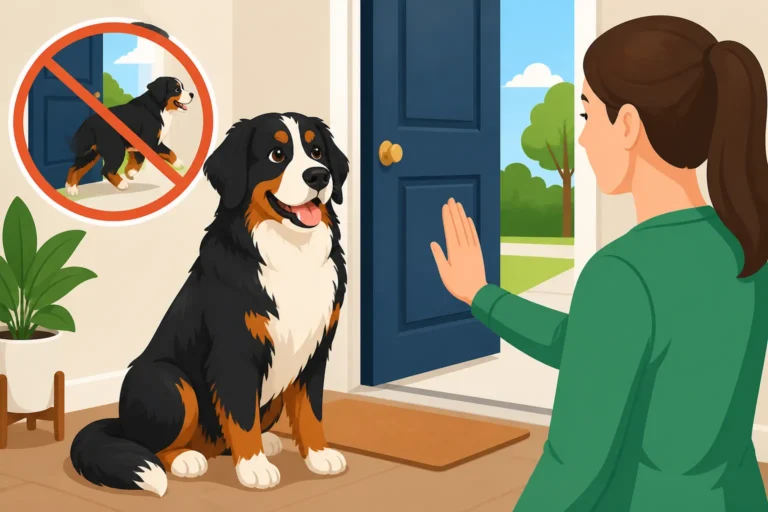
Consistency is the golden rule here. It's not enough to train for 10 minutes once a week. Incorporate training into your daily routine. Practice "sit" before dinner, "stay" before opening the door, or Teaching a Bernese Mountain Dog to Stay on a Mat while you're working. Every interaction is a training opportunity. Repetition over time, rather than intense, lengthy sessions, is what truly solidifies behaviors in a Berner's mind. When the lessons are short and consistently reinforced, they become ingrained habits that last a lifetime. Think of it like building a house brick by brick; each small, well-placed brick contributes to a strong, stable structure. This approach is precisely why Training Sessions Short Enough for a Bernese Mountain Dog are so vital to their success.
Tools and Resources to Aid Learning
Beyond your approach, the right tools and resources can make a world of difference in your Berner's training journey. Investing in quality equipment and educational support can smooth out many common bumps in the road.
For instance, when it comes to Leash Manners on a Hundred Pound Bernese Mountain Dog, a traditional neck collar can put immense pressure on their trachea and often doesn't give you the leverage needed to guide such a large, powerful dog without discomfort for either of you. A front-clip harness, easily found on platforms like Amazon, is a game-changer. It redirects your dog's pulling power back towards you, making it uncomfortable for them to pull forward, and encourages them to walk beside you. This gentle correction avoids the pain and potential damage of a neck collar and keeps the experience positive.
Structured online programs or local puppy classes can also provide invaluable guidance. Services like BAXTER & Bella offer comprehensive online puppy training programs that walk you through everything from house-training to basic obedience, using positive reinforcement methods specifically designed for all dog breeds, including the gentle giants. These programs provide step-by-step instructions, video demonstrations, and often access to trainers for personalized advice, which can be particularly helpful if you're a first-time Berner owner or need a structured plan. They can help ensure you’re building a strong foundation, especially crucial during those crucial early months.
Here’s a quick comparison of effective versus less effective training approaches for Bernese Mountain Dogs:
| Training Aspect | Effective Approach for Berners | Less Effective Approach for Berners |
|---|---|---|
| Motivation | High-value treats, enthusiastic praise, interactive play. | Low-value treats, generic praise, no play. |
| Corrections | Redirect, ignore unwanted behavior, gentle verbal cues. | Harsh verbal corrections, physical punishment, leash jerks. |
| Session Length | 5-10 minute frequent sessions, multiple times a day. | Long, infrequent sessions (30+ minutes). |
| Environment | Start in quiet, distraction-free areas, gradually add distractions. | Training in highly stimulating environments from the start. |
| Patience Level | High patience, understanding of slow maturation. | Expecting rapid learning, easily frustrated. |
| Consistency | Daily reinforcement, integrating training into routine. | Sporadic training, inconsistent commands. |
| Relationship | Building trust, partnership, making it fun. | Authoritarian, demanding immediate compliance. |
Setting Realistic Expectations and Fostering a Strong Bond
Ultimately, training a Bernese Mountain Dog isn't just about teaching commands; it's about building a deep, lasting relationship based on mutual understanding and respect. Their learning pace might require more patience, but the rewards are immeasurable.
Patience as the Ultimate Virtue
If there’s one word to describe what you need when training a Bernese Mountain Dog, it’s patience. Understand that this is a marathon, not a sprint. Some concepts might click quickly, while others might take weeks or even months of consistent practice. Don't get discouraged if your Berner seems to "forget" a command they knew perfectly yesterday. It happens, especially with young, large breed dogs still developing their cognitive functions. Celebrate the small victories – the one time they didn't pull on the leash, the momentary eye contact they gave you in a distracting environment, the successful How Long House Training Takes a Bernese Mountain Dog journey. Each tiny step forward is progress.
Focus on building confidence and making every interaction positive. Your Berner wants to be with you and be part of your world. By approaching training with a calm, understanding, and consistent demeanor, you reinforce that bond. It's in these moments of shared effort and gentle guidance that the true partnership between you and your Bernese Mountain Dog flourishes. Don't fret if A Bernese Mountain Dog That Refuses to Move occasionally; it's an opportunity to re-evaluate your approach, not to get frustrated.
Socialization and Continuous Learning
Training doesn't stop once your Bernese Mountain Dog knows basic commands. Early and ongoing socialization is absolutely vital for a well-adjusted Berner. Exposing your puppy to a wide variety of sights, sounds, people, and other friendly dogs in a positive and controlled manner helps them grow into confident, calm adults. A poorly socialized Berner, despite their gentle nature, can become fearful or overly reserved, making future training and daily life more challenging. This is especially true for Socializing a Reserved Bernese Mountain Dog Puppy, where careful, positive exposures are key.
Even after they're adults, continuous, low-pressure training keeps their minds engaged and reinforces good habits. Attend advanced obedience classes, try a fun dog sport like carting (draft work), or simply keep practicing their known commands in new environments. Just as with humans, continued learning keeps a dog's mind sharp and reinforces good behavior. This ongoing engagement further strengthens your bond and helps your Bernese Mountain Dog remain a joyful, cooperative member of your family for their entire, albeit sometimes too short, life.
Disclaimer
This article is for general informational purposes only and does not constitute professional advice. Laws, prices and regulations vary by location and change over time. Consult a qualified professional for guidance on your specific situation.