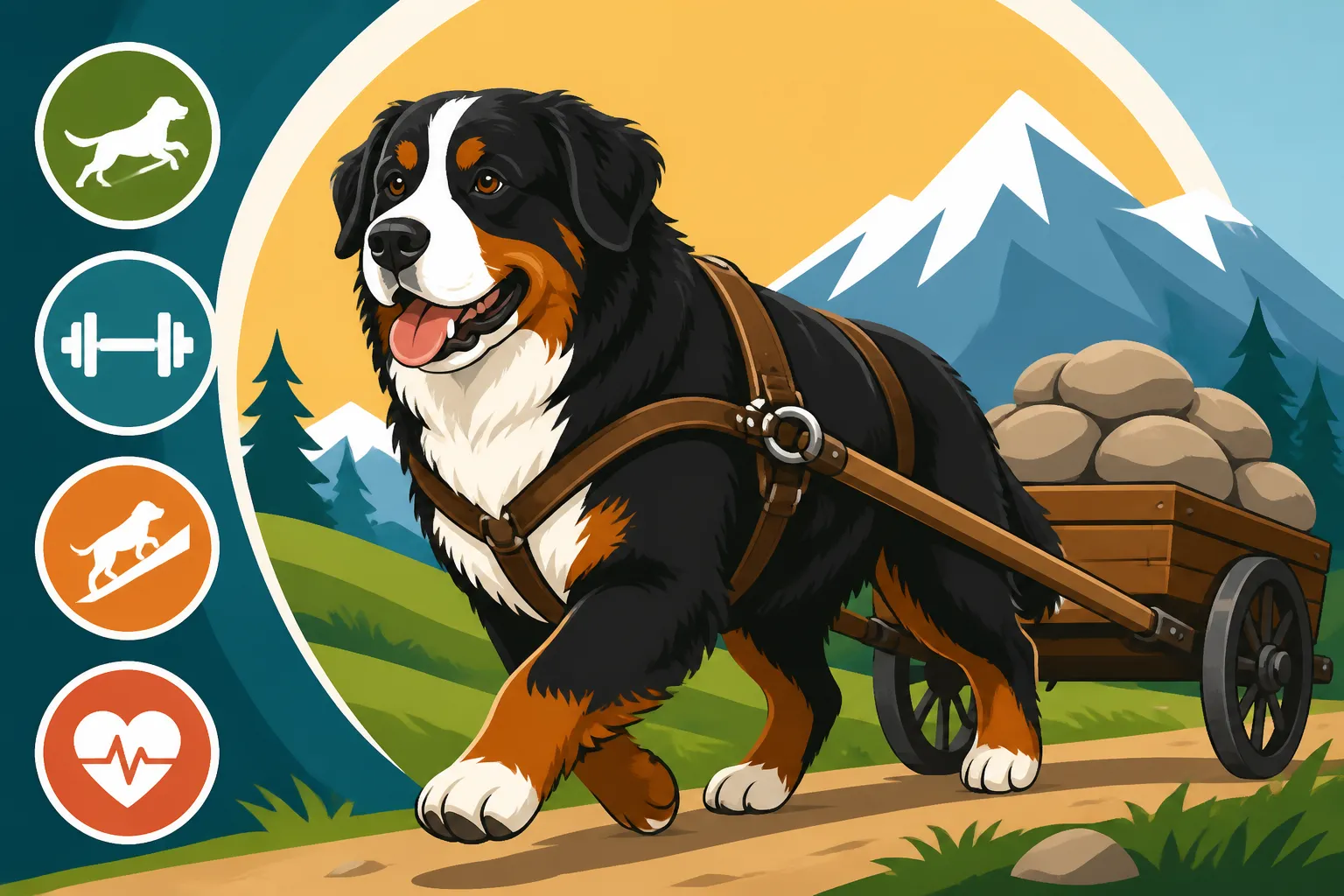
Building a Bernese Mountain Dog’s Fitness for Draft Work
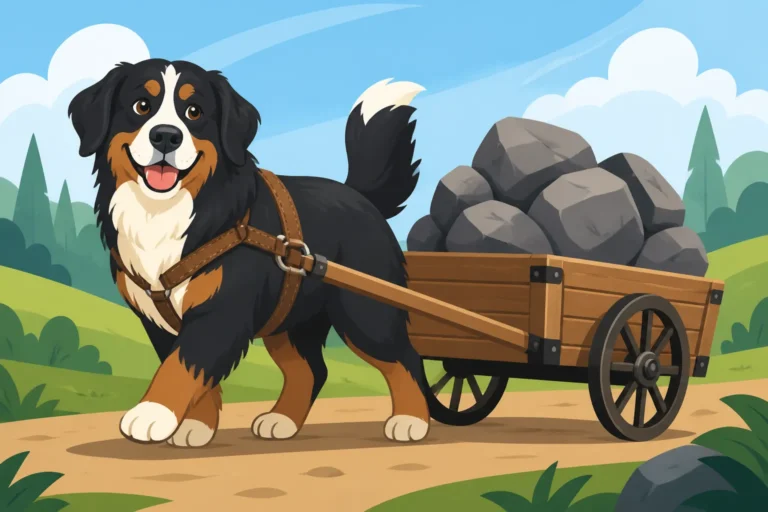
It's such a wonderful dream for many Bernese Mountain Dog owners to engage in draft work, seeing our beautiful giants pull a cart with purpose and pride. However, preparing a large, often slow-to-mature dog for such physically demanding activity requires a thoughtful, gradual approach to ensure their safety and long-term health. This guide is all about building your Bernese Mountain Dog's fitness in a way that’s effective, kind, and respects their unique physical development, setting them up for success and enjoyment in this rewarding sport.
Understanding the Physical Demands of Draft Work
Before we even think about harnesses and carts, it's crucial to understand what draft work truly asks of our Berners. It's not just about brute strength; it's a full-body workout that requires specific muscle development, stamina, and coordination. Rushing into it without proper conditioning can lead to injuries and discomfort, which is the last thing any loving Berner parent wants.
The Core Muscle Groups Involved
When a Bernese Mountain Dog pulls a cart, they're engaging far more than just their legs. Their entire posterior chain—the muscles along their back, hindquarters, and thighs—are working hard to generate propulsion. At the same time, their core muscles, running along their abdomen and spine, are vital for stabilizing their body and transmitting power efficiently from their hind legs through to the harness and cart. Imagine trying to pull something heavy if your core felt like jelly; you'd wobble, strain your back, and quickly tire out. It's no different for our dogs. Strong shoulders and chest muscles are also essential for absorbing the initial shock and maintaining balance, especially when navigating turns or uneven terrain.
What this means for us, as owners, is that we need to think beyond just "strong legs." Our Berners, known for their substantial build and sometimes slower gait, can be prone to joint issues, especially in their hips and elbows. Joint Disease in a Hundred Pound Bernese Mountain Dog Building robust muscle support around these critical joints through targeted fitness helps to protect them, distributing the load more effectively and reducing strain. This foundational strength also improves their overall body awareness and coordination, which is critical when they're maneuvering a cart.
Cardiovascular Stamina for Sustained Effort
Draft work isn't usually a quick sprint; it often involves sustained pulling over a distance, whether it's for a draft test, a parade, or just hauling firewood around the yard. This kind of activity demands good cardiovascular stamina. Our Berners, with their thick double coats and often relaxed demeanor, aren't built for marathons, especially in warmer climates. They can overheat surprisingly quickly. Heat and the Bernese Mountain Dog's Black Coat Therefore, conditioning their heart and lungs is just as important as building muscle.
Developing stamina means more than just longer walks; it involves consistent, moderate-intensity exercise that gradually increases in duration. This helps their body become more efficient at using oxygen and clearing waste products from their muscles, reducing fatigue. Without adequate cardiovascular fitness, a Berner might struggle to complete a task, become overly winded, or even be at risk of heat stress, which is something we absolutely want to avoid. The goal is a steady, rhythmic pace that they can maintain comfortably, without gasping or showing signs of exhaustion.
Gradual Conditioning: Slow and Steady Wins the Race
The key to successful and safe draft work conditioning for your Bernese Mountain Dog is patience and a carefully planned, gradual approach. Remember, our Berners mature slowly, both physically and mentally. Pushing them too hard, too fast, can do more harm than good, potentially causing long-term joint damage or making them resentful of the activity. We're building an athlete, not forcing a taskmaster.
Starting with Basic Obedience and Body Awareness
Before any equipment even enters the picture, your Berner needs a solid foundation in basic obedience and a good understanding of their own body. Commands like "walk on," "stop," "stay," and "wait" are absolutely non-negotiable for safety and control when they're hitched to a cart. Imagine trying to stop a hundred pounds of dog and cart if they suddenly decided to chase a squirrel! Leash Manners on a Hundred Pound Bernese Mountain Dog A strong recall is also vital, especially during off-harness conditioning exercises. If you're looking for structured guidance, platforms like BAXTER & Bella offer comprehensive online training programs that can help you build these essential skills from the ground up, focusing on positive reinforcement which is crucial for sensitive Berners.
Beyond commands, body awareness exercises are incredibly beneficial. This means teaching your dog to understand where their feet are, how to navigate tight spaces, and how to use their hindquarters effectively. Simple exercises like walking over different textures (grass, gravel, pavement), stepping over low obstacles (like a broomstick on the ground), or weaving through cones can greatly improve their coordination and confidence. These activities engage their core, improve balance, and help them learn to use their body as a cohesive unit—all without putting any strain on their joints from pulling.
Incorporating Controlled Exercise
Once your Berner has a solid grasp of basic commands and body awareness, you can start to incorporate more structured, controlled exercise to build their physical fitness. Regular, moderate walks on varied terrain are a fantastic starting point. Aim for consistent durations rather than extreme distances. A good rule of thumb for a young, growing Berner is often the "five-minute rule" per month of age up to maturity, to protect their developing joints. For an adult, it's about building endurance without over-exertion.
Consider low-impact activities like swimming, which is excellent for building muscle and cardiovascular fitness without stressing joints. Many physical rehabilitation centers offer canine hydrotherapy pools, which can be an ideal, controlled environment. Hydrotherapy for an Arthritic Bernese Mountain Dog Even controlled sessions in a shallow, calm lake or pool can be beneficial. When they're ready, you can introduce extremely light resistance. This isn't with a cart yet! Think about simply having them wear a well-fitted, comfortable tracking harness (different from a draft harness) while on a walk, or attach a very light, empty plastic sled or tire (no weight) to the harness for a few minutes. The goal is to get them accustomed to the feeling of something behind them, not to actually pull weight. Keep these sessions short and positive, ending before they show any signs of fatigue.
The Role of Diet and Supplements
Proper nutrition is the bedrock of any fitness regimen, especially for a large breed like the Bernese Mountain Dog. Their diet needs to support their energy levels, muscle development, and joint health. Feeding an adult Bernese Mountain Dog safely means choosing a high-quality, large-breed formula that provides a balanced nutrient profile. Feeding an Adult Bernese Mountain Dog Safely Avoid overfeeding, as excess weight puts immense strain on their joints, making draft work not only harder but also significantly riskier. A lean Berner is a healthier Berner, particularly when preparing for physical tasks.
Joint supplements can also play a supportive role, although they are not a substitute for proper nutrition and gradual conditioning. Ingredients like glucosamine, chondroitin, and Omega-3 fatty acids are commonly used to support cartilage health and reduce inflammation. While they won't "fix" existing severe joint issues, they can be a proactive measure. Always discuss any supplements with your veterinarian, especially given the various options available on platforms like Amazon, to ensure they are appropriate for your individual dog's needs and health status. Joint Supplements in a Bernese Mountain Dog's Bowl
Progressive Training with Actual Draft Equipment
Once your Berner has a solid foundation of fitness, obedience, and body awareness, you can start the exciting transition to working with actual draft equipment. This phase still requires immense patience and a focus on positive experiences to build your dog's confidence and enthusiasm for pulling. Remember, we want them to enjoy this work.
Introducing the Harness and Cart
The first and most critical piece of equipment is a properly fitted draft harness. This is not the same as a walking harness! A draft harness is designed to distribute weight across the dog's chest and shoulders, allowing them to pull efficiently and comfortably without restricting their movement or putting undue pressure on their throat or spine. An ill-fitting harness can cause chafing, discomfort, and even injury. It's often worth seeking guidance from an experienced draft enthusiast or a professional trainer who specializes in draft work to ensure your harness fits perfectly. Fitting a Draft Harness to a Bernese Mountain Dog
Introduce the harness slowly, allowing your Berner to sniff it, wear it for short periods around the house, and associate it with positive things like treats or praise. Once they are comfortable with the harness, you can introduce the shafts, letting them get used to the feel of something at their sides. Finally, introduce the cart itself. Start with it unattached, letting them investigate it, then attach it to the harness while stationary, offering plenty of encouragement and high-value rewards. Take short, happy walks with an empty cart first, focusing purely on building their confidence and positive association. Don't rush this step; a fearful or uncomfortable dog will not make a good draft partner.
Increasing Weight and Duration Safely
Once your Berner is happy and confident walking with an empty cart, you can begin to gradually increase the weight. The golden rule here is slow and steady. Never pile on a lot of weight at once. Start with just a few pounds – a small bag of dog food, a couple of water bottles, or even a single brick. The idea is to incrementally challenge their muscles and stamina without causing strain or discomfort.
Monitor your dog closely during these sessions. Look for any signs of struggle, reluctance, changes in gait, or excessive panting. Keep sessions short initially, perhaps 5-10 minutes of actual pulling, followed by breaks. As their fitness improves, you can gradually increase both the weight and the duration of the pulling sessions. Always provide ample water and choose cooler times of day for training. How Much Weight a Bernese Mountain Dog Should Pull
Here's an example of a progressive approach:
| Phase | Activity | Duration / Weight | Focus |
|---|---|---|---|
| Foundation | Loose leash walking, varied terrain | 20-30 mins, 3-4 times/week | Stamina, body awareness, obedience |
| Pre-Harness | Wearing tracking harness (no pull) | 10-15 mins, daily | Comfort with gear |
| Light Pull | Harness + very light drag (e.g., tire) | 5-10 mins, empty, 2-3 times/week | Feeling of resistance, forward drive |
| Empty Cart | Harness + empty cart (short walks) | 10-15 mins, 2-3 times/week | Cart noise, maneuvering, turning |
| Weighted Cart | Harness + cart (gradually increasing weight) | 10-20 mins, light weight, 2-3 times/week | Building strength, stamina, confidence |
| Advanced | Increased weight/duration, varied terrain | 20-45 mins, moderate weight, 2-3 times/week | Endurance, sustained effort, advanced skills |
Remember, this is a general guideline. Every Berner is an individual, and their progression will depend on their age, fitness level, health, and enthusiasm. Pay attention to your dog's cues and adjust accordingly.
Recognizing Signs of Strain or Injury
Even with the most careful training, large dogs are susceptible to musculoskeletal issues. It's vital to be vigilant for any signs that your Bernese Mountain Dog might be experiencing strain or injury. These signs can be subtle, as dogs are often good at masking discomfort. Look for a slight limp, a reluctance to engage in activity they usually enjoy, a change in their usual gait (e.g., bunny hopping), or a decrease in their energy levels. They might also show stiffness after exercise, or react sensitively when you touch certain areas of their body. Whether a Bernese Mountain Dog Hides Discomfort
Excessive panting or drooling, especially in mild weather, could indicate overheating or over-exertion. Muscle soreness can manifest as a tucked tail, a hunched posture, or unusual stillness. If you notice any of these signs, stop the activity immediately. Give your dog a rest, and if the symptoms persist or worsen, it's crucial to consult your veterinarian. A vet can assess their condition, rule out any underlying issues, and advise on appropriate rest or treatment. Never push a dog through pain; it can lead to more serious, chronic problems and undermine their trust in you and their enjoyment of draft work. Regular check-ups, including discussions about their activity levels, are a good idea for any working dog. The Bernese Mountain Dog Health Panel
Long-Term Maintenance and Enjoyment
Building your Bernese Mountain Dog's fitness for draft work is just the beginning of a fulfilling journey together. Maintaining that fitness and ensuring their ongoing enjoyment of the activity are paramount. This isn't just about preparing for a single event; it's about a lifestyle that promotes their health and strengthens your bond.
Maintaining Peak Fitness Year-Round
Bernese Mountain Dogs, with their thick coats, are not well-suited for strenuous activity in hot weather. This means that year-round training, particularly for draft work, requires flexibility and creativity. During warmer months, shift your primary conditioning to early mornings or late evenings when temperatures are cooler. Focus on less intense activities like short, brisk walks on shaded trails, or continue with low-impact options like swimming. Exercising a Bernese Mountain Dog in Summer You might need to reduce or pause heavy carting altogether during the peak of summer to prevent overheating.
During cooler seasons, you can gradually increase the intensity and duration of your draft work sessions. However, remember that consistency is more important than extreme efforts. Regular, moderate exercise throughout the year will maintain your Berner's muscle tone, stamina, and joint flexibility. Consider incorporating other dog sports or activities that engage different muscle groups, such as scent work or even basic obedience practice with high-value treats (easily found on Amazon), to keep them mentally and physically stimulated. This cross-training can help prevent overuse injuries that might arise from repetitive tasks like constant pulling.
Beyond the Test: Enjoying Draft Work with Your Berner
While earning a draft title can be a wonderful accomplishment, the true joy of draft work lies in the partnership and shared experience with your Bernese Mountain Dog. Don't let the pressure of competition overshadow the fun. Many owners find immense satisfaction in simply having their Berner help out with household tasks, such as hauling gardening supplies, moving firewood, or even pulling a small wagon with groceries. This practical application of their natural instincts can be incredibly rewarding for both of you.
Keep training sessions positive, engaging, and always end on a high note. Training Sessions Short Enough for a Bernese Mountain Dog Use plenty of praise, treats, and affection to reinforce their efforts. If your Berner seems less enthusiastic one day, don't push it. Take a break, try a different activity, or simply enjoy a relaxing walk together. The goal is to build a dog who genuinely enjoys working alongside you, not one who feels coerced. The bond you forge through these shared activities will be far more valuable than any ribbon or title. And always remember to regularly consult with your vet about their health and joint status to ensure that pulling a cart remains a safe and enjoyable activity throughout their life. Whether Pulling a Cart Hurts a Bernese Mountain Dog's Joints
Disclaimer
This article is for general informational purposes only and does not constitute professional advice. Laws, prices and regulations vary by location and change over time. Consult a qualified professional for guidance on your specific situation.