Muzzling a Frightened Bernese Mountain Dog at the Clinic
Seeing your big, gentle Bernese Mountain Dog transform into a trembling, terrified bundle of nerves at the vet clinic is absolutely heartbreaking, and it leaves many of us feeling helpless and worried about their welfare. This guide is here to walk you through how to compassionately and effectively use a muzzle for a frightened Bernese Mountain Dog at the clinic, turning a stressful situation into one that's safer and more manageable for everyone involved.
Understanding Why Your Bernese Mountain Dog Becomes Frightened at the Vet
It’s easy to feel like you’ve done something wrong when your usually placid Bernese Mountain Dog becomes a stressed mess at the vet. But trust me, you haven't. These sensitive, intelligent dogs can develop strong aversions to the clinic environment for a multitude of reasons, and it's rarely about a lack of love or training on your part. Their sheer size often means that any fear they feel can quickly escalate into a difficult situation for veterinary staff and for you.
Bernese Mountain Dog Sensitivity and Early Experiences
Bernese Mountain Dogs are known for their sweet, affectionate, and often quite sensitive nature. They thrive on companionship and routine, and a sudden deviation from that, especially one involving strange smells, unfamiliar people, and potentially painful procedures, can be profoundly unsettling. A single negative experience, particularly when they were a young, impressionable puppy, can create a lasting impression. Imagine being poked and prodded, perhaps receiving a vaccination, all while being held down by strangers. For a sensitive Berner, this isn't just a fleeting discomfort; it can register as a traumatic event. This sensitivity means that while a bolder breed might shrug off a less-than-ideal puppy shot visit, a Berner might internalize it and develop a deep-seated fear.
They remember these things, often much more acutely than we give them credit for. It’s not uncommon for a Berner to be fine for a few visits, and then one particularly uncomfortable procedure triggers a strong negative association, and suddenly, every trip becomes a battle. This isn't stubbornness; it's genuine fear, and it can manifest as anything from shaking and panting to actively trying to escape or even showing defensive aggression. You might find yourself saying, "He was never like this before!" and that's often because a threshold was crossed, and their innate protective instincts kicked in when they felt vulnerable. Understanding this is the first step toward empathy and finding solutions that genuinely help your dog cope.
The Overwhelming Clinic Environment
Think about the vet clinic from your Bernese Mountain Dog's perspective. It's a sensory overload. The air is thick with the scent of antiseptic, but also the lingering pheromones of countless other anxious animals—dogs, cats, even small mammals—all sending signals of stress and fear. The sounds are jarring: sharp barks, high-pitched meows, the clatter of instruments, and the unfamiliar voices of strangers. Then there are the surfaces: cold, slippery floors that offer no traction for their large paws, making them feel even more unstable. The confined spaces of examination rooms, the bustling waiting areas, and the quick movements of people can all contribute to a feeling of being trapped and vulnerable.
For a dog that values its personal space and comfort, like many Berners do, this constant bombardment of unfamiliar and often negative stimuli is exhausting and frightening. Even if the individual staff members are kind, the overall atmosphere can be overwhelmingly negative. They might also pick up on your anxiety. We, as owners, often carry a bit of stress when taking our beloved pets to the vet, and our sensitive Berners are masters at reading our emotions. If you’re tense, they’re likely to be even more so, creating a feedback loop of anxiety. This is why even a routine nail trim can become a huge deal; it's not just the trim itself, but the entire context of the stressful environment leading up to it.
Reading Fear in a Bernese Mountain Dog That Retreats
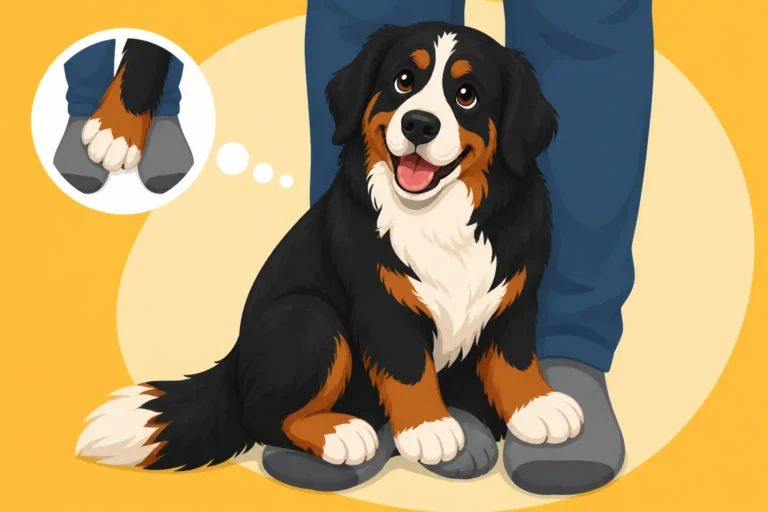
Bernese Mountain Dogs, despite their size, often express fear in surprisingly subtle ways before it escalates. They might not immediately growl or snap; instead, you might see them trying to make themselves smaller, leaning away from touch, or constantly looking for an exit. A tucked tail, ears flattened against the head, excessive yawning, lip licking, or refusing treats are all classic signs. Some Berners might even "freeze," appearing calm but rigidly still, which is actually a sign of extreme stress. Others will actively retreat, pulling back on the leash, trying to hide behind your legs, or attempting to back out of their collar.
It's crucial to recognize these early warning signs. If you see your Berner displaying any of these behaviors, it's their way of communicating that they are uncomfortable and need space. Pushing them past this point can lead to an escalation of fear, where they might feel they have no choice but to resort to more overt defensive behaviors like snapping or biting, simply because their earlier, more subtle signals were not heeded. This is where a muzzle can become a safety tool, not just for the staff, but to prevent your dog from feeling pushed to a point where they feel they must defend themselves. Taking the time to observe and understand Whether a Bernese Mountain Dog Hides Discomfort can significantly improve your ability to manage stressful situations for them.
Proactive Steps to Make Vet Visits Easier
Before we even get to the muzzle, it’s vital to acknowledge that a muzzle is a management tool, not a fix for fear. The real solution lies in working on your Bernese Mountain Dog's underlying anxiety. This involves a combination of positive reinforcement training and careful management of their experiences.
Desensitization and Positive Reinforcement Training
The goal here is to change your Bernese Mountain Dog’s emotional response to the vet from fear to neutrality, or even mild excitement, by pairing the clinic and its procedures with positive experiences. This starts at home. Practice handling your dog’s paws, ears, mouth, and tail regularly, making it a pleasant experience with lots of treats and praise. Simulate vet procedures at home: gently lift their lips, press on their paw pads, or even hold a blunt object like a pen near their injection sites, always followed by a high-value treat. Brands like BAXTER & Bella offer excellent online training resources that can guide you through desensitization protocols, making these sessions structured and effective.
Then, gradually introduce clinic visits that aren't for examinations. Ask your vet if you can drop by just to say hello, get a treat from the reception staff, and leave. Repeat this several times. These "happy visits" help your Berner associate the clinic with positive, low-stress interactions rather than just unpleasant ones. When an actual exam is necessary, try to schedule it during quieter times, and consider asking for a longer appointment slot so your dog doesn't feel rushed. Always bring their absolute favorite, highest-value treats—think real chicken, cheese, or liver paste—something they wouldn’t normally get. The idea is to flood the experience with so many good things that the neutral or slightly scary aspects fade into the background. This requires patience and consistency, but it's the foundation for long-term success.
Teaching Your Bernese Mountain Dog to Be Handled
Given their size and strength, teaching your Bernese Mountain Dog to willingly accept handling is non-negotiable, for both vet visits and everyday care. This means practicing "cooperative care" where your dog actively participates in their own care rather than being forced. Teach them cues like "chin rest" (where they rest their chin on your hand or a surface, allowing you to examine their face) or "side" (to lay on their side for belly or leg examination). Reward them heavily for holding still for even short periods. Training a Bernese Mountain Dog Without Breaking It emphasizes how sensitive these dogs are to correction, so positive reinforcement is truly key here.
Work on getting your Berner comfortable with you manipulating their limbs, checking their ears and teeth, and even simulating injections with a gentle poke followed by a treat. If you struggle with this, a professional positive reinforcement trainer can offer invaluable guidance. The more comfortable your Berner is with these types of interactions at home, the less stressful they will be at the clinic. This consistent, gentle exposure helps build their confidence and trust, reducing the "surprise" element of a vet exam. Remember, your Bernese Mountain Dog might be stoic, but that doesn’t mean they don’t notice and react to handling, so make it a positive ritual.
Choosing and Introducing a Muzzle Positively
The word "muzzle" often conjures negative images for people, associated with aggression or punishment. But for a frightened Bernese Mountain Dog, a muzzle can be a tool of comfort and safety, allowing examinations to happen without risking injury to staff or further traumatizing your dog. The key is to introduce it in a completely positive way.
Types of Muzzles for Bernese Mountain Dogs
When it comes to muzzles, not all are created equal, especially for a large breed like the Bernese Mountain Dog that can overheat easily.
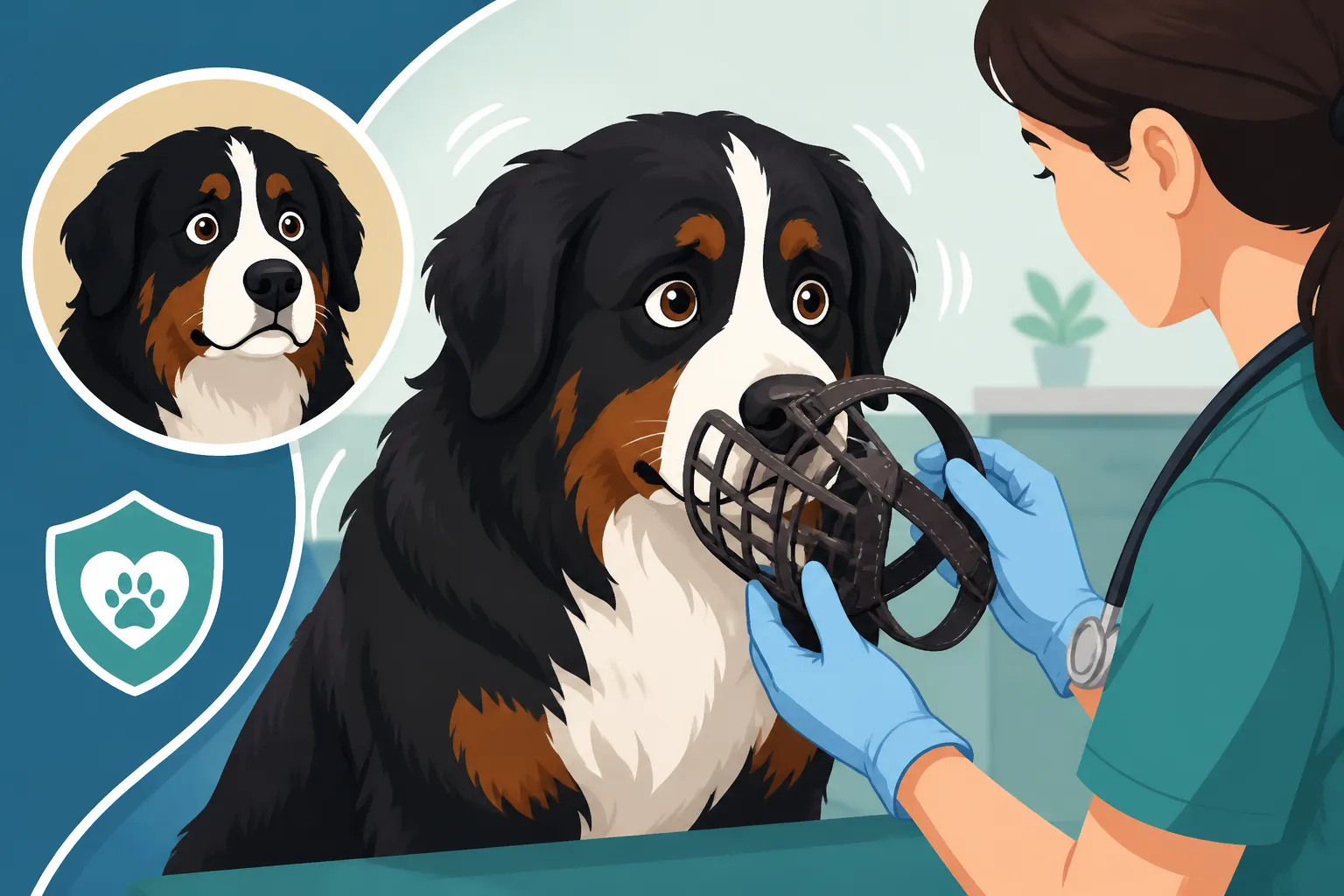
- Basket Muzzles: These are generally the gold standard for vet visits and situations where your dog might need to wear the muzzle for more than a few minutes. They allow your Berner to pant, drink water, and even take small treats. This is absolutely critical for a deep-chested breed that can be prone to heatstroke, and one that needs to pant to regulate body temperature. A well-fitted basket muzzle from reputable brands available on platforms like Amazon should allow ample room around your dog's snout. They prevent bites while minimizing discomfort and promoting oxygen exchange.
- Fabric or "Sleeve" Muzzles: These are designed for very short-term use, typically only for a minute or two, as they hold the dog’s mouth closed. This prevents panting and can quickly lead to overheating and increased stress. For a Bernese Mountain Dog, especially one who is already stressed, these should be avoided unless absolutely necessary for an extremely brief procedure, and only under direct veterinary supervision. They offer less comfort and can exacerbate anxiety, as the dog cannot self-regulate or even lick their lips to relieve stress.
Here’s a quick comparison:
| Muzzle Type | Pros | Cons | Best For |
|---|---|---|---|
| Basket Muzzle | Allows panting, drinking, and eating treats; good ventilation. | Can be bulkier; may draw stares due to appearance. | Vet visits, grooming, situations where muzzle needed for extended periods |
| Fabric Muzzle | Compact; easy to carry. | Prevents panting (risk of overheating); can increase stress; no treats. | Extremely brief, urgent procedures (e.g., emergency transport) |
For our Bernese Mountain Dogs, the basket muzzle is almost always the superior choice for vet visits. It ensures their physiological needs are met while providing a safe boundary.
Positive Muzzle Introduction Steps
Introducing a muzzle should be a gradual, positive process, turning it into another neutral or even positive piece of gear, much like their leash or collar. Never force the muzzle onto your dog.
- Associate with Treats: Start by simply showing your Berner the muzzle and immediately giving them a high-value treat. Repeat this several times. The muzzle appears, good things happen.
- Licking from the Muzzle: Put a dollop of peanut butter or cream cheese inside the muzzle, or hold treats through the front of a basket muzzle. Let your dog lick it out. This teaches them to voluntarily put their nose into the muzzle. Do this many times, for increasingly longer durations.
- Briefly Fasten: Once your Bernese Mountain Dog happily shoves their nose into the muzzle to get the treat, start to gently fasten the straps for a second or two, then immediately remove it and give another treat. Gradually increase the time the muzzle is on, always pairing it with treats, praise, or a favorite activity. Think of it like teaching them to wear a harness for Draft Work Costs a Bernese Mountain Dog Owner – it’s a process.
- Wear for Short Periods: Practice having them wear the muzzle for short periods around the house, while receiving treats or during enjoyable activities. A walk around the block, a short training session, or a game of fetch (if it's a basket muzzle allowing movement) can make it a non-event.
- Practice at Home: Before the vet visit, have them wear the muzzle for increasing lengths of time at home, always making it a positive experience. This preparation is crucial. You can find excellent instructional videos for positive muzzle training online, including on platforms like YouTube, many of which are often referenced by trainers like those at BAXTER & Bella.
The goal is that when the muzzle comes out, your Berner thinks, "Oh, goodie, treats and fun stuff!" not "Oh no, bad things are coming!" This positive association is paramount for a sensitive Bernese Mountain Dog.
Muzzling at the Clinic: Practicalities and Advocacy
Even with the best preparation, a vet visit can still be stressful. Knowing how to manage the situation, including using a muzzle, is key to a smoother experience for everyone.
Communicating with Your Veterinary Team
Open and honest communication with your vet and their staff is absolutely essential. Before your appointment, call ahead and explain that your Bernese Mountain Dog experiences fear at the clinic and that you plan to muzzle them for their safety and comfort. This allows the staff to prepare and ensures they understand your proactive approach. Mention that you've been doing positive muzzle training and that it's a basket muzzle, allowing them to pant and take treats.
When you arrive, reiterate this. Say something like, "Fido gets really anxious here, so we're using his muzzle to make sure everyone stays safe, and we're bringing lots of treats." This frames the muzzle as a responsible, preventative measure, not a sign of an aggressive dog. A good veterinary team will appreciate your honesty and preparedness. They might even have suggestions for managing your Berner's anxiety during the visit. Discuss a plan: perhaps they can examine your dog on the floor if they're too heavy for the table, or do parts of the exam outside if weather permits. Being an advocate for your dog means ensuring their needs are understood and met by the clinic staff.
Keeping Your Bernese Mountain Dog Calm During the Visit
While the muzzle helps physically, you still need to actively work on keeping your Bernese Mountain Dog mentally calm. As soon as you arrive, start giving high-value treats, one after another, especially if your Berner is showing early signs of anxiety like yawning or lip licking. Keep the treats coming throughout the exam, creating a constant positive association. Distraction can also be helpful; a favorite squeaky toy (if your dog is still interested) can divert their attention.
Try to create a sense of normalcy. Talk to your Berner in a calm, soothing voice. If they lean on you, let them; it's a sign of seeking comfort. Avoid scolding them if they pull or try to retreat. This will only increase their fear. Instead, calmly redirect them with a treat or a gentle lead. If your Berner is deeply uncomfortable with being touched by strangers, you might ask to perform some of the hands-on parts of the exam yourself, with the vet guiding you, as your dog trusts you most. Having a familiar comfort object, like a blanket from home, can also provide a small anchor in the unfamiliar environment. Remember that The Bernese Mountain Dog That Cannot Bear Being Left will feel even more vulnerable if they sense you're not fully present or engaged.
When a Muzzle Becomes a Necessity, Not a Choice
Sometimes, despite all the positive training and desensitization, a Bernese Mountain Dog's fear at the vet can be so profound that a muzzle becomes a non-negotiable safety measure. This isn't a failure on your part or your dog's; it's a recognition of reality. The alternative—a panicked dog biting out of fear, or an exam being impossible to complete—is far worse. In these instances, the muzzle is a kind act, preventing your dog from being put in a situation where they feel compelled to lash out, and protecting the people who are trying to help them.
It means the vet can perform necessary diagnostics or treatments, like The Bernese Mountain Dog Health Panel or drawing blood, without the added stress of restraining a potentially fearful and powerful dog by force. Forceful restraint often exacerbates fear, making future visits even harder. By using a muzzle, you're creating a managed, predictable situation that can actually reduce your dog’s overall stress in the long run, even if it feels counterintuitive at first. It’s about choosing the safest path forward, acknowledging your Bernese Mountain Dog's immense strength and their vulnerability in a high-stress situation.
Disclaimer
This article is for general informational purposes only and does not constitute professional advice. Laws, prices and regulations vary by location and change over time. Consult a qualified professional for guidance on your specific situation.