Stretching the Hours a Bernese Mountain Dog Copes Alone
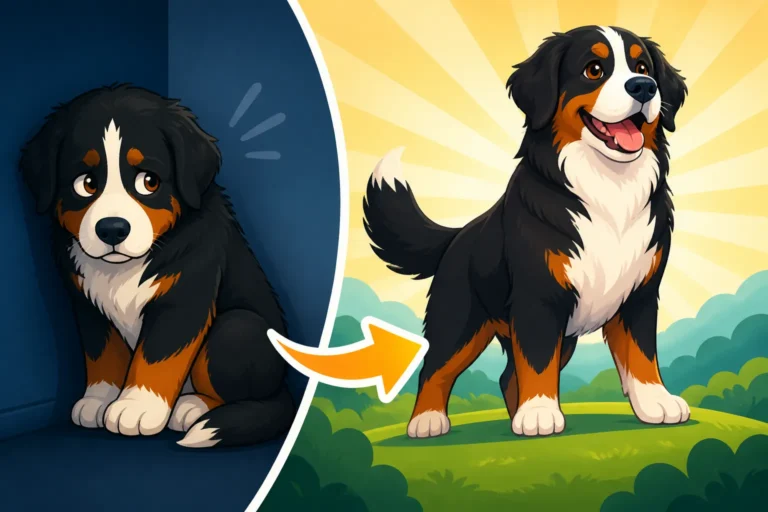
It’s a heartbreaking sight, isn't it? You walk out the door, and the mournful eyes or frantic barks of your big, fluffy Bernese Mountain Dog follow you, sometimes for hours after you've left. Many Berner parents grapple with the challenge of leaving their beloved companions alone, feeling guilty about the distress their dog experiences. This guide is dedicated to helping you understand why your Bernese Mountain Dog might struggle with alone time and offering practical, empathetic strategies to gradually stretch the hours they can cope comfortably and confidently on their own.
Understanding Why Your Bernese Mountain Dog Struggles with Alone Time
Bernese Mountain Dogs are, by their very nature, deeply connected to their human families. They were bred to be companions and working partners on farms, always alongside their people. This innate desire for companionship is a beautiful trait, but it can also make alone time particularly challenging for them. It’s not just a matter of "being naughty"; it often stems from a deep-seated need for connection and security.
The Berner's Innate Need for Companionship
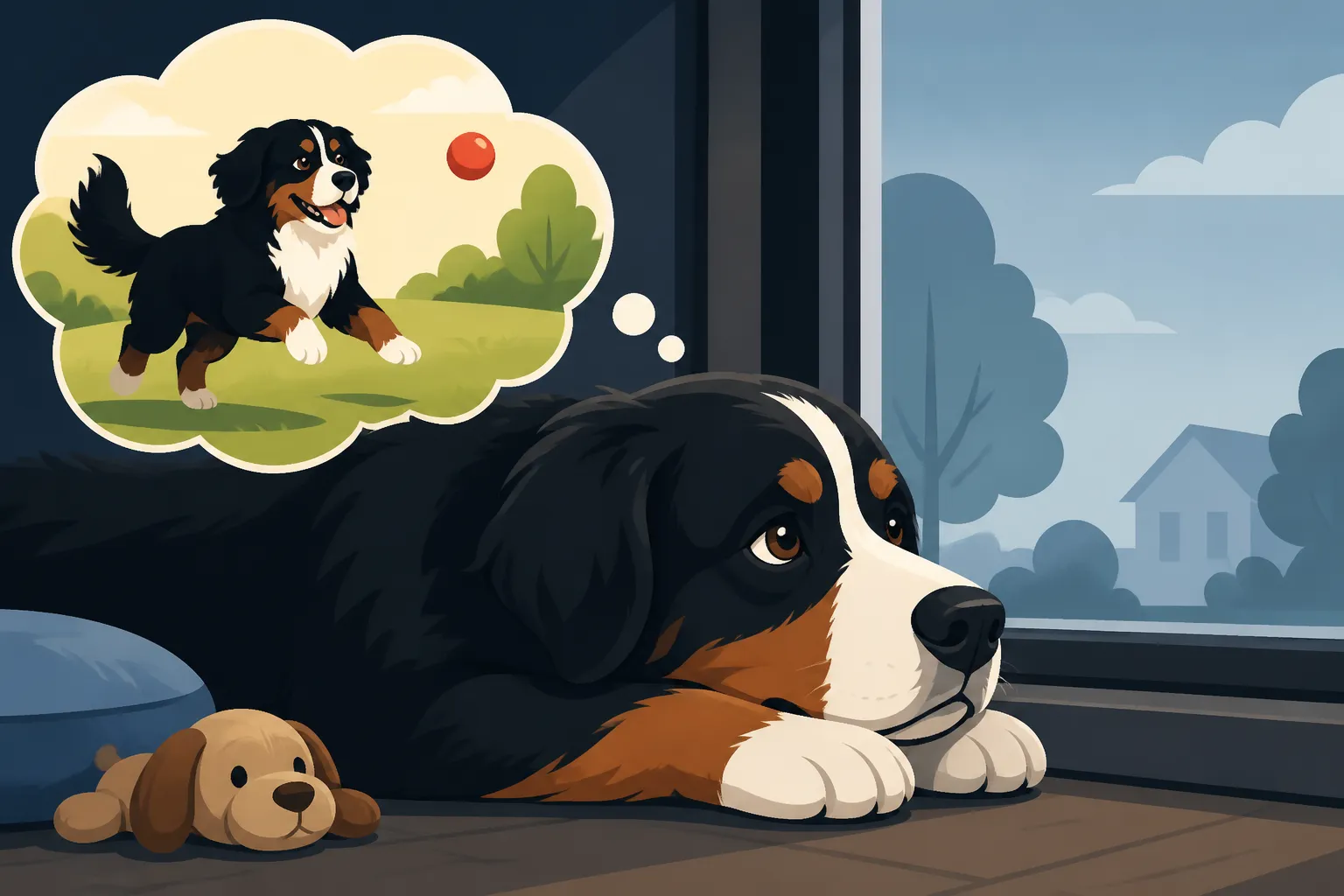
Think about the history of the Bernese Mountain Dog. These magnificent creatures originated in the Swiss Alps, where they served as all-around farm dogs – guarding livestock, pulling carts, and, most importantly, being constant companions to farmers and their families. They were always part of the action, always involved in the daily rhythm of farm life. This heritage means that being solitary isn't typically in their DNA. They thrive on interaction and routine with their humans. When you're gone, that rich social environment vanishes, leaving a void that can be difficult for them to fill on their own. It’s why you’ll often hear stories of Berners becoming quite the "velcro dogs," following you from room to room. This isn't clinginess in a negative sense; it's a profound expression of their breed's purpose. It’s also why owners worry when they notice signs of distress, wondering if their Berner can genuinely cope. The Bernese Mountain Dog That Cannot Bear Being Left is a common topic of discussion in our community, highlighting just how deeply this affects many of us.
Differentiating Boredom from Genuine Anxiety
It’s crucial to distinguish between a bored Bernese Mountain Dog and one suffering from genuine separation anxiety. While both can manifest in undesirable behaviors, the underlying motivation is very different, and thus, the solutions vary.
- Boredom: A bored Berner might chew on inappropriate items, get into the trash, or even let out a few "woofs" because there’s nothing else to do. They might be under-exercised mentally and physically, looking for an outlet for their energy. If your dog is generally relaxed when you're home but destructive when you're away, and quickly calms down upon your return, it could be boredom. They might just need more engagement before you leave, or more appropriate chew toys to keep them busy.
- Separation Anxiety: This is a much more intense emotional response. Dogs with separation anxiety often show signs of distress before you even leave—panting, pacing, whining, following you frantically. Once you're gone, the behaviors escalate: frantic barking or howling (sometimes nonstop, as explored in Howling From a Bernese Mountain Dog Left Behind), destructive chewing around exit points (doors, windows), inappropriate urination/defecation, or even self-harm. The key is the emotional component: panic and intense fear of being alone. They aren’t just looking for something to do; they are genuinely terrified.
Understanding which category your Bernese Mountain Dog falls into will guide your approach. A bored dog needs more exercise and mental stimulation, while an anxious dog requires a structured plan to build confidence and reduce panic.
Common Triggers for Distress When Left Alone
Recognizing the triggers that set off your Berner’s distress can be a game-changer. These are often subtle cues that signal your impending departure.
- Pre-departure Cues: Does your dog start to get agitated when you pick up your keys, put on your coat, or grab your purse? These routine actions become powerful predictors for your dog. For example, if every time you put on your walking shoes, you leave, those shoes become a trigger. Your Berner starts to anticipate your departure, and the anxiety begins to build before you're even out the door.
- Environmental Changes: Sudden changes in routine, like a new work schedule, moving to a new home, or even a family member leaving the household, can all destabilize a sensitive Bernese Mountain Dog. They thrive on predictability, and disruptions can lead to insecurity.
- Lack of Gradual Exposure: Many puppies are rarely left alone, or are only left alone for very short periods. Then, suddenly, their owners need to go back to work, and the puppy is expected to handle hours of solitude. Without gradual, positive exposure to alone time from a young age, the expectation of being constantly with their human becomes deeply ingrained, making separation much harder later on.
- Over-Attachment: While we adore our Berners’ affectionate nature, sometimes our own habits inadvertently foster over-attachment. Consistently allowing them to follow us everywhere, sleep in our bed (as discussed in Whether a Bernese Mountain Dog Sleeps in the Bedroom), and constantly be physically touching us can make the contrast of being alone even more stark and frightening.
Identifying these triggers allows you to start desensitizing your Berner to them, breaking the association with fear and panic.
Laying the Foundation: Early Training and Routine for Independence
Building a Bernese Mountain Dog's confidence in being alone isn't about simply leaving them for longer periods. It's about a holistic approach that starts with solid foundational training and a consistent routine. You're essentially teaching them a new skill: how to feel safe and content without you physically present.
Crate Training as a Safe Haven, Not a Prison
For many Bernese Mountain Dogs, a crate can become an invaluable tool, but only if introduced and used correctly. The goal is for the crate to be a comforting, secure den, not a place of punishment or confinement.
- Positive Association: Start by making the crate a wonderful place. Feed meals in it, toss treats inside, and provide comfy bedding and beloved toys. Never force your Berner in or use it for timeouts. Let them explore it at their own pace. You can even try playing gentle games where treats are "hidden" in the crate. For a large breed like a Berner, ensure the crate is appropriately sized, allowing them to stand, turn around, and lie down comfortably. Many owners find success using soft, engaging toys from brands like Kong or even puzzle feeders purchased from Amazon inside the crate, especially when starting out.
- Gradual Acclimation: Begin with very short periods, with you still in the room. Close the door, praise, and open it quickly. Gradually increase the time the door is closed, then slowly move out of sight for seconds, then minutes. The process should be calm and positive, always ending before your dog shows signs of distress. If you’re introducing this to an older dog, patience is absolutely key. Crate Training an Adult Bernese Mountain Dog can be a slow but rewarding journey. The idea is to build their positive association with this space, so they see it as their private retreat rather than a punishment.
Establishing a Predictable Daily Schedule
Dogs, especially Bernese Mountain Dogs, thrive on routine. A predictable schedule helps them understand what to expect throughout their day, reducing uncertainty and, consequently, anxiety.
- Consistent Meals and Potty Breaks: Feed your Berner at the same times each day and offer potty breaks on a consistent schedule. This helps regulate their body and provides a rhythm to their day, reducing anxiety about when their needs will be met.
- Exercise Before Alone Time: A tired Bernese Mountain Dog is a content Bernese Mountain Dog. Before you need to leave them alone, ensure they've had adequate physical and mental exercise. A good long walk, some playtime in the yard, or a short training session can burn off excess energy and make them more likely to rest calmly while you're away. Remember, a Berner puppy should have controlled exercise to protect their developing joints, but older dogs can enjoy more vigorous activity.
- Dedicated Play and Training Time: Ensure your daily schedule includes dedicated one-on-one time for play and training. This reinforces your bond and provides mental stimulation. Even 15-20 minutes of focused training can be incredibly beneficial for a Berner's mind, making them more mentally tired and ready to relax. Regularly practicing commands like "settle" can be invaluable. Teaching a Bernese Mountain Dog to Settle is a skill that directly contributes to their ability to relax when alone.
Gradual Desensitization to Departure Cues
As we discussed, Berners often pick up on subtle cues that signal your departure. The trick is to make these cues meaningless by decoupling them from your actual leaving.
- Practice "Fake" Departures: Start performing your departure routine (grabbing keys, putting on coat, picking up bag) but then don't leave. Sit back down, watch TV, or go to another room. Repeat this multiple times a day, varying the order and duration. The goal is to make these cues lose their power as predictors of separation. You want your dog to think, "Oh, mom picked up her keys again. Guess she's just moving them."
- Short Absences, No Fanfare: Begin leaving your Bernese Mountain Dog alone for very short periods – literally seconds. Step out of sight, then immediately return. Gradually increase the duration: 10 seconds, 30 seconds, a minute, and so on. The key is to return before your dog starts to get anxious. When you leave and return, make it a non-event. No emotional goodbyes, no excited greetings. Just calm comings and goings. This teaches them that your departures are temporary and not a big deal. The advice in Leaving the House Without Upsetting a Bernese Mountain Dog is a great reference for this technique.
- Varying Your Routine: Try to mix up your routine slightly so your Berner doesn't get too fixated on one specific set of actions. Sometimes put on your shoes, sometimes not. Sometimes grab your keys, sometimes leave them. This unpredictability helps to break the strong association between specific actions and your leaving.
Practical Strategies for Extending Alone Time
Once you've laid a strong foundation, you can start incorporating practical strategies to help your Bernese Mountain Dog feel more secure and occupied when you're away. These methods aim to make their alone time a more positive, less stressful experience.
Enriching the Environment When You're Away
A stimulating environment can make a world of difference, turning lonely hours into engaging ones. The goal is to give your Berner something positive and absorbing to do that lasts for a significant portion of your absence.
- Long-Lasting Chew Toys and Puzzle Feeders: This is where brands like Kong shine. Fill a durable chew toy with peanut butter, yogurt, or wet food and freeze it. This can keep a Bernese Mountain Dog occupied for a good chunk of time. Similarly, puzzle feeders that dispense kibble slowly when manipulated provide mental stimulation and make mealtime last longer. You can find a vast selection of these on Amazon, ensuring you choose robust options suitable for a large breed with a powerful jaw. Introducing these before you leave and only giving them when you leave helps create a positive association with your departure.
- Interactive Toys: Some electronic toys offer intermittent treats or sounds, keeping your dog engaged. Remember, though, these are usually supplements, not replacements, for truly enriching activities.
- Calming Aids: Consider diffusers that release canine-appeasing pheromones, or calming treats. While not a cure for severe anxiety, they can help create a more relaxed atmosphere when combined with other training. Always consult your vet before introducing new supplements.
| Strategy Type | Example Activity | Benefit |
|---|---|---|
| Chew/Lick Activity | Frozen Kong with peanut butter/yogurt | Sustained mental and physical engagement, calming effect |
| Puzzle Feeder | Slow feeder bowl or interactive treat dispenser | Mental stimulation, extends mealtime |
| Scent Work | Hiding treats around a safe room for them to find | Engages natural instincts, promotes independent play |
| Background Noise | Classical music, dog-specific calming sounds, TV | Masks outside noises, provides a sense of company |
Utilizing Technology to Monitor and Reassure
In today's world, technology can be a powerful ally in helping your Bernese Mountain Dog cope alone. It offers insights and, in some cases, even interaction.
- Pet Cameras: A pet camera with two-way audio allows you to observe your Berner's behavior in real-time. This can help you identify peak anxiety times, pinpoint triggers, and gauge the effectiveness of your training methods. Some cameras even allow you to speak to your dog or dispense treats remotely, which can be comforting for mild cases. Seeing that your dog is actually asleep and relaxed can be a huge relief!
- Background Noise: Leaving on a radio, TV, or even a podcast can provide a sense of company and mask external noises that might trigger barking or anxiety. There are even specific "dog calming music" playlists available through streaming services that many owners swear by. Just be mindful of volume levels.
- Smart Devices: Consider smart plugs for lights or radios that can be turned on or off remotely, creating the illusion of someone being home or signaling the approaching end of alone time. These small details can contribute to a feeling of security.
Remember, technology is a tool, not a substitute for training. It helps you monitor and fine-tune your approach, but the core work still involves patient, consistent training.
Professional Help When You've Tried Everything Else
Sometimes, despite your best efforts, a Bernese Mountain Dog’s separation anxiety can be overwhelming. This is not a failure on your part, but a sign that professional intervention might be necessary.
- Certified Professional Dog Trainer (CPDT): A trainer specializing in separation anxiety can provide a customized plan and guide you through the process step-by-step. They can help you accurately assess the severity of your dog's anxiety and implement desensitization and counter-conditioning protocols effectively. Look for trainers with specific certifications and experience with anxiety behaviors. Services like BAXTER & Bella offer online training programs that could be a good starting point for foundational skills before tackling severe anxiety with a local specialist. Training Class Prices for a Bernese Mountain Dog Puppy might give you an idea of general training costs, but specialized anxiety training can be more intensive.
- Veterinary Behaviorist (Dip. ACVB): For severe cases, a veterinary behaviorist is often the best course of action. These are veterinarians with advanced training in animal behavior and can prescribe medication to help manage anxiety. Often, medication is not a standalone solution but a tool to reduce anxiety to a level where behavioral modification techniques can actually be effective. Trying to train a dog in a full-blown panic attack is incredibly difficult.
- Support Groups and Online Resources: Connecting with other Bernese Mountain Dog owners who have experienced similar challenges can be incredibly supportive. Sharing stories and strategies, as well as accessing reputable online resources, can provide new insights and encouragement. Always cross-reference advice with qualified professionals to ensure it's appropriate for your specific situation. This journey can be long, and having a community or expert guidance can make all the difference, especially if you're wondering Whether a Bernese Mountain Dog Can Be Left All Day or if A Bernese Mountain Dog Left Alone will ever be truly content.
It's a process of tiny, incremental victories. Celebrate the moment your Berner tolerates five minutes alone without barking, or when they manage to chew on a toy for ten minutes after you've left. Every step forward, no matter how small, is progress toward a more independent and confident companion.
Disclaimer
This article is for general informational purposes only and does not constitute professional advice. Laws, prices and regulations vary by location and change over time. Consult a qualified professional for guidance on your specific situation.