Introducing a Bernese Mountain Dog to a Second Dog
Bringing a second dog into a home with an existing Bernese Mountain Dog can feel like a monumental task, often filled with worries about how your gentle giant will react to a new companion. Many of us have heard stories of introductions gone awry, leading to stress, conflict, and a divided household. This guide is here to walk you through a calm, thoughtful approach to introducing a Bernese Mountain Dog to a new canine friend, focusing on careful preparation and patient, positive steps to foster a harmonious household.
Understanding Your Bernese Mountain Dog's Social Nature
Bernese Mountain Dogs are renowned for their sweet, affectionate, and good-natured temperaments. They often thrive in family environments and can be quite social, but like any breed, individual personalities can vary wildly. Some Berners are instantly welcoming, eager to make new friends, while others might be more reserved, needing time and careful management to accept a new housemate. Understanding your Berner's specific social nuances is the very first step toward a successful introduction.
Early Socialization and Its Impact
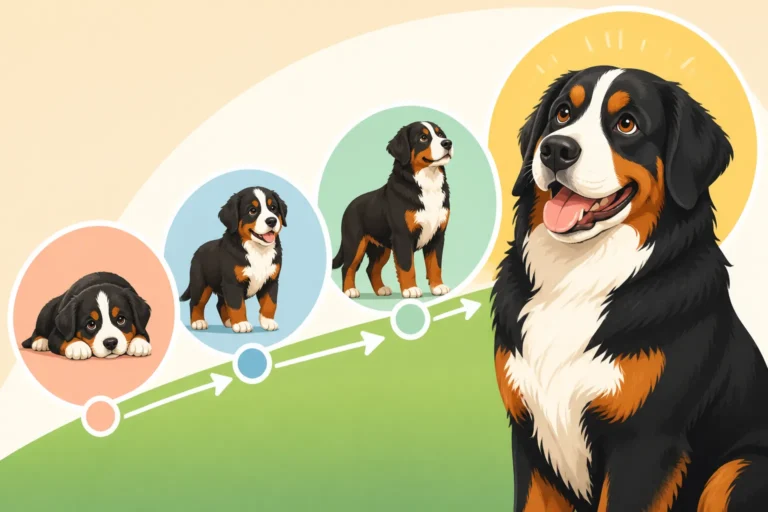
The foundation for how your Bernese Mountain Dog interacts with other dogs is often laid during their puppyhood. A well-socialized Berner puppy, exposed to a variety of sights, sounds, people, and other friendly dogs in a positive way, is much more likely to adapt smoothly to a new canine companion. They learn appropriate dog-dog communication, how to share space, and how to bounce back from minor scuffles. If your Berner had a fantastic puppy class experience, or spent their early months regularly and happily interacting with diverse, well-behaved dogs, they probably have a good "social toolbox." However, if their early experiences were limited, or worse, negative, they might approach a new dog with more caution, anxiety, or even defensiveness. This isn't a judgment, just an honest assessment to guide your strategy.
It's also important to remember that socialization isn't a one-and-done event. Even a well-socialized Bernese Mountain Dog benefits from ongoing, positive interactions throughout their life. Life experiences, age, and even health can influence their social tendencies. An older Berner, perhaps a bit arthritic or set in their ways, might find a boisterous puppy overwhelming, whereas a younger adult might welcome the companionship. Consider their current comfort level with unfamiliar dogs, not just what they were like as a puppy. Thinking about Socializing a Reserved Bernese Mountain Dog Puppy can give you insights into the ongoing nature of this process.
Reading Your Berner's Body Language
Before you even consider bringing another dog home, take some time to really observe your Bernese Mountain Dog's interactions with other canines when you’re out and about. Are they loose and wiggly, offering play bows and relaxed tail wags? Or do they stiffen, avert their gaze, or try to hide behind your legs when another dog approaches? Berners, with their gentle nature, can often be subtle in their communication. A soft gaze, a gentle lean against you (like The Bernese Mountain Dog That Leans on Everyone might do), or a slow, rhythmic tail wag can signal comfort. Conversely, a tucked tail, a low growl, lip licking, yawning out of context, or even just turning their head away are all signs they might be feeling uncomfortable or stressed.
It's crucial to understand these signals because they will be your primary communication during the introduction process. You need to be able to tell when your Berner is feeling overwhelmed, anxious, or exhibiting signs of resource guarding, so you can intervene gently and prevent escalation. Knowing their "tells" will help you create a safe environment and advocate for their comfort. Pay attention to how they behave around strange dogs, especially if your new addition is already in the picture, as highlighted in How a Bernese Mountain Dog Behaves Around Strange Dogs.
Preparing for the New Arrival: Setting the Stage for Success
The success of introducing a new dog isn't just about the moment they meet; it's heavily influenced by the preparation you do beforehand. Thinking ahead and establishing clear boundaries and safe spaces for both dogs will reduce stress dramatically for everyone involved. Remember, a Bernese Mountain Dog thrives on routine and clear expectations, and a new dog entering their territory can be a huge disruption if not managed carefully.
Neutral Territory and Initial Greetings
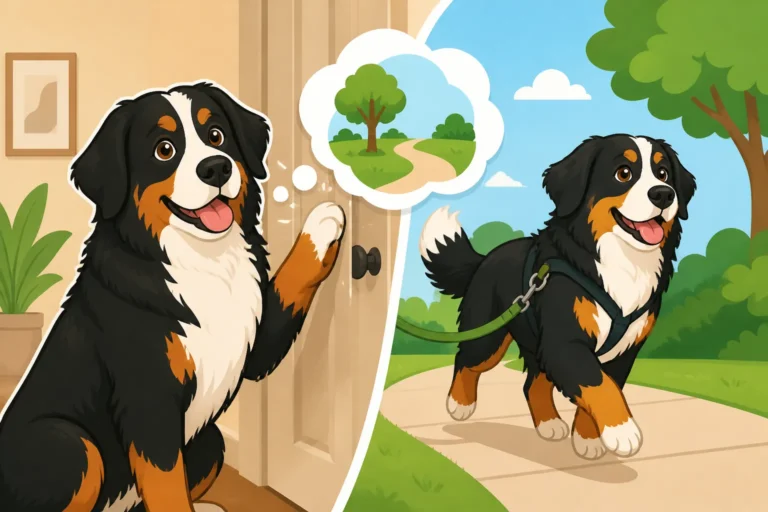
The very first meeting between your Bernese Mountain Dog and the new dog should always happen in neutral territory. This means somewhere neither dog considers "theirs" – a quiet park, a friend's large fenced yard, or even a local school oval after hours. The goal is to minimize territorial instincts that might arise if the new dog is immediately brought into your Berner's home. Both dogs should be on leashes, ideally with two handlers, one for each dog. Keep the leashes loose; tension on the leash can translate directly to tension in the dog.
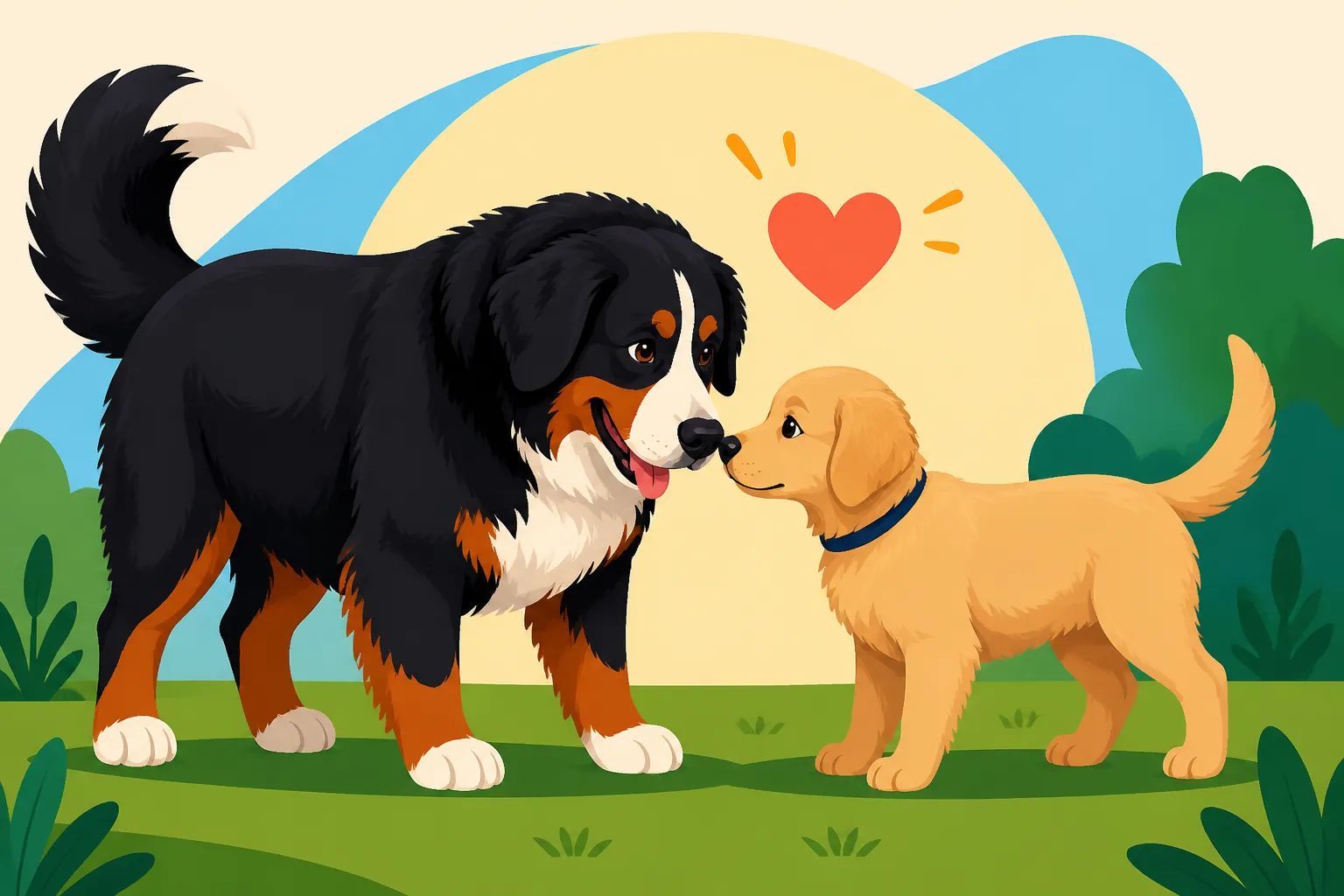
Start with parallel walking. Walk the dogs side-by-side, maintaining enough distance so they are aware of each other but not forced into an interaction. Allow them to sniff the same spots but not necessarily each other directly at first. This allows them to gather information about each other through scent without the pressure of a face-to-face encounter. After a good 10-15 minutes of calm parallel walking, you can try a brief, loose-leash sniff. Keep it short and positive, then move on. The key is to end on a good note, not push them until they show signs of stress.
Creating Separate Spaces and Routines
Once you bring the new dog home, it's absolutely vital that both dogs have their own personal space, completely separate from each other, at least initially. This means separate crates, separate beds, separate feeding areas, and separate toys. Your Bernese Mountain Dog's world is already changing, and they need a familiar, secure retreat where they can decompress without the new dog invading their comfort zone. For the new dog, a crate or a designated room will be their safe haven as they adjust to an unfamiliar environment. Products like sturdy crates and durable gates, easily found on Amazon, can be invaluable for creating these essential separate spaces.
Establishing separate routines for feeding, walks, and training sessions is also crucial. Feed them in different rooms, behind closed doors, to prevent any food-related resource guarding from developing. Take them for individual walks as well as supervised joint walks. This ensures both dogs still get individual attention and bond with you, and it reduces the pressure of constant interaction. Over time, as they become more comfortable, you can slowly begin to integrate routines, but always prioritize individual space and peace.
Essential Gear for Safe Introductions
Having the right tools on hand can make all the difference in ensuring safety and control during the introduction process. Here’s a quick checklist of what you'll want before the new dog even arrives:
| Item | Purpose |
|---|---|
| Two Leashes & Collars/Harnesses | For controlled, supervised walks and initial greetings. |
| Two Crates | Provides a safe, private den for each dog, especially during alone time. |
| Baby Gates | To create physical barriers, allowing visual and scent interaction without direct contact. |
| High-Value Treats | For positive reinforcement during calm interactions. |
| Chew Toys/Kongs | To provide enrichment and distraction when dogs are separated or settling. |
| Enzyme Cleaner | For any accidents from a new dog settling in. |
| Long Line (15-30 ft) | Useful for initial neutral territory meetings, providing control while allowing space. |
Having items like multiple leashes, collars, and baby gates readily available, perhaps even ordered from Amazon ahead of time, will ensure you're prepared for any scenario. Remember, a Bernese Mountain Dog can be strong, so ensure all equipment is secure and properly fitted.
The Step-by-Step Introduction Process
Introducing dogs is often a marathon, not a sprint. Patience, consistency, and careful observation are your most powerful tools. Rushing the process can set you back significantly, so be prepared to take it slow, sometimes even pausing or backtracking if either dog shows signs of stress. This isn't about forcing friendship; it's about facilitating it organically.
Controlled On-Leash Meetings
After your initial neutral territory walk, continue with short, controlled on-leash meetings. These should still happen in neutral spaces or, if indoors, in a large, open area of your home where there's plenty of room to move. Keep both dogs on loose leashes, and again, two handlers are ideal. The goal is positive association. Allow brief, polite sniffing, then gently separate them before any tension can build. Immediately reward calm behavior with praise and a high-value treat. Repeat this several times a day, keeping sessions short (2-5 minutes).
As they become more comfortable, you can move to supervised, on-leleash interactions inside the home, always keeping leashes loose. Walk them together in the backyard, allowing them to explore and sniff. The presence of the leash isn't for correction, but for gentle guidance and immediate separation if needed. Avoid forcing interaction. If one dog is showing signs of avoidance or stress, respect that and increase the distance or end the session. Remember, every positive, calm interaction builds a foundation for trust. Leash Manners on a Hundred Pound Bernese Mountain Dog can be a challenge on its own, so having control over both dogs is paramount.
Supervised Off-Leash Interactions
Once both dogs are consistently calm and relaxed during on-leash interactions, and you're confident in their body language, you can consider very short, supervised off-leash sessions. This is best done in a secure, neutral outdoor space first, like a fenced yard that neither dog is overly territorial about. Remove all high-value toys, food bowls, and anything that could cause conflict. Again, two handlers are preferable. Let them off leash simultaneously. Observe closely. Look for relaxed body language, play bows, loose, bouncy movements, and appropriate give-and-take in play.
If play gets too intense or one dog seems overwhelmed, calmly interrupt the interaction by calling them away or using a verbal marker, then separate them for a brief cool-down. The key is to manage the energy and ensure it remains positive. Start with 5-10 minute sessions and gradually increase the duration as they consistently demonstrate appropriate interaction. Never leave them unsupervised until you are absolutely certain they are fully comfortable and safe together. Even then, it’s always wise to separate them when you leave the house or cannot actively supervise, especially during the first few months.
Managing Challenges and Setbacks
It's completely normal to encounter challenges during this process. Some common issues include one dog being too boisterous, resource guarding (of toys, food, or even you), or one dog showing persistent fear or avoidance. If your new dog is, for instance, a terrier, and the Berner is typically calm, the energy mismatch might be something to manage, similar to thinking about Rough Play Between a Bernese Mountain Dog and a Terrier.
If you hit a roadblock, don't get discouraged. Revert to a previous step where both dogs were comfortable. For example, if off-leash play becomes too rough, go back to on-leash parallel walks or even just sniffing each other through a baby gate. Resource guarding requires immediate intervention: remove the guarded item or separate the dogs during feeding. If you suspect your Berner is feeling anxious, consider offering them a safe, quiet space with a comforting chew or toy. If you find yourself consistently struggling, don't hesitate to seek guidance from a certified professional dog trainer or behaviorist. An online resource like BAXTER & Bella offers puppy and dog training programs that include guidance on multi-dog households, which could be a valuable tool to help navigate more complex challenges. Sometimes an objective eye can spot subtle cues you might be missing.
Fostering a Lasting Friendship
The goal isn't just coexistence; it's about helping your Bernese Mountain Dog and their new companion build a genuine bond. This requires ongoing effort, understanding, and a commitment to maintaining harmony in your multi-dog household.
Establishing Fair Rules and Resources
For a lasting friendship, both dogs need to feel secure and fairly treated. This means providing ample resources for both. Have multiple water bowls, plenty of appropriate chew toys, and distinct sleeping areas. Avoid situations where they have to compete for anything. For example, if you have two dogs, aim for three or four chew toys available at any given time, so there's no pressure. This is especially important for a Bernese Mountain Dog, who often prefers a peaceful, uncompetitive environment.
Establish consistent house rules for both dogs. If one dog isn't allowed on the furniture, neither should the other be, at least initially, to prevent perceived favoritism. Train both dogs individually, reinforcing basic manners like "sit," "stay," and "come." This not only strengthens your bond with each dog but also gives you more control in managing their interactions. Think about Teaching a Bernese Mountain Dog to Settle as a crucial skill for a calm household.
Continued Management and Enrichment
Even after dogs appear to be best friends, ongoing management is key. Continue to supervise interactions, especially around high-value items or during high-energy play. Provide both dogs with plenty of individual attention, cuddle time, and training sessions. This reinforces their bond with you and prevents either dog from feeling neglected. Joint activities, like walks, hikes, or even car rides, can also strengthen their bond in positive ways.
Enrichment activities are also vital. Puzzle toys, scent games, and regular exercise tailored to each dog's needs (a Bernese Mountain Dog might enjoy a leisurely hike, while a smaller, more energetic dog might prefer fetch) will keep them mentally and physically satisfied, reducing boredom-related conflicts. If one dog is a chewer, ensure they have plenty of appropriate outlets; an empty household can lead to unintended "sharing" of furniture. Maintaining a structured environment will help both dogs thrive and solidify their place within your family.
When to Seek Professional Help
There are times when despite your best efforts, you might need professional guidance. If you observe persistent aggression (growling, snapping, biting), chronic fear or anxiety in either dog, severe resource guarding, or an inability to relax in each other's presence, it’s time to call in the experts. A certified professional dog trainer or a veterinary behaviorist can assess the situation, identify underlying causes, and develop a tailored behavior modification plan. They can teach you specific techniques and strategies to address the issues safely and effectively.
Never feel like seeking help is a failure. It's a responsible and loving decision that prioritizes the well-being of all your pets. Early intervention can prevent minor issues from escalating into serious problems, ensuring that your Bernese Mountain Dog and their new friend can eventually share a happy, peaceful home. Remember, your Berner's happiness and the harmony of your home are worth investing in.
Disclaimer
This article is for general informational purposes only and does not constitute professional advice. Laws, prices and regulations vary by location and change over time. Consult a qualified professional for guidance on your specific situation.