What a Bernese Mountain Dog Puppy Should Meet Early
Bringing home a fluffy Bernese Mountain Dog puppy is a joyous occasion, filled with dreams of long walks, gentle cuddles, and a confident, friendly companion. However, many new Berner parents quickly realize that nurturing that ideal temperament takes intentional effort, especially when it comes to early exposure. Without careful and positive introductions to the world around them, these potentially gentle giants can easily become overwhelmed, shy, or even fearful. This guide is here to help you navigate those critical early weeks, ensuring your Bernese Mountain Dog puppy meets everything they need to grow into the well-adjusted, happy dog you envision.
Understanding the Bernese Mountain Dog's Critical Socialization Window
One of the most important things to grasp when you bring home a Bernese Mountain Dog puppy is the concept of the socialization window. This isn't just a general suggestion; it's a vital developmental period that largely dictates how your adult dog will perceive the world. For most puppies, this window is generally considered to be from about 3 weeks to 16 weeks of age. During this time, puppies are sponges, eagerly soaking up experiences and forming associations that will last a lifetime. Missing out on positive exposures during this phase can lead to significant behavioral challenges down the road, especially for a large breed like the Bernese Mountain Dog.
Why Early Exposure is Paramount for Berners
Bernese Mountain Dogs, while generally good-natured, can sometimes be a bit reserved or sensitive by nature. They aren't typically the boisterous, "hello everyone!" type from birth. Their large size also means that any fear or reactivity they develop as puppies can become a much bigger, and potentially more dangerous, issue when they reach 80 to 120 pounds as adults. A small, fearful dog can be picked up; a large, fearful dog needs extensive, professional intervention. This is why being proactive and deliberate with their early experiences is not just helpful, but absolutely crucial. We're not just aiming for a dog that tolerates new things, but one that genuinely feels comfortable and confident in a variety of situations.
Think of it like laying the foundation for a skyscraper. If the foundation isn't strong and wide enough, the tall building will always be unstable. Your Berner's temperament is that skyscraper, and early socialization is its foundation. It influences everything from their comfort at the vet to their reactions to new people and unfamiliar sounds. The Bernese Mountain Dog Adolescent Stage can bring new challenges, but a solid foundation helps immensely.
The Impact of Missing Early Socialization
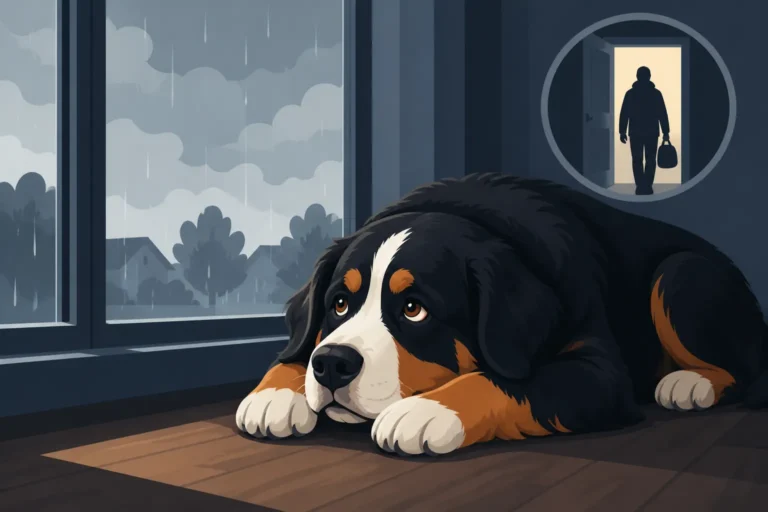
When a Bernese Mountain Dog puppy doesn't get enough positive exposure during their critical socialization window, several issues can arise. They might become overly timid or fearful of strangers, cowering or barking defensively when new people approach. They could develop an intense fear of loud noises, like thunderstorms or fireworks, turning them into a shaking mess every time. Some might become "barrier frustrated" when they see other dogs but can't interact, leading to lunging and barking on the leash.
I've seen so many owners heartbroken when their beautiful Berner starts exhibiting these behaviors, often without realizing it stemmed from a lack of early, gentle exposure. It's not the puppy's fault; they're simply reacting to the unknown in a way that feels safe to them. Later intervention is always harder, more costly, and often less effective than getting it right from the start. That's why being armed with this knowledge is so powerful for new Bernese Mountain Dog owners.
Exposing Your Bernese Mountain Dog Puppy to the Wide World
So, what exactly does "early exposure" entail? It means introducing your puppy to as many different sights, sounds, smells, textures, people, and environments as possible, all in a positive and controlled manner. Remember, quality over quantity is key here. A few good, positive interactions are far more beneficial than many overwhelming ones.
People, Places, and Unique Sounds
Your Bernese Mountain Dog puppy needs to meet a diverse range of people. Not just your immediate family, but people of different ages, genders, ethnicities, and appearances. Think about people wearing hats, sunglasses, carrying umbrellas, using walkers, or even those with beards. Each new "type" of person broadens your puppy's understanding of humanity. Start with calm, gentle interactions where the person offers a treat and soft praise, rather than overwhelming them with boisterous greetings. For older family members or guests, ensure they understand how to gently interact with a puppy to avoid creating fear. This is especially important when considering A Bernese Mountain Dog Around Children, as tiny humans can be unpredictable.
When it comes to places, think outside your home and yard. After your vet has given the all-clear following The Puppy Shot Series for a Bernese Mountain Dog, take your puppy to various safe, low-traffic environments. This could be a quiet park (carried if not fully vaccinated), a friend's house, a pet-friendly store (like a hardware store or a craft store), or even just sitting outside a coffee shop to observe. The goal is to expose them to new floor textures (tile, carpet, concrete, grass, gravel), different lighting, and varying ambient sounds.
And those sounds! Life is full of unexpected noises. From vacuum cleaners and blenders to sirens, doorbells, construction noises, and crying babies – your puppy needs to experience them without fear. You can use desensitization tracks found online (many are available on platforms like Amazon Music or YouTube) played at a low volume while your puppy is relaxed and receiving treats. Gradually increase the volume over time. If your puppy seems startled by a sound, don't rush to comfort them excessively; rather, act calm and happy, and offer a treat, showing them there's nothing to worry about.
Here's a quick overview of what to aim for:
| Category | Examples of Exposure | Positive Reinforcement Examples |
|---|---|---|
| People | Men, women, children, elderly, people with hats, glasses, uniforms, different voices. | Treats, gentle petting, calm praise, short play sessions. |
| Places | Parks (quiet areas), pet-friendly stores, vet office (happy visits), car rides, stairs, elevators. | Treats, favorite toys, exploring on leash, comfortable bed/crate. |
| Sounds | Doorbell, vacuum, blender, city traffic, construction, music, children playing, sirens. | Treats, calm demeanor from owner, playing while sound is low. |
| Surfaces | Grass, pavement, carpet, wood, tile, gravel, sand, stairs (supervised). | Treats, exploring naturally, gentle encouragement. |
| Objects | Umbrellas, bikes, strollers, trash cans, bags, different types of leashes/collars. | Treats, allowing sniffing, calm observation. |
Starting Early with Car Rides
Car rides are an essential part of a Bernese Mountain Dog's life, whether it's for vet visits, trips to the park, or family vacations. Start early and make them positive. Begin with short trips, perhaps just to the end of the driveway and back, offering praise and treats. Gradually increase the duration. A comfortable crate or a secured car harness is vital for their safety and helps them feel secure. Many Berners, being naturally inclined to motion sickness or anxiety in cars, benefit hugely from early, positive associations. You don't want the car to be associated only with the vet!
Handling and Grooming Exposures
Given the Bernese Mountain Dog's thick coat and potential for shedding, early and frequent handling for grooming is non-negotiable. Get them used to having their paws touched, ears examined, mouth opened, and tail handled. Use soft brushes and make it a pleasant experience with treats and gentle praise. This isn't just about good grooming habits; it makes future vet visits and professional grooming sessions infinitely less stressful for both your dog and the professionals. Daily, short sessions are far more effective than infrequent, long, and potentially uncomfortable ones. This regular interaction also helps you bond with your puppy and notice any early signs of health issues.
Navigating Introductions with Other Animals
A well-socialized Bernese Mountain Dog should be comfortable and polite around other dogs and even other species. However, these introductions must be carefully managed to ensure positive outcomes.
Introducing Your Puppy to Other Dogs
This is where the term "socialization" often conjures images of puppy playdates, which are indeed valuable but need to be done right. Your Bernese Mountain Dog puppy needs to meet a variety of friendly, vaccinated, and well-behaved adult dogs. Avoid dog parks or uncontrolled group settings until your puppy is older, fully vaccinated, and has developed good social skills. Instead, arrange controlled playdates with known, calm adult dogs. These older dogs can teach appropriate canine manners and help your puppy learn how to interact respectfully.
Look for puppy classes that emphasize positive reinforcement and offer supervised play. Many reputable training programs, like those offered by BAXTER & Bella, include guidance on safe socialization practices and can connect you with appropriate puppy play opportunities. These structured environments are ideal for teaching your Berner polite greetings and appropriate play. Remember that Whether a Bernese Mountain Dog Puppy Can Play With Big Dogs is a common concern, so supervision is paramount to prevent accidental injury or fear.
Safe Encounters with Cats and Other Small Pets
If you have other pets at home, early and careful introductions are essential. For cats, always supervise initial meetings. Keep your puppy on a leash and allow them to observe the cat from a distance, rewarding calm behavior. Provide the cat with escape routes and high perches where they feel safe. The goal is coexistence, not necessarily best friends forever. Your Berner's natural instincts might make them curious, but with proper guidance, they can learn to respect other household members.
For smaller pets like rabbits, guinea pigs, or even birds, extreme caution is needed. Bernese Mountain Dogs historically worked on farms, and while generally gentle, the prey drive can exist. Always keep these interactions supervised and never leave a Berner unsupervised with a small, vulnerable animal. Reinforce the "leave it" command and reward calm observation.
Building Confidence and Overcoming Challenges
Even with the best intentions, you might encounter bumps along the road. Some Bernese Mountain Dogs are naturally more reserved, and others might have a day where a new experience spooks them. The key is to respond with patience, positivity, and consistency.
Handling Overwhelm and Fear
If your Bernese Mountain Dog puppy shows signs of fear or overwhelm (tail tucked, ears back, cowering, trying to hide, excessive panting, yawning, lip licking), do not force them into the situation. Instead, gently remove them from the immediate source of stress to a comfortable distance where they can observe without feeling threatened. Offer quiet reassurance and high-value treats. The goal is to create positive associations, so if they're too scared, they can't learn. Never punish fear, as this will only worsen it. This is particularly relevant when considering Socializing a Reserved Bernese Mountain Dog Puppy, as pushing them too hard can backfire.
Sometimes, a brief, gentle approach from a safe distance, paired with super tasty treats, can help. For instance, if your puppy is scared of a new sound, play the sound at a very low volume while you feed them their absolute favorite treat. Gradually increase the volume only when they remain relaxed.
The Role of Puppy Classes and Training Programs
Enrolling your Bernese Mountain Dog puppy in a positive-reinforcement based puppy class is one of the best investments you can make. These classes offer a controlled environment for socialization with other puppies, exposure to new people, and foundational obedience training. They also provide invaluable guidance from experienced trainers who can help you navigate specific challenges. Many programs, like BAXTER & Bella, offer online resources and communities that complement in-person classes, giving you flexible support. These resources can be especially helpful for understanding Training Class Prices for a Bernese Mountain Dog Puppy and finding the right fit.
Beyond formal classes, consistent, positive reinforcement training at home is vital. Teach basic cues like "sit," "stay," "come," and "leave it." These commands give your puppy structure and build confidence, making them more receptive to new experiences. Short, frequent training sessions are best, as a Berner puppy's attention span can be quite limited. Aim for just 5-minute bursts a few times a day to keep them engaged and learning, a principle often referred to as The Five Minute Rule and a Bernese Mountain Dog Puppy.
Continuing Socialization Through Life
Socialization isn't a one-and-done activity that ends at 16 weeks. It's an ongoing process throughout your Bernese Mountain Dog's life. Continue to expose them to new situations, places, and people. Go on adventures, try new trails, visit different pet-friendly stores. The more positive experiences they have, the more resilient and adaptable they will become. Even an adult Berner benefits from novel, positive exposures to maintain their confidence and well-being. Regular vet visits, even just for a weigh-in and a treat, can help your Berner feel more comfortable with routine check-ups, reinforcing Seeing the Vet Twice a Year With a Berner as a positive experience.
Remember, raising a Bernese Mountain Dog is a journey, and early socialization is the compass that guides you to a well-adjusted, joyful companion. Be patient, be consistent, and most importantly, make every new experience a positive one.
Disclaimer
This article is for general informational purposes only and does not constitute professional advice. Laws, prices and regulations vary by location and change over time. Consult a qualified professional for guidance on your specific situation.