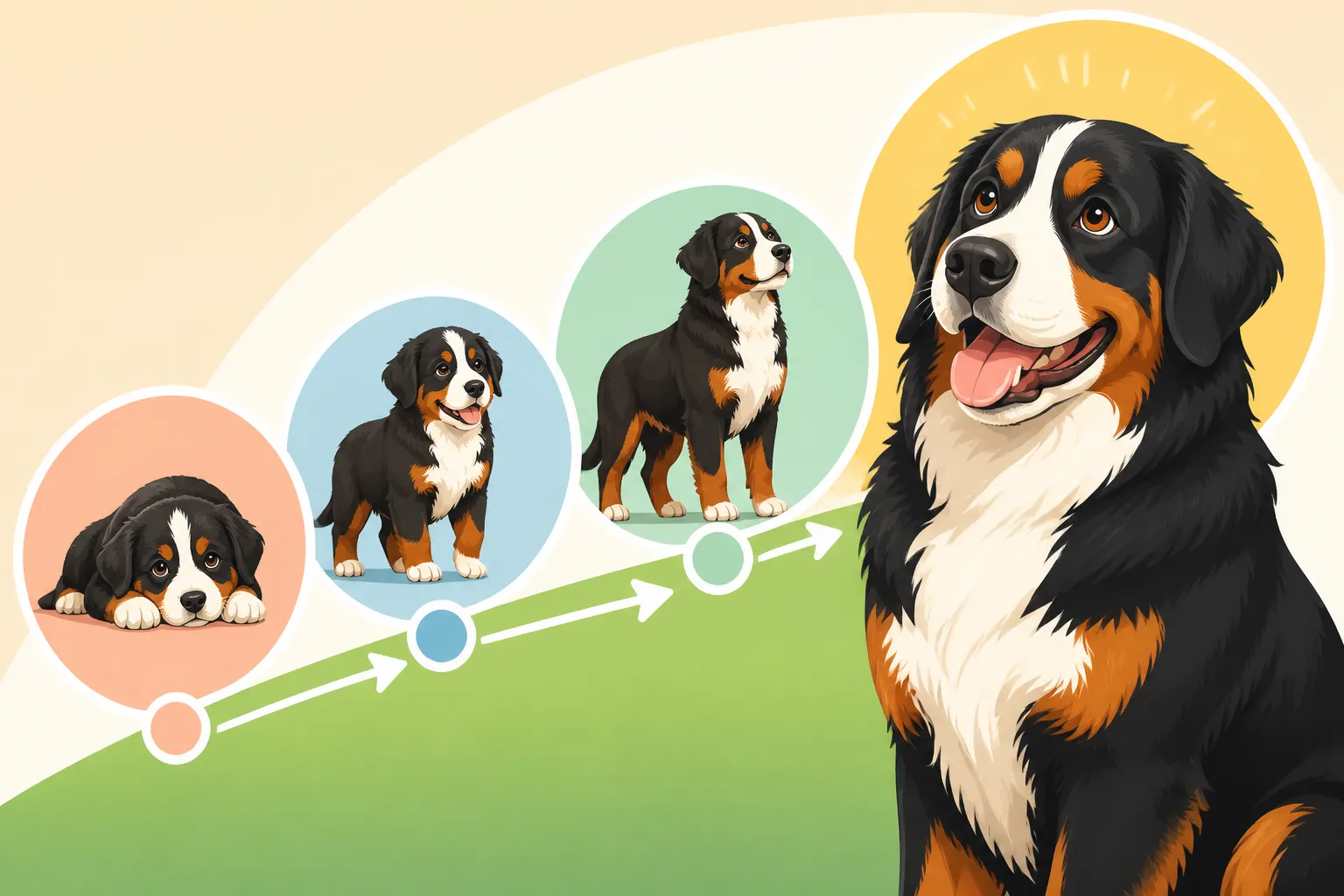
The Age a Bernese Mountain Dog Grows Up Mentally
If you've ever owned a Bernese Mountain Dog, you've probably asked yourself, "When exactly is this big goofball going to grow up?" It's a common, sometimes exasperated question, especially when your 90-pound "puppy" is still trying to sit in your lap or 'help' you carry groceries with its mouth. Many Berner owners find themselves wondering if their beloved companion will ever truly outgrow their puppy antics and settle into a more mature, predictable demeanor. This comprehensive guide will walk you through the often-extended mental development of a Bernese Mountain Dog, offering insights into their unique timeline and practical advice for navigating their spirited adolescence.
The Bernese Mountain Dog's Extended Puppyhood: More Than Just Size
It’s a tale as old as time for Berner owners: you bring home this adorable, fluffy puppy, and suddenly, six months later, you have a dog that’s already the size of a small pony but with the brain of a chaotic toddler. The sheer physical growth spurt can be deceiving, leading us to believe that their mental maturity should follow suit. But with Bernese Mountain Dogs, that’s simply not the case. Their minds often take a good deal longer to catch up to their impressive stature, creating a unique set of challenges and joys for their human companions.
Why Berners Seem to Stay Puppies Longer
Unlike some smaller breeds that might hit their stride and settle down by a year or even less, Bernese Mountain Dogs operate on a different clock. They are considered "slow maturing" breeds, and this isn't just a quaint saying; it's a fundamental aspect of their development. Physically, they might reach their adult height and much of their weight by 12-18 months, but mentally, they are often still very much puppies. This extended adolescence means they retain that playful, sometimes clumsy, and often attention-seeking behavior for a good while longer than many other dogs. They're enjoying life, exploring, and testing boundaries, often with a boundless enthusiasm that belies their size. It can feel like you have a giant, furry teenager who thinks rules are merely suggestions, and that's precisely because, in a way, you do. This prolonged mental immaturity is one of the distinct traits that makes the Bernese Mountain Dog so endearing, yet also so demanding in terms of consistent training and management. Why a Bernese Mountain Dog Stays a Puppy Until Three delves into this phenomenon with even more detail.
The Physical Milestones You See First
It’s easy to get caught up in the physical transformation of a Bernese Mountain Dog. You literally watch them grow before your eyes, adding pounds and inches almost weekly in their first year. By the time they’re around 12 to 18 months old, most Berners have achieved their full height, and a significant portion of their adult weight. They fill out over the next year, gaining muscle and refining their massive frame. This rapid physical development can create a stark contrast with their mental state. You have a dog that can easily reach countertops or pull on the leash with surprising force, but their decision-making process is still very much in its formative stages. They might look like a majestic adult, but they can still be prone to impulsive behavior, lack of focus, and an inability to self-regulate their emotions and energy levels, which can be a real struggle for owners unprepared for this disparity. For further understanding of their physical growth, you might find The Month a Bernese Mountain Dog Stops Growing Up particularly interesting.
The Emotional Rollercoaster of Bernese Mountain Dog Adolescence
The period between roughly 6 months and 2 or even 3 years old is often referred to as adolescence, and for Bernese Mountain Dogs, it's a full-blown emotional rollercoaster. This is when all those cute puppy behaviors, combined with newfound size and strength, can become genuinely challenging. They're exploring their world with a growing sense of confidence (and sometimes overconfidence), and just like human teenagers, they’re trying to figure out where they fit in the family structure. This isn't just about ignoring commands; it's about a dog whose brain is literally rewiring itself, navigating hormonal changes, and developing a more complex understanding of their environment and their role within it.
Dealing with "Selective Hearing" and Testing Boundaries
Ah, "selective hearing." Every Berner owner knows this one well. You've spent months diligently teaching "come," "sit," and "stay," and suddenly, your perfectly trained puppy seems to forget everything the moment a squirrel crosses their path or a new scent hits their nose. This isn't necessarily defiance, though it can certainly feel that way. It's often a combination of increased curiosity, a shorter attention span, and a developing brain that is simply not as adept at impulse control as it will be later. They're testing boundaries, not out of malice, but out of a natural desire to understand what they can get away with.
During this phase, it’s vital to double down on your training efforts, making them fun, engaging, and highly rewarding. This might mean going back to basics with very high-value treats or using a long line to ensure safety and compliance when practicing recalls outdoors. Remember, your Berner isn’t intentionally trying to annoy you; they’re just being a Berner teenager. Patience, consistency, and a sense of humor are your best friends. The key is to make listening to you more rewarding than whatever distraction has captured their attention. If you're struggling, a well-structured online program like BAXTER & Bella can offer guidance through this challenging stage, providing consistent positive reinforcement techniques for adolescent behaviors.
The Surge of Independence (and What It Looks Like)
As Bernese Mountain Dogs mature physically, they also start to develop a stronger sense of independence. That shadow dog that followed you everywhere as a puppy might suddenly decide that exploring the far reaches of the yard is more interesting than staying by your side. This surge of independence often manifests as a reduction in overt clinginess, a greater willingness to investigate new environments alone, and a tendency to prioritize their own interests (like sniffing that intriguing bush) over your requests.
For an owner, this can sometimes be mistaken for disinterest or aloofness, but it’s actually a normal part of their development. They’re gaining confidence and learning to navigate the world without constant reassurance. This doesn't mean they don't still love you fiercely; it just means they're growing up. You might notice them being more reserved with strangers or less prone to immediate exuberance, though they will usually still offer a characteristic Berner lean for affection. This period is critical for reinforcing good habits and ensuring they understand that while independence is encouraged, core commands are non-negotiable for their safety and your peace of mind. Check out The Bernese Mountain Dog Adolescent Stage for more on what to expect during this time.
Cultivating Maturity: Training and Management for the "Late Bloomer"
Navigating the extended adolescence of a Bernese Mountain Dog requires a unique blend of patience, consistency, and understanding. You can't rush their mental development, but you can certainly guide it constructively. This phase isn't about crushing their spirit or forcing them into immediate compliance; it's about providing the framework, repetition, and positive reinforcement they need to develop into well-adjusted, mentally mature adults. Think of yourself as a mentor rather than a drill sergeant.
Consistent Training: The Foundation of Mental Growth
One of the biggest mistakes owners make during this "teenage" phase is to assume their Berner "knows" everything and then get frustrated when they don't perform. The reality is, even if they've learned a command perfectly as a puppy, adolescence can throw a wrench into things. Their brains are processing so much new information, and their impulse control is still developing. Therefore, consistency is absolutely paramount. Short, frequent training sessions are far more effective than long, arduous ones.
Go back to basics. Revisit every command, but make it a fun game. Practice in various environments, gradually increasing distractions. Reward heavily for success, even for things they "should" know. This constant reinforcement helps solidify neural pathways and builds their confidence in understanding what you expect. It also keeps your relationship strong, which is the bedrock of all good training. Remember, Training a Bernese Mountain Dog Without Breaking It emphasizes positive methods that respect their sensitive nature. Investing in high-quality, engaging treats from a platform like Amazon can make these sessions even more motivating for your Berner.
Enrichment and Exercise for a Developing Mind
A mentally underdeveloped Berner with too much pent-up energy is a recipe for destructive behavior. Just like intelligent children, Bernese Mountain Dogs need mental stimulation to thrive. Physical exercise is crucial for their large bodies, but don't underestimate the power of mental enrichment. Puzzle toys, scent work games, trick training, and even just exploring new walking routes can do wonders for their developing minds.
- Puzzle Toys: These require your Berner to think and problem-solve to get a treat, tapping into their natural intelligence.
- Scent Work: Hiding treats around the house or yard and having them "find" them is incredibly engaging and tiring for their brains.
- New Experiences: Safely introducing them to new sights, sounds, and people helps build confidence and broadens their understanding of the world.
Think about how you can challenge them in a positive way. A tired Berner, both physically and mentally, is a good Berner. This helps them burn off that adolescent energy constructively, rather than turning it into chewing the furniture or barking incessantly. A bored Berner is often a "naughty" Berner, not because they are bad, but because they are seeking an outlet for their intelligence and energy. Whether a Bernese Mountain Dog Is Easy to Train might offer more insights into how to approach their training during these crucial years.
Understanding the Role of Breed Characteristics
It's also important to remember the inherent temperament of the Bernese Mountain Dog. They are known for being good-natured, loyal, and somewhat sensitive. Their desire to please is strong, but so is their independent streak and their capacity for stubbornness if they don't see the point of a command. This combination means that heavy-handed or overly harsh training methods are counterproductive and can actually damage their trust and willingness to work with you. They need to feel like partners in the learning process, not subjects being commanded. Recognizing these traits, as discussed in What a Bernese Mountain Dog Asks of a New Owner, can help you tailor your approach during their mental development.
Reaching True Adulthood: Patience Pays Off
So, when does that wonderful day finally arrive when your Bernese Mountain Dog "grows up" mentally? While there's no exact date on the calendar, most Berners tend to settle into a more mature demeanor between two and three years of age. Some might show signs of mental maturity a bit earlier, and others might take a little longer, pushing closer to their third birthday or even beyond. It's a gradual process, not an overnight transformation, and it’s heavily influenced by their genetics, early experiences, and, crucially, the consistent guidance you provide throughout their formative years.
The Signs of a Mentally Mature Bernese Mountain Dog
When your Bernese Mountain Dog starts to truly mature mentally, you'll notice a distinct shift in their behavior. The frantic energy begins to mellow, replaced by a more composed and thoughtful approach to life. Here are some key indicators:
- Improved Impulse Control: They can more easily resist chasing a squirrel, will wait patiently at the door, and won't snatch food off the counter quite as readily.
- Increased Focus and Reliability: Commands they once seemed to forget will become much more reliable, even in distracting environments. Their "selective hearing" diminishes significantly.
- Calmer Demeanor Indoors: While they'll still love playtime and walks, they'll be more content to relax quietly indoors, often choosing a favorite spot to nap rather than constantly seeking stimulation. You might find them content to simply lie by your feet rather than constantly seeking interaction. Teaching a Bernese Mountain Dog to Settle is a crucial skill that really comes into its own as they mature.
- Better Self-Regulation: They'll be more capable of managing their own emotions, less prone to over-excitement, and quicker to recover from minor stressors.
- Thoughtful Interactions: Their interactions with other dogs and people become more nuanced. They observe before reacting, and are less likely to barrel into new situations.
This mental calmness doesn't mean they lose their joyful, affectionate Berner spirit. It simply means it's now balanced with a sense of self-control and a deeper understanding of their world. They become the majestic, gentle giants you always knew they could be, capable of complex thought and reliable companionship. When they're mentally mature, they can even handle tasks like a The Twenty Pound Load a Novice Berner Carts, demonstrating focus and obedience.
Why the Wait Is Worth It
Waiting for a Bernese Mountain Dog to fully mature mentally requires immense patience, consistent effort, and a deep well of love. There will be days when you feel like you're making no progress, and perhaps even going backward. But for those who persevere, the reward is truly magnificent. A mentally mature Bernese Mountain Dog is an incredibly loyal, stable, and affectionate companion. They become incredibly attuned to their family, offering quiet comfort and steady presence. Their puppyish charm evolves into a gentle wisdom, and their boisterous energy mellows into a serene strength.
This extended period of development actually contributes to their unique charm. It means you get to enjoy that playful, curious spirit for longer, even if it comes with its challenges. By providing consistent training, ample enrichment, and unwavering affection throughout their "teenage" years, you are laying the groundwork for a truly exceptional adult dog. The bond you forge through these shared experiences, both the easy and the challenging, will be incredibly strong, resulting in a companion that is not just physically impressive, but also mentally and emotionally profound. It's an investment of time and effort that pays off in years of devoted companionship. Sometimes, if you're tuned in, you'll even notice when Whether a Bernese Mountain Dog Hides Discomfort, a subtle sign of their growing understanding of the world around them.
| Age Range | Physical Development | Mental Development | Common Behaviors | Training Focus |
|---|---|---|---|---|
| 0-6 Months | Rapid growth, teething, learns basic motor skills | Puppy brain, high curiosity, short attention span | Nipping, chewing, exploring everything, house training | Socialization, basic manners, positive reinforcement |
| 6-18 Months | Near adult height & weight, filling out | Adolescence begins, testing boundaries, emotional swings | "Selective hearing," increased independence, energy bursts | Consistency, proofing commands, impulse control, enrichment |
| 18-30 Months | Continues to fill out, muscle development | Late adolescence, increasing focus, self-control improves | Settling indoors, more reliable recall, less impulsivity | Advanced commands, fine-tuning behavior, maintaining routine |
| 30+ Months | Full physical maturity | True mental maturity, calm, stable, reliable | Steady temperament, excellent focus, deep bond with family | Enjoying companionship, reinforcing good habits |
Disclaimer
This article is for general informational purposes only and does not constitute professional advice. Laws, prices and regulations vary by location and change over time. Consult a qualified professional for guidance on your specific situation.