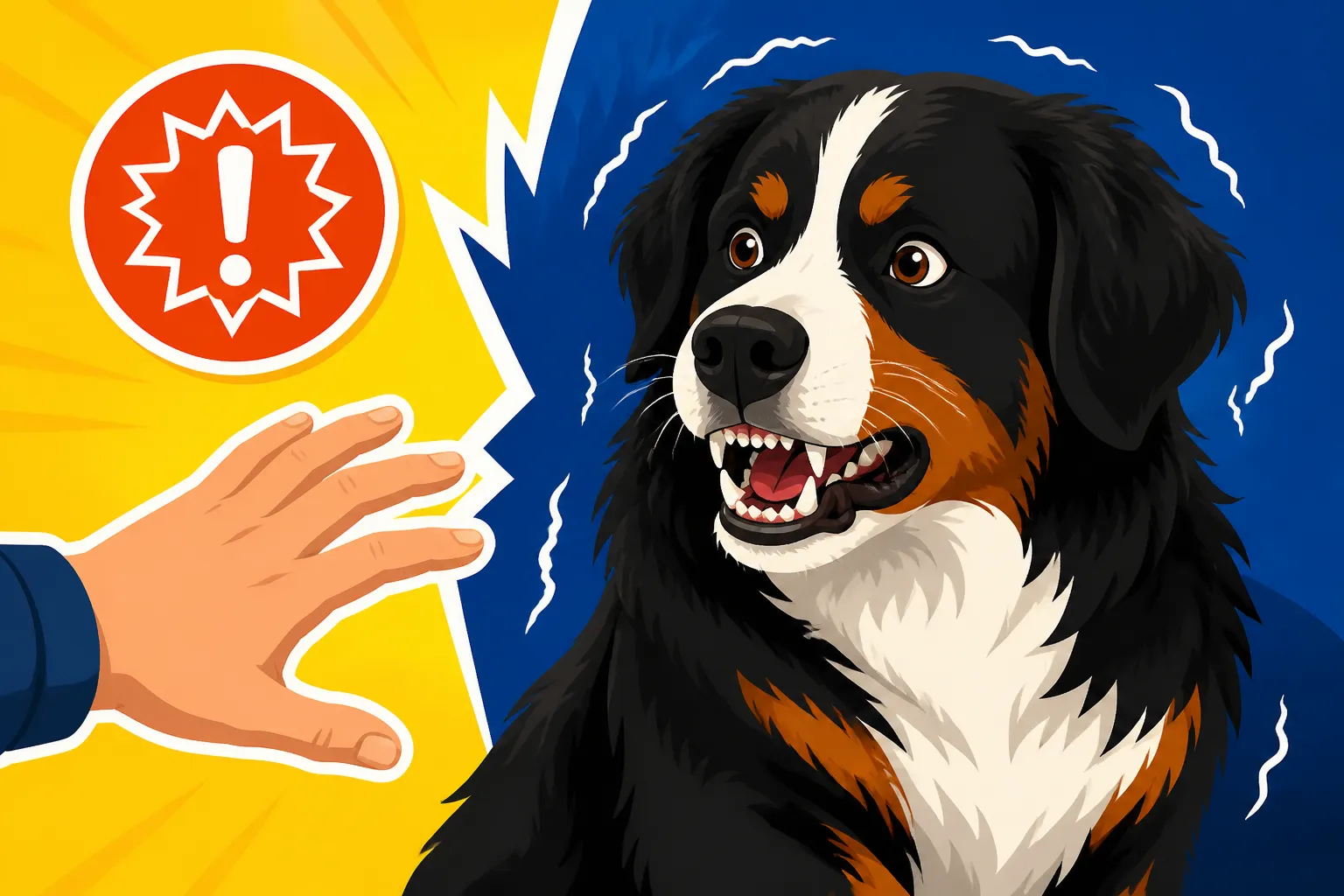
Whether a Nervous Bernese Mountain Dog Snaps
It’s a natural worry for any Bernese Mountain Dog owner, or prospective owner, to consider the "what if." These gentle giants are known for their sweet, affable nature, but the idea of a large dog, especially one that might be nervous, potentially snapping is a valid and serious concern. This guide will delve deep into understanding nervousness in Bernese Mountain Dogs, identifying the signs, exploring why it might lead to a snap, and most importantly, providing actionable strategies to prevent such incidents and build a confident, secure companion.
Decoding Nervousness in a Bernese Mountain Dog
When we talk about nervousness in a Bernese Mountain Dog, it’s not always the trembling, tail-tucked fear you might immediately picture. Often, it's far more subtle, a quiet unease that can build up if not recognized and addressed. Understanding these nuances is key to preventing any escalation.
What "Nervous" Really Looks Like
A nervous Berner might not openly cower, but their body language will tell a story if you know how to read it. It could be a slight stiffening of the body when a stranger approaches, a quick flick of the tongue, or even a yawn when there’s no reason for tiredness. Their tail might be low, but not necessarily tucked, sometimes just held stiffly or moving in a tight, unrelaxed wag. They might avoid direct eye contact, turn their head away, or try to put distance between themselves and whatever is making them uncomfortable. Some Berners will try to make themselves smaller, crouching slightly, while others might become hyper-vigilant, constantly scanning their surroundings.
Think of it like this: your Berner is at a busy park, and a group of loud children run towards them. Instead of barking or growling, your dog might simply freeze, perhaps lean against your leg a little more, or try to walk behind you. They might lick their lips repeatedly or suddenly become intensely interested in a patch of grass. These are all signs of stress and mild nervousness. If these subtle signals are ignored, or if the stimulus continues or intensifies, the dog's discomfort can grow. Learning to Reading Fear in a Bernese Mountain Dog That Retreats is crucial here.
Common Triggers for Bernese Nervousness
Bernese Mountain Dogs, despite their robust appearance, can be quite sensitive. Their nervous triggers can vary widely, just like in people. For some, it might be novel environments, like a bustling city street if they're used to quiet suburban life. For others, it’s specific sounds – thunder, fireworks, or even the vacuum cleaner. Strangers are a big one for many Berners; while they're generally good-natured, some can be reserved. A new person reaching out too quickly or invading their personal space can cause significant unease. This reservation can sometimes be misinterpreted as indifference, but it's often a form of nervousness.
Veterinary visits are another common trigger. The smells, the confinement, the handling by strangers, and sometimes painful procedures can create a deep-seated apprehension. Even something as simple as a new piece of furniture in the house or a change in routine can unsettle a sensitive Berner. It's not about them being "difficult," it's about their individual threshold for what they perceive as threatening or overwhelming. Remember, a Bernese Mountain Dog's immense size means they need to feel secure, and anything that shakes that security can trigger a nervous response.
Shyness Versus True Fear
It's important to distinguish between shyness and true fear, though they often exist on a spectrum. A shy Bernese Mountain Dog might be reserved with strangers, taking their time to warm up, preferring to observe from a distance, or choosing to A Bernese Mountain Dog That Is Aloof With Strangers. They might not seek out interaction immediately but are generally not aggressive. With gentle encouragement and positive experiences, a shy Berner can often become more confident and accepting.
True fear, however, is a deeper, more primal response. A truly fearful Bernese Mountain Dog might actively try to escape a situation, display appeasement behaviors (like excessive licking or rolling over), or, if cornered, resort to defensive aggression. This is where the risk of snapping becomes higher. A fearful dog perceives a direct threat and may feel they have no other option for self-preservation. It's a significant difference, and how you approach each situation needs to be tailored. Understanding this distinction helps you avoid pushing a nervous dog into a truly fearful state.
The Path from Nervousness to Snapping
No one wants to imagine their beloved Berner snapping, but understanding how a dog might get to that point is crucial for prevention. It's rarely a sudden, unprovoked act, but rather a culmination of ignored signals and escalating discomfort.
The Fight, Flight, or Freeze Response in Berners
Dogs, like many animals, have an innate "fight, flight, or freeze" response when faced with perceived danger.
- Freeze: This is often the first, subtle sign of nervousness. Your Berner might stop moving, become very still, or appear to "shut down." They're assessing the situation.
- Flight: If possible, a nervous Bernese Mountain Dog would much rather escape the perceived threat. They might try to pull away, hide behind you, or move to another room. This is a common response when a dog feels overwhelmed.
- Fight: This is the last resort. If a Bernese Mountain Dog feels trapped, cornered, or that their previous signals (like freezing or trying to flee) have been ignored, they may escalate to a warning snap or bite. This is not out of malice, but out of desperation and a profound sense of insecurity or threat.
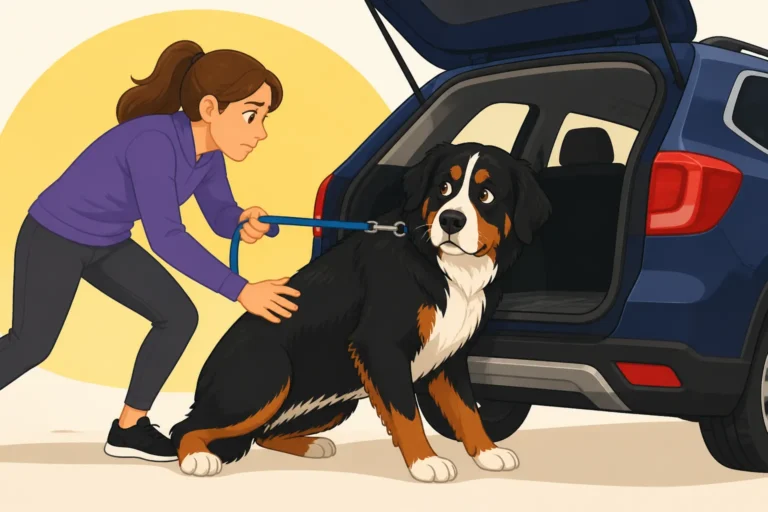
Imagine a Berner who is incredibly uncomfortable at the vet. They've tried to pull away, they've stiffened, maybe they've even tried to hide their head in your side during an examination. If the handler continues to press, perhaps restraining them more firmly, the dog might feel their options for "flight" are gone. This is where a quick, defensive snap might occur, often without breaking skin, as a frantic plea for space. For routine check-ups, especially for a dog that finds itself in a new, often clinical environment, learning Handling a Bernese Mountain Dog at the Vet with care and patience is vital.
When Warning Signs Are Missed or Misinterpreted
The biggest reason a nervous Bernese Mountain Dog might snap is when their increasingly urgent warning signs are consistently missed or misinterpreted. Dogs communicate primarily through body language. We, as their human companions, need to become fluent in it. Before a dog snaps, they almost always offer a cascade of signals, often in this order:
- Subtle stress signals: Yawning, lip licking, head turns, averting gaze, sniffing the ground.
- Increased tension: Stiff body, whale eye (showing the whites of their eyes), tucked or rigid tail, closed mouth.
- Attempts to create distance: Moving away, leaning away, trying to escape.
- More overt warnings: Growling, snarling, air snapping (snapping in the air near the threat), lunging.
- The bite/snap: This is when the dog feels there are no other options.
Often, people focus only on the growl or snap as the "problem" behavior, without realizing it's the very last step in a long communication chain. If you punish a growl, you teach your dog not to growl, meaning they might skip that crucial warning and go straight to a snap next time they're uncomfortable. This is why a positive and force-free approach to Training a Bernese Mountain Dog Without Breaking It is so essential.
The Impact of Size and Breed Expectations
The Bernese Mountain Dog's large size is a double-edged sword when it comes to nervousness. On one hand, their imposing stature might make people more cautious, giving a nervous dog more space. On the other hand, their generally friendly reputation can lead people to assume all Berners are approachable and endlessly tolerant, regardless of what the dog is communicating. This can put a nervous dog in a difficult position. People might rush up, reach over their heads, or hug them, assuming the dog will love it, when a nervous Berner might be screaming for space with every fiber of their being.
The sheer power behind a Bernese Mountain Dog means that even a "warning" snap can be serious, simply due to their size and jaw strength. This is why prevention and early intervention for nervousness are not just about the dog's well-being, but also about public safety and ensuring positive interactions for everyone involved. We expect so much from our large dogs, but we must remember they are still dogs, with their own fears and sensitivities.
Strategies for Prevention and Building Confidence
The good news is that nervousness in Bernese Mountain Dogs can often be managed, and confidence can be built with the right approach and consistent effort.
Early Socialization and Positive Reinforcement
The foundation of a confident Bernese Mountain Dog starts in puppyhood. Socializing a Reserved Bernese Mountain Dog Puppy is crucial, but it’s not just about exposing them to everything; it’s about providing positive and controlled exposure. This means:
- Diverse experiences: Introduce your puppy to different sights, sounds, people, and gentle dogs.
- Positive associations: Pair every new experience with high-value treats and praise. The goal is for your puppy to associate new things with good feelings.
- Short, sweet sessions: Avoid overwhelming your puppy. A quick, positive encounter is far better than a long, stressful one.
- Never force: If your puppy seems hesitant or fearful, don't force them into a situation. Retreat and try again later, or from a greater distance.
An online program like BAXTER & Bella offers structured guidance for puppy training and socialization, which can be invaluable for new Berner owners, helping you navigate these crucial early months with positive, consistent methods. Their step-by-step approach ensures you're building a strong foundation without creating undue stress.
Creating a Safe and Predictable Environment
A nervous Bernese Mountain Dog thrives on routine and predictability. They need to know what to expect.
- Consistent schedule: Regular feeding times, walk times, and quiet times can reduce anxiety.
- Safe spaces: Ensure your Berner has a designated "safe zone" – a crate, a bed in a quiet room, or a corner where they can retreat when feeling overwhelmed. This should be a place where no one bothers them.
- Minimize sudden changes: If you need to introduce something new (like a guest, or a new piece of furniture), do it gradually and positively.
- Manage triggers: Identify your dog's triggers and actively work to minimize their exposure, or change the association. If the vacuum scares them, perhaps put them in their safe space with a long-lasting chew when you vacuum, or introduce it very slowly with treats.
Here's a table outlining ways to address common Berner anxieties:
| Anxiety Trigger | Signs of Nervousness | Management Strategy | Example |
|---|---|---|---|
| New People | Hiding, leaning away, stiff body, lip licking | Controlled introductions, high-value treats, teach guests etiquette | Have guests ignore your Berner initially, toss treats, and let the dog approach on their terms. Teach Teaching Strangers How to Greet a Bernese Mountain Dog. |
| Loud Noises | Startling, panting, pacing, seeking cover | Create a safe den, desensitization, classical conditioning | Play storm sounds quietly while giving treats. Provide a secure, sound-proofed crate during fireworks. |
| Vet Visits | Reluctance to enter, trembling, avoidance, aggression | Positive prior visits (no procedures), high-value rewards, muzzle training | Pop into the vet for just treats and praise, no exam. Practice Muzzling a Frightened Bernese Mountain Dog at the Clinic with treats. |
| Novel Environments | Hesitation, sniffing excessively, low tail, slow movement | Gradual exposure, short positive trips, ample rewards | Start with short walks in new, quiet areas. Reward your Berner for calm exploration. If Whether a Reserved Bernese Mountain Dog Copes in Class is a concern, consider private lessons initially. |
| Being Alone | Pacing, whining, barking, destructive behavior | Gradual desensitization, crate training, enrichment toys | Practice leaving for very short periods, gradually increasing duration. Give a frozen Kong or other chew. For dogs that truly struggle, see The Bernese Mountain Dog That Cannot Bear Being Left. |
Working with a Professional
Sometimes, nervousness goes beyond what a typical owner can manage alone. If your Bernese Mountain Dog displays consistent fear, growling, or snapping, seeking help from a certified professional dog trainer or a veterinary behaviorist is paramount. They can help identify the root cause of the nervousness, create a tailored behavior modification plan, and teach you advanced techniques for managing and improving your dog's confidence. They can also rule out any underlying medical conditions that might be contributing to behavioral changes. Don't hesitate to reach out; early intervention is always best.
Management Strategies for Known Triggers
While you work on building confidence, management is key to preventing incidents.
- Muzzle Training: For a dog with a history of snapping, or one whose nervousness is severe, muzzle training is a responsible safety measure. It's not punishment; it’s a tool that allows a dog to safely participate in situations that might otherwise be too stressful, without the risk of harm. Introduce a comfortable muzzle, like one from Amazon that allows for panting and drinking, slowly and positively with lots of treats.
- Controlled Interactions: Don't force your Berner into interactions they're uncomfortable with. If a stranger wants to pet them, it's okay to say no. Manage the environment to prevent your dog from being overwhelmed.
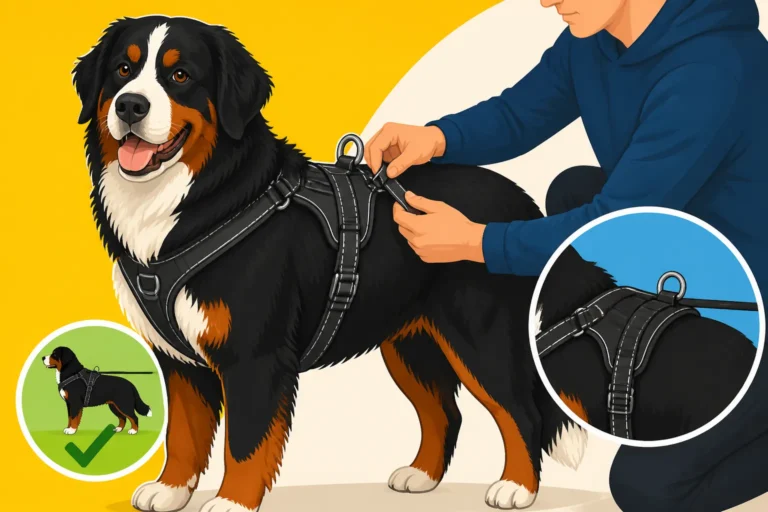
- Leash Management: Use a well-fitting harness and leash to maintain control in public. A front-clip harness can help manage a strong puller, preventing your Berner from lunging into an uncomfortable situation. Leash Manners on a Hundred Pound Bernese Mountain Dog are essential.
- Avoid Punishment: Punishment can exacerbate fear and make a nervous dog more likely to snap. Focus on positive reinforcement, rewarding calm behavior and creating positive associations.
Respecting Your Berner's Boundaries for a Peaceful Life
Ultimately, preventing a nervous Bernese Mountain Dog from snapping comes down to deep understanding, consistent effort, and unwavering respect for their individual needs and boundaries.
Reading and Respecting Body Language
This cannot be stressed enough: become a student of canine body language. Your Bernese Mountain Dog is constantly communicating. Pay attention to their ears, eyes, mouth, tail, and overall posture. If you see signs of stress or discomfort, listen to them. Give them space, remove them from the situation, or intervene to make them feel safer. Never push a dog past their comfort zone, especially if they are already exhibiting warning signs. This is about building trust and ensuring they feel safe enough to communicate without escalating to a snap. You want your Berner to know that you are their advocate.
Teaching Others How to Interact
Because Berners are so appealing, people often rush to interact with them. It's your job to educate others on how to approach your dog respectfully.
- "Ask before you pet": Teach children and adults to always ask permission.
- "No unsolicited touching": Advise people not to reach over your dog's head, or to rush in for a hug.
- "Let the dog approach": Encourage people to let your Berner come to them, if they choose, for a gentle scratch under the chin or on the chest, rather than forcing interaction.
- "Treats are great": Have treats on hand for approved interactions to create positive associations with new people.
This is especially true for children. While Bernese Mountain Dogs are generally wonderful with kids, any dog can snap if startled or if their boundaries are ignored. Teach children to be gentle, to respect personal space, and supervise all interactions closely. For more insights on this, read A Bernese Mountain Dog Around Children.
Knowing When to Give Your Dog Space
Not every uncomfortable situation needs to be "fixed" with training in the moment. Sometimes, the kindest and safest thing you can do for your nervous Bernese Mountain Dog is simply to remove them from the trigger or give them space. If you're on a walk and see something that makes your Berner anxious, cross the street, turn around, or find a quiet spot to wait it out. If guests are over and your dog is showing signs of stress, let them retreat to their crate or a quiet room. It's not a failure in training; it's responsible management.
Giving your dog the choice to disengage empowers them and reinforces that you understand and respect their needs. Over time, as their confidence grows through positive experiences and your consistent advocacy, they may become more resilient. But until then, be their protector, and understand that sometimes, simply removing them from a stressful situation is the best way to prevent a snap and build their trust in you.
Disclaimer
This article is for general informational purposes only and does not constitute professional advice. Laws, prices and regulations vary by location and change over time. Consult a qualified professional for guidance on your specific situation.