What a Teething Bernese Mountain Dog Can Safely Destroy
That adorable Bernese Mountain Dog puppy you brought home, all fluff and clumsy paws, suddenly transformed into a tiny land shark, eyeing your favorite armchair with menacing intent. It’s a common, and often frustrating, rite of passage for many puppy owners: the relentless chewing that comes with teething. This guide will help you understand why your Bernese Mountain Dog puppy feels the irresistible urge to chew on everything and, more importantly, what safe, satisfying outlets you can provide to save your furniture, your sanity, and their precious puppy teeth.
Understanding Teething in Bernese Mountain Dogs
Watching your sweet Berner puppy meticulously dismantle a chair leg can feel like an act of defiance, but it's rarely malicious. Teething is a natural, often uncomfortable process that drives puppies to chew. For a large breed like the Bernese Mountain Dog, with powerful jaws developing early, this instinct is especially strong and can lead to significant The Chew Damage a Bernese Mountain Dog Puppy Does if not properly managed.
The Teething Timeline and What to Expect
Just like human babies, Bernese Mountain Dog puppies go through distinct teething phases. It usually starts around 3-4 weeks of age when their tiny, needle-sharp puppy teeth begin to emerge. By 6-8 weeks, they should have a full set of 28 puppy teeth. This is often when you bring your new family member home, and things are relatively calm, albeit with some nipping and mouthing that you'll want to address early.
The real "land shark" phase kicks in when those puppy teeth start falling out to make way for their 42 adult teeth. This typically happens between 12 weeks (3 months) and 6 months of age, though it can sometimes extend a little longer. You might find tiny teeth on the floor, or your puppy might just swallow them – both are perfectly normal. During this time, your puppy's gums can be sore and inflamed, and the pressure from chewing offers them immense relief. It's a bit like a baby with a teething ring, but with a lot more force behind it!
Why Berners Need to Chew So Much
Bernese Mountain Dogs are big dogs, and their mouths and jaws develop rapidly. This isn't just about relieving gum pain; it's also about exploring their world and developing jaw strength. Their ancestors were working dogs, bred for tasks that required strength and resilience, and this natural drive to use their mouths is deeply ingrained. A Berner puppy isn't just gnawing; they're learning about textures, smells, and how things respond to pressure.
This intense need to chew can feel overwhelming, especially if your Bernese Mountain Dog puppy seems to have an insatiable appetite for destruction. They're not being "bad"; they're simply following a powerful instinct. Understanding this can help you approach the situation with more patience and a focus on redirection rather than punishment. Providing appropriate outlets is key to shaping their behavior and preventing them from developing habits of chewing on inappropriate items around the house. You might notice this intense chewing coinciding with other adolescent behaviors, as a Bernese Mountain Dog really stays a puppy until about three years old in many ways.
Safe Chewing Options for Teething Berners
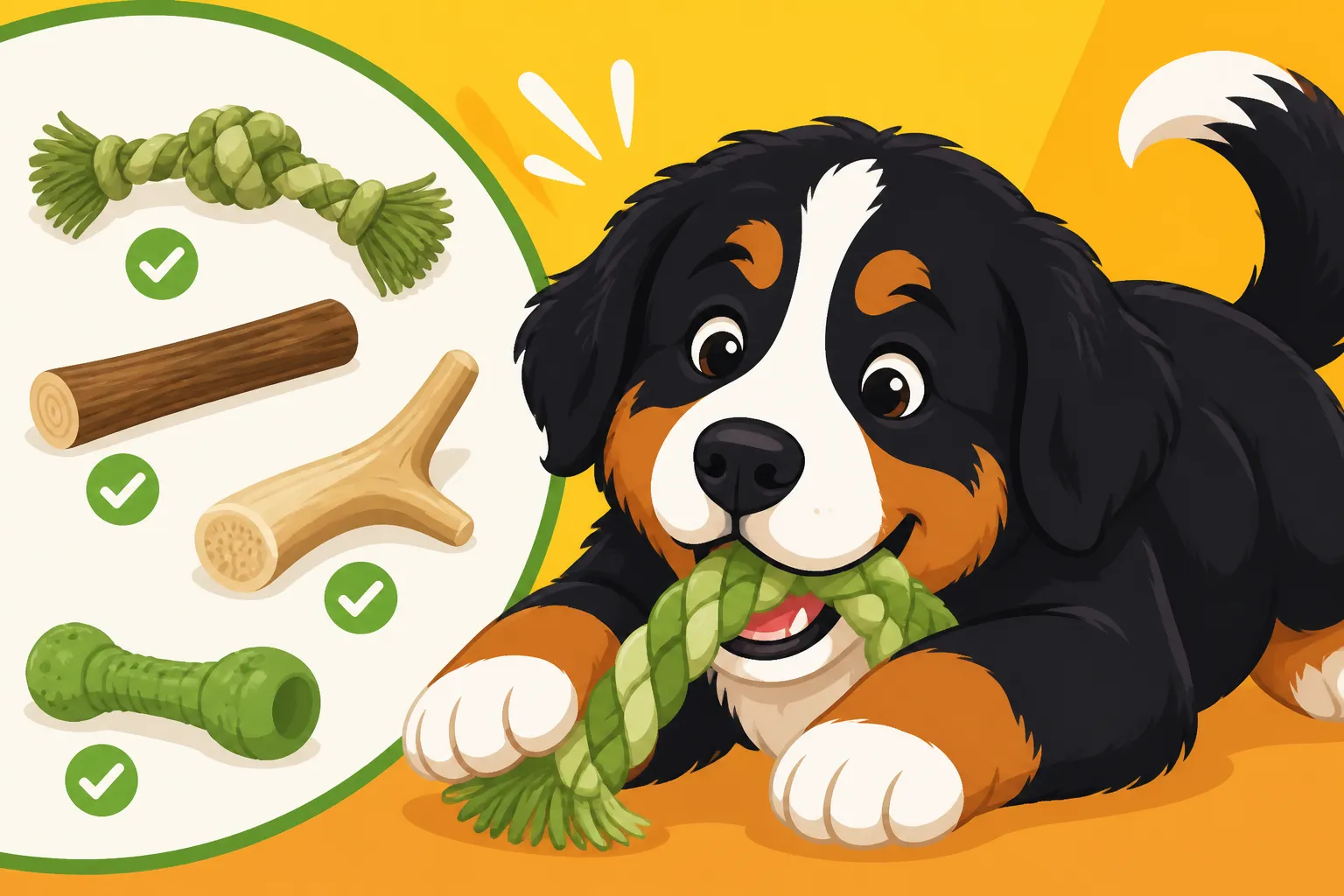
The good news is that there are plenty of safe, satisfying options that can meet your Bernese Mountain Dog puppy's chewing needs. The goal is to provide things that are durable, appropriately sized, and won't splinter or break off into swallowable pieces.
Durable Rubber and Nylon Toys
When it comes to teething, sturdy rubber and nylon toys are often your best friends. Look for products specifically designed for "power chewers" or large breeds, as a typical puppy toy might not stand up to the developing strength of a Bernese Mountain Dog jaw for long.
- Rubber Puzzle Toys (e.g., Kongs): These are absolute champions for teething puppies. A classic Kong toy can be stuffed with soft treats, wet food, or even a bit of pureed pumpkin mixed with kibble and then frozen. The cold provides extra soothing relief for sore gums, and the challenge of getting the food out keeps them engaged for extended periods. This combination of chewing, licking, and mental stimulation is perfect for a teething Berner. You can find a huge selection of these durable toys on sites like Chewy or Amazon.
- Durable Nylon Chews (e.g., Nylabone, Benebone): Many brands offer nylon bones in various shapes and flavors. These are designed to be slowly worn down by chewing, providing a long-lasting outlet. When choosing these, make sure they are appropriately sized for your growing Bernese Mountain Dog. If small pieces start breaking off, it's time to replace the chew. Always supervise your puppy with new chew toys to ensure they are using them safely.
Remember, the key is durability. A plush toy might be fun for a moment, but it's unlikely to satisfy the deep-seated chewing urge of a Berner puppy and will quickly be dismembered. Focus on toys that are tough, non-toxic, and designed for vigorous chewing.
Edible Chews for Short-Term Relief
While durable toys are great for sustained chewing, some edible chews can provide short bursts of intense satisfaction and relief. These need to be chosen carefully, prioritizing safety and digestibility.
- Dental Chews: Many brands offer dental chews designed to help clean teeth and satisfy chewing instincts. Look for ones that are digestible and appropriate for large breed puppies. Always check the ingredients and ensure they are made for dogs. Some high-quality pet food brands, like Ollie, may also offer suitable treat options for stuffing into toys or as occasional safe chews.
- Bully Sticks/Esophagus Chews: These are very popular and highly palatable for most puppies. They are generally digestible and less likely to splinter than rawhide. However, they can still pose a choking hazard if a large piece breaks off, so supervision is crucial, especially as the stick gets smaller. You'll find these easily on Chewy.
- Frozen Carrots/Green Beans: For a simple, inexpensive, and healthy option, try freezing whole carrots or green beans. The cold hardens them, making them satisfyingly crunchy and cooling for sore gums. Just be mindful of the size of the carrot – too large might be hard for smaller puppy jaws, and too small could be a choking hazard. These should be given in moderation as treats and not as a replacement for balanced meals, especially since Whether a Bernese Mountain Dog Puppy Needs Puppy Food is crucial for their growth.
DIY Frozen Treats
Sometimes the best solutions are the simplest ones you can whip up in your own kitchen. Frozen items are particularly soothing for tender gums and can be a lifesaver during intense teething periods.
- Frozen Washcloths: Take a clean washcloth, dampen it, wring it out, and then twist it into a rope shape. Freeze it solid. The cold, slightly pliable cloth provides a great textured surface for your puppy to gnaw on, and the cold helps numb their aching gums. Just make sure the washcloth is clean and free of any detergents that could upset their stomach.
- Ice Cubes: Plain ice cubes can be a surprising hit. Some puppies love to crunch on them, and the cold is a welcome sensation. Be cautious if your puppy tries to swallow large chunks; offer smaller cubes or crushed ice if needed.
- Stuffed & Frozen Kongs (revisited): We mentioned Kongs earlier, but for DIY, try stuffing them with a mixture of plain yogurt and a few kibbles, or peanut butter (ensure it's xylitol-free!), and then freezing it. This creates a long-lasting, soothing treat that’s healthy and engaging. This method can keep a puppy happily occupied while you tend to other tasks, and it's a great way to manage their energy after a short play session, especially given The Five Minute Rule and a Bernese Mountain Dog Puppy for exercise.
Unsafe Chews and Household Hazards
Just as important as knowing what to provide is knowing what to avoid. A Bernese Mountain Dog puppy can inflict serious damage on household items, and some common household objects or inappropriate chews can pose significant health risks.
Common Household Items to Protect
It might seem obvious, but when a Berner puppy is teething, everything at mouth height is a potential chew toy. They don't differentiate between their toys and your prized possessions.
- Furniture and Woodwork: Table legs, chair rungs, baseboards, and even door frames are prime targets. The texture of wood can be incredibly satisfying for sore gums, but it can lead to splinters, broken teeth, and costly repairs. Consider protecting vulnerable areas with bitter apple spray or physically blocking access with gates.
- Shoes, Clothes, and Personal Items: Your favorite sneakers, a discarded sock, a wallet left on the coffee table – these items carry your scent, making them highly attractive to your puppy. Not only can they be destroyed, but ingesting fabric or leather can lead to serious gastrointestinal blockages requiring emergency veterinary care.
- Remote Controls, Glasses, and Electronics: These items are often within easy reach and contain small components or batteries that are extremely dangerous if ingested. A chewing puppy can quickly render them useless or, worse, suffer from internal injuries or poisoning.
- Electrical Cords: This is perhaps one of the most dangerous hazards. Chewing on live electrical cords can lead to severe burns, electrocution, or even death. All accessible cords should be covered, secured, or routed out of reach.
Dangerous Chews to Avoid
Not all "chew" items are created equal, and some seemingly natural or robust options can be very harmful to your Bernese Mountain Dog.
- Cooked Bones: While raw bones can be appropriate for some adult dogs under strict supervision, cooked bones are an absolute no-go. Cooking makes bones brittle, causing them to splinter easily into sharp fragments that can cause internal perforations, blockages, or severe dental damage. Never give your Bernese Mountain Dog any cooked bones, including those from chicken, turkey, or steak.
- Antlers and Very Hard Nylabones: While some dogs do well with antlers, for powerful chewers like Berners, they can be too hard and lead to broken teeth, slab fractures, or severe gum injuries. If you can't indent it with your thumbnail, it's likely too hard for your dog's teeth. The same applies to certain extremely hard nylon chews that don't wear down, but rather chip. Always err on the side of caution when it comes to tooth health; repairing a broken tooth can be incredibly expensive and painful for your puppy. What Oncology Bills Reach for a Bernese Mountain Dog or What Bloat Surgery Costs on a Bernese Mountain Dog can give you an idea of vet bill extremes, but dental surgery is no small matter either.
- Plastic Bottles and Small Toys: While the crunch of a plastic bottle might be entertaining for a moment, puppies can quickly chew off and ingest pieces of plastic, which can cause choking or internal blockages. Similarly, small toys not designed for large breed puppies can be swallowed whole or chewed into dangerous fragments. This is especially true for children's toys, which are not designed to withstand a dog's jaws.
- Rawhide: This is a controversial topic, but many vets advise against rawhide. It's often difficult to digest, can expand in the stomach, and poses a significant choking hazard as it softens and large pieces are swallowed. There are many safer, more digestible alternatives available.
Managing Teething Behavior Beyond Chews
Providing safe chew toys is paramount, but it's only one piece of the puzzle. Effective management of a teething Bernese Mountain Dog puppy also involves supervision, consistent training, and ensuring their physical and mental needs are met.
Supervision and Puppy-Proofing
You simply cannot supervise your Bernese Mountain Dog puppy enough during the teething phase. They are masters of finding that one un-chewed item in a seemingly secure room. Think like a Berner puppy – what’s at mouth level? What smells interesting?
- Constant Vigilance: When your puppy is awake and not contained, keep an eye on them. If you can't actively watch them, they should be in a safe, puppy-proofed area like a crate or a playpen. This is particularly important because Whether a Bernese Mountain Dog Hides Discomfort can sometimes make it hard to tell if they're in pain or just bored and destructive.
- Physical Barriers: Baby gates are your best friend. Use them to section off areas of your home that are not puppy-proofed or that contain valuable items. A large breed puppy like a Bernese Mountain Dog can easily clear low gates, so invest in sturdy, tall ones. For particularly tempting items like furniture legs, consider using covers or physical blockers until the intense chewing phase passes.
- Crate Training: A crate provides a safe, secure den for your Bernese Mountain Dog puppy when you can't supervise them directly. It's a place where they can't get into trouble, provided it's free of anything they shouldn't chew. This also helps with house training and teaches them to be comfortable A Bernese Mountain Dog Left Alone.
Redirection and Positive Reinforcement
Punishing a puppy for chewing on the wrong thing is rarely effective and can damage your bond. Instead, focus on redirection and rewarding good behavior.
- Interrupt and Redirect: If you catch your Bernese Mountain Dog puppy chewing on something inappropriate, don't scold harshly. Instead, make a sharp, attention-grabbing noise (like a clap or a firm "Ah-ah!") to interrupt the behavior. Immediately offer them an appropriate chew toy. As soon as they take the toy in their mouth and start chewing, praise them enthusiastically and offer a small, high-value treat. This teaches them, "If I chew this, good things happen."
- Make Appropriate Chews Exciting: Rotate your puppy's chew toys to keep them novel and interesting. Stuff Kongs with different treats, freeze them in new ways, or occasionally introduce a brand-new, safe chew toy to pique their interest. The more exciting the legal chews are, the less appealing your shoe will seem.
- Consistent Training: This chewing phase is a perfect time to reinforce basic commands like "leave it" and "drop it." These commands can be invaluable for getting your puppy to release an inappropriate item. Enroll in puppy classes; Training Class Prices for a Bernese Mountain Dog Puppy are a worthwhile investment in shaping good habits.
Exercise and Mental Stimulation
A tired puppy is a good puppy, and this holds especially true for a teething Bernese Mountain Dog. Physical and mental exercise can significantly reduce destructive chewing.
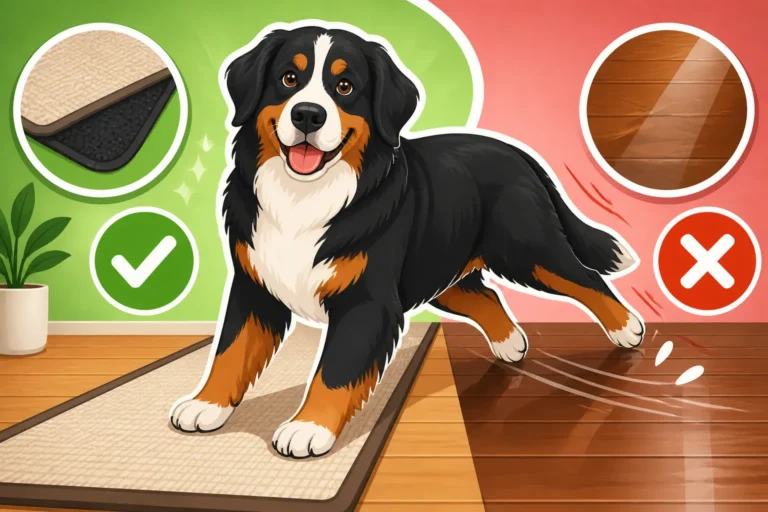
- Appropriate Exercise: While Bernese Mountain Dog puppies need controlled exercise to protect their developing joints, they still need outlets for their energy. Short, frequent walks on soft surfaces, gentle play in the yard, or supervised play sessions with appropriate doggy friends can help burn off energy. Remember to be mindful of Hard Surfaces and a Growing Bernese Mountain Dog and avoid excessive running or jumping during their crucial growth phases.
- Mental Games: Berners are intelligent dogs and need mental stimulation just as much as physical. Puzzle toys (even non-chew ones), obedience training sessions, scent games (hiding treats for them to find), and learning new tricks can be incredibly tiring for their minds. A mentally stimulated puppy is less likely to resort to chewing out of boredom or frustration.
- Training Sessions Short Enough for a Bernese Mountain Dog: Berners can be sensitive and have shorter attention spans as puppies. Keep training sessions brief, fun, and positive to maximize engagement. Short bursts of training can be a great way to redirect their energy and focus without overwhelming them. When you're feeding them, especially, remember that Why a Bernese Mountain Dog Never Gets One Big Meal and smaller, more frequent meals can also tie into training.
By understanding the "why" behind your Bernese Mountain Dog puppy's chewing and providing a structured environment with plenty of safe alternatives and proper redirection, you can navigate the teething phase successfully. You'll not only save your belongings but also lay the groundwork for a well-behaved adult dog.
Disclaimer
This article is for general informational purposes only and does not constitute professional advice. Laws, prices and regulations vary by location and change over time. Consult a qualified professional for guidance on your specific situation.