Heart Screening for a Bernese Mountain Dog
It’s a truly frightening moment when your vet mentions a heart murmur, or you notice your big, happy Bernese Mountain Dog starting to slow down, cough, or seem breathless after minimal exertion. Heart conditions in Berners can be insidious, often lurking silently and progressing quietly until they become advanced. The worry about what it might mean for your beloved companion’s limited time with you is perfectly understandable. This comprehensive guide is here to demystify heart screening for Bernese Mountain Dogs, helping you understand why it’s so important, what conditions to look for, and how to navigate the screening and management process to give your Berner the best possible quality of life.
Why Heart Health Is a Priority for Bernese Mountain Dogs
Berners, for all their robust appearance, unfortunately carry a predisposition to certain health challenges, and heart conditions are certainly on that list. Understanding this vulnerability is the first step in being a proactive and informed owner.
The Berner's Predisposition to Cardiac Issues
While cancer often takes the spotlight when discussing Bernese Mountain Dog health, cardiac conditions, though perhaps less common than some of the cancers associated with the breed, are still significant and can profoundly impact their quality of life and longevity. Just like with humans, some breeds are simply more prone to specific heart issues due to their genetic makeup. For Berners, conditions like Subvalvular Aortic Stenosis (SAS) and Dilated Cardiomyopathy (DCM) are of particular concern. These aren't just minor quirks; they are serious diseases that can lead to heart failure if not managed. When we talk about What Bernese Mountain Dogs Die Of, heart disease, while not the leading cause, still factors into the heartbreakingly short average lifespan of the breed. It's a sobering thought, but one that encourages vigilance.
It's not just about genetics either; a large, heavy-boned breed like a Bernese Mountain Dog puts a significant workload on their cardiovascular system. Their hearts have to pump blood efficiently throughout a much larger body than, say, a terrier, which can exacerbate any underlying weaknesses. This inherent physiological demand, combined with genetic predispositions, makes regular attention to their heart health absolutely non-negotiable for Berner owners.
Early Detection: A Game Changer for Lifespan
Think of heart screening like catching a small leak in a pipe before it bursts and floods your house. Early detection of heart conditions in Bernese Mountain Dogs can be an absolute game-changer. Many cardiac diseases are progressive, meaning they worsen over time. If a condition is identified in its early stages, there are often interventions—medications, dietary changes, and lifestyle adjustments—that can slow the progression, manage symptoms, and significantly extend your dog's comfortable life. For example, a mild murmur might be monitored, while a more significant finding could lead to medication that supports heart function before symptoms even become apparent. This proactive approach can potentially add precious months or even years to The Average Age a Bernese Mountain Dog Reaches, which, as many Berner owners painfully know, is already far too short.
Moreover, identifying a problem early means you and your vet have more options and time to formulate a management plan. It avoids the crisis situation where a dog suddenly collapses or goes into acute heart failure, which can be much harder to recover from and often carries a poorer prognosis. Early detection allows for a more controlled, thoughtful approach to care, improving both the quantity and quality of your Berner's life.
Common Heart Conditions in Bernese Mountain Dogs
While several heart conditions can affect any dog breed, Bernese Mountain Dogs have a higher incidence of specific issues. Knowing these helps you understand what your vet is looking for during screening.
Subvalvular Aortic Stenosis SAS
Subvalvular Aortic Stenosis, or SAS, is a congenital heart defect, meaning dogs are born with it. It’s a narrowing of the outflow tract from the left ventricle (the main pumping chamber of the heart) just below the aortic valve. This narrowing forces the heart to work much harder to pump blood out to the body, as it struggles against increased resistance. Over time, this increased workload causes the heart muscle to thicken (hypertrophy), especially the left ventricle, which can eventually lead to heart failure, arrhythmias, or even sudden death.
The severity of SAS can vary widely. Some Berners might have a very mild narrowing that barely impacts their life, while others can have a severe obstruction that causes significant symptoms early on. Often, the first sign a vet picks up is a heart murmur during a routine physical exam. This is why The Heart Murmur a Bernese Mountain Dog Puppy Has is always something to pay close attention to, even if it seems benign at first. While there's no cure for SAS, management often involves medications to reduce the heart's workload and improve blood flow. Surgical options are rare and often carry high risks.
Dilated Cardiomyopathy DCM
Dilated Cardiomyopathy, or DCM, is another serious heart condition that can affect Bernese Mountain Dogs, though it’s more commonly associated with breeds like Doberman Pinschers and Boxers. Unlike SAS, which is a structural defect present from birth, DCM is typically acquired, often appearing later in life, though it can have a genetic component. In DCM, the heart muscle becomes thin and weak, and the chambers of the heart, particularly the ventricles, become enlarged or "dilated." This dilation makes the heart inefficient at pumping blood, leading to a progressive loss of heart function and eventually heart failure.
Symptoms of DCM can be subtle at first and might include lethargy, decreased exercise tolerance, coughing (especially at night), and difficulty breathing. As the disease progresses, fluid can build up in the lungs (pulmonary edema) or abdomen (ascites). Early signs of Whether a Bernese Mountain Dog Hides Discomfort can be very subtle, so owners need to be observant of any changes in their Berner's energy levels or breathing. Treatment for DCM focuses on managing the symptoms and slowing the progression of the disease with a combination of medications to improve heart function, control arrhythmias, and reduce fluid buildup. Diet and activity modifications are also crucial components of living with DCM.
Other Less Common Cardiac Concerns
While SAS and DCM are the primary heart conditions of concern for Bernese Mountain Dog owners, it's worth noting that like any large breed, they can occasionally suffer from other cardiac ailments. These might include various arrhythmias (irregular heartbeats) that can sometimes be idiopathic (of unknown cause) or secondary to other conditions. Less commonly, Berners could be affected by conditions like pulmonic stenosis (narrowing of the valve leading to the lungs) or various forms of congenital heart disease that aren't specific to the breed but can occur in any individual.
It’s important not to get overwhelmed by the sheer number of possibilities, but rather to understand that a comprehensive The Cardiac Exam a Bernese Mountain Dog Should Have is designed to catch any significant anomaly, not just the most common ones. Your vet will always consider the full spectrum of possibilities based on their findings during examination and diagnostic testing.
When and How to Screen for Heart Problems
Being proactive about heart health is the best defense. This means understanding when screenings should start and what methods are typically employed.
The Importance of Baseline Screenings
For Bernese Mountain Dogs, especially those from breeding lines, baseline cardiac screenings are incredibly important, often starting at a young age. Many reputable breeders will have their puppies and breeding stock screened. For a puppy destined to be a family companion, a thorough initial vet check-up, including careful auscultation (listening to the heart), is standard. If any murmur is detected, further investigation is warranted. For breeding animals, the Bernese Mountain Dog Club of America (BMDCA) and other organizations recommend regular screenings for SAS, often performed by a board-certified veterinary cardiologist. These screenings, often including an echocardiogram, establish a baseline of heart health.
This initial screening is critical because conditions like SAS are congenital. Catching them early in a breeding dog prevents passing these genes down to future generations. For a pet Berner, it provides peace of mind or, if a condition is found, allows for early intervention, which can significantly improve prognosis. Remember, a comprehensive The Bernese Mountain Dog Health Panel will cover various genetic and orthopedic tests, and cardiac screening should absolutely be a part of that discussion, whether you're bringing home a puppy or considering breeding your dog.
Regular Check-ups and Symptom Awareness
Beyond those initial baseline screenings, regular veterinary check-ups are paramount throughout your Berner’s life. For adult Berners, this generally means at least an annual vet visit, where the vet will perform a thorough physical examination, including listening to the heart with a stethoscope. As your Bernese Mountain Dog ages, Screening an Older Bernese Mountain Dog becomes even more critical, as acquired conditions like DCM are more likely to manifest. At these check-ups, your vet might recommend additional diagnostic tests if they detect any changes.
However, a huge part of early detection falls on you, the owner. You spend the most time with your Berner, so you are best positioned to notice subtle changes in their behavior or health. Keep an eye out for:
- Decreased exercise tolerance: Getting tired more quickly on walks, not wanting to play as much.
- Coughing: Especially a persistent, soft cough, or a cough that worsens at night.
- Changes in breathing: Increased respiratory rate at rest, panting more than usual, difficulty catching breath.
- Lethargy or weakness: Less energy, slower to get up, seeming generally unwell.
- Weight loss or gain: Unexpected changes in body condition.
- Fainting or collapsing spells: Though these are usually signs of advanced disease.
Any of these symptoms, even if they seem minor, warrant a call to your veterinarian. Our gentle giants are known for their stoicism, and Whether a Bernese Mountain Dog Hides Discomfort is a real concern, meaning we often don't see overt signs until a problem is quite advanced.
Diagnostic Tools and Their Purpose
When your vet suspects a heart issue, or you’re undergoing a routine screening, they have a range of diagnostic tools at their disposal to get a clear picture of your Berner’s heart health. These tools provide different pieces of the puzzle:
- Auscultation (Listening to the Heart): This is the first and most basic step. Your vet uses a stethoscope to listen for murmurs, abnormal rhythms, or muffled heart sounds. A murmur is often the first clue that something might be amiss, indicating turbulent blood flow.
- Radiographs (X-rays): Chest X-rays can show the size and shape of the heart, the pulmonary vessels, and whether there is fluid buildup in the lungs (pulmonary edema) or around the heart (pericardial effusion). While they don't show the heart's function, they're excellent for assessing lung health and overall heart size.
- Electrocardiogram (ECG/EKG): An ECG measures the electrical activity of the heart. It’s used to detect arrhythmias (irregular heartbeats) and to assess the heart's rhythm and rate. It doesn't provide information about the heart's structure or pumping ability, but it's crucial for identifying electrical abnormalities.
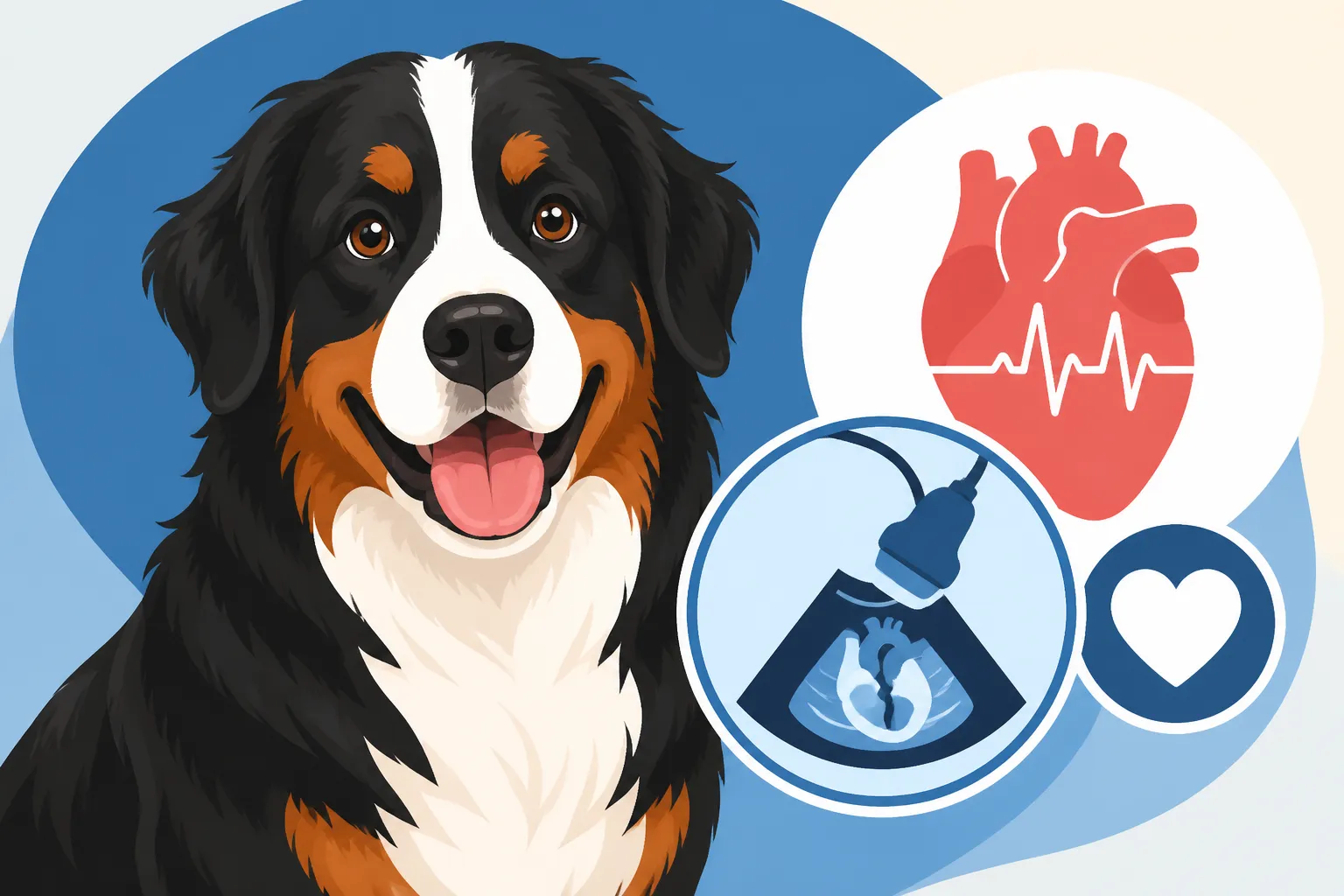
- Echocardiogram (Cardiac Ultrasound): This is considered the gold standard for diagnosing most heart conditions. An echocardiogram uses sound waves to create real-time images of the heart's chambers, valves, and surrounding structures. It allows a specialist to measure chamber size, wall thickness, assess valve function, and determine how well the heart is pumping blood. This test provides invaluable structural and functional information that other tests cannot.
- Blood Tests: While not directly diagnosing heart disease, certain blood tests, such as those checking for cardiac biomarkers (like NT-proBNP), can indicate stress or damage to the heart muscle. Additionally, Bloodwork a Bernese Mountain Dog Should Have Yearly helps rule out other systemic diseases that might mimic heart symptoms or contribute to cardiac stress, such as thyroid conditions or kidney disease.
Each of these tools serves a unique purpose, and often a combination is used to get a comprehensive understanding of your Berner's cardiac health.
Understanding the Screening Process
It can be a little daunting taking your big Berner in for specialized tests, especially if you’re unsure what to expect. Let's walk through the typical steps involved in heart screening.
The Physical Exam and Auscultation
Every visit to the vet for your Bernese Mountain Dog, whether it's a routine check-up or a specific concern, begins with a thorough physical examination. This is foundational. Your veterinarian will check your Berner's general demeanor, assess their respiratory rate and effort, check their mucous membranes, and palpate their pulse. A critical part of this exam, especially for heart screening, is auscultation. Using a stethoscope, your vet will carefully listen to several areas of your dog's chest.
What are they listening for? They're primarily tuning into heart sounds to detect any murmurs, which are sounds caused by turbulent blood flow. Murmurs can range from very faint (Grade 1) to very loud (Grade 6) and are often classified by where they are loudest and when they occur in the cardiac cycle. They'll also be listening for any abnormal heart rhythms, known as arrhythmias, which can sound like skipped beats or a very fast, irregular rhythm. The presence of a murmur or an arrhythmia doesn't automatically mean severe heart disease, but it's a significant indicator that further investigation, typically with more advanced diagnostics, is necessary. This initial listening provides crucial clues and directs the next steps in the diagnostic process.
Echocardiograms: The Gold Standard
If a murmur or other abnormality is detected during the physical exam, or if a baseline screening is being performed, an echocardiogram is usually the next step. This non-invasive ultrasound of the heart is often performed by a board-certified veterinary cardiologist. During an echocardiogram, your Berner will lie calmly, often on a special table with a cutout, allowing the cardiologist to access their chest. A small area of fur might be shaved, and an ultrasound gel applied. The cardiologist then uses a probe to capture detailed, moving images of the heart.
This isn't just a static picture; it's a dynamic view of the heart in action. The cardiologist can observe the size of the heart chambers, the thickness of the heart walls, how the valves are opening and closing, and measure the velocity and direction of blood flow. This detailed functional assessment is invaluable for diagnosing conditions like SAS, where they can measure the degree of narrowing, or DCM, where they can assess the pumping efficiency and chamber dilation. Most Berners tolerate an echo very well, often just needing a quiet, calm environment. In rare cases, for particularly anxious or boisterous dogs, mild sedation might be necessary, but this is always carefully considered, especially when Putting a Hundred Pound Bernese Mountain Dog Under any form of anesthesia. The echocardiogram provides the most comprehensive information regarding the structural and functional health of your Berner's heart.
Electrocardiograms ECG and Holter Monitoring
While an echocardiogram gives us a picture of the heart's structure and function, an electrocardiogram (ECG or EKG) focuses on its electrical activity. This test is crucial for detecting and characterizing arrhythmias. During a standard ECG, small electrodes are attached to your Berner's legs and chest, recording the electrical signals that make the heart beat. It’s a quick, painless procedure that can identify irregular heartbeats, very fast or slow heart rates, and other electrical abnormalities.
However, a standard ECG only captures a few minutes of heart activity, and many arrhythmias are intermittent. This is where Holter monitoring comes in. A Holter monitor is a portable ECG device that your Berner wears, typically for 24 hours, while going about their normal daily activities. This allows for continuous monitoring of heart rhythm over an extended period, significantly increasing the chances of catching intermittent arrhythmias that might be missed during a short, in-clinic ECG. The device is usually placed in a vest that fits comfortably around your Berner's chest. It's especially useful for diagnosing conditions that cause sporadic fainting spells or sudden weakness, which might indicate an underlying electrical issue within the heart. Both ECG and Holter monitoring are vital tools for a full cardiac assessment, especially when electrical abnormalities are suspected.
Interpreting Results and Navigating a Diagnosis
Getting those results back can be a nerve-wracking experience. It's important to understand what the findings might mean and what steps come next.
When a Murmur Is Just a Murmur
It’s completely natural to panic when your vet says, “Your Bernese Mountain Dog has a heart murmur.” However, it’s crucial to understand that not all murmurs are cause for immediate alarm. Puppy murmurs, for instance, are quite common and often resolve on their own as the puppy grows, referred to as innocent or physiological murmurs. These are usually soft, low-grade murmurs and are typically not associated with any underlying heart disease. Your vet will monitor The Heart Murmur a Bernese Mountain Dog Puppy Has over subsequent visits, and if it disappears by around 4-6 months of age, it's usually nothing to worry about.
Even in adult Berners, some murmurs might be very low grade or intermittent and might not indicate severe disease, though they always warrant investigation. Sometimes, a murmur can be caused by conditions outside the heart itself, like anemia or fever, which increase blood flow velocity. The key is that a murmur is a symptom that indicates turbulent blood flow, not a diagnosis in itself. It’s a red flag that prompts further diagnostic tests like an echocardiogram to determine the underlying cause and severity. A skilled veterinary cardiologist can often distinguish between a benign murmur and one that signifies serious heart disease.
Confirmation of a Diagnosis
If the initial physical exam and subsequent diagnostics, like an echocardiogram, reveal an underlying heart condition, your veterinarian or cardiologist will provide a definitive diagnosis. This is the point where things can feel heavy, but remember, knowledge is power. They will explain the specific condition, its severity, and its potential impact on your Bernese Mountain Dog’s life. For instance, if SAS is confirmed, they'll grade its severity (mild, moderate, severe) based on blood flow velocities measured during the echo. If DCM is diagnosed, they’ll discuss the extent of heart muscle weakening and chamber dilation.
This confirmation is critical for several reasons. First, it allows for a tailored treatment plan. There's no one-size-fits-all approach to heart disease. Second, it provides a prognosis, giving you a realistic idea of what to expect regarding your Berner's lifespan and quality of life. Third, it allows you to begin making informed decisions about care, lifestyle adjustments, and even financial planning for the future. Don't hesitate to ask your vet or cardiologist as many questions as you need to fully grasp the diagnosis and its implications. They are there to guide you through this challenging time.
Treatment and Management Options
Once a heart condition is diagnosed, treatment and management strategies will be put in place, often by a veterinary cardiologist. The goal is rarely a "cure," but rather to manage symptoms, slow disease progression, improve the heart's function, and enhance your Berner's quality of life. Medications are typically the cornerstone of treatment for most heart conditions.
For conditions like SAS, medications might include beta-blockers to reduce the heart's workload and anti-arrhythmics if irregular heartbeats are present. For DCM, a combination of medications is often used, such as ACE inhibitors (like enalapril or benazepril) to reduce strain on the heart, diuretics (like furosemide) to manage fluid buildup in the lungs or abdomen, and positive inotropes (like pimobendan) to improve the heart's pumping strength. Your vet might also recommend specific dietary changes, often a low-sodium diet, to help manage fluid retention. Activity restriction might also be advised, tailoring exercise to what your Berner can comfortably handle without overexertion. The management plan is dynamic and will be adjusted over time based on your dog's response to treatment and the progression of the disease. Regular re-evaluations with your vet or cardiologist are essential to ensure the treatment plan remains effective.
Living with a Berner with Heart Disease
Receiving a diagnosis of heart disease for your Bernese Mountain Dog can feel overwhelming, but with the right approach, you can still provide a wonderful, comfortable life for your beloved companion. It’s about becoming a vigilant partner in their care.
Medication and Lifestyle Adjustments
One of the biggest shifts after a heart disease diagnosis will be incorporating daily medications into your Berner's routine. It's critical to administer all prescribed medications exactly as directed by your veterinarian, without missing doses. Missing even a single dose can sometimes set back progress or exacerbate symptoms. Many owners find creative ways to give pills, whether it's wrapped in a piece of cheese, hidden in a spoonful of peanut butter, or tucked into a special pill pocket. Consistency is key.
Beyond medication, lifestyle adjustments play a huge role. Exercise, while still important for mental and physical well-being, will likely need to be modified. Gone are the days of strenuous, long hikes or intense play sessions. Instead, focus on shorter, more frequent, gentle walks, especially during cooler parts of the day. Avoid over-excitement and extreme temperatures, as these can put extra strain on the heart. Dietary changes are also common; a low-sodium diet is often recommended to help prevent fluid retention. Your vet or a veterinary nutritionist can guide you on appropriate food choices and any necessary supplements. Creating a calm, predictable home environment also helps reduce stress, which benefits overall heart health.
Monitoring at Home and Vet Visits
Living with a Berner with heart disease means becoming an active participant in their ongoing monitoring. You’ll become adept at observing subtle changes that could indicate progression of the disease or a need to adjust medication. Key things to monitor at home include:
- Resting Respiratory Rate (RRR): Count how many breaths your Berner takes in one minute while they are asleep or completely at rest. An increase in RRR can be an early indicator of fluid building up in the lungs. Keeping a log can help you spot trends.
- Coughing: Note the frequency, time of day, and nature of any cough.
- Energy Levels: Is your Berner more lethargic than usual? Are they reluctant to engage in activities they once enjoyed?
- Appetite and Thirst: Any significant changes should be noted.
Regular follow-up appointments with your veterinarian or cardiologist will be frequent, especially initially, and then typically every few months. These visits often include physical exams, chest X-rays to check for fluid, blood tests to monitor organ function and medication levels, and sometimes repeat echocardiograms to assess disease progression. These appointments are vital for fine-tuning the treatment plan and ensuring your Berner remains as comfortable as possible.
Financial Considerations and Support
Let’s be realistic: managing chronic heart disease in a large breed like a Bernese Mountain Dog can be financially demanding. The cost of diagnostic tests, ongoing medications, and specialist consultations can add up quickly. Just as with What Oncology Bills Reach for a Bernese Mountain Dog, cardiology bills can become significant over time. It’s a sad reality, but one that every owner should be aware of. The initial echocardiogram with a board-certified cardiologist can range from $500 to $1,000 or more, and follow-up visits with additional diagnostics will incur further costs. Monthly medication can also run into the hundreds of dollars, depending on the specific drugs and dosages required.
This is where pet insurance can be an absolute lifesaver. Companies like Healthy Paws offer comprehensive coverage that can help mitigate the financial burden of chronic illnesses. If you've been considering pet insurance, getting it before any symptoms or diagnoses appear is crucial, as most policies consider existing conditions pre-existing and won't cover them. If your Berner already has a diagnosis, Healthy Paws or other insurers might still cover new, unrelated conditions, but the heart disease itself would likely be excluded. Always read policy details carefully. For those without insurance, establishing a dedicated savings fund, exploring payment plans with your vet, or looking into veterinary assistance programs can help manage these costs. Remember, your vet team understands these financial pressures and can often help you prioritize care within your budget. Being aware of What Buying a Bernese Mountain Dog Actually Costs often overlooks these significant ongoing health expenses that can emerge as they age.
Disclaimer
The information provided in this article is for general informational purposes only and does not constitute veterinary advice. Always consult with a qualified veterinarian or veterinary specialist for any health concerns or before making any decisions about your Bernese Mountain Dog's medical care.