Eye Conditions in a Bernese Mountain Dog
It’s truly disheartening when you start noticing something isn't quite right with your beloved Bernese Mountain Dog’s eyes. Maybe they’re squinting more, rubbing their face, or you’ve spotted a strange cloudiness. Eye conditions in Berners can be subtle at first, causing worry and confusion for even the most vigilant owner. This comprehensive guide is here to walk you through the various eye issues common in our gentle giants, helping you understand the signs, when to act, and how to provide the best care for your furry friend's vision.
Unpacking Common Bernese Mountain Dog Eye Concerns
Our magnificent Bernese Mountain Dogs, with their soulful eyes, are unfortunately prone to a handful of specific eye conditions, some of which are genetic and others that can develop over time. Understanding what these are is the first step in being a proactive and informed owner, helping you recognize potential problems early on. It’s always better to be over-vigilant when it comes to something as precious as your dog's sight.
Eyelid Abnormalities: Entropion and Ectropion
Two of the most frequently discussed eyelid issues in Berners are entropion and ectropion, which are essentially opposite problems but both cause significant discomfort. Imagine having an eyelash constantly poking your eye – that’s a bit like what entropion feels like for your dog.
Entropion: The Inward-Rolling Eyelid
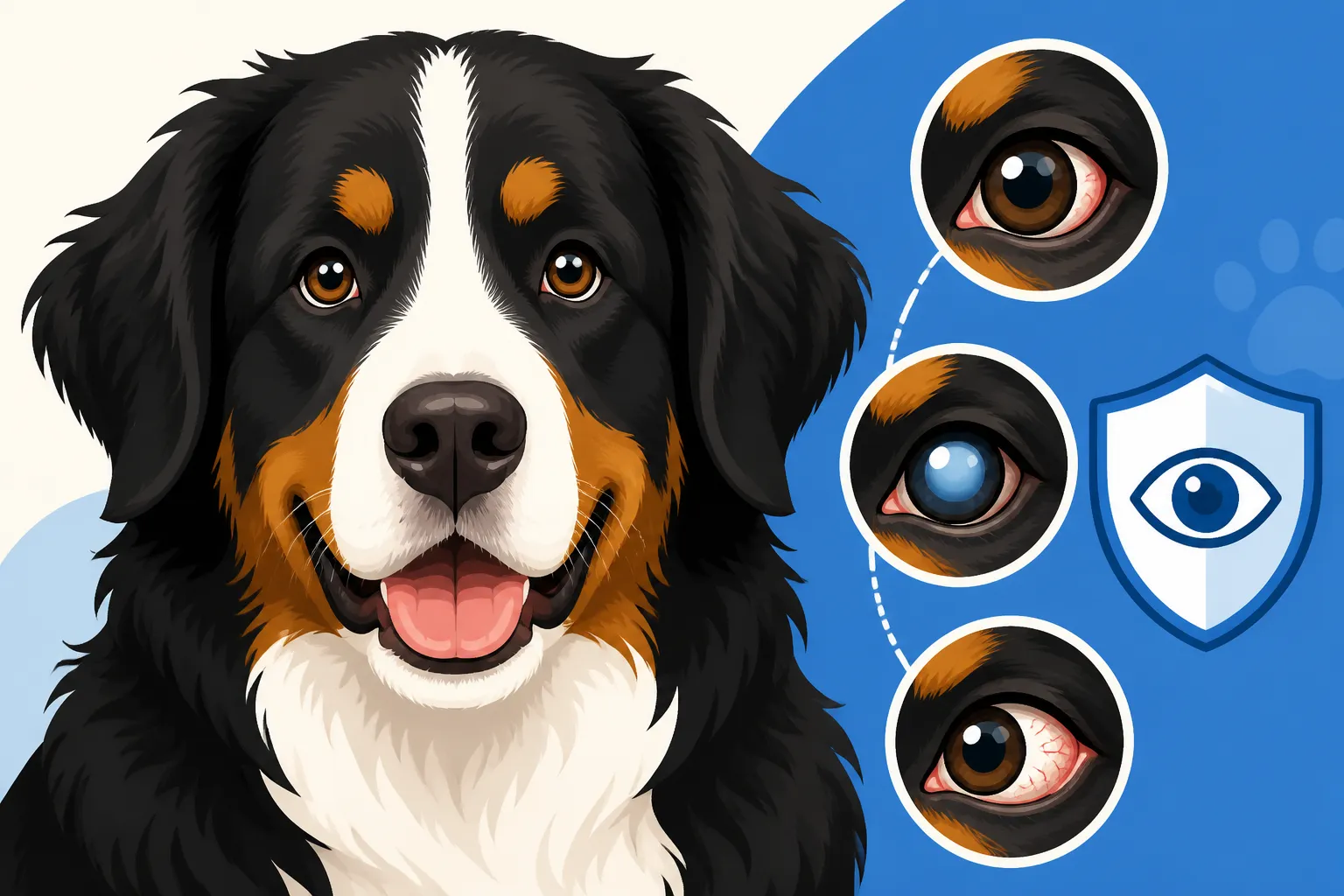
Entropion is a condition where the eyelid, usually the lower one, rolls inward towards the eye. This causes the eyelashes and the hair around the eyelid to constantly rub against the cornea, the clear outer surface of the eye. This constant irritation isn’t just annoying; it can lead to serious problems like corneal ulcers, chronic conjunctivitis (pink eye), and even vision impairment if left untreated. You might notice your Berner squinting a lot, tearing excessively, or trying to rub their face on furniture or their paws. Their eyes might appear red and inflamed, and in some cases, you might even see discharge. While a temporary fix might involve eyelid tacking in puppies, surgical correction is often needed to permanently resolve the issue, especially if the dog is experiencing significant pain or corneal damage. Early intervention is key here to prevent long-term damage and ensure your dog’s comfort.
Ectropion: The Outward-Sagging Eyelid
On the flip side, we have ectropion, where the eyelid sags or rolls outward, exposing the delicate conjunctiva lining the inside of the eyelid. This gives the eye a droopy appearance, sometimes making it look like your Berner is perpetually sad or tired. Because the eyelid isn’t forming a tight seal around the eye, it leaves the eye more vulnerable to environmental irritants like dust, dirt, and wind. This can lead to dry eyes, chronic irritation, and frequent infections, as tears aren’t properly distributed across the eye's surface. While some mild cases might be managed with lubricating eye drops and regular cleaning, more severe cases often require corrective surgery to restore the eyelid's normal position and protect the eye. It's a balance to find the right approach, ensuring their eyes are both comfortable and protected. You can learn more about specific conditions like this in a post like Eyelids That Roll Inward on a Bernese Mountain Dog.
Hereditary Cataracts and Progressive Retinal Atrophy (PRA)
When we talk about vision loss in Bernese Mountain Dogs, cataracts and Progressive Retinal Atrophy (PRA) are two of the most concerning conditions. These aren't just cosmetic issues; they directly impact your dog's ability to see and navigate their world.
Cataracts: Clouding the Lens
Cataracts involve the clouding of the eye’s natural lens, which sits behind the iris and pupil. A healthy lens is clear, allowing light to pass through and focus on the retina. When cataracts form, the lens becomes opaque, obstructing light and causing blurry vision, much like looking through a foggy window. In Berners, cataracts can be hereditary, meaning some lines are more predisposed to developing them, often at a younger age. They can also develop due to other underlying conditions like diabetes, injury, or simply old age. Small, localized cataracts might not significantly impact vision, but as they progress, they can lead to complete blindness. The good news is that cataracts are often treatable with surgery, where the cloudy lens is removed and sometimes replaced with an artificial one, restoring vision. It's a complex procedure, but for many Berners, it's a game-changer.
Progressive Retinal Atrophy (PRA): Gradual Vision Loss
Progressive Retinal Atrophy (PRA) is a group of inherited degenerative diseases that affect the retina, the light-sensitive tissue at the back of the eye. In simpler terms, the cells in the retina that detect light gradually break down. Typically, the rods (responsible for night vision) degenerate first, leading to night blindness. As the disease progresses, the cones (responsible for day vision and color perception) also degrade, eventually leading to complete blindness, even in daylight. Unfortunately, there is no cure or effective treatment for PRA, but it’s not a painful condition. Dogs with PRA often adapt remarkably well to their gradual vision loss, especially in familiar environments. Owners might first notice their Berner bumping into things in the dark or seeming hesitant to move in dimly lit areas. A proactive approach involves genetic testing for breeding dogs to help reduce the incidence of this devastating disease within the breed. It's truly heartbreaking to watch your companion lose their sight, but understanding that dogs cope better than we might expect can offer some solace. You might wonder, Whether a Bernese Mountain Dog Loses Its Sight, and PRA is a prime example of a condition that leads to this.
Recognizing the Subtle Signs of Eye Problems
Our Berners are stoic creatures, often trying to hide discomfort or pain, which can make spotting health issues tricky. This is especially true with eye problems, where early signs might be subtle and easily dismissed. However, paying close attention to changes in their behavior or the appearance of their eyes can make all the difference in catching an issue before it escalates. Sometimes, it’s not just about what you see, but what you don't see them doing, like their usual playful antics.
Behavioral Changes Indicating Eye Discomfort
Dogs often communicate pain or discomfort through changes in their usual routines or habits. When it comes to eye issues, these behavioral cues can be your earliest warning system. Don't underestimate these small shifts; they can speak volumes.
Squinting, Rubbing, and Light Sensitivity
One of the most common and immediate signs of eye discomfort is squinting or holding one or both eyes partially closed. This is a natural reaction to pain or irritation, much like we might squint when something is bothering our own eyes. You might also notice your Berner frequently rubbing their face with their paws, or against furniture, carpets, or even your leg. This rubbing can be an attempt to alleviate an itch or discomfort, but it can also worsen the problem by introducing bacteria or causing further irritation to an already sensitive eye. Another key indicator is light sensitivity, known as photophobia. If your dog, who usually loves to bask in a sunbeam, starts avoiding bright light, seeks out shaded areas, or seems bothered by normal indoor lighting, it could be a sign of underlying eye pain or inflammation. These behaviors should always prompt a closer look and a call to your vet. Remember, a Bernese Mountain Dog might try to hide discomfort, as we discuss in Whether a Bernese Mountain Dog Hides Discomfort, so watch for even minor changes.
Changes in Navigation and Confidence
As eye problems progress, especially those affecting vision, you might notice changes in your Berner's spatial awareness and overall confidence. A dog that once navigated your home with ease might start bumping into furniture, hesitating before jumping onto a couch, or being more cautious on stairs. In unfamiliar environments, these signs become even more pronounced. They might become more reliant on scent and hearing, perhaps sniffing the ground more intently or turning their head to listen more carefully before moving. A Berner with vision impairment might also become more clingy or anxious, especially in new situations or if you rearrange furniture. They might stick closer to your side on walks or seem startled by sudden movements from people or other animals that they didn't see coming. These changes indicate that their vision is genuinely compromised, and it's essential to ensure their environment is safe and predictable for them.
Visual Clues on and Around the Eyes
Beyond behavioral shifts, there are often physical signs directly on or around your Bernese Mountain Dog’s eyes that can signal a problem. A quick visual inspection, part of your regular grooming routine, can help you catch these early.
Redness, Swelling, and Discharge
Take a moment to look closely at your Berner's eyes. Are the whites of their eyes bloodshot or excessively red? This redness, often due to inflammation, can indicate anything from allergies to infections or more serious internal eye issues. Is there any swelling around the eyelids or the eye itself? Swelling can point to trauma, an infection, or even an allergic reaction. Also, pay attention to any discharge. A small amount of clear, watery discharge can be normal, especially after a nap. However, if the discharge is thick, yellowish, greenish, or excessive, it’s a red flag for infection. Crusty buildup around the corners of the eyes overnight is also a sign that discharge is present throughout the day. If you notice any of these visual clues, it’s time to consult your veterinarian to get a proper diagnosis and treatment plan.
Cloudiness, Color Changes, and Uneven Pupils
The clarity and appearance of your Berner's eyes can tell you a lot. Any cloudiness or haziness that appears on the surface of the eye, or within the lens, is cause for concern. This could indicate a corneal ulcer, a cataract, or even a condition like glaucoma. Also, look for any changes in the color of the eye itself – perhaps a blue tint, a milky appearance, or a different hue than normal. This can signal various internal eye diseases. Lastly, observe your dog's pupils. Are they the same size in both eyes? Do they react equally to light, constricting in bright light and dilating in dim light? Uneven pupil sizes (anisocoria) or pupils that don't respond to light normally can indicate neurological problems or severe internal eye disease. For example, a dilated pupil that doesn't constrict could suggest vision loss in that eye or an underlying nerve issue. All these visual observations warrant immediate veterinary attention.
| Eye Condition | Common Signs | Severity | Treatment Options |
|---|---|---|---|
| Entropion | Inward rolling eyelid, constant tearing, redness, squinting, discharge, corneal ulcers | Moderate to Severe | Surgery, temporary tacking (puppies) |
| Ectropion | Outward sagging eyelid, redness, dryness, frequent infections, visible conjunctiva | Mild to Moderate | Eye drops, regular cleaning, surgery (severe cases) |
| Cataracts | Cloudiness in lens, blurry vision, vision loss, dilated pupils in advanced stages | Mild to Severe | Surgery (lens removal/replacement), eye drops (non-surgical support) |
| Progressive Retinal Atrophy | Night blindness, bumping into objects in dim light, eventual complete blindness | Severe | No cure, supportive care, environmental adaptation |
| Cherry Eye (Prolapsed Nictitans Gland) | Red, fleshy mass in inner corner of eye | Mild to Moderate | Surgical repositioning of the gland |
| Glaucoma | Redness, pain, enlarged eyeball, cloudy cornea, dilated pupil, vision loss | Severe, Emergency | Eye drops, surgery (to reduce pressure), enucleation (severe) |
| Conjunctivitis | Red, swollen eyes, discharge (clear to thick), squinting, pawing at eyes | Mild to Moderate | Antibiotic drops/ointments, anti-inflammatory drops, allergy meds |
Diagnosing and Treating Eye Conditions in Berners
When you suspect your Bernese Mountain Dog has an eye issue, getting a proper diagnosis from a veterinary professional is crucial. Self-diagnosing or delaying care can lead to worsening conditions, increased pain, and potentially irreversible vision loss. A thorough examination by your regular vet, or a referral to a veterinary ophthalmologist, will help pinpoint the problem and guide the best course of action. This is where pet insurance, like a plan from Healthy Paws, can really make a difference, covering the costs of specialized diagnostics and treatments.
Veterinary Examination and Diagnostic Tools
Your vet has a range of tools and techniques to thoroughly examine your Berner’s eyes, far beyond what you can see at home. Don't hesitate to bring your concerns to them; they are equipped to investigate deeply.
Comprehensive Ophthalmic Exam
A routine ophthalmic exam for your Bernese Mountain Dog involves several steps. Your vet will first observe your dog’s eyes and surrounding structures, looking for any obvious abnormalities, discharge, or swelling. They'll use an ophthalmoscope to look at the internal structures of the eye, including the retina and optic nerve, and assess the clarity of the lens. They might also check your dog’s menace response (how they react to an object moving towards their eye), pupillary light reflexes, and tracking abilities to get a baseline assessment of their vision. For conditions like glaucoma, an intraocular pressure (IOP) measurement using a tonometer is essential; this quick and painless test measures the fluid pressure inside the eye. If there's a suspected corneal ulcer, a fluorescein stain test will be performed. This involves placing an orange dye onto the eye, which adheres to any areas where the outer layer of the cornea is damaged, showing up as a bright green under a blue light. Each of these tests provides a crucial piece of the puzzle, guiding the diagnostic process.
Specialized Testing and Referrals
For more complex or persistent eye conditions, your veterinarian might recommend specialized tests or refer you to a board-certified veterinary ophthalmologist. These specialists have advanced training and equipment dedicated solely to eye health. Specialized tests could include electroretinography (ERG) to assess retinal function, especially important for diagnosing PRA before clinical signs are obvious. They might also perform advanced imaging like ultrasound of the eye, or even a CT or MRI scan if a tumor or neurological issue affecting the eyes is suspected. Genetic testing is increasingly available for many hereditary eye conditions, such as some forms of PRA or hereditary cataracts. This is particularly important for breeding Bernese Mountain Dogs, as it can help prevent passing on undesirable traits. Your vet might also recommend The Bernese Mountain Dog Health Panel which can include some of these genetic screenings. These advanced diagnostics can be expensive, but an insurance plan from Healthy Paws can often help mitigate these costs, ensuring your Berner gets the best care without financial strain.
Treatment Modalities: From Medications to Surgery
Once a diagnosis is made, treatment options for Bernese Mountain Dog eye conditions can range from simple medications to complex surgical procedures, depending on the specific ailment and its severity.
Medications and Supportive Care
Many common eye issues, such as conjunctivitis or mild dry eye, can be effectively managed with topical medications like eye drops or ointments. These might contain antibiotics to combat bacterial infections, anti-inflammatory agents to reduce swelling and pain, or lubricating solutions to alleviate dryness. It's vital to administer these medications exactly as prescribed by your vet, even if your Berner puts up a fuss! For conditions like mild ectropion, regular cleaning to prevent irritation and infection, along with lubricating drops, might be sufficient. Oral medications, such as anti-inflammatories or pain relievers, may also be prescribed, especially if there's significant discomfort or a systemic issue contributing to the eye problem. In some cases of underlying allergies, antihistamines might be part of the treatment plan. Supportive care also includes ensuring your dog's environment is clean and free of irritants that could exacerbate their eye condition.
Surgical Interventions
For more severe or chronic eye conditions, surgery often becomes the most effective, or even the only, treatment option. Corrective surgery for entropion and ectropion is very common, where a skilled veterinary surgeon precisely removes a small strip of skin from the eyelid to permanently reposition it. This procedure often provides immediate relief and prevents further damage to the cornea. Cataract surgery involves removing the clouded lens and, in many cases, replacing it with an artificial intraocular lens, restoring vision. Conditions like glaucoma, if unresponsive to medical management, may require laser surgery to reduce fluid production or shunt implants to help drain fluid and lower intraocular pressure. In severe, painful cases of glaucoma or irreparable trauma, enucleation (removal of the eye) might be necessary to alleviate chronic pain and improve the dog's quality of life. While these procedures can sound daunting and carry a significant cost, many owners find them worthwhile to restore their Berner's comfort and sight. Veterinary financing options or a good pet insurance policy can be incredibly helpful here.
Preventative Care and Ongoing Management
Prevention is always better than cure, and this holds especially true for the sensitive eyes of your Bernese Mountain Dog. While some conditions are genetic and unavoidable, proactive care can significantly reduce the risk of other issues and help manage those that do arise, ensuring your Berner enjoys the best possible vision throughout their life. This ongoing vigilance is a testament to the bond you share.
Routine Eye Care and Environmental Considerations
Integrating eye checks into your daily routine and being mindful of your Berner's environment can go a long way in maintaining their ocular health. Simple habits can make a big difference.
Daily Visual Checks and Cleaning
Make it a habit to perform a quick visual check of your Bernese Mountain Dog’s eyes every day. Look for any redness, swelling, excessive tearing, or discharge. Gently wipe away any normal, clear discharge or "sleep" from the corners of their eyes using a soft, damp cloth or a sterile eye wipe designed for dogs. Always wipe away from the eye, and use a separate clean part of the cloth for each eye to avoid spreading any potential infection. Pay attention to the hair around their eyes; long hair can sometimes irritate the surface of the eye, so keeping it trimmed can be beneficial. Regular grooming of the facial hair can prevent dirt and debris from collecting near the eyes, reducing the risk of irritation and infection. This simple routine allows you to catch minor issues before they become major problems.
Protecting Against Irritants and Trauma
Bernese Mountain Dogs love to explore, whether it’s romping through tall grass or sniffing out interesting smells in the bushes. However, these activities can expose their eyes to environmental irritants and potential trauma. Be mindful of their surroundings; try to avoid areas with excessive dust, pollen, or sharp vegetation that could scratch their eyes. If you live in a dry, windy climate or take your Berner on car rides with their head out the window (which, while they love it, can be risky!), consider protective dog goggles. Yes, doggles are a real thing, and they can shield your dog’s eyes from wind, debris, and harmful UV rays. Always ensure they have access to shade on sunny days, as prolonged exposure to UV light can contribute to cataract formation. If you use any cleaning products or sprays in your home, ensure your Berner is not nearby, as these can cause severe eye irritation.
Dietary Support and Supplements
What goes into your Bernese Mountain Dog's bowl can also play a role in their overall health, including the health of their eyes. A balanced diet and targeted supplements can support ocular function.
Balanced Nutrition for Eye Health
A high-quality, balanced diet is fundamental for your Bernese Mountain Dog’s overall health, and this extends to their eyes. Ensure their food contains essential vitamins and minerals, particularly antioxidants like Vitamins C and E, beta-carotene (Vitamin A precursor), zinc, and selenium. These nutrients help protect the eye tissues from oxidative damage, which can contribute to conditions like cataracts and other degenerative diseases. Omega-3 fatty acids, especially DHA, are also crucial for retinal health and can be found in fish oils. While many commercial dog foods are formulated to be complete and balanced, always check the ingredients list. Discuss your dog’s diet with your veterinarian to ensure it’s meeting all their nutritional needs, especially as they age or if they have specific health concerns. A well-nourished body is better equipped to resist disease and recover from illness.
Targeted Eye Supplements
For Bernese Mountain Dogs prone to certain eye conditions, or as they enter their senior years, your vet might recommend specific eye supplements. These supplements often contain a concentrated blend of antioxidants, carotenoids (like lutein and zeaxanthin), and omega-3 fatty acids. Lutein and zeaxanthin, for example, are powerful antioxidants that accumulate in the retina and act as a natural "sunglass," filtering harmful blue light and protecting against oxidative damage. While supplements are not a cure-all, they can provide additional support, particularly in slowing the progression of age-related conditions or those with a genetic predisposition. Always consult with your veterinarian before adding any supplements to your Berner’s diet, as excessive amounts of certain vitamins can be harmful, and they can sometimes interact with other medications. The goal is to provide beneficial support, not to replace professional veterinary care.
When to Seek Veterinary Attention
It can be tough to know when a slight squint or a bit of discharge warrants a trip to the vet, especially with a dog as expressive as a Berner. However, when it comes to eyes, it's often better to err on the side of caution. Prompt veterinary care can prevent minor issues from becoming serious, saving your Bernese Mountain Dog from pain and potential vision loss.
Urgent Versus Non-Urgent Concerns
Understanding the difference between an urgent eye issue that needs immediate attention and a non-urgent one that can wait for a regular appointment is key.
Immediate Emergency Signs
Some eye symptoms are flashing red lights that demand immediate emergency veterinary care. If your Bernese Mountain Dog suddenly develops severe eye pain (indicated by intense squinting, rubbing, or crying out), experiences sudden vision loss, has an obvious injury to the eye (like a puncture or laceration), or if one eye suddenly appears swollen, bulging, or cloudy, you need to get to an emergency vet now. These could be signs of acute glaucoma, a severe corneal ulcer, or significant trauma, all of which can lead to permanent vision loss if not treated within hours. Other emergency signs include a red, fleshy mass protruding from the inner corner of the eye (cherry eye), or if the eye feels hard to the touch. Don't wait to see if it gets better; these situations are truly time-sensitive.
When to Schedule a Regular Vet Visit
For less acute, but still concerning, symptoms, a regular vet appointment is appropriate. This includes persistent mild redness, ongoing clear or mild discharge that isn't thick or colored, occasional squinting without severe pain, or if you've noticed a gradual cloudiness developing in their eyes over weeks or months. Any new lump or bump around the eye area, or if your Bernese Mountain Dog is frequently pawing at their eyes without intense discomfort, should also prompt a visit. While these might not be emergencies, they still require professional evaluation to determine the underlying cause and prevent progression. It's always best to get a professional opinion, even if you think it's just a minor irritation.
What to Expect at the Vet
Knowing what to expect during your vet visit can help ease any anxiety you might have, especially when dealing with your Berner’s eyes.
The Examination Process
When you bring your Bernese Mountain Dog in for an eye concern, your veterinarian will first take a detailed history from you. Be prepared to discuss when you first noticed the symptoms, how they've progressed, any prior eye issues, and any medications your dog is currently taking. They will then perform a thorough physical examination, including a dedicated ophthalmic exam using the tools mentioned earlier, such as an ophthalmoscope, tonometer, and fluorescein stain. Your vet might use specialized magnifying lenses to get a better look at the delicate structures of the eye. They may also collect samples of discharge for cytology or culture if an infection is suspected. Throughout the process, your vet will be gentle and reassuring with your Berner, aiming to make the experience as stress-free as possible. It’s important to remember that these examinations are crucial for accurate diagnosis.
Follow-Up and Ongoing Care
After the initial examination and diagnosis, your vet will discuss the findings with you and outline a treatment plan. This might include prescribing eye drops, oral medications, or recommending a surgical procedure. They will also advise you on how to administer medications, potential side effects to watch for, and any necessary follow-up appointments. For chronic conditions, such as dry eye or managing the long-term effects of conditions like The Bernese Mountain Dog Whose Back Legs Give Out where mobility issues might lead to secondary eye problems from trauma, ongoing management will be discussed. This could involve regular check-ups, continuous medication, or lifestyle adjustments. For genetic conditions, your vet might suggest genetic testing for breeding animals or advise on what to look for if you’re considering another Berner. Keep in mind that for specific conditions like PRA, while there’s no cure, you'll learn strategies to help your dog adapt to vision loss. A robust pet insurance policy, like those offered by Healthy Paws, can be invaluable for covering the costs of these ongoing treatments and specialist visits, ensuring continuity of care. It's an important part of Screening an Older Bernese Mountain Dog as well.
Genetic Predispositions and Breeding Considerations
One of the most profound responsibilities of a Bernese Mountain Dog owner, and especially a breeder, is understanding the genetic underpinnings of many health conditions, including those affecting the eyes. Being aware of these predispositions can help you make informed decisions, not only for the health of your individual dog but for the future of the breed. It’s a commitment to safeguarding these beautiful creatures.
Understanding Inherited Eye Conditions
Many of the serious eye conditions that affect Bernese Mountain Dogs have a genetic component, meaning they are passed down through generations. This is a critical area for responsible breeding practices.
The Role of Genetic Testing
For several inherited eye conditions, such as Progressive Retinal Atrophy (PRA) and certain types of hereditary cataracts, genetic tests are available. These tests usually involve a simple cheek swab or blood sample and can identify whether a dog is clear of the gene mutation, a carrier, or affected by the condition. For breeding Berners, genetic testing is paramount. Breeding two carriers of a recessive gene could result in affected offspring, while breeding a clear dog to a carrier typically produces only carriers, thereby avoiding affected puppies. Reputable breeders will always perform these genetic tests on their breeding stock and be transparent about the results. Before acquiring a puppy, ask to see the genetic clearances of both parents. This proactive approach helps reduce the prevalence of these debilitating conditions in future generations. This is part of the comprehensive health assessments like OFA Clearances a Bernese Mountain Dog Should Have and the broader scope of What Health Testing a Bernese Mountain Dog Breeder Pays For.
Responsible Breeding Practices
Responsible Bernese Mountain Dog breeders are not just focused on temperament and conformation; they are deeply committed to the health and longevity of their lines. This includes rigorous eye screening for all breeding animals. Beyond genetic testing, breeding dogs should undergo regular evaluations by a board-certified veterinary ophthalmologist. These exams, often performed annually, look for any signs of developing eye conditions that might not be detectable by genetic tests alone, or those that have a complex inheritance pattern. The results of these exams are often submitted to public databases like the Orthopedic Foundation for Animals (OFA) or the Canine Health Information Center (CHIC) program, ensuring transparency and providing valuable data for researchers and prospective puppy buyers. A breeder dedicated to eye health will gladly provide documentation of all health clearances for their breeding pair. It's a key indicator of their commitment to the well-being of the breed.
Impact on Quality of Life and Management
When a Bernese Mountain Dog is diagnosed with an inherited eye condition, it inevitably impacts their quality of life, but with proper management, they can still lead fulfilling lives.
Adapting to Vision Loss
A diagnosis of a progressive eye condition leading to vision loss, like PRA, can be devastating for owners. However, it's important to remember that dogs often adapt remarkably well to blindness, especially if the loss is gradual. Their other senses, particularly smell and hearing, become heightened, allowing them to navigate their world with surprising proficiency. As an owner, your role shifts to helping them adapt. Keep furniture in consistent locations, use distinct scents or textures to mark important areas (like food bowls or doors), and maintain a predictable routine. When outside, keep them on a leash in unfamiliar areas, and use verbal cues to guide them. While a blind Bernese Mountain Dog might not be able to participate in certain activities, they can still enjoy walks, play scent games, and be cherished family members. The love and security you provide are paramount.
Long-term Care and Support
Managing inherited eye conditions is often a long-term commitment. This can involve ongoing veterinary visits, medication, and sometimes even specialized equipment. For instance, dogs with chronic dry eye might require daily lubricating drops for life. If your Berner undergoes cataract surgery, there will be a recovery period with strict medication protocols and follow-up checks. The costs associated with long-term care can accumulate, which is why early planning and having a solid pet insurance policy in place can be incredibly beneficial. Companies like Healthy Paws offer comprehensive plans that can cover a significant portion of diagnostic tests, medications, and surgical procedures for covered conditions, offering peace of mind during challenging times. Supporting research into these conditions, through organizations like the Bernese Mountain Dog Club of America, also plays a crucial role in improving outcomes for future generations.
Disclaimer
The information provided in this article is intended for general informational purposes only and does not constitute veterinary advice. Always consult with a qualified veterinarian for any health concerns or before making any decisions related to your Bernese Mountain Dog's medical care.