What Bernese Mountain Dogs Die Of
Bringing a Bernese Mountain Dog into your life is an unparalleled joy, a whirlwind of fluffy puppy antics, goofy adolescence, and ultimately, a loyal, loving companion. However, the shadow that often hangs over every Berner owner's heart is the breed's notoriously short lifespan, leaving us wondering, "What is most likely to take my beloved friend from me?" This guide is here to help you understand the most common causes of death in Bernese Mountain Dogs, not to instill fear, but to empower you with knowledge and realistic expectations.
The Heartbreaking Reality of Bernese Lifespans
It’s a conversation almost every Bernese Mountain Dog owner has had: the wistful sigh about their limited years. These magnificent, gentle giants capture our hearts completely, making their relatively short time with us feel even more profound. It's a truth that hits hard, but understanding why their lifespans are often so brief can help us make the most of the time we have and prepare for the challenges that may arise.
Why Berners Live Shorter Than Other Large Breeds
When you look at a Bernese Mountain Dog, with their sturdy build and impressive size, it's natural to assume they'd enjoy a long, healthy life, much like some other large working breeds. Unfortunately, that's often not the case. The truth is, Berners, like many giant breeds, face a unique set of challenges that contribute to their shorter lifespans. Their rapid growth from puppyhood into a magnificent adult places immense strain on their developing bodies, particularly their skeletal and cardiovascular systems. This accelerated growth often comes with a higher propensity for certain health issues, especially orthopedic problems and, most notably, various forms of cancer. It’s a sad irony that the very characteristics we admire – their large size and strength – can sometimes be contributing factors to their earlier decline. It feels unfair, a cruel twist of fate that such wonderful dogs are with us for such a limited time, a sentiment echoed by countless owners grappling with the reality of their brevity. This is often part of the larger question of why a Bernese Mountain Dog lives only seven or eight years.
The Average Age: A Stark Statistic
The typical lifespan of a Bernese Mountain Dog is heartbreakingly short, often falling within the range of 7 to 8 years. While some lucky individuals defy the odds and live longer, reaching 10, 11, or even 12 years, these are generally the exceptions rather than the rule. This average is significantly lower than many other breeds of comparable size, making it a constant concern for prospective and current owners alike. Imagine bringing home a fluffy puppy, knowing that on average, you'll have less than a decade with them. This reality can be incredibly difficult to accept, and it often means that your Berner may be considered "senior" at an age when many other dogs are still in their prime. For many, the emotional toll of this knowledge is immense, prompting a desire to cherish every moment and be extra vigilant about their dog's health. It underscores the importance of proactive care and seeking out any changes in their well-being, as every year, every month, every day with these special dogs is truly precious.
Cancer: The Undisputed Top Killer
If there's one word that sends shivers down the spine of every Bernese Mountain Dog owner, it's "cancer." It is, tragically, the leading cause of death in the breed, responsible for a staggering percentage of their early departures. This isn't just a general risk; Berners are specifically predisposed to several aggressive forms of cancer that can strike quickly and mercilessly.
Histiocytic Sarcoma: The Berner's Scourge
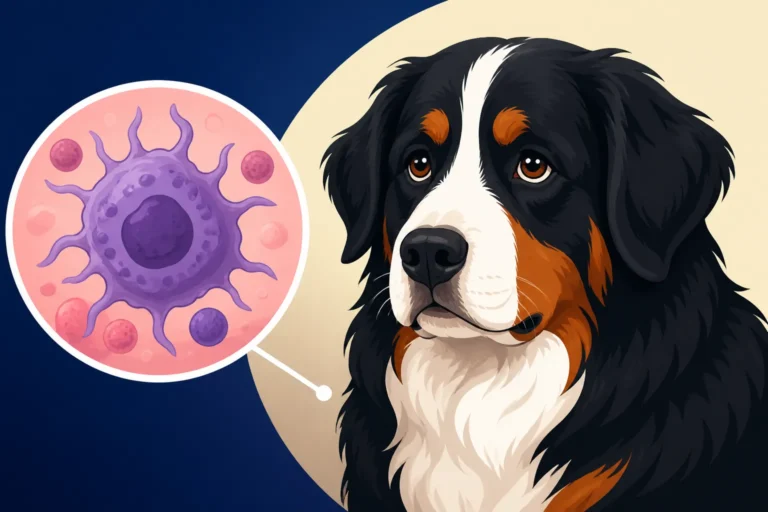
Among the various forms of cancer that plague Bernese Mountain Dogs, Histiocytic Sarcoma stands out as a particularly aggressive and devastating one. Often referred to simply as "histio," this cancer is alarmingly prevalent in the breed, tragically claiming the lives of nearly half of all Bernese Mountain Dogs. It's a cancer that can arise almost anywhere in the body, manifesting as bone tumors, splenic masses, lung lesions, or even affecting the skin and lymph nodes. Its insidious nature makes early detection incredibly challenging, as symptoms can be vague and mimic other, less serious conditions. A limping dog might be assumed to have arthritis, or a dog with a cough might be thought to have allergies, delaying crucial diagnosis.
What makes Histiocytic Sarcoma so heartbreakingly brutal is its rapid progression. Once diagnosed, owners often find themselves grappling with the reality that they may only have The Weeks Left After a Bernese Mountain Dog's Diagnosis. This type of cancer doesn't typically respond well to conventional treatments, and it can spread aggressively throughout the body, making prognosis grim. It's a stark reminder of the genetic predispositions embedded within the breed, and a primary reason why The Cancer That Kills Half of All Bernese Mountain Dogs is such a terrifying reality for owners. The heartbreak of seeing a vibrant dog decline so quickly is a heavy burden, and it's a condition that every Berner owner should be acutely aware of. Statistics show that The One in Four Bernese Mountain Dogs With Histiocytic Sarcoma is a profound understatement of its impact on the breed.
Other Common Cancers in Berners
While Histiocytic Sarcoma is a major concern, it's far from the only cancer that Bernese Mountain Dogs face. The breed seems to have a general predisposition to various forms of malignancy, making them high-risk patients for a range of aggressive cancers. Lymphoma and Mast Cell Tumors in a Bernese Mountain Dog are also tragically common, adding to the list of potential devastating diagnoses. Lymphoma, which affects the lymphatic system, can develop rapidly and aggressively, often presenting with swollen lymph nodes, lethargy, and weight loss. Mast cell tumors, while sometimes appearing as skin lesions, can also occur internally and metastasize quickly, posing a significant threat.
The unfortunate truth is that for Bernese Mountain Dogs, cancer often feels like an inherited trait. It raises the uncomfortable question of Whether Cancer Is Bred Into the Bernese Mountain Dog. While dedicated breeders work tirelessly to screen for and mitigate known risks, the genetic complexity of cancer makes it a persistent challenge. Owners might face the wrenching experience of having one Berner succumb to histio, only for a future companion to be diagnosed with lymphoma, leaving them feeling helpless and frustrated. This multi-cancer susceptibility means that any new lump, cough, or subtle change in energy warrants immediate veterinary attention, as early detection, while challenging, offers the best chance for any form of intervention.
The Financial and Emotional Burden of Cancer Treatment
Receiving a cancer diagnosis for your Bernese Mountain Dog isn't just an emotional punch to the gut; it also comes with a significant financial burden. The costs associated with diagnostics, chemotherapy, radiation therapy, and ongoing palliative care can be astronomical, often reaching tens of thousands of dollars. We're talking about What Oncology Bills Reach for a Bernese Mountain Dog. For many families, this creates an agonizing dilemma: how much is too much to spend when faced with a beloved pet's limited prognosis? Decisions about aggressive treatment versus comfort care become incredibly complex, tangled with love, hope, and financial realities.
This is where having robust pet insurance can truly make a difference. Many Bernese Mountain Dog owners find peace of mind with providers like Healthy Paws, knowing that a significant portion of their veterinary bills for accidents and illnesses, including cancer treatments, could be covered. It allows them to focus on their dog's well-being and make treatment choices based on what's best for their Berner, rather than being solely dictated by cost. Investing in insurance early, before any pre-existing conditions arise, is crucial for a breed with such high cancer rates. Beyond the monetary aspect, the emotional toll is profound. Watching your vibrant companion battle a relentless disease, enduring vet visits, and managing side effects, can be utterly draining. It's a journey filled with heartache, hope, and ultimately, the profound sadness of saying goodbye too soon.
Musculoskeletal Issues: Limiting Mobility and Quality of Life
While cancer is often the final blow for many Berners, chronic musculoskeletal issues significantly impact their quality of life, often paving the way for difficult decisions about their well-being. The sheer size and rapid growth of these dogs make them particularly vulnerable to orthopedic problems that can lead to pain, reduced mobility, and a diminished enjoyment of life.
Hip and Elbow Dysplasia: Early Onset Arthritis
One of the most common and debilitating issues for Bernese Mountain Dogs is hip and elbow dysplasia. These are genetic conditions where the joints don't form properly, leading to instability, pain, and eventually, severe arthritis. Imagine the discomfort of Joint Disease in a Hundred Pound Bernese Mountain Dog, where every step becomes a source of agony for a dog that was built to work and play. For Berners, these conditions often manifest early in life, sometimes even before their second birthday. You might notice a puppy limping, having difficulty rising, or showing reluctance to play as vigorously as their littermates. As they age, the malformed joints grind against each other, leading to chronic inflammation and the inevitable development of debilitating Arthritis in a Bernese Mountain Dog by Six.
The reality of Hips That Fail Under a Bernese Mountain Dog's Weight means that a dog bred for strength and endurance can be crippled by its own body. Managing these conditions involves a multi-faceted approach, including pain medication, joint supplements, physical therapy, and in severe cases, costly surgeries. But even with the best care, the progression of arthritis can significantly reduce a Berner's mobility and comfort. This often leads to heart-wrenching decisions for owners, who must weigh the quality of life against the pain their beloved companion is experiencing. It’s a constant battle to keep them comfortable and mobile, hoping to stave off the worst effects for as long as possible.
Degenerative Myelopathy: A Cruel Decline
Another insidious neurological condition that unfortunately affects Bernese Mountain Dogs is Degenerative Myelopathy (DM). This progressive disease affects the spinal cord, leading to a gradual loss of coordination and weakness, particularly in the hind legs. It's truly devastating to witness, as The Bernese Mountain Dog Whose Back Legs Give Out slowly loses its ability to walk, run, and even stand independently. The early signs can be subtle – a slight drag of a paw, stumbling, or difficulty navigating stairs. But as the disease progresses, the hind limbs weaken, eventually leading to paralysis.
Unlike hip and elbow dysplasia, DM is not typically painful, which can make the decision-making process even more agonizing for owners. Your dog is mentally alert and otherwise healthy, but their body is failing them. This creates a profound emotional challenge, as you witness your once-active companion trapped in a body that no longer obeys. Understanding Early Degenerative Myelopathy in a Bernese Mountain Dog is crucial for recognizing the first signs. Owners often explore options like mobility harnesses, wheelchairs, and physical therapy to help their dogs maintain some independence. However, there comes a point where the loss of function profoundly impacts their quality of life, leading to the incredibly difficult decision of Deciding When to Let a Paralyzed Bernese Mountain Dog Go. It's a testament to the unconditional love we have for our Berners that we must sometimes make the hardest choice for their dignity and peace.
Gastric Dilatation-Volvulus (Bloat): A Sudden Emergency
While cancer and musculoskeletal issues often represent a slow, painful decline, gastric dilatation-volvulus (GDV), commonly known as bloat, is a terrifyingly rapid and often fatal emergency that can strike without warning. For deep-chested breeds like the Bernese Mountain Dog, it's a silent predator lurking in the background.
The Sudden and Life-Threatening Nature of Bloat
Bloat is a condition where the stomach fills with gas and often twists upon itself (volvulus), trapping the gas and cutting off blood supply to the stomach and other vital organs. It's not just an upset stomach; it's a critical, life-threatening emergency that can develop in a matter of minutes or hours. For a deep-chested Bernese Mountain Dog, the risk is significantly higher due to their physical conformation. The signs can include a distended abdomen, excessive drooling, unproductive retching (trying to vomit but nothing comes up), restlessness, pacing, and signs of discomfort or pain. If you see these symptoms, especially in a dog who has recently eaten or exercised, time is absolutely critical.
This is not a "wait and see" situation. How Fast Bloat Kills a Bernese Mountain Dog is truly frightening; without immediate veterinary intervention, the outcome is almost always fatal. The pressure on internal organs, the lack of blood flow, and the potential for rupture make it one of the most urgent emergencies in veterinary medicine. Every minute counts, and getting your Berner to an emergency vet as quickly as possible can be the difference between life and death. The financial implications of such an emergency can also be substantial, with diagnostic tests, emergency surgery, and post-operative care easily running into thousands of dollars. Having a pet insurance plan from a company like Healthy Paws can provide immense relief in these stressful, time-sensitive situations.
Prevention and Emergency Measures
Given the terrifying speed and lethality of bloat, prevention is often the best course of action for Bernese Mountain Dog owners. One of the most effective preventative surgeries is a gastropexy, where the stomach is surgically tacked to the abdominal wall to prevent it from twisting. Many owners choose to have Tacking a Bernese Mountain Dog's Stomach performed electively, often at the same time as spaying or neutering, to drastically reduce the risk of GDV. This procedure can offer invaluable peace of mind, knowing that while the stomach can still bloat, it's far less likely to twist and become life-threatening.
Beyond surgical prevention, there are daily management strategies to help minimize risk. These include feeding smaller meals multiple times a day instead of one large meal, using slow-feeder bowls, avoiding vigorous exercise an hour before and after meals, and ensuring your dog has fresh water at all times. Even with all precautions, it's crucial for every Bernese Mountain Dog owner to know the signs of Bloat in a Deep-Chested Bernese Mountain Dog and to have an emergency plan in place. This includes knowing the location of the nearest 24-hour emergency veterinary clinic and having their number readily available. Quick recognition and immediate action are paramount if you suspect your Berner is bloating, as every moment can impact their survival.
Other Significant Health Concerns and Their Contribution to Mortality
While cancer, joint issues, and bloat are the major culprits in shortening a Berner's life, other health conditions can also contribute to their overall decline and ultimately, their passing. These issues might not always be the primary cause of death, but they often complicate care and diminish a dog's quality of life, leading to difficult decisions.
Cardiac Conditions and Organ Failure
Like many large breeds, Bernese Mountain Dogs can be susceptible to various cardiac conditions as they age. While not as universally prevalent as cancer, heart issues can significantly impact their well-being. Dilated cardiomyopathy (DCM), for instance, can lead to a weakened heart muscle, reducing its ability to pump blood effectively. Symptoms might include coughing, lethargy, reduced exercise tolerance, and difficulty breathing. Regular Heart Screening for a Bernese Mountain Dog, especially as they get older, can help detect these conditions early, allowing for management with medication to improve quality of life and potentially extend their time.
Beyond the heart, organ failure, particularly Kidney Disease in a Bernese Mountain Dog, can also become a critical concern in their senior years. The kidneys play a vital role in filtering waste from the blood, and when their function declines, toxins can build up, leading to a host of health problems. Signs might include increased thirst and urination, loss of appetite, lethargy, and weight loss. These chronic conditions often lead to a general decline in health, making dogs more vulnerable to other illnesses or simply diminishing their overall vitality to a point where humane euthanasia becomes the kindest option. Managing these conditions requires dedicated veterinary care, dietary adjustments, and often multiple medications, adding to the care burden for owners already facing a shortened timeline.
Accidents and Unforeseen Circumstances
While we often focus on diseases when discussing mortality, it's important to remember that not all Bernese Mountain Dogs pass away from age-related illnesses or genetic predispositions. Accidents and unforeseen circumstances, though less common, can tragically claim a Berner's life prematurely. Given their size and strength, an uncontained Bernese Mountain Dog can easily get into dangerous situations, such as running into traffic if they slip their leash or escape a yard. Even a minor fall or misstep can lead to severe injuries like broken bones or internal trauma, especially as they get older and their joints may be more fragile.
Beyond external accidents, there are always those freak, unexpected medical events that can occur in any breed, young or old. A sudden, acute illness not related to the common Berner health issues, an adverse reaction to medication, or a complex surgical complication could also lead to a rapid decline. While these are less frequent causes of death, they underscore the importance of vigilance, responsible pet ownership, and regular veterinary check-ups for prompt detection of any emerging health concerns. No matter how much we prepare for the "known" health risks, sometimes life throws us an entirely unpredictable curveball.
Understanding the Data: Berner-Garde and Longevity
In the face of these formidable health challenges, understanding the breed's genetic landscape and leveraging available data becomes incredibly important. Organizations and databases dedicated to Bernese Mountain Dog health are vital tools for breeders and owners committed to improving the breed's future.
The Importance of Health Registries
For a breed so genetically predisposed to serious health issues, a comprehensive health registry is an invaluable resource. The Berner-Garde database is one such critical tool, painstakingly collecting and analyzing health information on Bernese Mountain Dogs worldwide. It allows researchers, breeders, and even prospective owners to delve deep into the pedigrees, health clearances, and causes of death within specific lines. Understanding What the Berner-Garde Database Records provides a clearer picture of prevalent health issues and longevity trends.
This database isn't just about statistics; it's a community effort. Submitting a Bernese Mountain Dog's Records to Berner-Garde, including health clearances and post-mortem information, helps paint a more accurate picture for future generations. For a prospective puppy buyer, researching a dog's lineage on Berner-Garde can offer crucial insights into the health history of the parents, grandparents, and siblings. It empowers individuals to make informed choices, supporting breeders who are transparent and actively participating in improving breed health. It offers a glimmer of hope that through collective data and dedication, we can better understand, and perhaps someday mitigate, the health challenges these dogs face.
Hope for the Future: Breeding for Longevity
Despite the sobering statistics, there is a strong, dedicated community of responsible breeders who are working tirelessly to improve the health and longevity of the Bernese Mountain Dog. Their efforts are centered on rigorous health testing, careful selection of breeding pairs, and a commitment to transparency. These breeders understand that What Health Testing a Bernese Mountain Dog Breeder Pays For is not just an expense, but an investment in the future of the breed. They screen for hip and elbow dysplasia, cardiac conditions, eye issues, and genetic markers for diseases like Degenerative Myelopathy and Von Willebrand's disease.
While eliminating cancer entirely remains a monumental challenge due to its complex genetic nature, these breeders use longevity in pedigrees as a key selection criterion, aiming to produce dogs from lines known for living longer, healthier lives. They prioritize health over show ring success alone, striving to balance type, temperament, and vital health clearances. This ongoing work contributes to the hope that Whether Longevity Is Improving in Bernese Mountain Dogs is a question that can eventually be answered with a resounding "yes." Supporting these ethical breeders is crucial for anyone considering bringing a Bernese Mountain Dog into their home, as their commitment is the best chance we have for a healthier future for this beloved breed.
Common Causes of Death in Bernese Mountain Dogs
To give you a clearer picture, here's a general overview of the most common causes of death in Bernese Mountain Dogs:
| Cause of Death | Approximate Prevalence | Typical Age of Onset (Years) | Impact on Quality of Life | Key Characteristics |
|---|---|---|---|---|
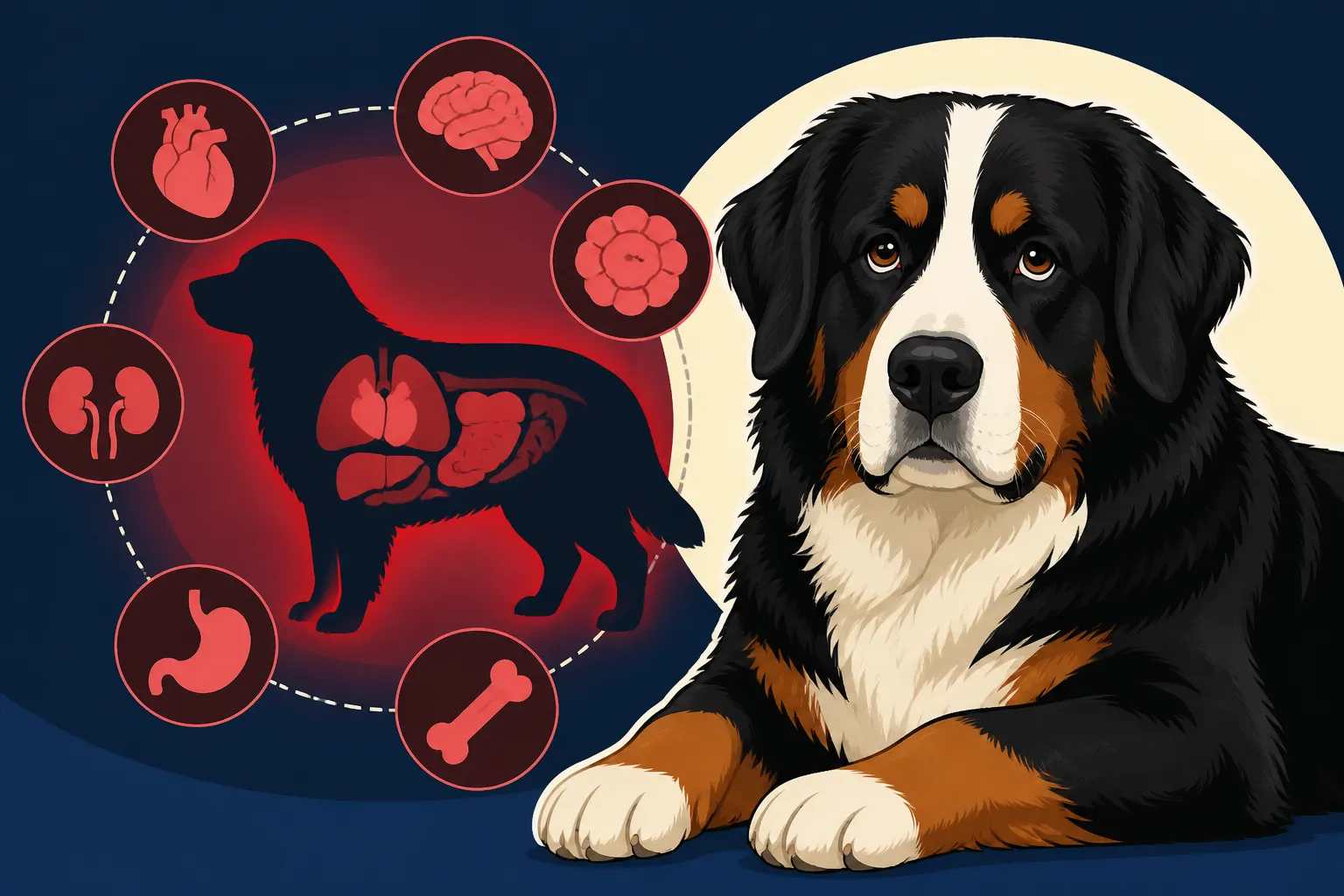
| Cancer | 40-50% | 4-8 | Can rapidly decline; often painful or debilitating | Aggressive; common types include Histiocytic Sarcoma, Lymphoma, Mast Cell Tumors; difficult to treat |
| Musculoskeletal | 10-15% | 2-7 (Dysplasia) | Chronic pain, reduced mobility; can be debilitating | Hip/Elbow Dysplasia leading to severe Arthritis, Degenerative Myelopathy leading to paralysis |
| Bloat (GDV) | 5-10% | Any age, higher in adults | Rapid onset; fatal if untreated | Sudden abdominal distension, unproductive retching, extreme pain; emergency surgery required |
| Cardiac Issues | 3-5% | 6+ | Progressive decline in energy, breathing issues | Dilated Cardiomyopathy, heart failure; managed with medication |
| Other (Kidney Failure, Accidents, etc.) | Varies | Varies | Gradual decline or sudden | Kidney disease, organ failure, trauma, acute illness |
Note: Percentages are approximate and can vary based on specific populations and data collection methods.
Disclaimer
The information provided in this article is for educational and informational purposes only and does not constitute veterinary advice. Always consult with a qualified veterinarian for any health concerns or before making any decisions about your pet's care. Breed statistics and prognoses are generalizations, and individual outcomes may vary significantly.