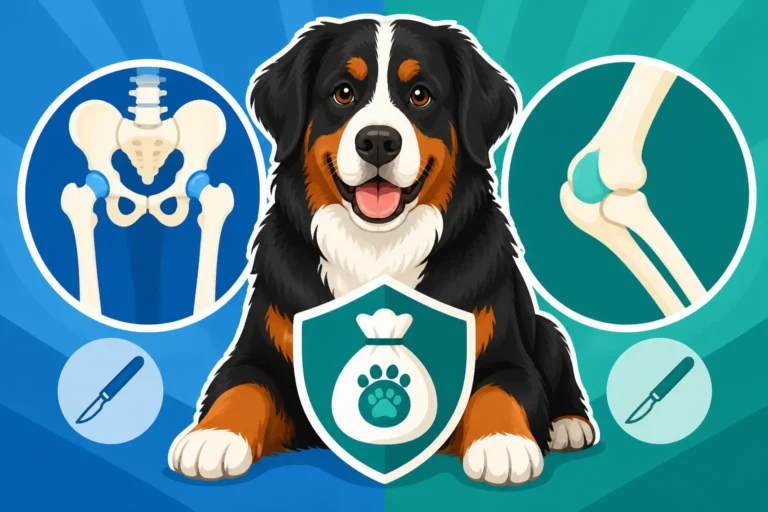
Why the Bernese Mountain Dog Is Expensive to Insure
Bringing a Bernese Mountain Dog into your life is an absolute joy, but it often comes with a significant financial reality check, especially when you start looking into pet insurance. Many prospective and current Berner parents are taken aback by the steep premiums quoted, wondering why their beloved, fluffy companion costs so much more to cover than other breeds. This comprehensive guide will peel back the layers to explain exactly why insuring a Bernese Mountain Dog often feels like a premium investment, diving deep into their unique health challenges and how insurance providers factor these into their policies.
Understanding the Bernese Mountain Dog's Health Profile
It's a tough truth, but Bernese Mountain Dogs, as magnificent as they are, are unfortunately prone to several significant health issues that directly impact their insurance costs. This isn't to say every Berner will face these challenges, but the breed's genetic predispositions cast a long shadow over their average lifespan and veterinary needs. Insurers are in the business of calculating risk, and a higher statistical likelihood of certain expensive conditions means higher premiums for all owners.
The Predisposition to Cancer
One of the most heartbreaking realities for Bernese Mountain Dog owners is the breed's tragically short lifespan, often attributed to a high incidence of cancer. It’s not uncommon to hear of a seemingly healthy Berner being diagnosed with a rapidly progressing form of cancer far too young. This devastating statistic means that discussions about The Cancer That Kills Half of All Bernese Mountain Dogs are unfortunately common among breed enthusiasts and veterinarians alike.
The primary culprit in many cases is histiocytic sarcoma, an aggressive and often rapidly spreading cancer that impacts the immune system's cells. This particular cancer is incredibly challenging to treat and often comes with a grim prognosis, even with advanced veterinary care. Knowing that The One in Four Bernese Mountain Dogs With Histiocytic Sarcoma face this diagnosis understandably drives up the perceived risk for insurance companies. They are looking at the potential for expensive diagnostics, aggressive chemotherapy, radiation, or even palliative care that can quickly accumulate staggering bills.
Beyond histiocytic sarcoma, Berners are also susceptible to other forms of cancer, including lymphoma and mast cell tumors. Each of these can require extensive diagnostics, specialist consultations, and long-term treatment plans, making the breed a high-risk category for oncology claims. The emotional toll on owners is immense, and the financial burden often adds to the stress, making the upfront cost of insurance seem a necessary evil.
Orthopedic Challenges and Joint Issues
Given their substantial size and rapid growth rate, Bernese Mountain Dogs are inherently prone to a host of orthopedic problems. Imagine a hundred-pound dog, built for pulling carts across mountainous terrain, putting immense stress on their joints with every step. This physical demand, coupled with genetic factors, makes conditions like hip and elbow dysplasia distressingly common.
Hip dysplasia, a malformation of the hip joint, can range from mild discomfort to severe, debilitating lameness, eventually leading to chronic arthritis. Similarly, elbow dysplasia involves abnormal development of the elbow joint, causing pain and functional impairment. Both conditions often require expensive diagnostic imaging, such as X-rays and CT scans, and can necessitate surgical intervention, which is complex and costly for a large breed. Owners frequently find themselves navigating options for Joint Disease in a Hundred Pound Bernese Mountain Dog even before their dog reaches middle age.
Beyond dysplasia, other joint-related issues like osteochondritis dissecans (OCD) and cruciate ligament tears can also plague Berners. A torn cranial cruciate ligament, for example, is a common injury requiring complex orthopedic surgery, often followed by extensive rehabilitation. These types of surgeries, coupled with long recovery periods and ongoing pain management, represent significant financial outlays that insurers must factor into their premium calculations.
Gastrointestinal Concerns: Bloat and More
Another acute and life-threatening condition that heavily influences insurance costs for Bernese Mountain Dogs is Gastric Dilatation-Volvulus (GDV), more commonly known as bloat. This emergency situation occurs when the stomach fills with gas and twists on itself, cutting off blood supply and rapidly leading to shock and death if not treated immediately. It’s a terrifying prospect for any owner of a deep-chested breed.
The urgency of bloat cannot be overstated; time is literally of the essence. Owners often have mere hours to get their dog to an emergency veterinary hospital for life-saving surgery. The speed at which Bloat in a Deep-Chested Bernese Mountain Dog can escalate means that an emergency vet visit, overnight hospitalization, and complex surgery are almost certainly going to be required. These procedures, especially when performed after hours or on weekends, can easily run into thousands of dollars.
Many Berner owners opt for a prophylactic gastropexy, a surgical procedure that permanently tacks the stomach to the abdominal wall to prevent it from twisting, often performed at the time of spay or neuter. While this preventive measure can reduce the risk of future GDV, it's still a surgical cost that might be covered under certain insurance plans or must be paid out-of-pocket. The very real and immediate threat of bloat, and the extremely high cost of its emergency treatment, is a major component in the overall risk assessment for insuring a Bernese Mountain Dog.
How Insurance Companies Assess Risk for Bernese Mountain Dogs
When you apply for pet insurance for your Bernese Mountain Dog, it’s not just a random number that pops up. Insurance companies employ sophisticated actuarial science to determine premiums, assessing a multitude of factors to predict the likelihood and potential cost of future claims. For a breed like the Bernese Mountain Dog, with a well-documented history of specific health vulnerabilities, this assessment becomes particularly detailed.
Breed-Specific Data and Actuarial Science
The core of an insurance company's risk assessment lies in breed-specific data. They delve into vast databases containing information on veterinary claims, health conditions, average treatment costs, and longevity statistics for every breed. For the Bernese Mountain Dog, this data unfortunately highlights a higher incidence and severity of conditions like cancer, hip and elbow dysplasia, and bloat compared to many other breeds. This isn't just anecdotal evidence; it's hard statistical fact that directly informs their pricing models.
Actuaries, who are essentially statistical economists for insurance, analyze this data to calculate the probability of a Bernese Mountain Dog developing a costly illness or injury during its lifetime. They consider factors such as the average age of onset for common diseases, the success rates and typical expenses of treatments, and the breed's shorter average lifespan, which can mean more intensive care in their middle to later years. This scientific approach ensures that premiums reflect the real, quantifiable risk associated with the breed, which, in the Berner's case, is sadly elevated.
When an insurer like Healthy Paws looks at a Bernese Mountain Dog, they're not just seeing a fluffy, friendly face; they're seeing a breed profile that statistically requires more veterinary intervention and more expensive treatments over its lifetime. This objective analysis is what drives the initial premium quotes you receive, and it's why you often see a stark difference compared to, say, a mixed breed or a breed with fewer known health predispositions.
Age, Location, and Individual Health Factors
Beyond breed, several other dynamic factors contribute to your Bernese Mountain Dog's insurance premium. The age of your dog is a huge one. Puppies, while generally cheaper to insure than older dogs, still come with a higher risk due to their developing bodies and potential for accidents or undiagnosed congenital issues. As Berners age, the risk of conditions like arthritis, cancer, and heart disease naturally increases, leading to higher premiums. Trying to secure a policy for Why Age Four Is Too Late to Insure a Berner can be challenging, as many conditions may already be symptomatic or exclusions might apply.
Your geographical location also plays a significant role. Veterinary costs vary widely across regions, influenced by factors like the cost of living, clinic overheads, and the availability of specialist care. A major metropolitan area with access to advanced veterinary oncology and orthopedic surgeons will typically have higher treatment costs than a rural area, and these regional differences are reflected in insurance premiums.
Finally, individual health factors, if already present, will impact coverage. Pre-existing conditions are almost universally excluded from pet insurance policies. If your Berner has already shown signs of hip dysplasia or has been diagnosed with a minor lump before you get insurance, those specific conditions will likely not be covered. This makes it crucial to insure your Bernese Mountain Dog as early as possible, ideally as a puppy, to secure the broadest coverage before any health issues emerge.
The Impact of Hereditary Conditions
Hereditary conditions are those passed down through genetic lines, and the Bernese Mountain Dog has a well-documented genetic predisposition to several of these, particularly those involving joints and certain cancers. Insurance companies are acutely aware of these patterns, often referencing extensive breed health studies and databases like Berner-Garde to understand inherited risks. This information is critical in their risk assessment.
While responsible breeders strive to minimize these risks through rigorous OFA Clearances a Bernese Mountain Dog Should Have and genetic testing, the prevalence of these conditions within the breed population means that the risk remains higher than average. For instance, the genetic markers for conditions like degenerative myelopathy or certain bleeding disorders, even if not fully expressed, are part of the overall risk profile.
Insurance policies are designed to cover unforeseen illnesses and accidents. When a breed has a statistically higher chance of developing certain expensive conditions due to genetics, insurers adjust their pricing accordingly. This doesn't mean they won't cover hereditary conditions if they appear after the policy is in force and the waiting periods are met, but it does mean that the initial cost of that coverage will be higher to account for the increased likelihood of claims related to these inherited traits. It's a pragmatic approach to risk management, even if it feels unfair to individual owners whose Berners may never develop these issues.
Common Claims and Their Financial Impact on Insurers
To truly grasp why Bernese Mountain Dogs are expensive to insure, it helps to look at the types of claims that are most commonly filed and the eye-watering veterinary bills associated with them. These aren't minor issues; they're often life-altering diagnoses that require extensive, specialized, and very expensive interventions.
The High Cost of Cancer Treatments
As mentioned, cancer is an alarmingly common and devastating diagnosis for Bernese Mountain Dogs. When a Berner receives a cancer diagnosis, the ensuing treatment plan is rarely simple or inexpensive. It typically begins with a battery of diagnostic tests: advanced imaging like X-rays, ultrasounds, CT scans, or MRIs to stage the cancer, biopsies to confirm the type, and extensive blood work to assess overall health. These initial steps alone can run into hundreds or even thousands of dollars.
Once diagnosed, Treating Cancer in a Bernese Mountain Dog often involves a multi-modal approach. Chemotherapy, radiation therapy, and sophisticated surgeries performed by veterinary oncologists are common. A course of chemotherapy for a large breed like a Bernese Mountain Dog, which requires higher drug dosages, can easily cost several thousand dollars. Radiation therapy can be even more expensive, often ranging from $5,000 to $10,000 or more, depending on the number of sessions and the complexity. For owners, the question of What Oncology Bills Reach for a Bernese Mountain Dog becomes a stark reality, highlighting why robust insurance coverage is so vital.
These costs aren't just for the primary treatment; they also include follow-up appointments, additional diagnostics to monitor treatment efficacy, pain management, and supportive care. The long-term nature of cancer treatment, or the need for palliative care to maintain quality of life, means that expenses can accrue over months or even years, leading to total bills that can quickly exceed $10,000 or $20,000. This immense financial burden is a primary driver of higher insurance premiums for the breed.
Surgical Interventions for Joint Disease
The orthopedic challenges faced by Bernese Mountain Dogs often lead to major surgical interventions, which are among the most expensive procedures in veterinary medicine. Take hip or elbow dysplasia, for example. While some cases can be managed conservatively with medication and physical therapy, severe forms often necessitate surgery. Total hip replacement, a complex and highly specialized procedure, can cost anywhere from $6,000 to $10,000 per hip, and some dogs may require both hips to be replaced.
Cruciate ligament tears are another common and costly orthopedic issue. Procedures like Tibial Plateau Leveling Osteotomy (TPLO) or Tibial Tuberosity Advancement (TTA) are frequently recommended for large, active breeds. These surgeries typically range from $3,000 to $7,000 per knee, not including the crucial post-operative rehabilitation, which can add significant expense over several weeks or months. Imagine the scenario for The Bernese Mountain Dog Whose Back Legs Give Out — the journey from diagnosis to recovery involves extensive costs.
Beyond the surgical fees themselves, there are costs for pre-surgical blood work, anesthesia, pain medication, hospitalization, and follow-up examinations. The sheer weight and size of a Bernese Mountain Dog make these surgeries more challenging and recovery more demanding, often requiring specialized equipment and extended stays. These high-value claims for orthopedic surgeries directly impact how insurers price their policies for the breed.
Emergency Care for Bloat
Bloat (GDV) is a true veterinary emergency, and the costs associated with its treatment reflect the critical nature of the condition. When a Bernese Mountain Dog presents with bloat, time is of the essence, and immediate action is required. This means bypassing regular veterinary clinics and heading straight to an emergency veterinary hospital, where prices are often higher due to specialized staffing and equipment available 24/7.
The initial emergency stabilization involves X-rays to confirm the diagnosis, intravenous fluids, pain medication, and efforts to decompress the stomach. If the stomach has twisted, immediate surgery (gastric decompression and gastropexy) is necessary. This complex operation can take hours, involves a high degree of risk, and requires a skilled surgical team. The cost of this emergency surgery, including anesthesia, surgical supplies, and post-operative critical care, can quickly escalate to $3,000 to $8,000 or even more, particularly in regions with higher veterinary costs.
Post-operative care for bloat survivors is also intensive, often requiring several days of hospitalization with continuous monitoring for complications like cardiac arrhythmias, kidney failure, and peritonitis. The recovery can be delicate, and further diagnostics or treatments may be necessary. The prospect of facing such a massive, unexpected bill in a critical situation is terrifying for owners, and the frequency and expense of bloat claims for deep-chested breeds like the Bernese Mountain Dog are heavily weighted in insurance premium calculations.
The Role of Preventative Care and Responsible Breeding
While pet insurance helps mitigate the financial blow of unexpected health issues, preventative care and responsible breeding practices play a crucial, albeit indirect, role in influencing a Bernese Mountain Dog’s overall health and, consequently, their lifetime healthcare costs. These measures can’t eliminate risk entirely, but they can certainly tilt the odds in your favor.
The Importance of Health Clearances
One of the most significant efforts to combat hereditary health issues in Bernese Mountain Dogs comes from responsible breeders who diligently perform health clearances on their breeding stock. These clearances are comprehensive veterinary examinations designed to identify potential genetic predispositions before a dog is bred. For Berners, this typically includes screenings through organizations like the Orthopedic Foundation for Animals (OFA) for hip and elbow dysplasia, as well as cardiac and eye examinations.
A breeder committed to the health of the breed will provide documentation for The Bernese Mountain Dog Health Panel for their breeding pair, showing excellent or good hip scores, normal elbows, and clear heart and eye certifications. While these clearances don't guarantee that a puppy will be free from all health problems, they significantly reduce the likelihood of passing on known hereditary conditions. This is why it’s absolutely vital to choose a puppy from a breeder who can provide transparent, verifiable health clearances for generations.
By investing in a puppy from health-tested parents, you’re starting with a dog that has a better genetic foundation. While this doesn't directly lower your insurance premiums initially, it can mean fewer expensive claims down the line, potentially making your policy more cost-effective in the long run. It empowers you with peace of mind that you've done your part to minimize foreseeable hereditary issues.
Diet, Exercise, and Weight Management
Beyond genetics, everyday care plays a huge role in a Bernese Mountain Dog's long-term health. A proper diet, appropriate exercise, and vigilant weight management are paramount, especially for a large breed prone to joint issues. Overweight Berners put undue stress on their developing and aging joints, exacerbating conditions like hip and elbow dysplasia and accelerating the onset of arthritis.
Puppies, in particular, need carefully controlled growth to prevent developmental orthopedic diseases. This means feeding a large-breed puppy food designed for slow, steady growth, rather than rapid weight gain, and avoiding excessive supplementation. For adult Berners, a balanced diet like that offered by services such as Ollie or other high-quality brands, coupled with consistent portion control, is essential to maintain an ideal body condition. Regular activity, tailored to their age and physical condition, helps maintain muscle mass to support joints without over-exertion.
Owners should work closely with their veterinarian to monitor their Bernese Mountain Dog’s weight and body condition score. Keeping your Berner at a healthy weight can delay the progression of joint disease, reduce the risk of other weight-related health issues like diabetes, and contribute to their overall vitality. While not a direct insurance premium reducer, a healthy lifestyle can significantly reduce the frequency and severity of veterinary visits, indirectly affecting your lifetime cost of ownership.
Regular Veterinary Check-ups
Consistent, proactive veterinary care is another cornerstone of managing a Bernese Mountain Dog's health and potential costs. Regular check-ups, even when your Berner seems perfectly healthy, are crucial for early detection and intervention. Vets can spot subtle changes, assess overall health, and recommend appropriate preventive measures like vaccinations, parasite control, and dental care.
For Berners, these check-ups are even more critical due to their propensity for rapidly progressing diseases like cancer. A vet might recommend specialized screenings or blood work earlier than for other breeds, or they might be attuned to the first, often subtle, The First Signs of Histiocytic Sarcoma in a Bernese Mountain Dog. Catching issues early often means treatment is more effective, less invasive, and less costly than addressing advanced disease. For instance, your vet might suggest baseline bloodwork for a younger Berner to establish what's normal for them, making future changes easier to detect.
These routine visits are also an opportunity to discuss any concerns you have, from diet and exercise to behavioral changes. Many pet insurance policies offer wellness riders that can help cover the cost of these routine check-ups, vaccinations, and preventive treatments, which can be a smart investment for a breed with higher healthcare needs. Staying on top of your Berner's health through regular veterinary contact is an investment in their well-being and a proactive step towards potentially minimizing major unexpected expenses.
Navigating Pet Insurance Options for Your Bernese Mountain Dog
Given the Bernese Mountain Dog's unique health profile, choosing the right pet insurance isn't just a convenience; it's often a financial necessity for many owners. However, navigating the myriad of options, understanding policy nuances, and comparing coverage can feel overwhelming. It's crucial to find a policy that genuinely meets the potential needs of your Berner.
Types of Coverage: Accident, Illness, and Wellness
Pet insurance generally comes in a few main flavors, each offering different levels of coverage:
- Accident-Only Plans: These are the most basic and typically the least expensive. They cover costs associated with unexpected injuries, such as broken bones from a fall, ingestions of foreign objects, or lacerations. While better than nothing, for a Bernese Mountain Dog, an accident-only plan likely won't cover their most common and costly issues like cancer or joint disease.
- Accident & Illness Plans: This is the most popular and comprehensive type of policy and what most Bernese Mountain Dog owners should consider. These plans cover both accidents and a wide range of illnesses, including chronic conditions, hereditary conditions (if not pre-existing), and major diseases like cancer and bloat. This is where providers like Healthy Paws truly shine for breeds like Berners, offering extensive coverage for the high-cost treatments we've discussed.
- Wellness Plans/Riders: These are not standalone insurance but rather add-ons or separate programs designed to cover routine and preventative care costs. This can include annual check-ups, vaccinations, deworming, and sometimes even dental cleanings. While not essential for unexpected emergencies, a wellness plan can help budget for predictable routine expenses, which are significant for a large dog.
For a Bernese Mountain Dog, an Accident & Illness plan is almost non-negotiable due to the high likelihood of costly medical conditions throughout their life. It provides a financial safety net against the truly staggering bills that cancer or major orthopedic surgeries can generate.
Comparing Premiums, Deductibles, and Reimbursement Rates
When shopping for insurance, it’s not just about the monthly premium. You need to look at the whole picture to understand the true cost and benefit.
- Premiums: These are your monthly or annual payments. For Bernese Mountain Dogs, these will naturally be higher than for breeds with fewer health risks. Don't just compare the lowest premium; consider what that premium actually buys you in terms of coverage.
- Deductibles: This is the amount you pay out-of-pocket before your insurance coverage kicks in. Deductibles can be annual (you pay it once per policy year) or per-incident (you pay it for each new condition). You'll typically find options ranging from $100 to $1,000 or more. A higher deductible will result in a lower premium, but means you pay more before reimbursement starts.
- Reimbursement Rates: This is the percentage of eligible veterinary costs the insurance company will pay after your deductible is met. Common reimbursement rates are 70%, 80%, or 90%. Opting for a higher reimbursement rate (e.g., 90%) means you'll pay less out-of-pocket for covered claims, but your monthly premiums will be higher.
For Bernese Mountain Dogs, with the potential for multiple, high-cost claims, a higher reimbursement rate (like 80% or 90%) often makes financial sense, even with a slightly higher premium. This helps keep your out-of-pocket expenses manageable when faced with a $10,000 cancer treatment bill. Many pet insurance comparison sites, or even resources from retailers like Chewy, can help you compare these factors across different providers.
Evaluating Annual Limits and Lifetime Caps
Understanding the maximum payouts of your policy is critical, especially for a breed with a high risk of chronic or recurring conditions.
- Annual Limits: Most policies have an annual limit, which is the maximum amount the insurer will pay out in a single policy year. These can range from a few thousand dollars to unlimited. For a Bernese Mountain Dog, a low annual limit (e.g., $5,000 or $10,000) could quickly be exhausted by a single major event like cancer treatment or a complex orthopedic surgery, leaving you to cover the remaining costs. Given the potential for Annual Limits and Bernese Mountain Dog Oncology to be quickly hit, an unlimited or very high annual limit is often recommended for Berners.
- Lifetime Caps: Some older policies or less comprehensive plans might have a lifetime cap, which is the total amount the insurer will pay out over the entire life of your pet. Thankfully, many modern, reputable pet insurance providers have moved away from lifetime caps in favor of annual limits, or offer unlimited annual and lifetime coverage, which is ideal for a breed with chronic health needs.
When choosing a policy for your Bernese Mountain Dog, scrutinize these limits carefully. Opting for a plan with a high annual limit or, even better, unlimited coverage, provides the most comprehensive financial protection against the breed's significant health challenges. It's about ensuring that when a major, expensive health issue arises, your policy will truly be there to shoulder the majority of the financial burden.
Strategies to Manage Bernese Mountain Dog Healthcare Costs
Even with pet insurance, the cost of owning a Bernese Mountain Dog can be substantial. Beyond premiums and deductibles, there are always out-of-pocket expenses, preventative care costs, and the potential for conditions not covered by your policy. Developing a multi-faceted strategy to manage these costs is a smart approach for any Berner owner.
Building an Emergency Fund
One of the most practical and prudent steps you can take, whether you have pet insurance or not, is to build a dedicated emergency fund for your Bernese Mountain Dog. Think of it as a personal "self-insurance" policy. This fund should be separate from your regular savings and earmarked specifically for unexpected veterinary expenses.
How much should be in this fund? For a breed like the Bernese Mountain Dog, with its high potential for costly conditions, aiming for at least $5,000 to $10,000 is a realistic target. This amount could cover a significant portion of a major surgery deductible, a course of chemotherapy if insurance has a lower reimbursement rate, or even an emergency bloat surgery if you find yourself without adequate coverage. This fund acts as a crucial buffer, providing immediate liquidity when a sudden health crisis strikes, removing the agonizing choice between your dog's life and your financial stability.
Even with comprehensive insurance, an emergency fund can cover things like initial diagnostic fees before your deductible is met, or conditions that might be deemed pre-existing. It's an empowering financial tool that provides peace of mind, knowing you have resources readily available for your cherished companion.
Discount Programs and Financial Assistance
Don't assume that high veterinary bills are always set in stone. Many veterinary clinics, particularly larger hospitals and specialty centers, understand the financial strain pet owners face and offer various options to help. It never hurts to ask about discount programs or payment plans.
Some clinics offer a discount if you pay the entire bill upfront, especially for very large sums. Others work with third-party financing options like CareCredit, which offers deferred interest payment plans, allowing you to pay off a large bill over time without accruing interest if paid within a specified period. These can be lifesavers when faced with an immediate, high-cost emergency.
Additionally, for owners facing truly dire circumstances, there are various non-profit organizations and breed-specific rescue groups that sometimes offer financial assistance for veterinary care. While these resources are often limited and require specific eligibility, they can provide a ray of hope for families struggling to afford life-saving treatment for their Bernese Mountain Dog. Organizations like the American Veterinary Medical Foundation (AVMF) maintain a list of such resources.
Considering Self-Insurance
For some pet owners, especially those with significant financial discipline and a robust emergency fund, "self-insuring" might be an option. This means foregoing a monthly pet insurance premium and instead consistently depositing an equivalent amount (or more) into a dedicated savings account specifically for your dog's healthcare needs.
The advantage of self-insurance is that you retain full control over your money, and you don't have to deal with deductibles, reimbursement rates, or claim denials. Every dollar saved is yours. However, this strategy carries significant risk for a Bernese Mountain Dog. The breed's high propensity for very expensive conditions means that a single cancer diagnosis or complex orthopedic surgery could easily deplete even a substantial savings account. If multiple major issues arise, or if they occur early in your dog's life before you've had time to build up sufficient funds, you could be left in a difficult position.
Self-insurance requires a high level of discipline and a realistic understanding of the potential costs. For most Bernese Mountain Dog owners, the peace of mind offered by a comprehensive pet insurance policy, even with its higher premiums, outweighs the financial risk of self-insurance. But for those who are highly financially prepared and comfortable with the risk, it's a path worth considering, especially if coupled with an exceptionally large emergency fund.
Is Pet Insurance Worth It for a Bernese Mountain Dog?
This is the million-dollar question for many Bernese Mountain Dog owners. The high premiums can feel daunting, leading some to question if the investment is truly worthwhile. However, when considering the breed's specific health vulnerabilities and the astronomical costs of modern veterinary medicine, the answer for most Berner families leans heavily towards a resounding yes.
Weighing the Peace of Mind Against the Cost
For many, the true value of pet insurance isn't just about the financial reimbursement; it's about the invaluable peace of mind it provides. When your beloved Bernese Mountain Dog is suddenly diagnosed with a severe illness or suffers a critical injury, your mind is already reeling with worry. Having pet insurance means you can make decisions based on what's best for your dog's health and prognosis, rather than being agonizingly constrained by your bank balance.
Imagine the scenario: your Berner is diagnosed with Histiocytic Sarcoma in a Bernese Mountain Dog, and your vet lays out a comprehensive, expensive treatment plan. Without insurance, that conversation often turns into a heartbreaking negotiation of cost versus outcome. With a solid policy in place, you're empowered to say yes to the best possible care, knowing that a significant portion of the bill will be covered. This reduces immense emotional stress during an already difficult time.
While the monthly premiums for a Bernese Mountain Dog might seem high, consider it an investment in your dog's potential longevity and your own emotional well-being. It’s a hedge against the unpredictability of health and the high price tag of advanced veterinary care. For many Berner owners, this peace of mind is priceless.
Long-Term Financial Planning
Bringing a Bernese Mountain Dog into your life is a long-term commitment, and responsible ownership includes comprehensive financial planning for their care. Given that Why a Bernese Mountain Dog Lives Only Seven or Eight Years is a sobering reality, their short lifespan often means more concentrated and intensive medical care in their middle years. This isn't a breed where you can typically expect smooth sailing into their golden years without significant veterinary intervention.
When you factor in the potential for multiple, expensive conditions – perhaps hip surgery at four, a bloat scare at six, and a cancer diagnosis at seven – the cumulative cost of veterinary care over a Bernese Mountain Dog's lifetime can easily run into tens of thousands of dollars. Pet insurance, despite its upfront cost, serves as a crucial component of this long-term financial strategy. It smooths out these unpredictable financial spikes, making high-cost treatments manageable rather than catastrophic.
Even with a strong focus on preventative care and choosing a healthy puppy, no owner can guarantee their Berner will entirely escape the breed's predispositions. Pet insurance helps you prepare for the almost inevitable, rather than being caught off guard. It allows you to focus on loving and caring for your Bernese Mountain Dog, confident that you're financially equipped to provide them with the best possible medical care throughout their precious, albeit often too short, life.
Common Bernese Mountain Dog Health Issues & Estimated Treatment Costs
| Histiocytic Sarcoma / Cancer | Diagnostics: $500 – $3,000+; Chemotherapy: $3,000 – $8,000+; Radiation: $5,000 – $10,000+ (per course/treatment) |
|---|---|
| Hip & Elbow Dysplasia | Diagnostics (X-rays, CT): $300 – $1,500+; Surgery (e.g., TPLO, THR): $3,000 – $10,000+ per joint; Rehab: $50 – $200 per session |
| Gastric Dilatation-Volvulus (Bloat) | Emergency Stabilization & Surgery: $3,000 – $8,000+ (often immediate need for specialist care) |
| Degenerative Myelopathy | Diagnostics (MRI, genetic testing): $500 – $3,000+; Supportive care (physiotherapy, mobility aids): $100 – $500+ monthly |
| Allergies / Skin Issues | Diagnostics: $200 – $800; Ongoing medication/special diets: $50 – $200+ monthly |
Note: These are estimated costs and can vary significantly based on location, specific veterinary practice, and complexity of the individual case.
Disclaimer
This article is intended for informational purposes only and does not constitute veterinary advice. Always consult with a qualified veterinarian for any health concerns or before making any decisions about your Bernese Mountain Dog's medical care or insurance needs. Pet insurance policies vary widely, and it is crucial to read the terms and conditions carefully to understand your specific coverage.