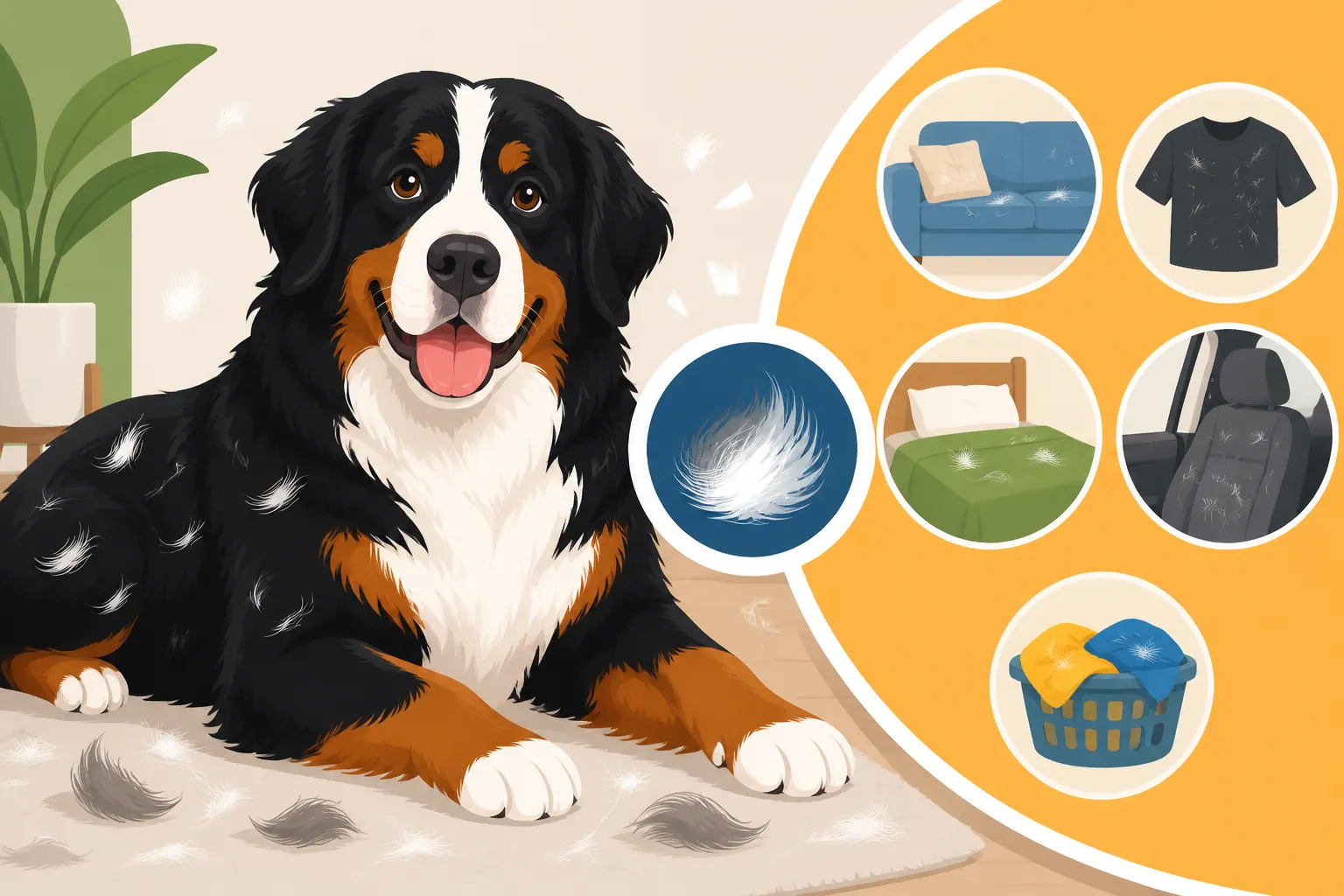
The Bernese Mountain Dog Shed and What It Fills
Anyone who has welcomed a Bernese Mountain Dog into their home knows that their majestic, flowing coat comes with a rather significant caveat: shedding. It’s not just a little hair here and there; it’s an experience, a lifestyle, a constant battle against the tide of fluffy undercoat and silky guard hairs that seems to fill every nook and cranny of your home. This guide is here to walk you through the ins and outs of Bernese Mountain Dog shedding, offering practical advice and empathetic understanding for navigating this hairy reality.
Understanding the Bernese Mountain Dog Coat
Before we dive into the how of managing the shed, let's talk about the why. A Bernese Mountain Dog’s coat isn't just for show; it's a highly functional piece of natural engineering, perfectly adapted to their origins in the cold, harsh Swiss Alps. Understanding its structure helps us appreciate why they shed so much and how best to care for it.
The Double Coat Demystified: Inner and Outer Layers
Your Bernese Mountain Dog sports what's known as a double coat, and it’s truly a marvel. This isn't just one type of hair; it's two distinct layers, each with its own purpose and shedding pattern. The outer layer, often called the guard coat, consists of longer, coarser, somewhat water-repellent hairs. These are the hairs that give your Berner their beautiful shine and protect them from rain, snow, and general grime. They act like a protective shield, warding off environmental elements.
Beneath this glossy topcoat lies the dense, fluffy undercoat. This is the real insulation powerhouse. Made up of softer, shorter, and much finer hairs, this layer traps air close to the body, keeping your Bernese Mountain Dog warm in winter and surprisingly, also helps regulate their temperature in warmer weather by providing a barrier against heat. Think of it like wearing layers – the right layers can keep you comfortable in varying conditions. It’s this undercoat that is primarily responsible for the legendary "Berner glitter" that adorns every surface in your home.
Why Their Coat Is So Thick: Function Over Form
The thickness of a Bernese Mountain Dog's coat is a direct reflection of its ancestral purpose. These dogs were bred for working in the frigid mountain regions of Switzerland, herding livestock, guarding farms, and even pulling carts. Such demanding tasks in extreme climates necessitated a coat that could withstand biting winds, heavy snowfalls, and icy rains. A thin, sparse coat simply wouldn't have allowed them to survive, let alone thrive, in those conditions.
This innate protection means that modern Bernese Mountain Dogs, even if they're living a cushy life on your sofa, still retain that thick, insulating coat. It's an evolutionary trait that persists, regardless of whether they're ever asked to brave a blizzard. The sheer volume of hair is designed to provide comprehensive coverage, from head to tail, ensuring no part of their body is left vulnerable to the elements. This thickness is why you'll find that their coat is not just long, but incredibly dense, especially the undercoat, which can feel like a thick wool blanket.
The Tricolor Challenge: Different Hairs, Different Shedding
The iconic tricolor pattern of a Bernese Mountain Dog adds another layer of complexity to their shedding – literally. Their coat features distinct black, white, and rust markings, and while it might not be immediately obvious, these different colored sections can sometimes feel like they have slightly different hair textures or densities. The longer, darker guard hairs might be more prominent in some areas, while the white blaze on their chest or the rust points on their legs might have a slightly different feel.
While the shedding mechanism is the same across the entire coat, the visual impact of shedding can vary. You might notice more black hairs on light-colored furniture and more white hairs on dark clothing, making their presence undeniable no matter where you look. This tricolor aspect doesn't necessarily mean more shedding, but it does mean that the shed hairs are highly visible against a wider range of surfaces, ensuring you're constantly reminded of your Berner's presence – even if they're not in the room! It’s just another delightful part of Grooming a Bernese Mountain Dog's Long Tricolor Coat.
The Seasonal Shedding Cycle
While it often feels like Bernese Mountain Dogs shed all year round (and they do, to some extent!), there are definite peaks and valleys in their shedding intensity. Understanding these seasonal fluctuations can help you prepare and adapt your grooming routine accordingly.
Spring Explosion: The Great Undercoat Release
Ah, spring! The season of renewal, blooming flowers, and for Bernese Mountain Dog owners, the absolute explosion of undercoat. As the days grow longer and temperatures begin to rise, your Berner’s body instinctively knows it's time to lighten their load of winter insulation. This is when the undercoat, that dense, fluffy layer that kept them warm through the colder months, starts to detach in earnest. It’s not a gentle process; it's a full-on release.
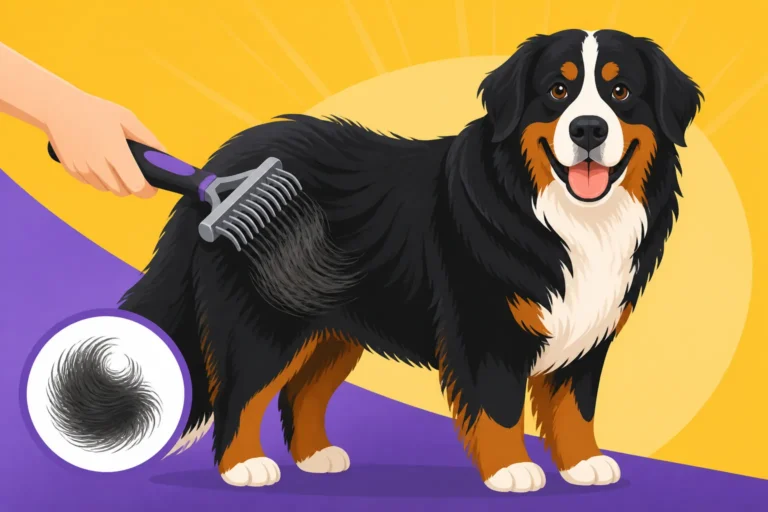
During this period, you might find yourself questioning whether your dog is actually shrinking, given the sheer volume of hair that comes off them. Brushing can yield enough undercoat to build a small, furry duplicate dog, and simply petting your Berner can leave your hands covered in soft, white fluff. This "blow out" typically lasts several weeks, and it requires a significant ramp-up in your grooming efforts to help them shed their old coat efficiently and prevent matting. It's a truly spectacular, if somewhat overwhelming, display of nature at work.
Winter Woes: Preparing for the Cold
While spring gets the most attention for its dramatic shedding, Bernese Mountain Dogs also undergo a shedding phase in the autumn as they prepare for winter. This transition isn't as visually striking as the spring blow-out, but it's equally important. In the fall, they shed their lighter summer undercoat to make way for a new, thicker, and denser winter undercoat. This new coat will be their primary defense against the cold temperatures that are just around the corner.
During this time, you might notice a more consistent, but less intense, shedding of both guard hairs and the transitioning undercoat. It’s their body's way of recalibrating its thermal insulation. Regular brushing is still crucial to help this process along, preventing any loose hair from tangling into knots and allowing the new, healthy coat to grow in without obstruction. Think of it as their annual wardrobe change, ensuring they are perfectly equipped for whatever winter throws at them.
Year-Round Reality: It's Not Just Seasonal
Despite the pronounced seasonal shifts, the truth is, a Bernese Mountain Dog sheds year-round. There's no escaping it. Even outside of the major spring and fall "blows," you'll find a steady stream of hair making its way into every corner of your life. This continuous shedding is a natural part of their hair growth cycle, where old hairs are constantly being replaced by new ones.
Factors like indoor heating and air conditioning can further blur the lines of seasonal shedding, creating a more consistent, albeit lower-intensity, shed throughout the year. Our climate-controlled homes mean their bodies don't experience the same dramatic temperature fluctuations that wild canids would, leading to a less distinct seasonal cue for shedding. So, while spring and fall are prime time for the "Berner blizzard," daily brushing and cleaning are always part of the routine if you want to keep the fluffy tumbleweeds at bay. It's simply How Much a Bernese Mountain Dog Sheds in a Week.
Managing the Daily Shed
Living with a Bernese Mountain Dog means embracing a proactive approach to grooming. You can’t stop them from shedding, but you can certainly manage the volume of hair that ends up on your floors, furniture, and clothes. Consistency is truly the key here.
The Art of Regular Brushing: Consistency is Key
If there's one golden rule for Bernese Mountain Dog owners, it's this: brush, brush, and brush some more. Daily brushing, or at the very least every other day, is not just recommended; it's essential. Think of it as capturing the shed hair before it has a chance to settle on your sofa or become a floating dust bunny across the kitchen floor. A thorough brushing session can remove a surprising amount of loose hair, especially from that dense undercoat.
This consistent routine not only helps reduce the amount of hair floating around your house, but it also has significant benefits for your dog's coat and skin health. Regular brushing distributes natural oils, which helps keep their coat healthy and shiny. It also prevents mats and tangles, which can be incredibly painful for your dog and lead to skin irritation or infections if left unchecked. Establishing a routine from puppyhood makes it a positive experience for both of you, a calm bonding time rather than a wrestling match. For deeper insight, consider How Often a Bernese Mountain Dog Should Be Brushed.
Deshedding Tools: Getting to the Root of the Problem
While a regular pin brush or slicker brush is great for general maintenance and surface tangles, when it comes to tackling the Bernese Mountain Dog’s formidable undercoat, you'll need specialized deshedding tools. These tools are designed to reach through the guard hairs and gently pull out the loose undercoat that's just sitting there, waiting to escape. Investing in high-quality tools is well worth it, as they make the job far more effective and less frustrating.
One of the most popular and effective deshedding tools is an undercoat rake. These rakes have long, strong teeth that can penetrate deep into the coat without scratching the skin. When used correctly, they can pull out incredible amounts of loose fluff, significantly reducing future shedding. Another excellent option is a deshedding blade or comb, often shaped like a curry comb with fine teeth, which can be highly effective in removing dead undercoat. You can find a wide array of options on sites like Amazon or Chewy, making it easy to compare and select the best tools for your Berner.
Brushing Techniques for Maximum Effect
Simply running a brush over the top of your Bernese Mountain Dog’s coat won't cut it. To truly maximize your deshedding efforts, you need to employ proper techniques. Start by using a pin brush or slicker brush to work through the top layer of guard hairs and remove any surface tangles. Once these are clear, it's time to go deeper with your undercoat rake. Work in small sections, starting from the neck and moving down towards the tail and legs.
Hold the fur at the base of the section you are working on to prevent pulling on the skin, and use long, gentle strokes with the rake, working through the undercoat. You'll be amazed at how much hair comes out, especially during those seasonal blow-outs. Pay particular attention to areas where mats tend to form, such as behind the ears, under the legs, and on the "trousers" of their hindquarters. Always brush in the direction of hair growth. After using the rake, finish with a slicker brush or a comb to smooth the coat and ensure no tangles remain. Remember, patience and a gentle hand are crucial for making this a positive experience for your big friend.
Grooming Tools for the Bernese Mountain Dog
Equipping yourself with the right tools is half the battle when it comes to managing a Bernese Mountain Dog's coat. Forget those flimsy brushes meant for short-haired breeds; your Berner needs industrial-strength grooming gear.
Essential Brushes: Pin Brushes, Slicker Brushes, and Rakes
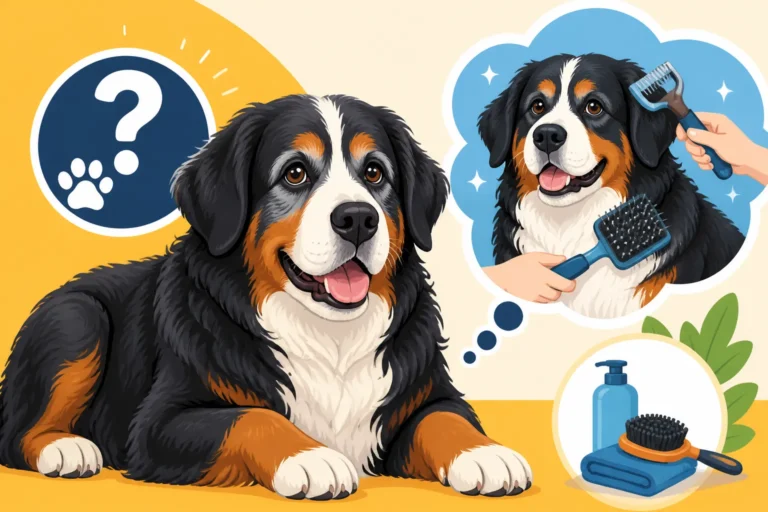
For any Bernese Mountain Dog owner, a trio of brushes forms the foundation of a good grooming kit. First, a sturdy pin brush is excellent for everyday detangling and removing loose surface hair. Its widely spaced, wire pins, often tipped with plastic, glide through the long guard hairs and are gentle on the skin. It’s perfect for a quick brush-through after a walk or just to freshen up their coat.
Next, a slicker brush is indispensable for working through smaller mats and removing finer dead undercoat. These brushes have fine, short wires packed closely together on a flat or curved surface. They are fantastic for fluffing up the coat and catching loose hairs, especially in areas with more delicate feathering. However, use them carefully to avoid "brush burn" on the skin.
Finally, the undercoat rake is your heavy-duty weapon against seasonal shedding. As mentioned earlier, its longer, curved teeth are designed to penetrate the dense undercoat and pull out masses of loose hair without damaging the guard coat. Look for one with rotating teeth if your dog is prone to tangles, as these can reduce pulling. For a deeper dive into selection, explore Which Brush a Bernese Mountain Dog's Coat Needs and Getting a Rake Down Through a Bernese Mountain Dog's Coat.
Force Dryers: A Game-Changer for Heavy Coats
If you've ever tried to towel-dry a Bernese Mountain Dog, you know it's a monumental task, often leaving your dog still damp hours later. This is where a force dryer (also known as a high-velocity dryer) becomes an absolute game-changer. These aren't like human hair dryers that use heat; instead, they use powerful, high-volume air to literally blast water out of the coat.
Beyond just drying, a force dryer is incredibly effective as a deshedding tool. The sheer force of the air helps to push out loose undercoat that even the best brushes might miss. Using it after a bath, or even on a dry coat outdoors, can remove incredible amounts of hair, greatly reducing the amount that ends up in your home. They can be a significant investment, but many Berner owners find them invaluable for speeding up drying time, preventing skin issues from dampness, and managing shedding. For more on this, check out Whether a Force Dryer Is Worth It for a Bernese Mountain Dog.
Specialty Tools: Deshedders and Dematters
Beyond the basic brushes, there are a few specialty tools that can be incredibly useful for a Bernese Mountain Dog. A deshedding tool (often a branded comb with very fine, short blades) is designed to remove the deepest layers of undercoat. While highly effective, these should be used with caution and not too frequently, as overuse can cut or damage the healthy guard hairs. They are best reserved for those intense seasonal shedding periods.
For particularly stubborn mats, a dematting tool or mat splitter can be a lifesaver. These tools have small blades that allow you to carefully cut through a mat, rather than trying to rip it out (which is painful for your dog). Remember, mats form quickly, especially in areas like The Felt That Forms Behind a Bernese Mountain Dog's Ear or Tangles Behind a Bernese Mountain Dog's Elbows. Always use these tools with extreme care and never pull or force them through the coat. If you encounter a mat that seems impossible to remove, it's always best to consult a professional groomer rather than risk injuring your dog. You can often find these specialized tools readily available on Chewy or Amazon.
Bathing a Bernese Mountain Dog for Shed Control
Bathing a Bernese Mountain Dog isn't a quick task; it's an event. But done correctly, it can be a powerful ally in your fight against shedding, helping to loosen and remove dead hair before it spreads throughout your home.
The Pre-Bath Brush-Out: Setting the Stage
Never, ever put an unbrushed Bernese Mountain Dog directly into a bath. This is perhaps the most critical step in effective bathing for shedding control. Water and shampoo will only tighten and exacerbate any existing mats or tangles, turning a manageable situation into a grooming nightmare. Imagine trying to untangle wet, knotted yarn – it’s a similar, painful experience for your dog.
Before a single drop of water touches their coat, you need to perform a thorough, head-to-tail brush-out. Use your pin brush, slicker brush, and especially your undercoat rake to remove as much loose hair and as many tangles as possible. This process might take 30 minutes to an hour, depending on the condition of your dog’s coat and how recently they were last brushed. The goal is to ensure the coat is as free of tangles and loose hair as possible, allowing the water and shampoo to penetrate properly and the loose hair to wash away easily. This pre-bath ritual sets the stage for a much more efficient and less stressful bathing experience.
Shampoo and Conditioner Choices: Hydration is Important
The type of shampoo and conditioner you use can make a real difference in managing your Bernese Mountain Dog's coat and shedding. Look for high-quality canine shampoos specifically designed for shedding control or for dogs with thick, double coats. These often contain ingredients like omega fatty acids or moisturizers that help to strengthen the hair follicles and promote a healthy coat, which can indirectly reduce excessive shedding. Avoid harsh shampoos that strip natural oils, as this can lead to dry, brittle hair and irritated skin.
Following up with a good conditioner is equally important. Conditioners help to hydrate the skin and coat, making the hair softer, more manageable, and less prone to breakage. This can also help to release any remaining loose undercoat. Work the conditioner deep into the coat, paying attention to the feathering on The Feathering on a Bernese Mountain Dog's Legs and The Trousers on a Bernese Mountain Dog's Hind End. Allow it to sit for a few minutes before rinsing thoroughly. A well-hydrated coat sheds more healthily and is easier to brush, making your life a little bit easier in the long run.
Thorough Drying: Preventing Skin Issues and Further Shedding
After the bath, thorough drying is paramount for a Bernese Mountain Dog. As mentioned, simply towel drying won't cut it, and leaving their thick double coat damp for too long can lead to a host of problems, including skin infections (like hot spots), fungal growth, and a lingering "wet dog" smell that no one enjoys. This is where your force dryer really shines.
Use the force dryer to blow out as much water as possible. Work in sections, directing the air close to the skin. As you dry, you'll notice even more loose hair being blasted out – this is a fantastic bonus deshedding session! Continue until your dog's coat is completely dry, right down to the skin. This can take a considerable amount of time, perhaps an hour or more for a large Berner, but it’s crucial for their health and comfort. Proper drying also helps to fluff out the coat, making it less prone to matting and ready for a final brush-through to catch any last stray hairs. Remember, How Long a Wet Bernese Mountain Dog Takes to Dry is often underestimated!
Dealing with Bernese Mountain Dog Hair in the Home
No matter how diligent you are with grooming, Bernese Mountain Dog hair will find its way into your home. It's a fact of life for Berner owners. The key is to have strategies in place to manage it efficiently and maintain a semblance of cleanliness.
Vacuuming Strategies: Powerful Tools for a Hairy Home
When you share your home with a Bernese Mountain Dog, your vacuum cleaner becomes one of your most prized possessions. Forget standard vacuums; you need a powerful model designed to handle pet hair. Look for vacuums with strong suction, a brush roll that effectively picks up hair without getting tangled, and excellent filtration to trap fine pet dander. Bagless models are often preferred for easy emptying, but make sure the canister is large enough to handle a significant amount of hair without needing constant emptying.
Regular vacuuming, often daily, will be your primary defense. Pay special attention to carpets, rugs, and upholstery where hair tends to cling. Using specialized attachments for furniture can make a huge difference in keeping your sofas and chairs clear. Investing in robot vacuums can also be a game-changer for maintaining day-to-day hair levels, especially if you have hard floors. Many Berner owners can attest that a good vacuum is not a luxury, but a necessity, and brands like Dyson or Shark often come up in conversations about Vacuums That Cope With a Bernese Mountain Dog.
Furniture and Upholstery Care: Lint Rollers and Beyond
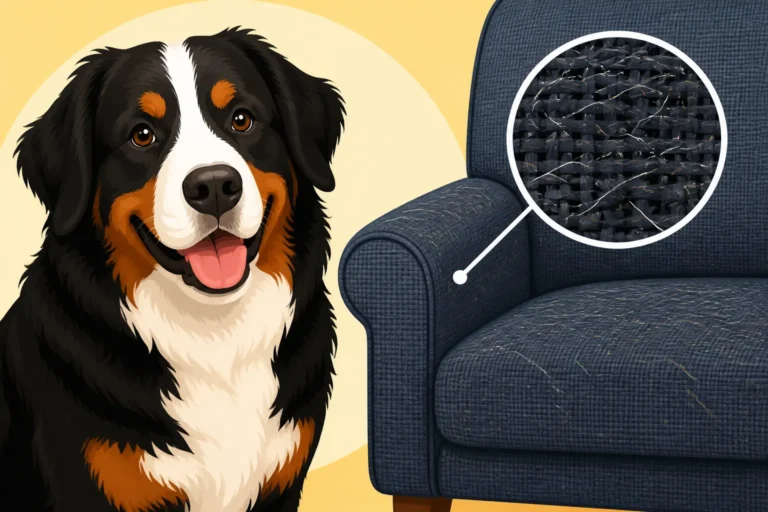
Bernese Mountain Dogs love comfort, and that often means claiming prime spots on your sofa, bed, or favorite armchair. This naturally leads to a generous deposition of hair on upholstery. While vacuuming helps, sometimes you need a more targeted approach. Lint rollers are your best friend for quick clean-ups before guests arrive or when you need to de-hair your clothes before leaving the house. Keep several strategically placed around your home and in your car.
For larger areas of furniture, rubber gloves or specialized pet hair removal mitts can be incredibly effective. Simply don the glove and wipe your hand across the fabric; the rubber creates static cling and gathers hair into clumps that are easy to pick up. For tougher, embedded hair, a damp sponge or squeegee can also work wonders on certain fabrics. Consider washable slipcovers for frequently used furniture, as these can be easily removed and tossed into the washing machine. Ultimately, learning to live with some hair on your furniture is part of the Berner ownership experience, but these tools help keep it from becoming overwhelming.
Air Quality and Filters: Minimizing Airborne Hair
Beyond the visible hair on surfaces, Bernese Mountain Dogs contribute a fair amount of hair and dander to your home's air. This can be a particular concern for individuals with allergies or simply for maintaining overall air quality. While you can't eliminate airborne particles entirely, you can certainly minimize them.
Regularly change your HVAC system's air filters, opting for high-efficiency particulate air (HEPA) filters if your system can accommodate them. These filters are designed to capture a higher percentage of tiny particles, including pet dander and fine hairs. Additionally, consider investing in standalone air purifiers with HEPA filtration for rooms where your Berner spends a lot of time, such as living areas or bedrooms. These units actively pull air in, filter it, and release cleaner air, helping to reduce the amount of floating hair and allergens. Keeping your home well-ventilated can also assist in circulating air and preventing stagnant pockets of hair and dander. For families dealing with allergies, this multi-pronged approach is essential for Keeping a House Livable With a Bernese Mountain Dog.
Nutritional Support for Coat Health
While good grooming practices are crucial for managing shedding, what goes into your Bernese Mountain Dog's body is just as important as what you do to their coat externally. A healthy diet can significantly impact the quality of their coat and, by extension, the amount and type of hair they shed.
The Role of Omega Fatty Acids: Shine from Within
One of the most impactful dietary components for coat health are omega-3 and omega-6 fatty acids. These essential fats play a vital role in maintaining healthy skin and a lustrous coat. Omega-3s, commonly found in fish oil (like salmon or sardine oil), are powerful anti-inflammatories that can help soothe dry, itchy skin, a common precursor to excessive shedding and a dull coat. Omega-6s, found in many plant oils, are important for maintaining the skin's barrier function.
When your Bernese Mountain Dog's skin is healthy and moisturized, their hair follicles are stronger, leading to less brittle hair that breaks off easily. You'll often see a noticeable improvement in coat shine and softness when these fatty acids are adequately supplemented. Many high-quality dog foods, including those from brands like Ollie, incorporate these beneficial oils, or you can add a supplement directly to their food. Always consult with your vet before adding any supplements to ensure proper dosage for your dog's specific needs. Owners often wonder Whether Omega Oils Do Anything for a Berner's Coat, and the answer is a resounding yes!
High-Quality Protein: Building Strong Hair
Hair is primarily made of protein, specifically keratin. Therefore, it stands to reason that a diet rich in high-quality protein is fundamental for building and maintaining strong, healthy hair follicles. If your Bernese Mountain Dog's diet is deficient in protein, or the protein sources are not easily digestible, their coat can become dull, brittle, and prone to excessive shedding. Think of it like building a house – you need strong materials to make a sturdy structure.
Look for dog foods that list a recognizable meat source (like chicken, beef, lamb, or fish) as the first ingredient. The protein content should be appropriate for a large, active breed, supporting not just their coat but their overall muscle mass and energy levels. While every dog is different, ensuring they receive adequate, bioavailable protein can contribute to a more resilient coat that sheds less due to breakage and maintains its integrity.
Hydration and Overall Health: Impact on the Coat
Just like humans, proper hydration is crucial for your Bernese Mountain Dog’s overall health, and this extends directly to their skin and coat. A dehydrated dog can have dry, flaky skin, which can lead to itchiness, irritation, and, you guessed it, increased shedding. Ensuring your Berner always has access to fresh, clean water is a simple yet incredibly important step in maintaining a healthy coat.
Beyond water intake, a dog's general health dramatically impacts their coat. Underlying health issues, stress, parasites, or even allergies can all manifest as a poor, dull coat and excessive shedding. A healthy dog with a strong immune system, proper organ function, and a balanced gut microbiome is much more likely to have a thriving, vibrant coat that sheds normally. Pay attention to your dog's energy levels, appetite, and stool quality, as these are all indicators of their internal health, which is ultimately reflected on the outside.
When Shedding Might Signal a Problem
While a certain amount of shedding is completely normal for a Bernese Mountain Dog, there are times when changes in their shedding pattern or coat quality can signal an underlying health issue. It's important for owners to be vigilant and recognize these potential red flags.
Excessive or Patchy Hair Loss: Red Flags
If you notice a sudden, dramatic increase in shedding that goes beyond their normal seasonal blow-out, or if your Bernese Mountain Dog is losing hair in patches, it's a clear sign that something might be amiss. Normal shedding typically involves a widespread, even release of hair, not bald spots or thinning in specific areas. Patchy hair loss can be indicative of several issues, including parasitic infestations (like fleas, mites, or ringworm), fungal infections, bacterial skin infections, or even allergic reactions.
These issues often cause intense itching, leading your dog to scratch, lick, or chew at the affected areas, further exacerbating hair loss and skin irritation. If you see circular bald patches, scaling, redness, or any localized areas of significant hair thinning, it's time to pay close attention. Such changes warrant a closer look and often require veterinary intervention to diagnose and treat the root cause. This kind of symptom is very different from the usual Spring, When a Bernese Mountain Dog's Undercoat Lets Go.
Skin Irritation and Dull Coat: More Than Just Shedding
Beyond hair loss itself, pay attention to the condition of your Bernese Mountain Dog's skin and the quality of their remaining coat. Is their skin red, inflamed, flaky, or greasy? Do you see bumps, pustules, or scabs? These are all signs of potential skin problems that can contribute to or be caused by abnormal shedding. A healthy coat should grow from healthy skin.
Furthermore, a dull, dry, or brittle coat that lacks its usual luster can also be a warning sign. While a lack of proper nutrition can contribute to this, it can also point to metabolic disorders, hormonal imbalances (such as hypothyroidism), or internal illnesses that are affecting their overall health. If your Berner's once vibrant coat has lost its sheen, feels coarse to the touch, or seems unusually dry despite your best grooming efforts, it's worth investigating. And if you notice Itching Under a Bernese Mountain Dog's Thick Coat, don't dismiss it as just dry skin.
Veterinary Consultation: When to Seek Professional Advice
It can sometimes be hard to differentiate between normal heavy shedding and shedding that signals a problem. As a general rule, if you observe any of the following, it’s always best to consult your veterinarian:
- Sudden or excessive hair loss outside of typical seasonal shedding.
- Patchy hair loss, bald spots, or asymmetrical shedding.
- Skin redness, inflammation, flakiness, scabs, bumps, or pustules.
- Intense itching, licking, or chewing that seems to bother your dog.
- A dull, dry, or brittle coat that doesn't improve with grooming or dietary changes.
- Any accompanying symptoms like lethargy, changes in appetite, or weight loss.
Your vet can perform a thorough examination, including skin scrapings, blood tests, or other diagnostics, to determine the underlying cause of the abnormal shedding. Early diagnosis and treatment can often prevent more serious issues and get your Bernese Mountain Dog back to their magnificent, albeit still shedding, self. Don't hesitate to reach out to them; they are your best resource for keeping your beloved companion healthy and happy.
Shedding Solutions for the Bernese Mountain Dog Owner
Living with a Bernese Mountain Dog means learning to cope with their hair, but there are definitely strategies and habits you can adopt to make life more manageable. It's about proactive management and embracing the furry reality.
Establishing a Consistent Grooming Routine
The single most effective "solution" to Bernese Mountain Dog shedding is a consistent grooming routine. We've talked about it already, but it bears repeating: daily or every-other-day brushing is your absolute best defense. This is particularly crucial during the spring and fall "blows" where you might even need to increase brushing frequency to twice a day. The more hair you can remove directly from your dog's coat, the less hair will end up on your floors, furniture, and clothes.
Think of it as damage control. Each brushing session is an opportunity to collect loose hair before it disseminates throughout your environment. Make it a relaxing, positive experience for your Berner. A dedicated grooming area, a comfortable mat, and plenty of praise and treats can turn what could be a chore into a bonding ritual. This consistency not only manages shedding but also keeps their coat healthy, prevents painful mats, and gives you a regular opportunity to check their skin for any abnormalities. It truly is the foundation of How Long Brushing a Bernese Mountain Dog Takes.
| Grooming Tool | Primary Use | Frequency | Benefits |
|---|---|---|---|
| Pin Brush | General detangling, surface hair removal | Daily | Gentle, removes loose topcoat, preps for deeper grooming |
| Slicker Brush | Removing fine undercoat, smoothing coat | Daily to every other day | Excellent for fluffing, catches finer hairs, helps with small mats |
| Undercoat Rake | Deep undercoat removal, detangling dense areas | 2-3 times per week, more during shedding | Most effective for reducing bulk undercoat, prevents matting |
| Deshedding Tool | Deepest undercoat removal (e.g., FURminator) | Weekly to bi-weekly (use sparingly) | Highly effective for reducing major shedding, can be harsh if overused |
| Force Dryer | Drying after baths, blowing out loose undercoat | After baths, or weekly for deshedding | Drastically reduces drying time, powerful deshedding action |
| Dematting Tool | Carefully cutting through stubborn mats | As needed, with extreme caution | Prevents painful pulling, saves coat from being cut entirely |
| Nail Clippers/Grinder | Trimming nails | Every 2-4 weeks | Prevents overgrown nails, discomfort, and joint issues |
Investing in the Right Cleaning Supplies
Your home is going to get hairy; there’s no way around it. But with the right cleaning arsenal, you can keep the furry invasion somewhat contained. As discussed, a powerful vacuum cleaner specifically designed for pet hair is non-negotiable. Look for models with good suction, brush rolls that prevent tangles, and HEPA filters. Regular vacuuming, possibly even daily in high-traffic areas or during shedding seasons, will make a huge difference.
Beyond the vacuum, keep a supply of high-quality lint rollers – they’re essential for quick clean-ups on clothing, furniture, and even car seats. Rubber brushes or gloves designed for pet hair removal are also fantastic for upholstery and carpets, as they create static that pulls hair into easy-to-grab clumps. Consider washable furniture covers for frequently used pieces, making it simple to toss them in the laundry. Having these tools readily available, perhaps even one on each floor of your home, will save you time and frustration, helping you reclaim your living space from the endless tide of Berner fluff. You can easily find these on sites like Amazon or your local pet store.
Creating a Designated "Dog Zone"
While Bernese Mountain Dogs are famously Velcro dogs who want to be wherever you are, creating a designated "dog zone" can help contain the shedding to certain areas. This isn't about isolating your dog, but rather giving them comfortable, acceptable spaces that are easier to clean and manage. Think about an orthopedic dog bed (many excellent options are available from Chewy) in a corner of the living room, a crate in a den, or a special mat in the kitchen.
These dedicated spaces can be equipped with easy-to-clean bedding that can be washed frequently. Having their own bed means less hair directly on your furniture, and if they have a favorite spot, you know exactly where to focus your vacuuming efforts. Some owners even use gates or exercise pens to define these zones, especially if they have areas of the house they prefer to keep relatively hair-free. It’s a subtle way to manage the flow of fur and helps maintain a sense of order in a Bernese Mountain Dog household.
Maintaining Overall Health for a Healthier Coat
Finally, remember that a healthy dog generally has a healthier coat and sheds less excessively. This means ensuring your Bernese Mountain Dog receives a high-quality, balanced diet rich in essential nutrients, including omega fatty acids and good protein sources. Regular veterinary check-ups are crucial to catch any underlying health issues that might manifest as poor coat condition or abnormal shedding.
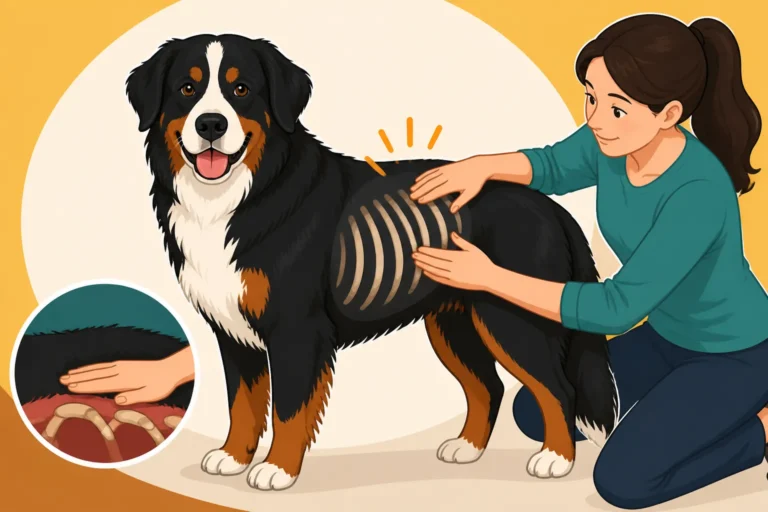
Keep your Bernese Mountain Dog at a healthy weight; obesity can impact skin health and make grooming difficult. Provide plenty of exercise and mental stimulation, as a happy, healthy dog is more likely to have a thriving coat. Good hydration is also key for skin and hair elasticity. By focusing on your Berner's overall well-being, you're not only giving them the best quality of life but also contributing to a more manageable shedding experience. After all, a radiant coat is often a direct reflection of excellent internal health.
Disclaimer
This article is for general informational purposes only and does not constitute professional advice. Laws, prices and regulations vary by location and change over time. Consult a qualified professional for guidance on your specific situation.