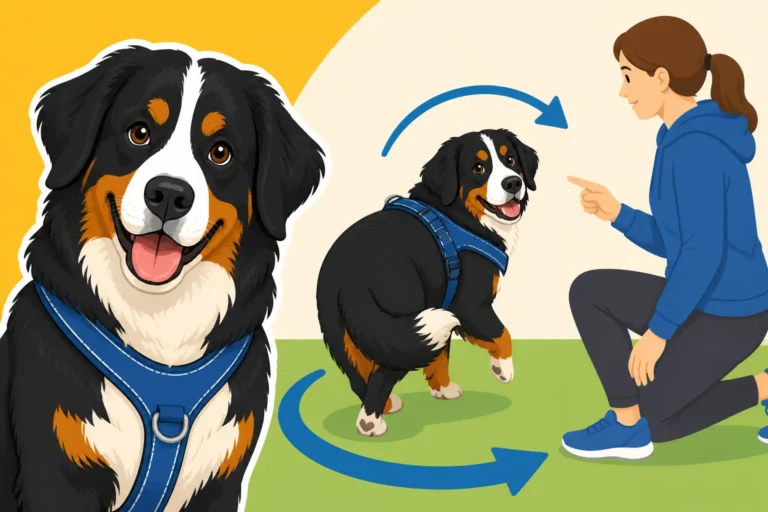
The Bernese Mountain Dog That Regresses at Ten Months
It can be incredibly frustrating when your sweet, well-behaved Bernese Mountain Dog suddenly seems to forget every single command you've patiently taught them. You spend months building a solid foundation, only for it to feel like it's all unraveling right around the ten-month mark. This guide is here to walk you through why this "teenage" regression happens in Berners and, more importantly, how you can navigate this challenging but temporary phase with grace and consistency.
Understanding Adolescent Regression in Bernese Mountain Dogs
Just like human teenagers, Bernese Mountain Dogs go through an adolescent phase that can feel like a total reset button on their manners and training. It’s not that they’ve forgotten you or your commands; it’s more that their brains are undergoing significant rewiring, and external stimuli become a lot more exciting than listening to their beloved human. This period can often catch owners off guard, especially if their Berner puppy was a stellar student in those early months.
The Teenage Brain of a Berner
Think of your ten-month-old Bernese Mountain Dog as having a brain under construction. During puppyhood, their brains are like sponges, eagerly soaking up information and forming neural pathways related to training and socialization. But as they hit adolescence, roughly between 6 to 18 months, there's a pruning process where less-used pathways are trimmed, and new ones are strengthened. This means that while they might know "sit" perfectly in your quiet living room, the park with all its smells, sounds, and other dogs becomes a whole different ballgame. Their impulse control is still developing, and their world is suddenly much bigger and more interesting than it was just a few months prior. This is often why you’ll notice a distinct shift around this age; it’s not defiance, but rather a temporary neurological shift that impacts their focus and decision-making. Why a Bernese Mountain Dog Stays a Puppy Until Three can give you more insights into their prolonged puppyhood.
Common Signs of Regression at Ten Months
When your Bernese Mountain Dog hits this ten-month sweet spot, you might start seeing a variety of behaviors that make you scratch your head. One of the most common is selective hearing. You call their name, and they might look at you, then look away, or simply ignore you as if they've never heard that sound before. Leash pulling, which you thought you had conquered, can resurface with a vengeance, turning pleasant walks into a tug-of-war. House training might suddenly seem to falter, with accidents inside the home despite weeks of perfect adherence to outdoor potty breaks. They might jump on guests again, even though they mastered the "four on the floor" rule ages ago. Excitement peeing, chewing on inappropriate items, or suddenly becoming more reactive to other dogs or noises are all typical hallmarks of this adolescent phase. It's a confusing time for both dog and owner, as the reliable companion you thought you had disappears behind a veil of forgetfulness and boundary-testing.
Why Your Bernese Mountain Dog Seems to Forget Everything
It truly feels like they’ve erased their hard-won knowledge, doesn't it? But it's not willful forgetfulness. Several factors converge during this critical developmental stage, making your Berner seem like a different dog entirely. Understanding these undercurrents can help you approach their behavior with more empathy and less frustration.
Hormonal Shifts and Their Impact
Around the ten-month mark, your Bernese Mountain Dog is experiencing a significant surge in hormones, regardless of whether they're spayed or neutered (though intact dogs often feel these shifts more intensely). For males, testosterone levels are peaking, driving an increased interest in the environment, marking territory, and an urge to explore and assert themselves. They might become more confident, or conversely, more anxious or even fearful in new situations. Females might be approaching or experiencing their first heat cycle, which brings a cascade of hormonal changes that can affect mood, focus, and receptiveness to training. These hormones are powerful, influencing everything from their energy levels to their perceived need to respond to your cues. It's like asking a human teenager to concentrate on algebra when their entire social world is buzzing with new developments and emotions. These internal changes mean that a previously bomb-proof "stay" command might crumble when a squirrel darts across the yard, or another dog passes by.
Environmental Factors and Overwhelm
Beyond internal hormonal chaos, your growing Bernese Mountain Dog is also becoming much more aware of the world around them. What might have been a minor distraction at four months old can now completely overwhelm their senses at ten months. Their size and strength allow them to reach new things, explore further, and generally exert more influence over their environment. A walk that used to be a simple exercise in leash manners is now an olfactory adventure, a visual feast, and a social networking event all rolled into one. They're processing a tremendous amount of information, and their brain struggles to prioritize your voice over the irresistible pull of a new smell or the sight of a distant dog. This can lead to what looks like deliberate disobedience, but is often just an overwhelmed dog struggling to cope with all the competing stimuli. This is where patience really comes into play, as you recognize that the world is a lot "louder" for your adolescent Berner.
Strategies for Navigating the "Terrible Tens"
So, what’s a devoted Bernese Mountain Dog owner to do when their perfectly trained pup starts acting like they were raised by wolves? The good news is that this phase, while challenging, is temporary. The key is to respond with patience, consistency, and a clear understanding that your dog isn't trying to be difficult, they're just going through a very normal developmental stage.
Re-establishing Basic Training Principles
The first step in tackling adolescent regression is to go back to basics, almost as if you’re starting fresh with a new puppy. This means simplifying your commands and practicing them in low-distraction environments before gradually increasing the difficulty. Remember, with a Bernese Mountain Dog, keeping Training Sessions Short Enough for a Bernese Mountain Dog is crucial to maintain their focus. Start with just a few minutes of training in your quiet living room, rewarding heavily for success. High-value treats are your best friend here! Once they're reliably performing commands indoors, slowly introduce mild distractions, like another person in the room or a soft noise.
Consider breaking down complex behaviors into smaller, more manageable steps. If "come" is falling apart at the park, practice it on a long line in a fenced yard, or even just across the living room, celebrating every tiny step towards you. Incorporate positive reinforcement heavily; think of what your Berner loves most – maybe it's a specific toy or a super special treat – and use that as motivation. Remember, you’re not teaching them new behaviors, but reminding them that the old ones are still relevant and rewarding, even amidst their teenage angst. Many owners find programs like those offered by BAXTER & Bella helpful for structure and support during this phase, providing step-by-step guidance you can follow from home.
Managing New Behaviors and Frustrations
When new, unwanted behaviors crop up, it’s vital to manage them proactively rather than just reacting. If your Berner is suddenly jumping on guests, rather than simply scolding, equip yourself with strategies. Keep a leash on them when visitors arrive, redirect them to a "place" command, or hold a treat at your chest to encourage four paws on the floor, rewarding immediately when they comply. For leash pulling, consider a front-clip harness, available on Amazon, which can give you more control without causing discomfort. This type of harness gently steers your dog to the side when they pull, making it physically harder for them to forge ahead.
Frustration is a two-way street during adolescence, and both you and your dog will experience it. Avoid getting angry, as this can damage your bond and make your Berner less likely to engage in training. Instead, try to understand the why behind the behavior. Are they bored? Overstimulated? Needing more exercise or mental enrichment? A tired Bernese Mountain Dog is usually a better-behaved Bernese Mountain Dog. Increase their sniffing opportunities on walks, try puzzle toys, or engage them in short bursts of play. Remember, your Berner might seem Whether a Bernese Mountain Dog Is Stubborn during this time, but often it's just a communication breakdown or a sign of an unmet need.
Patience, Consistency, and Support
I can't stress this enough: patience and consistency are your most powerful tools during this adolescent phase. It might feel like you're endlessly repeating yourself, but every successful repetition builds that stronger neural pathway in their developing brain. Stick to your routines, maintain clear rules, and ensure everyone in the household is on the same page regarding commands and expectations. Inconsistency will only confuse your Berner further.
Think of it as a marathon, not a sprint. There will be good days where your Berner shines and bad days where they act like they've never seen a leash before. Celebrate the small victories and don't dwell on the setbacks. Remember that your Berner still loves you deeply, even if they're momentarily distracted by the world. Building a strong bond through positive reinforcement, play, and clear communication will carry you both through this phase. Consider joining local Bernese Mountain Dog groups or online forums for support; knowing you're not alone in these struggles can make a huge difference. Sometimes, just having a community of fellow Berner parents to vent to, or to share funny adolescent anecdotes with, is a form of invaluable support.
When to Seek Professional Help
While adolescent regression is a normal part of canine development, there are times when certain behaviors might indicate something more than just typical teenage antics. Knowing when to reach out to a professional can save you a lot of stress and ensure your Bernese Mountain Dog gets the help they need.
Identifying Red Flags Beyond Normal Regression
While selective deafness and renewed leash pulling are common, certain behaviors should raise a red flag. If your Bernese Mountain Dog suddenly develops significant fear or anxiety, especially in situations they previously handled well, it's worth investigating. This could manifest as excessive trembling, panting, destructive behavior when left alone, or extreme withdrawal in new environments or around new people. Similarly, an unexpected increase in aggression – towards other dogs, strangers, or even family members – is not typical adolescent regression and needs immediate attention. This might include snapping, growling, lunging, or guarding resources. If your Berner starts engaging in repetitive behaviors like tail chasing or excessive licking, or if their house training completely falls apart despite diligent management, these could be signs of underlying stress, anxiety, or even a medical issue. A sudden, unexplained change in appetite or energy level should also prompt a vet visit, as physical discomfort can sometimes manifest as behavioral problems. These aren't just quirks; they're signals that your dog is struggling. Whether a Bernese Mountain Dog Hides Discomfort is a good read to understand how they can mask issues.
The Role of a Certified Professional Dog Trainer
If you're noticing any of these red flag behaviors, or if you simply feel overwhelmed and stuck despite your best efforts, don't hesitate to contact a certified professional dog trainer or a veterinary behaviorist. A qualified professional can assess your Bernese Mountain Dog's individual temperament, your home environment, and the specific behaviors you're seeing. They can help distinguish between normal adolescent challenges and more serious underlying issues.
A good trainer will use positive, force-free methods and can provide you with a tailored training plan. They can teach you effective communication strategies, management techniques, and exercises to build your Berner's confidence and impulse control. For instance, a trainer might observe that your Berner needs more structured Socializing a Reserved Bernese Mountain Dog Puppy experiences, or that your technique for Teaching a Bernese Mountain Dog to Stay on a Mat needs a slight adjustment to be more effective. A veterinary behaviorist, who is a veterinarian with specialized training in animal behavior, can also evaluate if there's a medical component contributing to the behavior and, if appropriate, discuss medication as part of a comprehensive behavior modification plan. Remember, seeking help is a sign of responsible pet ownership, not failure. It means you're committed to giving your Bernese Mountain Dog the best possible chance to grow into a well-adjusted, happy adult.
| Behavior Change | Normal Adolescent Regression | Red Flag (Seek Professional Help) |
|---|---|---|
| Recall | Intermittent selective hearing, slow response | Complete refusal to come, running away |
| Leash Manners | Increased pulling, easily distracted | Extreme lunging, reactivity, fear aggression |
| House Training | Occasional accidents if stressed/overstimulated | Frequent, unexplained accidents, regression for weeks |
| Jumping | Jumps on some people, forgets "off" command | Jumps aggressively, nips, won't be redirected |
| Fear/Anxiety | Mild hesitancy in new situations | Severe panic, constant trembling, destructive anxiety |
| Aggression | Play biting, puppy nipping | Growling, snapping, biting directed at people/dogs |
| Focus | Easily distracted by environment | Unable to focus even in quiet environments, hyperactive |
Disclaimer
This article is for general informational purposes only and does not constitute professional advice. Laws, prices and regulations vary by location and change over time. Consult a qualified professional for guidance on your specific situation.