The Age a Bernese Mountain Dog Should Be X-Rayed
Bringing a Bernese Mountain Dog into your life is an incredible joy, but it also comes with a deep sense of responsibility, especially when you know their predispositions to certain health issues. One of the most common anxieties for Berner owners revolves around their beloved dog's joint health and the potential for debilitating conditions. This guide will walk you through the crucial role of X-rays in managing your Bernese Mountain Dog's health, focusing on the optimal ages for these important screenings and what you can expect throughout the process.
Why Early X-Rays are a Game-Changer for Bernese Mountain Dogs
It's a tough truth that our big, beautiful Bernese Mountain Dogs are prone to specific orthopedic challenges, largely due to their rapid growth and substantial weight. Unlike smaller breeds, even minor joint imperfections can quickly escalate into significant pain and mobility issues under their heavy frames. This is why proactive X-ray screening isn't just a suggestion; for many Berner owners, it's a critical part of ensuring their dog's comfort and quality of life for as long as possible.
Understanding Joint Dysplasia in a Giant Breed
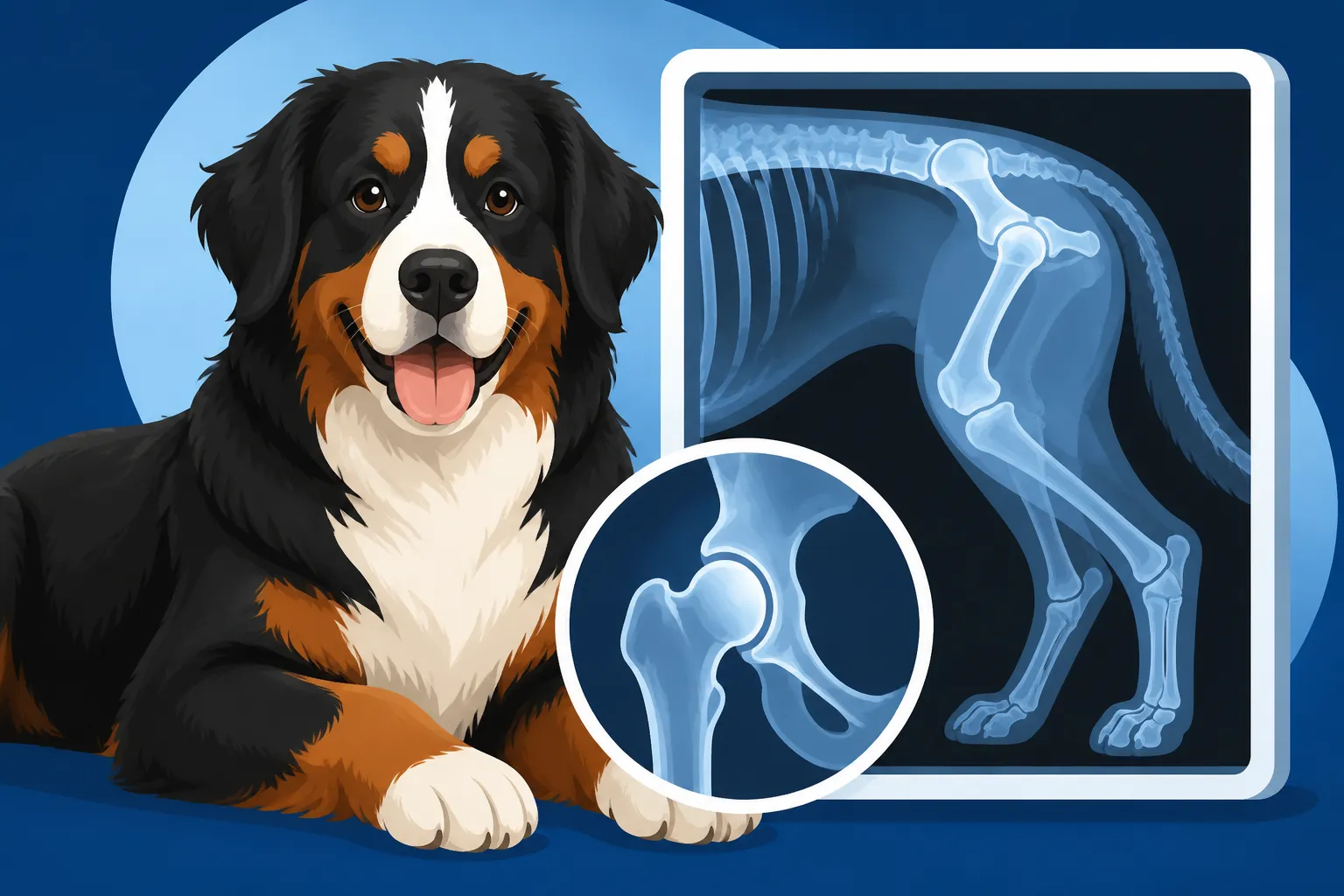
When we talk about joint issues in Bernese Mountain Dogs, hip and elbow dysplasia are usually at the top of the list. These aren't just minor aches; they are developmental conditions where the joint doesn't form correctly, leading to looseness, cartilage damage, and eventually, painful arthritis. Imagine carrying an extra 50 pounds on a faulty knee your entire life – that's a glimpse of what dysplasia can feel like for a Berner.
Early X-rays allow veterinarians to identify these structural abnormalities long before your dog shows overt signs of pain or limping. Catching these issues early can open doors to various management strategies, from specific diet adjustments and exercise modifications to joint supplements and, in some cases, early surgical interventions that can drastically improve their long-term prognosis. Waiting until symptoms are undeniable often means the damage is more extensive, limiting the effectiveness of less invasive treatments. For more detail on these challenges, read about Joint Disease in a Hundred Pound Bernese Mountain Dog.
Beyond Hips and Elbows: Other X-ray Insights
While hip and elbow dysplasia dominate the conversation, X-rays offer a broader window into your Bernese Mountain Dog's skeletal health. For instance, osteochondrosis dissecans (OCD) is another common orthopedic condition in rapidly growing large breeds, where cartilage doesn't properly convert to bone, creating painful flaps within the joint. X-rays can pinpoint these lesions, often in the shoulders, hocks, or stifles.
Furthermore, X-rays provide a baseline for your dog's unique anatomy. If, down the line, your Berner develops a mysterious lameness or an unexplained change in gait, having previous X-rays allows your vet to compare and contrast, making it much easier to identify new problems or track the progression of existing ones. This kind of historical record is invaluable, especially as your Bernese Mountain Dog ages and becomes more susceptible to conditions like arthritis, which can impact The Bernese Mountain Dog Whose Back Legs Give Out.
The Recommended Timeline for Bernese Mountain Dog X-Rays
Deciding when to X-ray your Bernese Mountain Dog can feel confusing, especially with so much information out there. However, there are well-established guidelines, particularly when it comes to screening for heritable orthopedic diseases. Following these recommendations is key, whether you're planning to breed your dog or simply want to ensure they live as comfortably as possible.
The Gold Standard: OFA and Preliminary Screenings
For official evaluations, the Orthopedic Foundation for Animals (OFA) is the gold standard in North America. They recommend hip and elbow evaluations be performed after 24 months of age for final certification. This age is chosen because by two years old, a Bernese Mountain Dog's growth plates have typically closed, and their joints have reached skeletal maturity, providing the most accurate assessment of their permanent joint structure. Submitting these X-rays to the OFA provides a definitive, publicly verifiable record of your dog's orthopedic health, which is incredibly important for responsible breeding. You can learn more about these requirements by reading about OFA Clearances a Bernese Mountain Dog Should Have.
However, many responsible breeders and owners opt for preliminary X-rays at earlier ages. These can be done as early as 4-6 months, or more commonly around 12-18 months. While not eligible for official OFA certification, preliminary X-rays can give a good indication of potential issues. If a puppy's preliminary X-rays show significant signs of dysplasia, it allows owners and vets to implement early management strategies or consider preventative surgeries that might not be an option once the dog is fully grown and more damage has occurred. These early screenings don't replace the 24-month OFA X-rays, but they offer valuable insights into your Berner's developing joints.
| Purpose of X-Ray | Recommended Age | Key Considerations |
|---|---|---|
| Early Screening (Preliminary) | 4-18 months | Provides early warning for potential hip/elbow dysplasia or OCD. Allows for early intervention strategies. Not for official OFA certification. |
| Official OFA Certification | 24 months + | Required for breeding clear Bernese Mountain Dogs. Provides definitive assessment of hip/elbow joints at skeletal maturity. |
| Investigating Lameness/Injury | Any age | Based on symptoms. Crucial for diagnosing fractures, sprains, or soft tissue injuries. |
| Cancer Screening | Any age (especially 4-6 years+) | To detect bone tumors or metastatic disease, often in response to symptoms like persistent lameness or swelling. |
| Arthritis Monitoring | 6 years + | To track progression of degenerative joint disease and guide pain management. Refer to Arthritis in a Bernese Mountain Dog by Six. |
Genetic Predispositions and Screening Age
The genetic component of conditions like hip and elbow dysplasia in Bernese Mountain Dogs cannot be overstated. Even with the best care, a dog with a strong genetic predisposition might still develop these issues. This is why reviewing a puppy's pedigree and the OFA clearances of its parents is a non-negotiable step for any prospective Berner owner. A good breeder will freely provide this information and encourage you to look it up on the OFA and Berner-Garde databases.
Understanding these predispositions reinforces the importance of timing your X-rays correctly. If you know your dog comes from a line with a history of good joint health, your focus might primarily be on the 24-month OFA certification. However, if there's any uncertainty, or if your Berner comes from lines with less stringent health testing, those earlier preliminary X-rays become even more vital. This proactive approach allows you to partner with your veterinarian to create a tailored health plan for your individual dog, potentially mitigating severe outcomes. Some insurance providers, like Healthy Paws, recognize the value of preventative care and might cover diagnostics if certain conditions are met, making these screenings more accessible.
When Unexpected X-Rays Become Necessary
While scheduled X-rays for screening are fundamental, there will inevitably be times when X-rays become necessary due to sudden changes in your Berner's health. These diagnostic X-rays are usually prompted by symptoms and are crucial for understanding what's happening inside your large companion.
Investigating Lameness and Injury
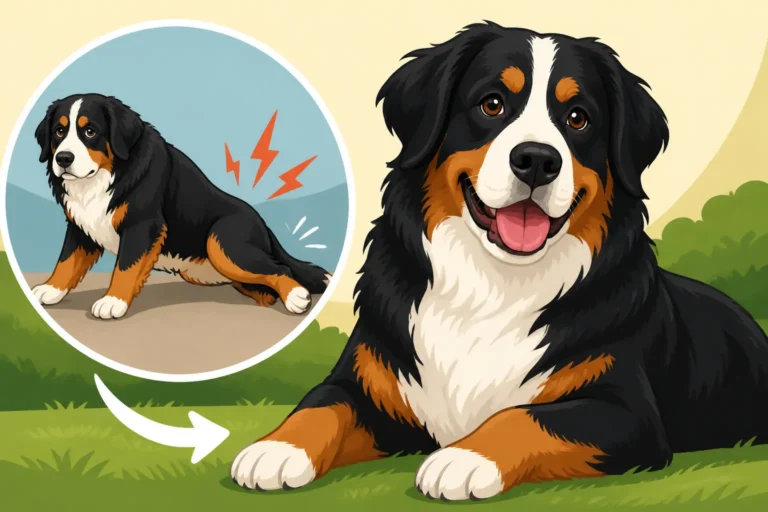
It's a common, heartbreaking scenario: your playful Bernese Mountain Dog suddenly starts limping, favoring a leg, or struggling to get up. Given their size and active nature, injuries can happen. A sudden yelp during play, a stumble on ice, or even just twisting awkwardly can lead to sprains, strains, or even fractures. When these things happen, X-rays are the first line of diagnostic defense.
A vet will likely recommend X-rays of the affected limb or joint to rule out bone fractures, dislocations, or severe soft tissue damage that might not be visible externally. Sometimes, what seems like a simple sprain could be something more serious, like a torn cruciate ligament in the knee, especially common in larger breeds. For example, a sudden lameness in the front end might require investigation into The Front-End Lameness a Bernese Mountain Dog Develops. The sooner an accurate diagnosis is made, the quicker you can get your Berner on the path to recovery and pain management, preventing further complications or chronic issues.
X-Rays in the Search for Cancer
Unfortunately, cancer is a leading cause of death in Bernese Mountain Dogs. While many cancers affect internal organs or soft tissues, bone cancer (osteosarcoma) is also a significant concern, especially in giant breeds. If your Bernese Mountain Dog develops an unexplained lameness that doesn't resolve, swelling on a limb, or seems to be in persistent pain in a specific area, your vet will almost certainly recommend X-rays.
These X-rays can reveal changes in bone density, lesions, or abnormal bone growth indicative of a tumor. While an X-ray can't definitively diagnose cancer (a biopsy is usually required for that), it provides crucial information about the location, size, and aggressiveness of a potential bone tumor. Early detection, even through X-rays, is vital for managing cancer, as it can influence treatment options and ultimately, prognosis. The financial burden of such diagnostics and treatments can be substantial, so having a good pet insurance policy like those offered by Healthy Paws can be a real lifeline during these challenging times. To understand the wider implications, consider reading The Cancer That Kills Half of All Bernese Mountain Dogs.
Navigating the X-Ray Process for Your Large Companion
The thought of your gentle giant undergoing X-rays can be daunting, especially when it involves sedation. However, understanding the process and knowing how to prepare can make it a much smoother experience for both you and your Bernese Mountain Dog.
The Importance of Sedation and Anesthesia
Let's be realistic: getting a cooperative, perfectly still X-ray of a hundred-pound-plus dog is a monumental task. For high-quality diagnostic images, especially for orthopedic evaluations like OFA clearances, your Bernese Mountain Dog will almost certainly require sedation or even a light anesthetic. This isn't just for stillness; proper positioning for hip and elbow X-rays requires specific angles and muscle relaxation that an awake dog simply cannot maintain, no matter how well-behaved.
Your veterinarian will discuss the risks and benefits of sedation, performing pre-anesthetic bloodwork to ensure your Berner is a good candidate. They'll choose the safest protocol based on your dog's age, general health, and any existing medical conditions. While anesthesia always carries some risk, modern veterinary practices prioritize safety, and for a Bernese Mountain Dog, it's often the only way to get the clear, diagnostic images needed for accurate assessment. You can find more information on Putting a Hundred Pound Bernese Mountain Dog Under.
Understanding the Costs and Finding Support
The cost of X-rays for a Bernese Mountain Dog can vary significantly depending on your location, the number of views needed, whether sedation is required, and if any specialized consultations (e.g., with an orthopedic specialist) are part of the process. Preliminary hip and elbow X-rays might range from a few hundred dollars, while a full set of OFA X-rays with sedation could be upwards of $500-$800 or more, not including the OFA submission fees. Diagnostic X-rays for injuries or cancer might involve multiple areas and follow-up, increasing the overall expense.
It's wise to budget for these potential costs, as they are a regular part of owning a large breed. Many Bernese Mountain Dog owners find pet insurance invaluable for managing these expenses. Providers like Healthy Paws often cover diagnostic imaging like X-rays, especially when related to accidents or new illnesses, helping to ease the financial burden of unexpected veterinary care. Some policies may even cover preliminary screenings as part of preventative care. Always review your policy details carefully to understand what's covered. Additionally, don't hesitate to discuss payment plans with your vet or explore assistance programs if you find yourself facing significant bills. Knowing What Oncology Bills Reach for a Bernese Mountain Dog can help you prepare.
Disclaimer
The information provided in this guide is for general informational purposes only and does not constitute veterinary medical advice. Always consult with a qualified veterinarian for any health concerns or before making any decisions about your Bernese Mountain Dog's medical care.