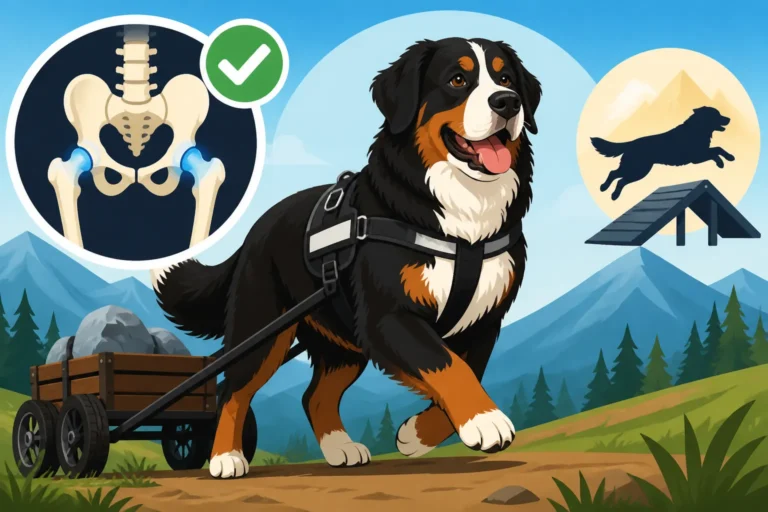
The Bernese Mountain Dog That Reaches Twelve
It’s a heartbreaking reality that our beloved Bernese Mountain Dogs often don't live as long as we wish, with many only reaching seven or eight years. This short lifespan can be incredibly difficult for owners to come to terms with, especially when their gentle giants still possess so much love and vitality. While their average lifespan is shorter than many other breeds, it's not impossible for a Berner to defy the odds and live a full, vibrant life into their senior years, even reaching twelve or beyond. This comprehensive guide will explore the crucial factors that can contribute to extending a Bernese Mountain Dog's life, offering practical advice and insights to help you maximize your gentle giant's time with you.
Understanding the Bernese Mountain Dog Lifespan Realities
When you welcome a Bernese Mountain Dog into your home, you're signing up for an immense amount of joy, companionship, and unconditional love. However, many owners quickly learn that this joy often comes with the painful knowledge that their time together might be shorter than they’d hoped. It’s a bitter pill to swallow, realizing that a dog so full of life and love might not see its tenth birthday.
The Average Lifespan and Its Challenges
The unfortunate truth is that the Bernese Mountain Dog has one of the shortest lifespans among purebred dogs, with the average hovering around 7 to 8 years. This figure often comes as a shock to new owners, who might expect a large breed to live into its early teens, like many other large dogs. It's a unique and frustrating challenge when you realize your dog is considered "senior" at an age when many other breeds are just hitting their prime. Understanding The Average Age a Bernese Mountain Dog Reaches means setting realistic expectations, but it also fuels the desire to do everything possible to extend their precious lives. The challenge isn't just about the number of years, but the quality of those years, especially as age-related issues begin to surface earlier than in some other breeds.
Primary Causes of Early Demise
The primary culprits behind the Bernese Mountain Dog's abbreviated lifespan are well-documented and are usually the first thing a prospective owner learns about. The most prevalent and heartbreaking cause is cancer, particularly aggressive forms like Histiocytic Sarcoma. This isn't just a slight risk; it's a profound concern for the breed. Beyond cancer, other significant health issues contribute to their shorter lives, including various forms of joint disease such as hip and elbow dysplasia, as well as degenerative myelopathy. These conditions can severely impact their mobility and quality of life, often leading to difficult decisions for owners. What Bernese Mountain Dogs Die Of often paints a stark picture of these breed-specific vulnerabilities, making it essential for owners to be vigilant.
Genetic Predispositions and Screening
Many of the health challenges Bernese Mountain Dogs face are rooted in their genetics. The prevalence of cancer, for instance, is not a random occurrence but is deeply intertwined with the breed's genetic makeup. This genetic predisposition means that even with the best care, some dogs will still develop these conditions. This is why thorough health screening by reputable breeders is absolutely paramount. Responsible breeders strive to minimize the risk by screening their breeding stock for common hereditary conditions like hip and elbow dysplasia, von Willebrand's disease, and eye conditions. There's also ongoing research into the genetic markers for cancer, though it's a complex battle. Understanding Whether Cancer Is Bred Into the Bernese Mountain Dog is crucial for both breeders and prospective owners, as it highlights the importance of making informed choices. While genetic screening cannot eliminate all risks, it significantly reduces the likelihood of inheriting known, preventable conditions, laying a healthier foundation for a puppy's life.
Nurturing Longevity Through Optimal Nutrition and Exercise
When we talk about helping our Berners live longer, happier lives, what we feed them and how we move them are huge pieces of the puzzle. It's not just about filling their bellies or getting them tired; it’s about providing the right building blocks for a strong body and maintaining a healthy frame throughout their lives.
Fueling a Long Life: Dietary Considerations
Feeding a Bernese Mountain Dog isn't as simple as grabbing any bag of "large breed" food off the shelf. These dogs, with their rapid growth as puppies and their sheer adult size, have specific nutritional needs that need to be met with precision. As puppies, controlled growth is key to preventing orthopedic issues, meaning a diet with appropriate calcium and phosphorus levels. Overfeeding a puppy can lead to growth spurts that stress developing joints, which can have lifelong consequences. For adult Berners, a high-quality diet rich in easily digestible proteins, healthy fats, and balanced carbohydrates is essential for maintaining muscle mass and energy levels without causing excessive weight gain.
It's also important to be mindful of meal timing and presentation, especially given the breed's susceptibility to bloat (gastric dilatation-volvulus). Feeding smaller, more frequent meals rather than one large one can help. Using slow-feeder bowls or puzzle feeders can also encourage a slower intake, reducing the risk. Always ensure fresh water is available, but try to avoid excessive drinking immediately before or after meals and strenuous exercise. For more specific guidance on this critical issue, delving into the nuances of Feeding an Adult Bernese Mountain Dog Safely can offer invaluable strategies, while understanding Bloat in a Deep-Chested Bernese Mountain Dog is a must for any owner.
Tailored Exercise for Joint Health and Vitality
Bernese Mountain Dogs are big, beautiful, and can look quite sturdy, but their joints are incredibly vulnerable. Over-exercising a puppy or allowing them to engage in high-impact activities like jumping from heights can do irreparable damage to their developing bones and cartilage. A general rule of thumb for puppies is the "five-minute rule" – five minutes of structured exercise per month of age, twice a day. So, a four-month-old puppy would get twenty minutes, twice a day. As adults, they still need regular, moderate exercise to maintain muscle tone and joint flexibility, but not grueling, high-intensity workouts.
Activities like leashed walks, gentle hikes, and swimming are excellent options because they provide good cardiovascular exercise without putting excessive strain on their joints. Think about quality over quantity when it comes to exercise for your Berner. Regular, consistent movement helps to keep their muscles strong, which in turn supports their joints. However, an hour-long, high-impact game of fetch on a hard surface is probably not the best choice for a breed prone to Joint Disease in a Hundred Pound Bernese Mountain Dog. It’s about finding that sweet spot where they can enjoy moving their bodies without pushing them past their physical limits.
Maintaining a Healthy Weight
Perhaps one of the most impactful things you can do for your Bernese Mountain Dog's longevity is to keep them at a healthy weight throughout their life. Every extra pound a large dog carries places additional stress on their joints, exacerbating conditions like hip and elbow dysplasia and potentially accelerating the onset of arthritis. It’s not just about joint health; obesity can also contribute to other health issues, including heart disease, diabetes, and even some forms of cancer.
It can be tough to assess weight on a fluffy Bernese Mountain Dog with their thick double coat. You should be able to easily feel their ribs without pressing hard, and they should have a discernible waist when viewed from above. If you have to dig to find those ribs, it’s likely time for a dietary adjustment and perhaps a bit more exercise. Regular weigh-ins at home or during vet visits are crucial. Don't underestimate the power of portion control and being mindful of treats. Even a few extra pounds can make a significant difference over a Bernese Mountain Dog’s lifespan, so keeping them lean is a gift you can give them every single day.
Proactive Veterinary Care and Early Detection
When you're dealing with a breed prone to serious health issues, a "wait and see" approach simply won't cut it. Being proactive with veterinary care and being acutely aware of your dog's baseline health are cornerstones of helping a Bernese Mountain Dog reach their full potential, and perhaps even reach twelve years old.
Regular Check-ups and Health Screenings
It might sound obvious, but those routine veterinary visits are more than just a formality for a Bernese Mountain Dog; they are life-saving opportunities. For a Berner, twice-yearly check-ups become increasingly important as they age, allowing your vet to catch subtle changes that might otherwise go unnoticed. These check-ups should include a thorough physical exam, a discussion of any behavioral or appetite changes you've observed, and potentially routine bloodwork. The vet can feel for any new lumps or bumps, listen to their heart and lungs, and assess their mobility.
Beyond the standard physical, your veterinarian will likely recommend specific health screenings tailored to the breed's known predispositions. This could involve regular blood panels to monitor organ function, especially liver and kidney values, and thyroid checks. For a deeper dive into the essential tests, understanding The Bernese Mountain Dog Health Panel can empower you to discuss comprehensive screening protocols with your vet. As they approach their middle and senior years, a more intensive approach to Screening an Older Bernese Mountain Dog is often warranted, including imaging if any suspicious symptoms arise. Early detection truly is the best defense against many of the diseases that plague this breed.
The Importance of Early Intervention
Given the aggressive nature of many Bernese Mountain Dog health conditions, particularly cancer, early intervention is critical. What might seem like a minor limp or a small bump could be the first sign of something much more serious. Waiting to see if a symptom resolves on its own can often mean losing precious time when dealing with rapidly progressing diseases like histiocytic sarcoma. If you notice any changes in your Berner's behavior, appetite, mobility, or discover a new growth, contact your veterinarian immediately.
Don't be afraid to advocate for a thorough work-up, even if it feels like you're overreacting. It's far better to investigate and find nothing serious than to delay and miss a crucial window for treatment. For example, if cancer is suspected, rapid diagnosis is paramount. Understanding options for Treating Cancer in a Bernese Mountain Dog means recognizing that outcomes are often tied to how early the disease is identified and addressed. This proactive mindset, combined with excellent veterinary care, can dramatically influence the prognosis for many conditions.
Considering Pet Insurance for Comprehensive Care
The reality of proactive care and early intervention for a Bernese Mountain Dog is that it can become expensive, very quickly. Diagnostic tests like X-rays, ultrasounds, MRIs, and biopsies, along with potential treatments such as surgery, chemotherapy, or long-term medication, can lead to substantial veterinary bills. This is where pet insurance can be a literal lifesaver, allowing you to make medical decisions based on what’s best for your dog, rather than being constrained by financial worries.
When choosing a policy, look for one that covers hereditary and breed-specific conditions, and ideally, a high percentage of vet bills with a good annual limit. Providers like Healthy Paws are well-regarded for their comprehensive coverage, including accident, illness, and hereditary conditions, which is crucial for a breed like the Bernese Mountain Dog. Having a robust insurance plan in place from a young age, before any conditions manifest, means you won't be in the impossible position of choosing between your dog's health and your wallet. Investing in a plan from a provider like Healthy Paws can give you immense peace of mind, knowing that if a serious illness strikes, you’ll be supported.
Creating a Conducive Environment for a Long Life
A Bernese Mountain Dog’s longevity isn’t solely dependent on genetics or medical intervention; their day-to-day living environment plays a significant role too. Providing a stimulating, stress-free, and safe home can foster both physical and mental well-being, both of which contribute to a longer, happier existence.
Managing Environmental Stressors
Just like humans, dogs can be affected by chronic stress, which can suppress their immune system and exacerbate existing health issues. Bernese Mountain Dogs are known for their sensitive, affectionate, and sometimes reserved nature. They thrive on routine and stability, and sudden changes or chaotic environments can be genuinely stressful for them. This means trying to maintain a consistent schedule for feeding, walks, and potty breaks.
Minimizing loud noises, sudden changes in their living situation, or prolonged periods of isolation can make a big difference. For instance, if you live in a bustling area, ensuring your Berner has a quiet, comfortable "safe space" to retreat to can be invaluable. Even small things, like having familiar people around them, can contribute to their sense of security. While we can’t eliminate all stressors from their lives, consciously creating a calm and predictable environment supports their overall health and resilience.
Mental Enrichment and Emotional Well-being
A long life isn't just about the body; it's about a vibrant mind and spirit too. Bernese Mountain Dogs are intelligent dogs who need mental stimulation to prevent boredom and promote emotional well-being. A bored Berner can become destructive, anxious, or lethargic, all of which detract from their quality of life. Providing appropriate outlets for their intelligence and natural instincts is key.
This can include regular training sessions, even short ones, to learn new tricks or reinforce commands. Puzzle toys that dispense treats, scent work games (like hiding treats around the house), or interactive play sessions can keep their minds engaged. Socialization is also vital; controlled, positive interactions with other well-behaved dogs and people can build their confidence and prevent anxiety. Remember, a happy dog is often a healthier dog. Neglecting their emotional and mental needs can manifest in physical ways, making them more susceptible to illness or disinterest in life.
Safe and Comfortable Living Spaces
The physical layout and comfort of your home environment are crucial for a large breed like the Bernese Mountain Dog, especially as they age. Their size means they need ample space to move around without bumping into things, and soft, supportive bedding is a non-negotiable. Hard floors can be tough on their joints, so consider runners or rugs in high-traffic areas to provide traction and cushioning.
Orthopedic beds are an excellent investment, offering superior support for their heavy frames and helping to prevent pressure sores or discomfort from arthritis. Ensure easy access to water bowls and food bowls, especially if mobility becomes an issue. If you have stairs, consider ramps or a strategic layout that minimizes the need for your Berner to navigate them frequently, particularly as a puppy or an older dog. A home that is thoughtfully designed for a giant breed helps prevent injuries and maximizes their comfort every single day, allowing them to relax and recover properly. Indeed, creating The Kind of Home a Bernese Mountain Dog Belongs In goes beyond just providing shelter; it means tailoring the space to their unique physical and emotional needs.
Breeding for Longevity: What to Look For
Choosing a Bernese Mountain Dog puppy means making a commitment that will shape a significant part of your life. Given the breed's health challenges, the responsibility of finding a reputable breeder who prioritizes health and longevity cannot be overstated. This is not the time to cut corners or choose based on price alone.
The Role of Responsible Breeding Practices
Responsible breeders are the true guardians of the Bernese Mountain Dog breed. Their practices directly impact the health and potential lifespan of the puppies they produce. A responsible breeder will be transparent about their dogs' health history, genetic testing results, and the typical lifespans within their breeding lines. They focus on improving the breed's health, temperament, and conformation, rather than just producing puppies for profit. This involves carefully selecting breeding pairs based on extensive health clearances, genetic tests, and even the longevity of their ancestors.
They should be able to provide verifiable proof of health certifications for both parents, including OFA (Orthopedic Foundation for Animals) clearances for hips, elbows, and shoulders, as well as current eye and cardiac clearances. They will also be testing for conditions like von Willebrand's disease and degenerative myelopathy. These are not optional extras; they are fundamental requirements for ethical breeding. A breeder who dismisses these tests or can't provide documentation is a red flag.
Researching Pedigrees and Health Clearances
When you're looking for a Bernese Mountain Dog, a deep dive into the pedigree isn't just about looking at champions; it's about looking for health and longevity. Ask to see not just the immediate parents' health clearances, but also information about grandparents and even great-grandparents. A good breeder will have this information readily available and will be willing to discuss any health issues that have appeared in their lines. They should be tracking the health and causes of death of dogs they've bred, often submitting this information to databases like Berner-Garde.
This database is an invaluable resource for Bernese Mountain Dog owners and prospective buyers, compiling health information and pedigrees to help track conditions like cancer, joint disease, and other hereditary issues. Reviewing a puppy's pedigree through Berner-Garde can give you insight into the health and longevity trends in their family tree. While no breeder can guarantee a dog will never develop an illness, a responsible breeder works diligently to stack the odds in favor of health and a longer life for their puppies. This diligence is crucial for anyone hoping to own a Berner that defies the average lifespan.
Understanding Genetic Health Tests
Beyond the physical clearances for hips and elbows, modern veterinary science offers genetic tests that can identify carriers or at-risk dogs for specific inherited diseases. For Bernese Mountain Dogs, these include tests for von Willebrand's Disease (a bleeding disorder) and Degenerative Myelopathy (DM), specifically the SOD1 gene mutation. A responsible breeder will have performed these genetic tests on their breeding stock and will share the results with you.
It's important to understand what the results mean. For instance, a dog might be a "carrier" for DM, meaning it has one copy of the mutated gene but will likely not develop the disease itself. However, if two carriers are bred together, their offspring have a 25% chance of being "at-risk," meaning they have two copies of the gene and are highly likely to develop DM. Reputable breeders use this information to make informed breeding decisions, ensuring that at-risk puppies are not produced. Asking about these specific genetic tests and understanding their implications is a powerful step in selecting a puppy with the best possible genetic start to a long life.
A Multifaceted Approach to Extending Lifespan
Helping a Bernese Mountain Dog reach the ripe old age of twelve, or even beyond, isn't about one single magic bullet. It's a holistic effort, a combination of diligent care, proactive measures, and a bit of good fortune. Every decision you make, from the breeder you choose to the food you put in their bowl, contributes to their overall health trajectory.
Consider the role of prevention in every aspect of their lives. Preventing obesity, preventing over-exertion in young dogs, preventing stress, and preventing missed early signs of illness are all critical. It truly requires a partnership between you, your veterinarian, and the foundations laid by responsible breeders.
The Power of Preventative Care and Owner Vigilance
A key component to maximizing a Berner’s lifespan is establishing a strong preventative care routine, even when they seem perfectly healthy. This means consistent parasite prevention (fleas, ticks, heartworm), regular dental care to prevent gum disease, and keeping all vaccinations up-to-date. These seemingly mundane tasks form a critical protective layer against common health threats that can weaken a dog's system and make them more vulnerable to severe illnesses.
Beyond the vet's office, owner vigilance is your superpower. You spend the most time with your dog, so you are the first line of defense. Knowing your dog's normal behavior, appetite, and energy levels allows you to spot subtle changes quickly. Does their breathing sound different? Is their gait slightly off? Are they taking longer to get up? Have they lost interest in a favorite toy? Even minor shifts can be indicators of underlying issues. Maintaining a health journal to track these observations can be incredibly helpful for your vet. For instance, a detailed record can help your veterinarian pinpoint when a dog might be slowing down, prompting a discussion about Living With a Bernese Mountain Dog Losing Its Back Legs or the early signs of joint discomfort.
Lifestyle Choices for a Longer, Healthier Life
The daily choices you make regarding your Bernese Mountain Dog's lifestyle directly impact their well-being and, by extension, their lifespan. This includes providing a stimulating yet calm home environment, as discussed earlier. But it also encompasses ensuring they have appropriate rest, especially during their growth phases and as they age. Quality sleep is essential for physical and mental restoration.
Furthermore, minimizing exposure to environmental toxins, such as certain lawn chemicals, household cleaners, or cigarette smoke, can reduce their overall toxic load. Ensuring they have fresh, filtered water readily available at all times is also a simple but vital aspect of good health. While we can’t control every variable, thoughtfully curating their daily experiences to be as healthy, happy, and stress-free as possible can significantly contribute to their ability to thrive and potentially defy the breed's average lifespan. It's about providing them with every possible advantage.
A Look at Longevity Trends and Future Hope
Despite the historical challenges with Bernese Mountain Dog lifespans, there is a glimmer of hope on the horizon. Dedicated breeders, researchers, and breed clubs like the Bernese Mountain Dog Club of America are working tirelessly to improve the health and longevity of the breed. Through careful breeding practices, increased genetic testing, and shared data via resources like the Berner-Garde database, there's a concerted effort to address the genetic predispositions to cancer and other diseases.
While reaching twelve years old might still be considered exceptional for a Bernese, a growing number of anecdotal reports and database entries suggest that with diligent care, good genetics, and a bit of luck, it is becoming more achievable for some dogs. This ongoing dedication to research and responsible breeding offers the best path forward, giving future generations of Bernese Mountain Dog owners hope that their beloved companions will enjoy more years of robust health and joyful companionship. The dream of a Bernese Mountain Dog that lives to twelve is indeed a powerful motivator for positive change within the breed community.
| Factor for Longevity | Description | Owner's Role |
|---|---|---|
| Genetics | Inherited health predispositions from parents. | Research reputable breeders; verify health clearances (OFA, genetic tests). |
| Nutrition | Quality and type of food; portion control; meal timing. | Feed high-quality large breed food; maintain ideal weight; use slow feeders. |
| Exercise | Appropriate activity level for age and joint health. | Moderate, regular exercise; avoid high-impact activities; follow puppy "5-minute rule." |
| Veterinary Care | Regular check-ups; preventative treatments; early detection. | Schedule bi-annual vet visits; consider full health panels; invest in pet insurance. |
| Environment | Stress levels; living comfort; mental stimulation. | Provide a calm, stable home; ensure orthopedic bedding; offer puzzle toys. |
| Weight Management | Keeping your Berner at an ideal body condition. | Monitor food intake; weigh regularly; adjust diet/exercise as needed. |
| Early Intervention | Prompt action at the first sign of illness or change. | Be vigilant; contact vet immediately for concerns; don't "wait and see." |
Disclaimer
The information provided in this guide is intended for general informational purposes only and does not constitute veterinary advice. Always consult with a qualified veterinarian for any health concerns or before making any decisions about your pet's health or medical care. Individual results may vary, and no specific outcome can be guaranteed.