Eyelids That Roll Inward on a Bernese Mountain Dog
It’s truly distressing when you notice something isn't quite right with your beloved Bernese Mountain Dog, especially when it involves their eyes. Those soulful, expressive eyes are a window to their gentle nature, and any discomfort there is immediately concerning. If you've ever observed your Berner squinting, tearing excessively, or trying to rub their face, and then upon closer inspection, seen their eyelid actually rolling inward, you’re likely grappling with a condition called entropion. This guide aims to thoroughly explain what entropion is, why Bernese Mountain Dogs are particularly susceptible, how to recognize the signs, and the various treatment options available to ensure your furry friend’s comfort and eye health.
Understanding Entropion: What It Means for Your Berner's Eyes
The thought of your dog's eyelid turning inward might sound a bit abstract, but for a Bernese Mountain Dog experiencing entropion, it's a painful reality. This condition isn't just a cosmetic issue; it's a constant source of irritation and can lead to serious eye damage if left untreated. As responsible Berner owners, understanding the mechanics of this condition is the first step toward effective management.
The Anatomy of the Problem
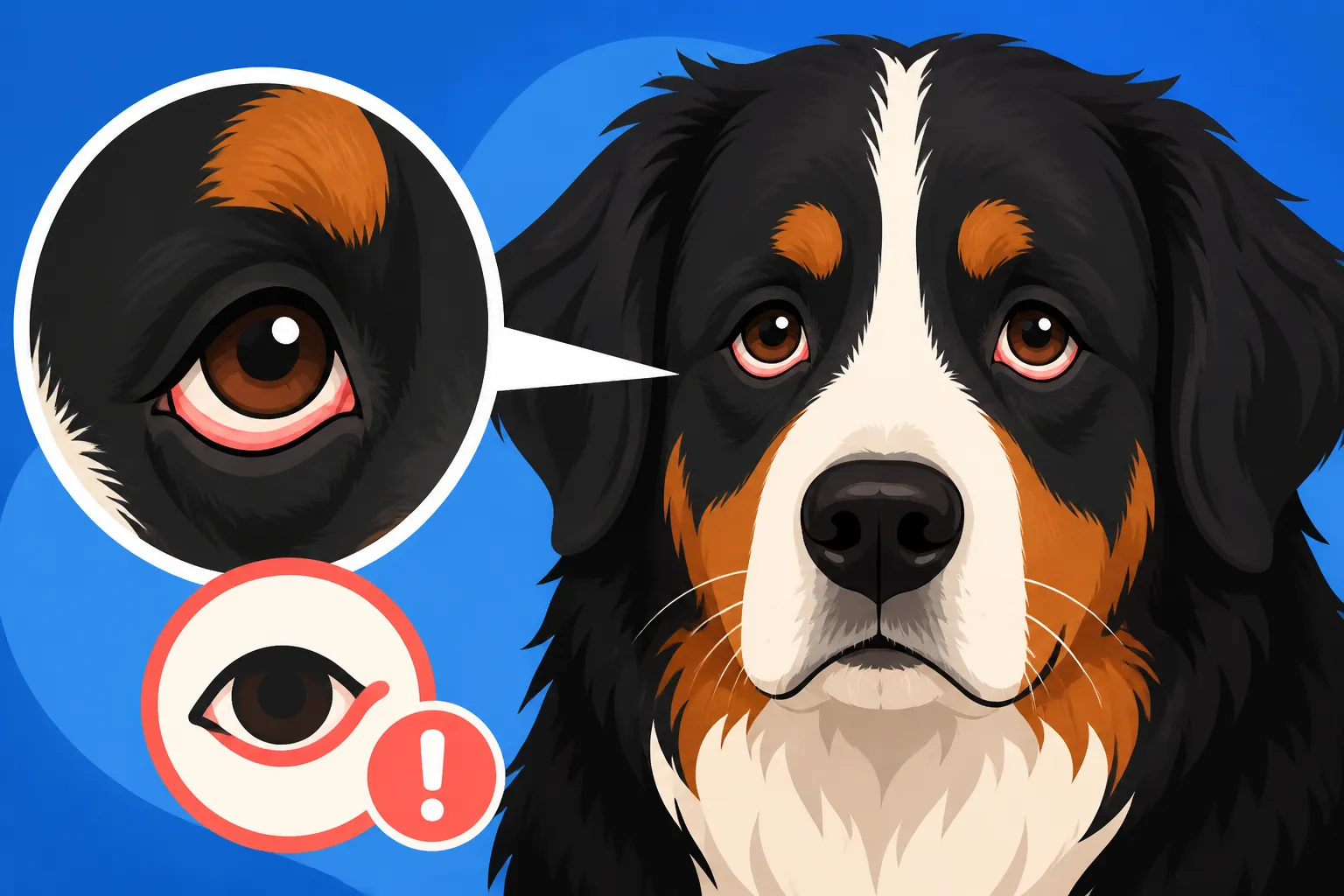
At its core, entropion is a conformational defect where a portion of the eyelid, most commonly the lower lid, rolls inward toward the eye. Imagine the delicate surface of your eye, the cornea, constantly being scraped by coarse hair and eyelashes. That's precisely what happens with entropion. This persistent rubbing causes immense discomfort, leading to a cascade of symptoms you might observe in your Berner. They might start squinting, a natural reaction to try and protect the irritated eye. You'll likely see excessive tearing, as the eye tries to flush out the irritant. The whites of their eyes might appear red and inflamed, and in some cases, you might notice your dog pawing at their face or rubbing it against furniture or the ground, desperate for relief. This constant friction can lead to corneal abrasions, ulcers, and over time, even scarring or pigmentation of the cornea, which can impair vision.
It’s heartbreaking to see your gentle giant in such discomfort. We all want our Berners to be happy and pain-free, especially when they often try to hide their discomfort. For more insights into how these stoic dogs might conceal their pain, you might find our article on Whether a Bernese Mountain Dog Hides Discomfort helpful.
Why Bernese Mountain Dogs Are Prone to Entropion
It’s not just bad luck that some Bernese Mountain Dogs develop entropion; there's a recognized breed predisposition at play. Their unique facial structure, often characterized by a broader head and sometimes a more pronounced furrow, can contribute to looser skin around the eyes, making them more susceptible to the eyelid rolling inward. While entropion can occur in any dog breed, Berners are among those, alongside other large breeds like Mastiffs and Great Danes, who frequently present with this condition.
Entropion can be classified in a couple of ways. Congenital entropion is present at birth, often becoming noticeable as a puppy grows, typically between six months to a year of age. This form is often genetic, passed down through breeding lines. Then there's acquired entropion, which can develop later in life due to chronic eye pain, inflammation, or even severe weight loss causing the skin around the eyes to sag. However, for Bernese Mountain Dogs, the congenital form is far more common. This genetic component underscores the importance of responsible breeding practices and why it’s vital to investigate the health history of a puppy’s parents. Breeders committed to the health of the breed will screen for such conditions, and this is often part of What Health Testing a Bernese Mountain Dog Breeder Pays For.
Recognizing the Signs and Getting a Diagnosis
Catching entropion early can make a significant difference in preventing severe pain and long-term eye damage for your Bernese Mountain Dog. Since our Berner buddies are so good at being stoic, it’s up to us to be vigilant and know what to look for.
Early Indicators You Shouldn't Ignore
The earliest signs of entropion can be subtle, easily mistaken for a passing irritation or allergy. You might notice your Berner blinking more frequently than usual, or perhaps they seem sensitive to bright light, squinting when they step outside. A persistent watery discharge, or tears staining the fur beneath their eyes, is a big red flag. Sometimes, a thicker, mucoid discharge can also be present, especially if secondary infections have set in due to the constant irritation.
As the condition progresses, the signs become more obvious. The constant rubbing of hair on the cornea leads to pain, and your Berner might start to hold one or both eyes partially closed. They might hesitate to open their eyes fully, or you may see them frequently rubbing their face with a paw or against the carpet. In some cases, you might even notice a cloudy appearance to the cornea, which indicates scarring or ulceration. It's crucial not to dismiss these indicators. If you're observing any of these, even if they seem mild, it's time to reach out to your veterinarian. Remember, the sooner you address these issues, the better the outcome for your dog’s vision and comfort. This is just one of many Eye Conditions in a Bernese Mountain Dog that watchful owners should be aware of.
The Veterinary Examination Process
When you bring your Bernese Mountain Dog to the vet with concerns about their eyes, a thorough examination is crucial. Your vet will typically start with a careful visual inspection of your dog's eyelids and surrounding facial structure. They'll gently roll the eyelids to assess the degree of inward turning and to see which part of the lid is affected. Often, your vet will perform a fluorescein stain test. This involves applying a special orange dye to the surface of the eye. If there's any corneal abrasion or ulceration caused by the rubbing eyelashes, the dye will adhere to the damaged area and glow under a blue light, making the injury clearly visible. This simple test is incredibly important for determining the severity of the damage and guiding the treatment plan.
Depending on their findings, your regular veterinarian might recommend a consultation with a veterinary ophthalmologist, a specialist in animal eye health. These specialists have advanced equipment and expertise to diagnose and treat complex eye conditions. A prompt and accurate diagnosis is essential, not just to relieve your Berner's immediate pain, but to prevent irreversible damage to their vision. Delaying diagnosis and treatment can lead to chronic pain, permanent scarring, and in severe cases, even blindness.
Treatment Options for Entropion in Bernese Mountain Dogs
Discovering your Bernese Mountain Dog has entropion can feel overwhelming, but the good news is that there are effective treatment options available. The approach taken will depend on your Berner's age, the severity of the condition, and whether it's congenital or acquired.
Non-Surgical and Temporary Solutions
For puppies diagnosed with entropion, especially those under six months of age, veterinarians sometimes opt for temporary solutions. In younger Berners, the facial structure is still developing, and sometimes the entropion resolves as they grow and "grow into" their skin. During this developmental phase, a vet might use a technique called eyelid tacking. This involves placing a few temporary sutures in the eyelid to gently evert it, holding it in a more normal position for several weeks. This provides relief from the rubbing and allows the puppy's face to mature, sometimes resolving the issue without permanent surgery. The sutures are usually absorbable or removed after a few weeks.
Beyond tacking, for mild cases or to manage symptoms before definitive treatment, your vet might prescribe lubricating eye drops or gels to reduce friction, antibiotic ointments to treat or prevent secondary infections caused by the irritation, or anti-inflammatory drops to reduce swelling and discomfort. These are absolutely vital for providing symptomatic relief and protecting the cornea, but it's important to understand they are not a cure for the underlying structural problem. They buy time and manage pain but won't permanently correct the inwardly rolling eyelid.
Surgical Correction: The Definitive Answer
For most Bernese Mountain Dogs with entropion, especially those with moderate to severe or persistent cases, surgical correction is the definitive and most effective long-term solution. The most common surgical technique is known as the Hotz-Celsus procedure. This involves carefully removing a small, crescent-shaped strip of skin and underlying muscle from the affected eyelid. When the incision is closed, it causes the eyelid margin to roll outward, returning it to a normal position and preventing the eyelashes and hair from rubbing against the cornea. The procedure is usually performed under general anesthesia, and it's always a concern to consider Putting a Hundred Pound Bernese Mountain Dog Under due to their size, but veterinary anesthesiologists are highly skilled at managing large breed dogs.
The success rate for surgical correction of entropion is generally very high. Most dogs experience immediate and lasting relief from discomfort. Post-operative care is crucial and will involve keeping your Berner from rubbing their eyes, often with the help of an Elizabethan collar (the dreaded "cone of shame"), and administering prescribed eye drops or oral medications (antibiotics, pain relievers). Follow-up appointments with your vet are essential to monitor healing and remove any non-absorbable sutures. While rare, some Berners might require a second, minor corrective surgery if the initial correction was under- or over-corrected, or if the facial structure changes slightly over time.
Of course, a major surgery comes with financial considerations. The costs for such procedures, especially when involving a specialist, can be significant. This is where having a robust pet insurance plan can be a lifesaver. Providers like Healthy Paws often cover eligible surgical procedures for conditions like entropion, easing the burden of unexpected veterinary bills. It’s always a good idea to research Insuring a Bernese Mountain Dog Before Its First Lump or before any health issues arise, as pre-existing conditions are typically not covered.
| Symptom Category | Mild Entropion (Early Stages) | Moderate Entropion | Severe Entropion | Recommended Action |
|---|---|---|---|---|
| Visual Signs | Intermittent squinting, slight increase in tearing, moistness around eye | Persistent squinting, visible redness of conjunctiva, consistent tearing/discharge | Eyelid clearly rolled inward, thick discharge, visible corneal cloudiness/ulcers, dog holding eye closed | Immediate vet visit to assess and plan treatment |
| Behavioral Signs | Occasional pawing at face, sensitivity to bright light | Frequent rubbing/pawing, reluctance to open eye fully, rubbing face on objects | Obvious pain, lethargy, loss of appetite due to severe discomfort | Emergency vet visit (especially if corneal damage suspected) |
| Corneal Health | Healthy, no visible damage | Mild abrasions possible, slight irritation | Significant abrasions, ulcers, scarring, pigmentation, potential vision impairment | Urgent veterinary attention |
Living with and Preventing Entropion
Bringing your Berner home after entropion surgery requires dedication, but with proper care, they’ll be on the road to full recovery and much-needed comfort. Beyond treatment, understanding how to prevent this condition from affecting future generations is equally important for the breed's well-being.
Managing Your Berner Post-Surgery
The period immediately following surgery is critical for your Bernese Mountain Dog's recovery. Your vet will provide detailed instructions, but generally, expect a few weeks of attentive home care. Your Berner will likely need to wear an Elizabethan collar to prevent them from rubbing or scratching at the incision site, which could cause infection or reopen sutures. This might be a bit of a challenge with a big, active dog, but it's essential. You'll also be tasked with administering prescribed medications, which typically include oral pain relief, antibiotics, and potentially anti-inflammatory eye drops or ointments. Sticking to the schedule for these medications is key to a smooth recovery and preventing complications.
Limiting your Berner's activity for a week or two is also crucial. No vigorous play, jumping, or long walks that could strain the surgical area. This might mean getting creative with quiet enrichment activities indoors. Keep the surgical site clean and dry, and monitor for any signs of infection such as excessive redness, swelling, unusual discharge, or a foul odor. Any concerns should prompt an immediate call to your veterinarian. Regular follow-up appointments will be scheduled to check the healing progress and remove stitches if necessary. With diligent post-operative care, your Bernese Mountain Dog will soon be back to their happy, comfortable self, enjoying clear, pain-free vision.
Responsible Breeding and Prevention
Given the genetic predisposition of Bernese Mountain Dogs to entropion, responsible breeding practices are paramount in reducing its incidence. Reputable breeders are keenly aware of this and take proactive steps to screen their breeding stock. This involves examining potential breeding dogs for any signs of entropion or other inherited eye conditions. Ideally, dogs with entropion, or those who have had surgical correction for it, should not be used for breeding, as they can pass on the genetic traits that lead to the condition. Many breeders utilize comprehensive health panels and certifications, such as those provided by the Orthopedic Foundation for Animals (OFA) or the Canine Eye Registration Foundation (CERF, now part of OFA Eye Certification). These certifications provide documentation that a dog has been evaluated by a veterinary ophthalmologist and found free of observable hereditary eye diseases.
When considering adding a Bernese Mountain Dog puppy to your family, do your homework. Ask breeders about the health clearances of both parents, specifically inquiring about eye examinations. A transparent breeder will be happy to share these records and discuss any instances of entropion in their lines. By supporting breeders who prioritize health and genetic screening, we can collectively work towards a future where entropion is a less common concern for our beloved Berners. This commitment to health ensures that the gentle, loving nature of a Bernese Mountain Dog can truly thrive in a comfortable, pain-free life, making them a wonderful addition to The Kind of Home a Bernese Mountain Dog Belongs In. Furthermore, for those looking at how pet insurance can support chronic or genetic conditions, understanding Annual Limits and Bernese Mountain Dog Oncology or Choosing a Deductible Against Bernese Mountain Dog Oncology Bills can provide valuable insights into financial preparedness for potential health challenges.
Disclaimer
The information provided in this article is for general informational purposes only and is not a substitute for professional veterinary advice. Always consult with a qualified veterinarian for any health concerns or before making any decisions related to your pet's medical care.