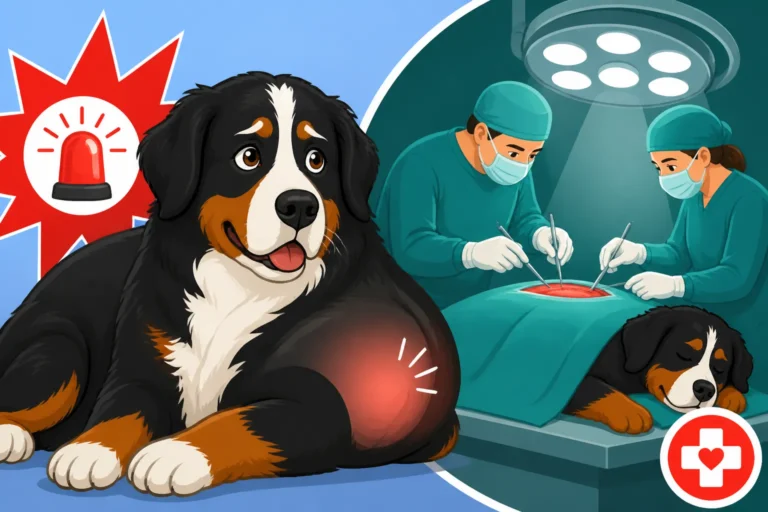
The First Signs of Histiocytic Sarcoma in a Bernese Mountain Dog
The heartbreaking reality for many Bernese Mountain Dog owners is the breed's unfortunate predisposition to certain aggressive cancers, with Histiocytic Sarcoma being particularly devastating. It's a cruel twist that these gentle giants, who bring so much joy and love into our lives, often face such a formidable health battle. Knowing what to look for, even the most subtle changes, can make a critical difference. This guide aims to shed light on the initial, often vague, signs of Histiocytic Sarcoma, empowering you to recognize them early and seek prompt veterinary attention for your beloved Berner.
The Subtle Shifts in Your Berner's Behavior and Energy
When dealing with a condition as insidious as Histiocytic Sarcoma, the first signs are rarely dramatic. Instead, they often manifest as subtle, almost imperceptible shifts in your Berner's usual demeanor and energy levels. It’s these quiet changes that, as attentive owners, we need to tune into most closely.
Unexplained Lethargy and Apathy
One of the most common early indicators that something is amiss in a Bernese Mountain Dog facing Histiocytic Sarcoma is a general, unexplained drop in their energy. Think about your Berner's typical zest for life. Do they usually greet you with a wagging tail and an eager lean? Do they still get excited for their daily walk or a romp in the yard? If you start noticing a persistent decline in their enthusiasm for activities they once loved – maybe they're slower to rise, less interested in playing, or simply seem to sleep more than usual – it warrants serious attention. This isn't just a "lazy" day; it's a consistent, unexplained shift.
It's easy to dismiss these signs, especially in an older Bernese Mountain Dog, as simply part of aging or a temporary bout of tiredness. We've all had days where we're just not feeling it, and our dogs can too. However, if this lethargy lingers for more than a day or two, or if it seems disproportionate to their age or activity level, it’s a red flag. Perhaps your Berner, who usually bounds to the door for the mail carrier, now barely lifts their head. Or the dog who lived for car rides now needs coaxing to get in. These persistent changes, without any other obvious cause like a strenuous hike or a change in routine, suggest an underlying issue that needs investigation.
The reason for this lethargy is often systemic. Histiocytic Sarcoma, even in its early stages, can cause widespread inflammation or internal discomfort as cancerous cells multiply and affect organ function. Your dog might feel generally unwell, similar to how we feel when we're coming down with a cold or flu, but without the obvious symptoms. They might be experiencing a low-grade fever, mild pain, or simply a draining of their energy reserves as their body tries to fight off the rogue cells. This feeling of being "off" can be the very first whisper of a serious problem.
Changes in Appetite and Weight Loss
Bernese Mountain Dogs are, by and large, food motivated. A healthy Berner usually approaches mealtime with gusto, and treats are often the highest form of currency in their world. Therefore, a noticeable change in your dog's eating habits is another critical early warning sign. If your Berner starts to become picky, turning their nose up at food they once devoured, or if their appetite simply dwindles, pay close attention. It’s not just about refusing a meal; it could be a gradual decrease in how much they eat, or a sudden disinterest in high-value treats.
Accompanying changes in appetite, or even sometimes independently, you might observe a gradual, unexplained weight loss. Their thick, luxurious coats can be a double-edged sword here; they're beautiful, but they can effectively hide significant changes in body condition. A dog can lose several pounds before it becomes visually obvious. This is why regular physical checks are so important – feeling their ribs, spine, and hip bones. If these become more prominent than usual, even if you don't feel they've changed their eating dramatically, it's a concern.
The underlying cause of appetite loss and weight reduction with Histiocytic Sarcoma can be multifaceted. Internal tumors might cause abdominal discomfort, making eating less appealing. The systemic inflammation and metabolic changes associated with cancer can also suppress appetite and lead to cachexia, a wasting syndrome where the body breaks down muscle and fat despite nutrient intake. It's a vicious cycle that contributes to the overall feeling of illness. Keep a mental, or even better, a written log of your Berner's weight and eating habits. This detailed information can be invaluable to your veterinarian when trying to pinpoint the cause of these subtle shifts.
Physical Manifestations and Localized Concerns
While the initial signs of Histiocytic Sarcoma can be vague and systemic, the disease can also begin to show more localized physical symptoms depending on where the cancer originates or metastasizes. These signs can sometimes mimic other common Berner ailments, making prompt and accurate diagnosis even more challenging.
Persistent Lameness or Limping
This is a particularly challenging symptom to differentiate in Bernese Mountain Dogs, a breed known for its propensity for joint issues. However, if your Berner develops a persistent lameness or begins limping, and it doesn't resolve with rest or typical remedies, it absolutely warrants a thorough investigation for Histiocytic Sarcoma. The osseous (bone) form of Histiocytic Sarcoma can develop in any bone, causing pain and structural weakness that leads to limping or a reluctance to put weight on a particular limb.
Imagine your Berner, who usually enjoys a brisk walk, suddenly hesitating before jumping into the car or struggling to climb a short set of stairs. Perhaps you notice them favoring a front leg after a short play session, or a subtle "bunny hop" in their gait. What's particularly tricky is that this lameness can sometimes be intermittent at first, or even appear to shift from one leg to another, making it seem like a minor muscle strain. This can also be mistaken for common issues like hip or elbow dysplasia, which are prevalent in the breed. However, a lameness that doesn't improve, or progressively worsens, especially in a Berner past the puppy stage, needs immediate attention. It’s crucial to understand that Whether a Limping Bernese Mountain Dog Should Be Scanned is a question that needs to be answered quickly, as bone cancer can progress rapidly.
Diagnosing the cause of lameness can involve a series of tests, from physical examinations and X-rays to more advanced imaging like CT scans or MRIs. These diagnostic steps can become quite costly, and this is where having pet insurance like Healthy Paws can truly be a lifesaver, allowing you to pursue every necessary avenue without being hampered by financial concerns. They help ensure you can focus on getting answers for your dog, rather than worrying about the accumulating vet bills.
Unexplained Lumps or Swelling
While not all lumps are cancerous, and many Berners will develop benign fatty tumors (lipomas) as they age, any new lump or swelling on your Bernese Mountain Dog should be taken seriously. Histiocytic Sarcoma can manifest as subcutaneous masses, often appearing under the skin on the limbs, chest, or torso. These might feel firm, soft, or even fluid-filled. Beyond visible lumps, you might also notice swelling in areas like the lymph nodes, which are typically felt in the neck, armpits, and groin. Enlarged lymph nodes can indicate that the cancer has spread or is affecting the lymphatic system directly.
The key is vigilance. Get into the habit of performing regular, thorough "pat-downs" of your Berner. Feel all over their body – their legs, chest, belly, under their armpits, along their jawline, and behind their ears. Pay attention to how the lump feels: Is it fixed or movable? Is it tender? Has it grown quickly? While some lumps can be watched by your vet for changes, others, especially fast-growing or firm ones, require immediate investigation. The article Lumps a Bernese Mountain Dog Owner Should Not Watch highlights the urgency of addressing suspicious growths in Berners.
It's also important to remember that not all Histiocytic Sarcoma tumors are external. The disease can originate and grow internally, affecting organs like the spleen, liver, lungs, or even the brain. These internal masses won't be visible or palpable, but they will contribute to the general systemic signs we discussed earlier, such as lethargy, weight loss, or difficulty breathing, making a comprehensive diagnostic approach essential.
Respiratory or Digestive Distress
Depending on the location of the tumor, Histiocytic Sarcoma can also present with symptoms related to the respiratory or digestive systems. If the cancer affects the lungs (the pulmonary form) or has metastasized there, you might notice your Berner developing a cough, experiencing difficulty breathing, or an increased respiratory rate even when at rest. This might start subtly, perhaps a soft cough during activity that progresses to a more persistent cough. Your dog might seem to be panting more heavily than usual, or struggle to catch their breath after minimal exertion.
Similarly, if the disease impacts the gastrointestinal tract (stomach, intestines) or abdominal organs like the liver or spleen, digestive issues can emerge. These can include recurrent vomiting, diarrhea, changes in stool consistency, or even blood in the stool. While these symptoms are highly non-specific and can be caused by a myriad of conditions, their persistence, especially in conjunction with other signs like lethargy or weight loss, should raise a significant red flag. A Berner who has always had a robust stomach and suddenly starts having chronic digestive upset needs prompt evaluation.
These symptoms often require extensive diagnostics to trace back to their root cause, which can involve X-rays, ultrasounds, and potentially endoscopic procedures to examine the internal structures. Again, the unexpected nature and high cost of these tests underline the benefit of having a comprehensive pet insurance plan. Providers like Healthy Paws can help cover the expenses of such diagnostic procedures, ensuring that you don't have to delay critical care due to financial strain.
When to Seek Veterinary Attention and What to Expect
The moment you notice any of these subtle or more overt signs, it's natural to feel a knot of anxiety in your stomach. The aggressive nature of Histiocytic Sarcoma in Bernese Mountain Dogs means that rapid action is truly in your dog's best interest. Delaying intervention can significantly impact outcomes.
The Critical Need for Early Detection
When it comes to Histiocytic Sarcoma, time is absolutely of the essence. This particular cancer is notoriously aggressive and can spread rapidly. Waiting to see if a symptom "gets worse" is a gamble you simply cannot afford with this disease. Even if the signs seem minor – a slight decrease in appetite, a barely noticeable limp, or just an overall "off" feeling – a prompt veterinary visit is crucial. Early detection can open up more treatment options and potentially provide a better quality of life for your Berner, even if it doesn't guarantee a cure.
Many owners beat themselves up, wondering if they missed something. It's important to understand that Histiocytic Sarcoma is incredibly tricky because its early signs are so non-specific. You aren't "missing" things if your gut tells you something is wrong, but you can act on that intuition. Trust your instincts as a pet parent. You know your Bernese Mountain Dog better than anyone else. If your heart tells you something isn't right, listen to it and schedule that vet appointment immediately. Validate your own concerns; it’s not overreacting, it's being a responsible and loving guardian.
Diagnostic Steps Your Vet Might Take
Once you've brought your concerns to your veterinarian, they will likely start with a comprehensive physical examination. This is usually followed by a series of diagnostic tests to help narrow down the possibilities.
Here's a general overview of what you might expect:
- Initial Bloodwork and Urinalysis: A complete blood count (CBC) and chemistry panel can provide a snapshot of your dog's overall health, checking for anemia, inflammation, or organ function issues. While these tests aren't specific for cancer, they can indicate systemic problems. A urinalysis will check kidney function and rule out urinary tract infections.
- Imaging:
- X-rays: Radiographs of the chest and abdomen are often among the first imaging tests. They can reveal obvious bone lesions if the cancer is osseous, or large masses in the lungs or abdomen. However, it's important to note that Whether Histiocytic Sarcoma Shows on an X-Ray depends heavily on the size and location of the tumor; early or diffuse lesions may not be visible.
- Ultrasound: An abdominal ultrasound allows for a detailed view of internal organs like the spleen, liver, kidneys, and lymph nodes, helping to detect masses that might not be visible on X-rays.
- CT Scans or MRIs: These advanced imaging techniques provide much greater detail and are often necessary to pinpoint smaller tumors, assess the full extent of the disease, especially in complex areas like joints, the skull, or the spine. They are also crucial for surgical planning if that becomes an option.
- Biopsy and Histopathology: The definitive diagnosis of Histiocytic Sarcoma almost always requires a biopsy. This involves taking a tissue sample from a suspected mass or affected organ. This can be done via fine needle aspirate (FNA), a core biopsy, or a surgical biopsy, depending on the location and nature of the mass. The tissue is then sent to a specialized veterinary pathologist who examines it under a microscope. Their expertise is paramount in distinguishing Histiocytic Sarcoma from other types of cancer or benign conditions.
- Bone Marrow Biopsy: In some cases, especially with systemic forms of the disease, a bone marrow biopsy may be recommended.
These diagnostic investigations, particularly the advanced imaging and biopsy procedures, can accumulate significant costs. This is where a reliable pet insurance plan, such as Healthy Paws, proves invaluable. Many owners express relief when their plan helps cover these extensive bills, allowing them to pursue the best possible diagnostic and treatment options without added financial stress. Understanding What Oncology Bills Reach for a Bernese Mountain Dog truly emphasizes the value of such foresight.
Understanding the Aggression of Histiocytic Sarcoma
It’s vital for Bernese Mountain Dog owners to grasp the unique challenges posed by Histiocytic Sarcoma. This isn't a slow-growing cancer in most cases. It's known for its rapid progression and high metastatic rate, meaning it spreads aggressively to other parts of the body. Unfortunately, many Berners are diagnosed at an age when they are considered middle-aged, often around 4-7 years old, but it can strike younger or older dogs too. The Age Histiocytic Sarcoma Reaches a Bernese Mountain Dog often catches owners off guard.
Knowing How Fast Histiocytic Sarcoma Moves in a Bernese Mountain Dog is not meant to instill fear, but rather to underscore the importance of early detection and prompt action. While the prognosis is often guarded, acting quickly on those first subtle signs offers the best chance for intervention and potentially extending quality of life. Even with an aggressive diagnosis, there are treatment options, including chemotherapy, radiation, and surgery, which may be pursued to manage the disease and maintain your dog's comfort. Understanding these options is part of Treating Cancer in a Bernese Mountain Dog. This is also why many owners contribute to resources like What the Berner-Garde Database Records, helping researchers better understand and combat these breed-specific health challenges.
Early Warning Signs of Histiocytic Sarcoma: A Quick Reference
Below is a table summarizing the common early signs of Histiocytic Sarcoma, what they might look like, and the importance of veterinary consultation.
| Category of Sign | What to Look For (Examples) | Why it Matters for Histiocytic Sarcoma | Immediate Action Required |
|---|---|---|---|
| Behavioral | – Persistent lethargy, decreased interest in play/walks – Apathy, increased sleeping – General "off" feeling |
Systemic inflammation, discomfort, or internal tumor burden | Vet visit for thorough examination |
| Appetite/Weight | – Reduced appetite, pickiness at mealtime – Unexplained weight loss, despite eating |
Metabolic changes due to cancer, abdominal discomfort, internal tumors | Vet visit, discuss diet and monitor weight |
| Lameness/Pain | – Persistent limping, favoring a leg – Reluctance to jump, use stairs – Shifting lameness, pain on palpation |
Osseous (bone) form of Histiocytic Sarcoma, or muscle involvement | Vet visit, discuss imaging (X-rays, CT) |
| Lumps/Swelling | – New, growing, or firm lumps under skin – Swollen lymph nodes (neck, armpits, groin) |
Subcutaneous masses, metastatic spread to lymph nodes | Vet visit for palpation, FNA/biopsy |
| Respiratory | – Persistent cough – Increased respiratory rate at rest – Difficulty breathing, panting heavily |
Pulmonary (lung) form of Histiocytic Sarcoma, or metastasis | Vet visit, discuss chest X-rays |
| Digestive | – Recurrent vomiting or diarrhea – Changes in stool, bloody stools – Abdominal discomfort, distension |
GI tract involvement, abdominal masses affecting organs | Vet visit, discuss abdominal ultrasound |
Proactive Health Management and Support
Living with a Bernese Mountain Dog means embracing their wonderful qualities while also being acutely aware of their breed-specific health challenges. Being proactive about their health, maintaining open communication with your veterinary team, and preparing for potential eventualities are all part of responsible ownership.
Regular Vet Check-ups and Baseline Knowledge
The foundation of early detection for any health issue, including Histiocytic Sarcoma, lies in consistent, regular veterinary care. Annual (and for older Berners, semi-annual) wellness exams are not just routine; they are opportunities for your vet to establish a baseline for your dog's health. This baseline is incredibly valuable because it helps identify subtle deviations that you might not notice at home. Your vet can perform a thorough physical exam, listen to their heart and lungs, palpate their abdomen, and check their lymph nodes.
Beyond vet visits, you are your Berner's primary health monitor. Keeping a detailed log of your dog's normal behavior, appetite, activity levels, and weight can be immensely helpful. Note down when they typically shed, if they have any seasonal allergies, or how they react to new foods. This baseline knowledge makes it easier to spot when something truly feels "off" and provides concrete information to share with your vet. A journal or even a simple app on your phone can serve as an invaluable tool in this regard.
Having a consistent care routine also involves planning for the unexpected. The financial burden of diagnostics and treatment for aggressive cancers like Histiocytic Sarcoma can be overwhelming. This is where pet insurance comes into play. A company like Healthy Paws, with its comprehensive coverage for accidents and illnesses, can significantly ease the financial stress, allowing you to focus on your Berner's care rather than the cost of a CT scan or a biopsy. It’s about building a robust support system around your dog's health.
Supporting Your Berner and Yourself Through a Diagnosis
Receiving a diagnosis of Histiocytic Sarcoma for your Bernese Mountain Dog is, quite frankly, heartbreaking. It's a moment that often feels like the world stops turning, and it's perfectly normal to feel overwhelmed, angry, sad, or a myriad of other emotions. Allow yourself to feel them. This is not just a pet; this is a cherished family member.
In these challenging times, leaning on a support network is crucial. This could be your trusted veterinarian, a veterinary oncologist, friends, family, or even breed-specific online communities and forums. Organizations dedicated to Bernese Mountain Dog health can offer both emotional support and valuable insights into managing the disease. Discussing your options openly with your veterinary team is paramount. They can help you understand the prognosis, potential treatments, and, most importantly, how to maintain your Berner's quality of life throughout the journey. Sometimes the most loving decision involves knowing Deciding When to Stop Treating a Bernese Mountain Dog and focusing on comfort.
Remember, the goal is always to ensure your Berner is as comfortable and happy as possible. This might involve palliative care, pain management, or making adjustments to their daily routine to suit their energy levels. Having pet insurance can also make a difference here, covering not just the initial diagnostics but also ongoing treatments and medications that contribute to their comfort. It's an investment in peace of mind, allowing you to provide the best possible care during what is undoubtedly one of the most difficult periods in a pet owner's life.
Disclaimer
This article is intended for informational purposes only and does not constitute medical advice. Always consult with a qualified veterinary professional for any health concerns or before making any decisions about your pet's health or treatment.