Whether a Bernese Mountain Dog Wrecks a Yard
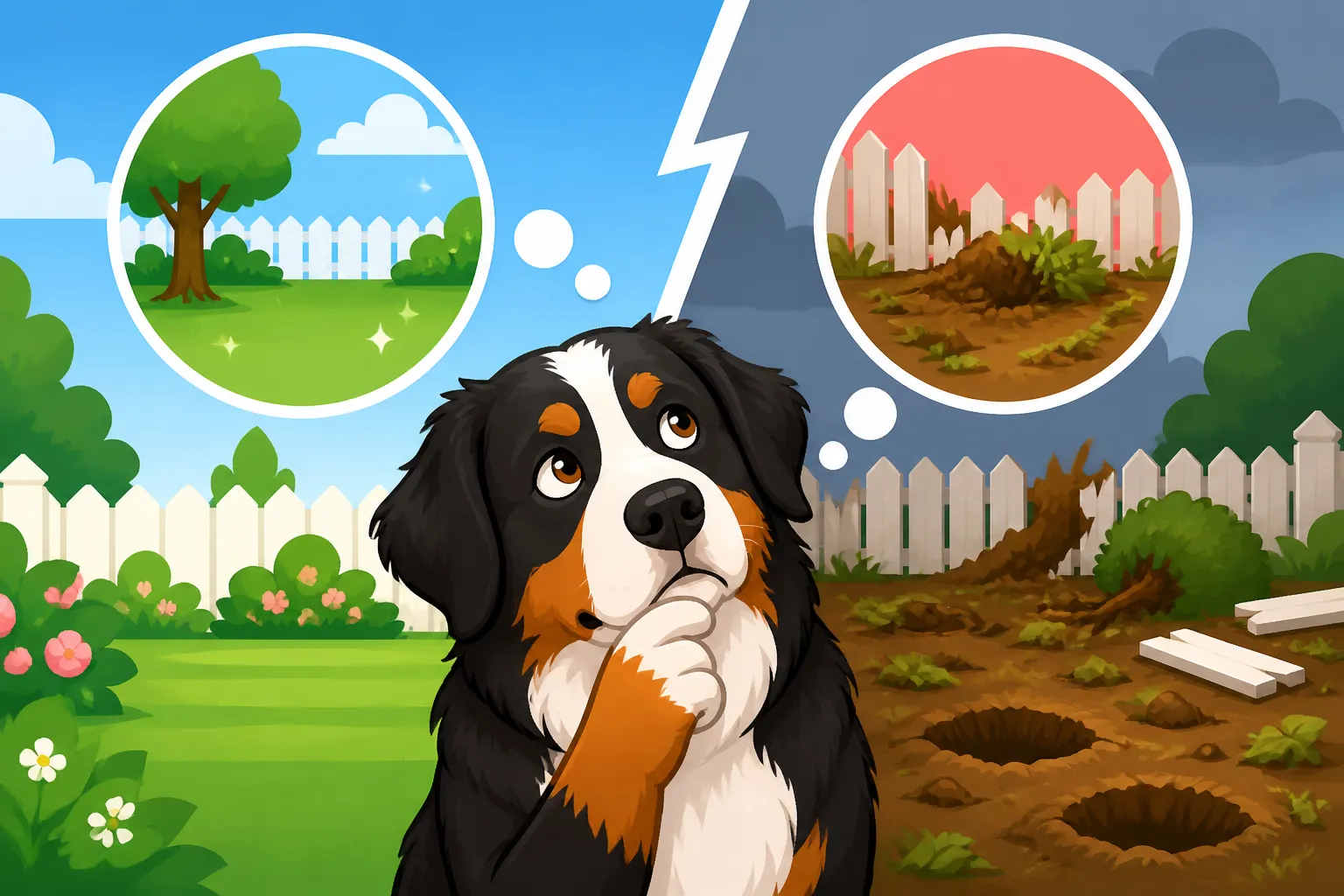
Oh, the age-old question that many a Bernese Mountain Dog owner has pondered with a sigh, staring out at what used to be a pristine lawn! It’s a very real concern for anyone bringing one of these magnificent, large, and often playful dogs into their home: will my beautiful Berner turn my yard into a moonscape? This guide is here to walk you through the various ways a Bernese Mountain Dog can impact your outdoor space and, more importantly, what you can do to manage it, so you can enjoy both your dog and your yard.
The Digging Dilemma: Why Bernese Mountain Dogs Love to Excavate
Let's be honest, few dogs are entirely immune to the siren call of a good digging session, but with a Bernese Mountain Dog, the results can be particularly… impactful. Their size and strength mean that what might be a small divot from a smaller dog can become a serious trench when a Berner gets to work. Understanding why they dig is the first step in addressing the issue.
Instinctual Behaviors and Breed History
Bernese Mountain Dogs have a rich history as working farm dogs in the Swiss Alps, where they performed a variety of tasks, including droving cattle, guarding property, and pulling carts. These are dogs with deep-seated instincts. Digging, in many breeds, is a remnant of their ancestral past – whether it was to hunt prey, cache food, or create a den. While your Berner isn't likely hunting groundhogs for dinner, the urge to dig can still surface. They might simply enjoy the feel of the earth beneath their paws, or the satisfaction of unearthing something new, even if it's just dirt. It's a natural behavior, and trying to completely extinguish it can be frustrating for both you and your dog. Instead, we often need to redirect it. After all, the original jobs outlined in The Three Jobs One Bernese Mountain Dog Did required a dog that could think for itself and engage with its environment.
Another aspect of their instinct can be temperature regulation. With their thick double coats, Berners can get warm, even in moderately warm weather. Digging a cool hollow in the dirt is a natural, instinctual way for them to find relief. This is especially true if they don't have enough shade or other cooling options in the yard. If you notice your Bernese Mountain Dog digging shallow scrapes and then lying in them, it's often a sign they're trying to cool down, highlighting the importance of understanding Heat and the Bernese Mountain Dog's Black Coat.
Boredom and Anxiety as Motivators
A bored Berner is a creative Berner, and often, that creativity manifests as destructive behaviors, including digging. These intelligent dogs need mental and physical stimulation. If left alone in a yard for long periods without toys, companionship, or activities, they will find their own entertainment. Digging provides sensory input, a physical outlet, and a sense of purpose. It’s an engaging activity that can pass the time for a dog with nothing else to do.
Similarly, anxiety can fuel digging. Some Bernese Mountain Dogs, especially those prone to separation anxiety, might dig as a coping mechanism. The physical act of digging can release pent-up energy and stress. If your dog only digs when you're away, or if it's accompanied by other signs like excessive barking, chewing inappropriate items (which can be a concern when you consider What a Bernese Mountain Dog Reaches Without Standing Up), or pacing, anxiety could be a major factor. Addressing the underlying anxiety, perhaps by increasing your dog's sense of security or providing more interaction, can often reduce destructive digging. Sometimes, a Bernese Mountain Dog simply cannot bear being left alone, as explored in The Bernese Mountain Dog That Cannot Bear Being Left.
Seeking Comfort: Temperature Regulation and Denning
As mentioned, Bernese Mountain Dogs come from a cold, mountainous climate. Their luxurious double coat, while beautiful, is designed for warmth. In warmer climates or even just on a sunny day in a cooler region, they can quickly overheat. One of the most common reasons a Berner digs is to create a cool spot to lie in. They’ll scrape away the warmer topsoil to get to the cooler earth underneath. This isn’t a malicious act; it’s pure self-preservation. Providing ample shade, access to water, and even a cooling mat can help mitigate this urge.
Beyond temperature, some dogs might have a residual denning instinct. While Berners aren't typically known for elaborate den building, the act of creating a shallow, protected space can be comforting. This is less about deep tunnels and more about creating a slight depression in the earth to feel more secure or shielded from the elements. Watching how your Bernese Mountain Dog digs – is it frantic and deep, or more of a methodical scrape? – can give you clues as to their motivation, whether it's boredom, heat, or just a little bit of both. Many owners often ask themselves Whether a Bernese Mountain Dog Digs and the answer is almost universally "yes," to some extent!
The Path of Destruction: Trampling, Wear, and Tear
Beyond intentional digging, the sheer presence of a large, active Bernese Mountain Dog can take a toll on a yard. It’s not always about deliberate mischief; sometimes, it’s just the reality of having a hundred-pound dog romping around your garden.
Size and Weight: The Sheer Impact of a Large Dog
Let's face it: Bernese Mountain Dogs are big. When you consider How Big a Bernese Mountain Dog Gets, you understand that their size and weight (often well over 80-100 pounds for females, and sometimes over 120 pounds for males) mean that every step they take carries significant impact. A smaller dog might scamper across the lawn leaving little trace, but a Berner can compact soil, flatten grass, and leave visible trails, especially in high-traffic areas or during wet weather. Think of the path they take from the back door to their favorite potty spot, or the track they wear along the fence line as they patrol. Over time, these areas will show significant wear, becoming barren patches of dirt.
Furthermore, their weight combined with their enthusiasm can easily damage fragile landscaping. A delicate flower bed, a small shrub, or even a newly planted sapling might not stand a chance against a curious or playful Bernese Mountain Dog. They might lean on it, step on it, or simply push through it without realizing the damage they’re causing. This isn't malice, but simply a consequence of their substantial presence and often oblivious nature to delicate garden features. It's a factor many owners might not fully consider when Sizing a Household Up for a Bernese Mountain Dog.
Zoomies and Play: The Bernese Mountain Dog's Energetic Bursts
While often described as calm and mellow indoors, Bernese Mountain Dogs are still dogs, and they have their moments of explosive energy, affectionately known as "zoomies." These bursts of speed and frantic running can turn your well-manicured lawn into a racetrack. Imagine a hundred-pound dog suddenly sprinting, skidding, and turning sharp corners at full speed. This kind of play, especially on soft or wet ground, can tear up turf, create muddy ruts, and wear down grass in patterns that are far from natural. If you have children, their games with the dog can exacerbate this, as the Berner joyfully joins in, often with less grace than a smaller companion.
During these playful episodes, especially with toys like balls or tug ropes, they might also inadvertently dig up chunks of grass with their paws as they push off or brake. Their sheer exuberance, while heartwarming to watch, comes with a price for your lawn. These energetic bursts are a natural part of their youthful spirit, and even older Berners can get a case of the zoomies. Providing an appropriate outlet for this energy, or directing it to a less sensitive area of the yard, becomes crucial.
Potty Spots and Lawn Burn: The Reality of Urine Damage
Dog urine, particularly from larger dogs, can be a major culprit in creating unsightly brown or yellow patches on your lawn. Bernese Mountain Dogs produce a significant volume of urine, which is high in nitrogen and salts. While nitrogen is a fertilizer in small amounts, in concentrated doses, it acts as a toxin, "burning" the grass roots and leaves. Female dogs tend to cause more noticeable damage because they squat, releasing all their urine in one concentrated spot, whereas males often lift their leg and spread it out more.
These urine spots can be frustrating, as they often create dead patches surrounded by unnaturally dark green, lush grass (where the diluted edges act as a fertilizer). Managing this involves diligence. Some owners try to dilute the spots immediately with water after their dog has gone, while others train their Berners to use a specific area of the yard, perhaps one that is mulched or graveled, to minimize grass damage. The type of grass you have can also play a role, as some varieties are more tolerant to dog urine than others. It's a common challenge, and one that requires consistent management to maintain a healthy-looking lawn.
Managing the Mayhem: Strategies for a Harmonious Yard
Living with a Bernese Mountain Dog doesn't mean resigning yourself to a barren wasteland where your lawn used to be. With thoughtful planning and consistent effort, you can absolutely have both a happy Berner and a reasonably intact yard. It’s all about setting boundaries, providing alternatives, and proactive management.
Dedicated Digging Zones and Training
One of the most effective strategies for curbing unwanted digging is to provide a sanctioned digging area. This isn't about stopping the natural instinct, but redirecting it. Designate a specific spot in your yard – perhaps a sandbox, a raised garden bed filled with loose soil, or a corner of the yard you don't mind getting messy. Bury toys or treats in this area to encourage your Berner to dig there rather than elsewhere. When you catch them digging in an inappropriate spot, calmly interrupt them and lead them to their digging zone, praising them when they start to dig in the correct place.
Training is key here. Using positive reinforcement, teach your Bernese Mountain Dog cues like "dig" (in their spot) and "leave it" (for off-limits areas). Consistency is paramount. Everyone in the household needs to be on board with the training and redirection. Remember, Berners are sensitive, and harsh corrections can be counterproductive. Patience, consistency, and making the "right" choice rewarding for your dog will yield the best results. You might find some excellent resources for Training a Bernese Mountain Dog Without Breaking It beneficial here.
Enrichment and Exercise: Preventing Boredom
A tired dog is a good dog, and a mentally stimulated dog is less likely to invent its own (destructive) games. Ensure your Bernese Mountain Dog gets plenty of physical exercise tailored to their age and health. This doesn't necessarily mean hours of intense running, especially for a large breed prone to joint issues, but regular walks, supervised play sessions, and opportunities to explore are vital. Consider puzzle toys, sniff walks, or even basic obedience training sessions to engage their minds. Chewy and other online pet retailers offer a fantastic array of interactive toys and puzzle feeders that can keep a Berner engaged for extended periods, even when you're not actively playing with them.
For Berners, whose heritage includes working, mental stimulation can be just as important as physical exercise. Simple scent games in the yard, hiding treats for them to find, or working on new tricks can make a huge difference in preventing boredom-induced digging or chewing. Remember to be mindful of the weather, especially in summer; adjust exercise times to cooler parts of the day. For tips on how to keep your Berner active safely, check out Exercising a Bernese Mountain Dog in Summer.
Protecting Your Landscape: Fencing and Barriers
Sometimes, the best offense is a good defense. Physical barriers can be incredibly effective in protecting vulnerable areas of your yard. Low fencing, decorative garden borders, or even strategically placed large rocks can create zones that are off-limits to your Bernese Mountain Dog. Consider raised garden beds for flowers and vegetables, making them less accessible for digging or trampling. For areas where grass wear is a consistent problem, consider alternatives like gravel paths, durable pavers, or even artificial turf in small, high-traffic sections.
For those persistent urine spots, you might consider laying down sod in affected areas or reseeding with a more urine-resistant grass type. There are also specific "dog spot" lawn repair kits available at garden centers that can help neutralize the nitrogen and encourage regrowth. Think about how your Berner navigates the yard and anticipate where they might cause issues, then proactively put up barriers or create designated pathways to guide their movement. This can save you a lot of frustration and repair work in the long run.
Restoring Your Green Space: Repair and Maintenance
So, despite your best efforts, your Bernese Mountain Dog has left their mark on your yard. Don't despair! Restoring your green space is often achievable with the right techniques and a bit of patience. It’s an ongoing process, especially with a large, active dog, but a beautiful yard is within reach.
Lawn Repair Techniques
When faced with barren patches or brown spots, the first step is to address the underlying issue. If it’s a urine spot, you may need to thoroughly rinse the area with water to dilute the nitrogen before attempting repair. For compacted areas or large dug-up patches, rough up the soil with a rake to loosen it. Then, you can choose to either reseed the area or lay down new sod. Reseeding is generally more cost-effective but takes longer for the grass to establish. Make sure to choose a grass seed variety that is suitable for your local climate and soil conditions, and ideally one known for its resilience to dog traffic.
When reseeding, spread the seed evenly, lightly cover it with a thin layer of topsoil or peat moss, and keep the area consistently moist until the new grass sprouts and is established. Protecting these newly seeded areas from your Bernese Mountain Dog is crucial during this vulnerable period. You might need temporary fencing or to supervise your dog closely to ensure they don’t dig up or trample the new growth. Patience is key; it takes time for a lawn to recover. You might even find some specialized lawn patch kits through stores like Chewy that are designed specifically for pet damage.
Dog-Friendly Landscaping Choices
Instead of constantly battling your Bernese Mountain Dog's natural inclinations, why not work with them? Embrace dog-friendly landscaping. This means choosing hardy, resilient plants that can withstand a bit of rough-and-tumble play. Opt for sturdy shrubs and trees rather than delicate flowers in ground-level beds. Consider raised planters or hanging baskets for your more fragile flora. Ground cover options like clover or even certain types of durable fescue can be more tolerant of dog traffic and urine than traditional lawn grasses.
Creating designated "dog runs" or areas with durable materials like pea gravel, cedar chips, or flagstone can be a great way to manage high-traffic areas and give your Berner a solid surface for their zoomies without destroying your grass. Also, research plants that are non-toxic to dogs. While Berners aren't typically avid chewers of garden plants, it's always better to be safe than sorry, especially if they are left unsupervised. Designing a yard with your Bernese Mountain Dog in mind can lead to a beautiful, functional space for everyone.
Understanding Soil and Drainage
Good soil health and proper drainage are fundamental to a resilient yard, especially when you have a large dog. Compacted soil, often a result of heavy paws constantly walking over the same spots, can prevent water and nutrients from reaching grass roots, making your lawn more susceptible to damage. Aerating your lawn periodically can help alleviate compaction, allowing air, water, and nutrients to penetrate deeper into the soil.
Improving drainage, particularly in areas where water tends to pool, can also prevent muddy patches that your Bernese Mountain Dog might turn into a digging frenzy. Adding organic matter to your soil, such as compost, can improve its structure, making it more resilient and better able to recover from wear and tear. A healthy, well-drained lawn is much better equipped to handle the impact of a Bernese Mountain Dog than one that is struggling. While the direct costs of repairing a yard might not be as dramatic as some emergency vet bills, like those that Healthy Paws might help with for unforeseen accidents, the cumulative expense and effort of constant yard maintenance is a significant part of What a Bernese Mountain Dog Costs Over Its Whole Life. Ultimately, a well-cared-for yard is a testament to the comprehensive care and planning you put into your Berner's life and environment.
| Activity Causing Yard Wreckage | Common Motivations | Mitigation Strategy |
|---|---|---|
| Digging | Boredom, seeking cool spots, instinct, anxiety | Dedicated digging pit, increased mental/physical enrichment (puzzle toys, training sessions, walks), provide shade/cooling options, manage separation anxiety, positive redirection to designated dig spot. |
| Trampling/Wear & Tear | Play (zoomies), routine pathways, sheer size/weight | Create designated durable pathways (gravel, pavers), use temporary fencing to protect vulnerable areas, choose hardy landscaping plants, regular lawn aeration, rotate play areas if possible. |
| Urine Spots | Natural urination | Dilute spots with water immediately, train to use specific mulched/graveled potty area, consider urine-resistant grass varieties, specific lawn repair products. |
| Chewing/Destroying Plants | Boredom, puppy behavior, curiosity | Provide appropriate chew toys (e.g., from Chewy), supervise outdoor time, use deterrents on plants (bitter sprays), ensure puppy gets enough mental stimulation (e.g., with training treats from Ollie), secure valuable plants with barriers. The Chew Damage a Bernese Mountain Dog Puppy Does can be extensive! |
Disclaimer
This article is for general informational purposes only and does not constitute professional advice. Laws, prices and regulations vary by location and change over time. Consult a qualified professional for guidance on your specific situation.