What a Bernese Mountain Dog CT Scan Costs
When your beloved Bernese Mountain Dog suddenly develops a mysterious limp, exhibits unusual neurological symptoms, or begins to show signs of internal discomfort that regular X-rays can’t quite pinpoint, the anxiety can be overwhelming. As Berner owners, we often face unique challenges with their size and certain breed predispositions, making advanced diagnostics like a CT scan a crucial, albeit daunting, prospect. This guide aims to shed light on what a Bernese Mountain Dog CT scan entails, why it might be recommended, and what you can realistically expect in terms of the associated costs.
Why a CT Scan Might Be Necessary for Your Bernese Mountain Dog
Let's be honest, nobody wants their gentle giant to need advanced medical imaging. It usually means something serious is going on, and the uncertainty alone can be heartbreaking. A Computed Tomography (CT) scan, sometimes called a CAT scan, is a sophisticated diagnostic tool that goes far beyond what a standard X-ray can offer. Instead of a single, flat image, a CT machine takes multiple X-ray images from different angles around your dog's body. These images are then processed by a computer to create detailed cross-sectional slices, or "tomograms," of bones, soft tissues, and blood vessels. Think of it like looking at a loaf of bread one slice at a time, instead of just seeing the crust. For a Bernese Mountain Dog, whose sheer size and thick muscle mass can sometimes obscure details on conventional radiographs, this level of detail is invaluable.
The reasons a vet might recommend a CT scan for your Berner often stem from situations where a more precise, three-dimensional view is needed to diagnose, stage, or plan treatment for a complex condition. This could range from identifying subtle joint issues to mapping the extent of an aggressive tumor.
Unraveling the Mystery of Persistent Lameness or Pain
One of the most common scenarios leading to a CT scan for a Bernese Mountain Dog is chronic or unexplained lameness or pain. It's truly agonizing to see your usually robust Berner struggling to move, and even more so when initial X-rays come back inconclusive. A standard X-ray can show obvious fractures or severe arthritis, but what about subtle bone lesions, early-stage joint disease, or soft tissue injuries like ligament tears that aren't visible on a two-dimensional image?
This is where a CT scan shines. It can detect minute changes in bone density, visualize the intricate structures of joints like elbows and shoulders in incredible detail, and even identify issues within the spinal column that might be causing referred pain or weakness. For instance, if your Bernese has a persistent limp that seems to shift or isn't improving with conservative management, a CT scan might reveal an osteochondrosis dissecans (OCD) lesion, an ununited anconeal process, or even a tiny bone tumor that was simply too small or awkwardly positioned to be clearly seen on an X-ray. It gives your vet the clarity they need to formulate an effective treatment plan, rather than continuing to guess. If you're wondering if your Berner's limp warrants further investigation, you might find it helpful to read Whether a Limping Bernese Mountain Dog Should Be Scanned.
Diagnosing the Unseen: Internal Masses and Tumors
It’s a sad reality that Bernese Mountain Dogs are predisposed to certain types of cancer, particularly histiocytic sarcoma, which can be devastatingly aggressive. Finding out your Berner has a lump or a suspicious mass can feel like the world is crashing down. While X-rays can sometimes show larger internal masses, they don't provide the clear boundaries or detailed internal structure that a CT scan does. More critically, X-rays are notoriously poor at detecting the spread of cancer to soft tissues like lymph nodes or organs, known as metastasis.
A CT scan offers a superior way to characterize tumors. It can help pinpoint the exact location, measure its size accurately, and determine if it has invaded surrounding tissues. Crucially, it can also be used for cancer staging—checking if the cancer has spread to other parts of the body, such as the lungs, liver, or regional lymph nodes. This information is absolutely vital for oncologists to decide if surgery is possible, what type of chemotherapy might be effective, or if palliative care is the most humane option. Understanding What Histiocytic Sarcoma Does Inside a Bernese Mountain Dog can help explain why such detailed imaging is often a necessary step.
Neurological Concerns and Spinal Issues
Few things are as distressing as watching your once-sturdy Bernese Mountain Dog develop neurological symptoms – wobbliness, weakness in the limbs, difficulty rising, or even seizures. These signs can be indicative of problems affecting the brain, spinal cord, or peripheral nerves. While an MRI is often considered the gold standard for brain and spinal imaging due to its superior soft tissue contrast, a CT scan can still provide significant diagnostic value, especially for issues involving bone compression of neural structures or certain types of brain lesions.
For instance, if your Berner is showing signs of hind-end weakness or paralysis, a CT scan of the spine can clearly show intervertebral disc disease (IVDD), spinal fractures, or tumors pressing on the spinal cord. These are often emergencies, and getting a clear picture quickly is paramount. While the thought of your Berner losing mobility is heartbreaking, resources like The Bernese Mountain Dog Whose Back Legs Give Out can offer insights into these challenging conditions. A CT can quickly identify conditions that require immediate surgical intervention, providing critical information to guide your vet's decisions.
Understanding the Factors Influencing CT Scan Costs
When facing the need for a CT scan, one of the first, albeit difficult, questions that comes to mind after "What's wrong?" is "How much will this cost?". There's no single, flat fee for a Bernese Mountain Dog CT scan, and that can be frustrating for owners trying to plan and cope. The reality is that the final bill is a mosaic of many individual services and factors, all contributing to the overall expense. Understanding these elements can help you prepare for the financial commitment involved.
Geographical Location and Veterinary Specialization
Just like real estate or human medical procedures, the cost of veterinary care, including advanced diagnostics, can vary significantly depending on where you live. A specialty veterinary hospital in a major metropolitan area, say, New York City or Los Angeles, will likely have higher overhead costs—rent, staff salaries, equipment maintenance—than a smaller clinic in a rural town. Consequently, these higher operating costs are reflected in their service fees.
Furthermore, the type of facility matters. A general practice veterinary clinic might refer you to a veterinary specialist center, a university veterinary teaching hospital, or a dedicated diagnostic imaging center. These specialized facilities often have state-of-the-art equipment and board-certified veterinary radiologists and anesthesiologists on staff. While their expertise is invaluable for accurate diagnosis and patient safety, it comes at a premium. The complexity of interpreting a Bernese Mountain Dog's scans, especially for subtle conditions, requires highly skilled professionals, adding to the cost. The financial implications of specialized care can be substantial, as discussed in detail when considering What Oncology Bills Reach for a Bernese Mountain Dog.
Sedation, Anesthesia, and Monitoring
Unlike people, dogs—especially a large, active Bernese Mountain Dog—cannot be simply asked to lie perfectly still for the duration of a CT scan, which can take anywhere from a few minutes to an hour depending on the area being scanned. Movement, even subtle breathing motions, can blur the images and render them diagnostic-free. Therefore, a CT scan almost always requires deep sedation or, more commonly, general anesthesia.
This isn't a simple dose of a sedative. Administering anesthesia to a dog, especially a large breed like a Bernese Mountain Dog, is a complex medical procedure itself. It involves:
- Pre-anesthetic bloodwork: To assess organ function and ensure your Berner can safely metabolize the anesthetic drugs.
- Intravenous (IV) catheter and fluids: To maintain hydration and provide a route for medications.
- Anesthetic drugs: Tailored to your dog's individual health status and size.
- Dedicated veterinary technicians: To monitor vital signs (heart rate, respiration, blood pressure, oxygen saturation, temperature) continuously throughout the procedure and during recovery.
- Anesthesia machine and monitoring equipment: Which are significant investments for any clinic.
The larger the dog, the more anesthetic drugs are often required, and the longer and more intensive the monitoring might need to be. This entire protocol is absolutely essential for your Berner's safety and accounts for a significant portion of the CT scan bill. For a hundred-pound Bernese Mountain Dog, putting them under anesthesia is no small feat, as highlighted in Putting a Hundred Pound Bernese Mountain Dog Under.
Area of the Body Scanned and Contrast Agents
The specific part of your Bernese Mountain Dog's body that needs to be scanned directly impacts the cost. Scanning a single joint, like an elbow or a stifle, is generally less expensive than a full chest and abdominal scan or a scan of the entire spinal column. A multi-area scan requires more "slices," more machine time, and more time for interpretation by the radiologist.
In many cases, a contrast agent, usually an iodine-based dye, is injected intravenously before or during the scan. This agent travels through the bloodstream and highlights specific structures, such as blood vessels, tumors, or inflamed tissues, making them stand out more clearly on the images. For example, to identify a subtle tumor or assess its vascularity, contrast is often indispensable. While incredibly helpful for diagnosis, the contrast agent itself, along with the supplies and time needed for its administration, adds another layer of cost to the procedure.
The Expected Cost Range for a Bernese Mountain Dog CT Scan
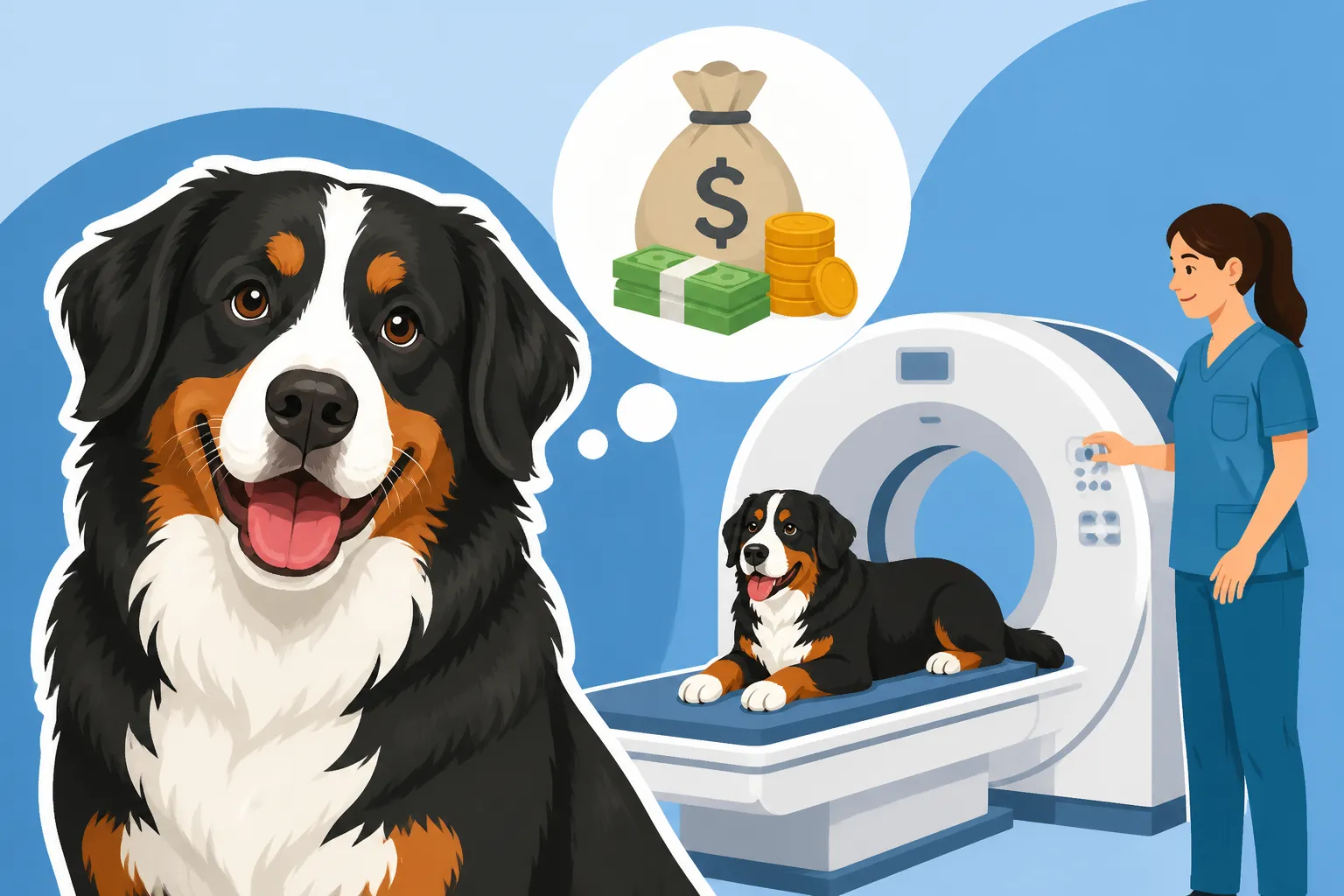
It's understandable to feel a knot in your stomach when contemplating the costs associated with advanced diagnostics for your Bernese Mountain Dog. There's no getting around the fact that a CT scan is a significant financial investment, often reaching into the realm of several thousand dollars. While I can't give you exact figures that would be current for your specific location and situation, I can give you a realistic shape of what to expect and the components that make up that figure.
Generally, you can expect a Bernese Mountain Dog CT scan to fall within a broad range. This range includes all the elements we've discussed: the initial consult, pre-anesthetic workup, the anesthesia itself, the scan, interpretation by a specialist, and post-procedure care. The variables of location and specialization can cause this range to fluctuate considerably.
Here's a breakdown of potential cost components you might see on your bill:
| Service Component | Description | Estimated Proportion of Total Cost |
|---|---|---|
| Initial Consultation | Examination by a specialist (e.g., internal medicine, oncology, neurology). | 5-10% |
| Pre-Anesthetic Workup | Blood tests, urinalysis, possibly ECG/chest X-rays to assess anesthesia risk. | 10-20% |
| Anesthesia & Monitoring | Anesthetic drugs, IV fluids, dedicated technician monitoring, oxygen, reversal agents. | 20-30% |
| CT Scan Procedure | Machine time, acquisition of images, raw data processing. Varies by scanned area. | 30-40% |
| Contrast Agent | Cost of the iodine-based dye if used to enhance imaging. | 5-10% |
| Radiologist Interpretation | Specialist review of images, written report, and communication with your primary vet. | 10-15% |
| Post-Procedure Care | Recovery monitoring, pain medication, overnight stay if complications arise or extensive monitoring needed. | 5-10% |
Initial Consultation and Diagnostic Work-Up
Before your Bernese Mountain Dog even gets near a CT scanner, there's a critical preliminary phase. This starts with your primary veterinarian, who conducts an initial physical exam, takes a detailed history, and performs basic diagnostics like bloodwork and X-rays. These initial steps are vital for narrowing down potential issues and determining if a CT scan is indeed the most appropriate next step. This early diagnostic work can include a comprehensive blood panel, which is crucial for assessing overall health and organ function. For an extensive overview, see The Bernese Mountain Dog Health Panel.
If the case is complex, your primary vet might refer you to a veterinary specialist—perhaps an internal medicine expert, an oncologist, or a neurologist. This specialist will conduct their own in-depth consultation, review all previous records, perform advanced neurological or orthopedic exams, and might recommend additional tests specific to their field. Each of these steps, from the initial vet visit to specialist consultations and preliminary blood tests, adds to the overall diagnostic expenditure, which precedes the CT scan itself.
The CT Scan Procedure Itself
This is the core of the cost. The actual use of the CT machine, the acquisition of hundreds or thousands of images, and the initial processing of that raw data account for a significant portion of the bill. The time the machine is in use, the number of "slices" taken, and the specific area of the body being imaged all play a role. A full body scan, for instance, will naturally be more expensive than a targeted scan of just one elbow.
For a large dog like a Bernese Mountain Dog, the machine settings might need to be adjusted, and the dosage of radiation will be tailored to their size, which can sometimes influence the time required. Once the images are acquired, a veterinary radiologist, a specialist in interpreting these complex images, will meticulously review them and generate a detailed report for your referring veterinarian. This expert interpretation is critical for an accurate diagnosis and is a distinct line item on the bill.
Post-Scan Care and Follow-Up
Once the CT scan is complete, your Bernese Mountain Dog will need to recover from the anesthesia. This involves a period of monitored recovery, where veterinary staff ensure they wake up safely and comfortably. Depending on your Berner's health status, the type of anesthesia used, and the findings of the scan, they might require pain medication, anti-nausea drugs, or even an overnight stay for continued observation.
If the CT scan reveals a severe condition, such as an aggressive tumor or a debilitating spinal injury, the next steps could involve further consultations with specialists, surgical procedures, or the initiation of medical treatments. These follow-up care costs are separate from the CT scan itself but are a direct consequence of the diagnosis. For example, if a specialized diet is recommended for recovery or ongoing health management, you might look into options like Ollie, which offers fresh, tailored meal plans designed for specific canine health needs, after discussing it with your vet. Similarly, if your Berner needs an orthopedic bed during recovery, retailers like Chewy offer a wide selection that can be delivered right to your door.
Navigating the Financial Burden: Insurance, Savings, and Other Options
The emotional toll of a sick Bernese Mountain Dog is immense, and the financial stress of a CT scan only compounds it. It’s a bitter pill to swallow when you know your beloved companion needs this advanced care, but the cost feels prohibitive. However, there are various strategies and resources available to help ease this burden and ensure your Berner gets the diagnostics they need.
Pet Insurance and the Importance of Early Enrollment
Pet insurance can be an absolute lifeline when facing unexpected, high-cost veterinary bills like a CT scan. However, its effectiveness hinges on having a policy in place before any signs of illness appear. Most pet insurance policies operate on the principle of covering unexpected accidents and illnesses, but they typically exclude pre-existing conditions. This means if your Bernese Mountain Dog starts showing symptoms of, say, a persistent limp or a suspicious lump before you enroll them or during a waiting period, the CT scan and subsequent treatment for that condition might not be covered.
Providers like Healthy Paws are well-known for their comprehensive coverage options that can help with diagnostic imaging, emergency care, and specialist visits. If you've been proactive and enrolled your Berner when they were young and healthy, your policy might cover a significant portion of the CT scan costs, dramatically reducing your out-of-pocket expense. It’s definitely worth looking into plans for Insuring a Bernese Mountain Dog Against Cancer, as this breed's predisposition to certain diseases makes a robust policy particularly valuable. Given the unfortunate reality of Why Insurers Rate the Bernese Mountain Dog So High, getting coverage early can truly pay off.
When considering pet insurance, always read the fine print regarding deductibles, reimbursement percentages, and annual limits. These factors will determine how much you actually get back.
Emergency Funds and Veterinary Payment Plans
Even with insurance, or if you don't have it, having a dedicated emergency fund for your Bernese Mountain Dog is crucial. These majestic dogs, despite their robust appearance, can accumulate significant vet bills, especially as they age or if they encounter one of the common breed-specific ailments. Setting aside even a small amount regularly can build up a cushion for unexpected expenses like a CT scan. For more on this, check out How Much a Bernese Mountain Dog Emergency Fund Should Hold.
Many veterinary hospitals and specialty clinics understand the financial pressures owners face and offer various payment options. It's always worth asking about:
- Payment plans: Some clinics may offer in-house payment plans, allowing you to pay the total cost over several months.
- Third-party medical credit: Services like CareCredit or Scratchpay are designed specifically for veterinary expenses. They offer various financing options, including interest-free periods if paid within a certain timeframe. Be sure to understand the terms and interest rates before committing.
- Negotiation: While not always possible, in some urgent non-specialist cases, a candid discussion with your vet about your financial constraints might open doors to alternative diagnostic pathways or slightly adjusted payment schedules.
Considering Rescue Organizations and Breed-Specific Aid
In particularly dire financial situations, you might find support from unexpected places. Some Bernese Mountain Dog rescue organizations, breed clubs, or foundations dedicated to specific canine health issues sometimes have limited funds or programs to assist owners with diagnostic and treatment costs. These are typically smaller, non-profit groups funded by donations and are often aimed at helping dogs within their rescue network or promoting health research.
While these resources are not guaranteed, and eligibility criteria can be strict, they are worth investigating. You might also find local humane societies or veterinary schools that have financial aid programs for low-income pet owners, especially for critical care. It’s always difficult to ask for help, but when your beloved Berner's health is on the line, exploring every avenue is an act of love. Remember, the goal is to get your dog the care they need, and sometimes that means reaching out to the wider community.
Disclaimer
This article is for general informational purposes only and does not constitute professional advice. Laws, prices and regulations vary by location and change over time. Consult a qualified professional for guidance on your specific situation.