What a Bernese Mountain Dog Costs in the Northeast
Bringing a Bernese Mountain Dog into your home in the Northeast is a dream for many, but the reality of owning such a magnificent creature often comes with a hefty price tag that can catch prospective owners off guard. Beyond the initial adoption or purchase, the ongoing costs associated with their size, specific health needs, and even regional factors can accumulate quickly. This comprehensive guide aims to peel back the layers of these expenses, providing a realistic look at what it truly costs to welcome a Berner into your life in states like Massachusetts, New York, or Pennsylvania.
Understanding the Upfront Investment: Puppy Prices in the Northeast
The moment you start dreaming of a fluffy Bernese Mountain Dog puppy, the first number that usually comes to mind is the purchase price. And let's be honest, it can be a significant barrier for many. The Northeast, with its higher cost of living in many areas, often sees these prices on the upper end of the spectrum compared to other regions of the country.
Regional Factors Influencing Price
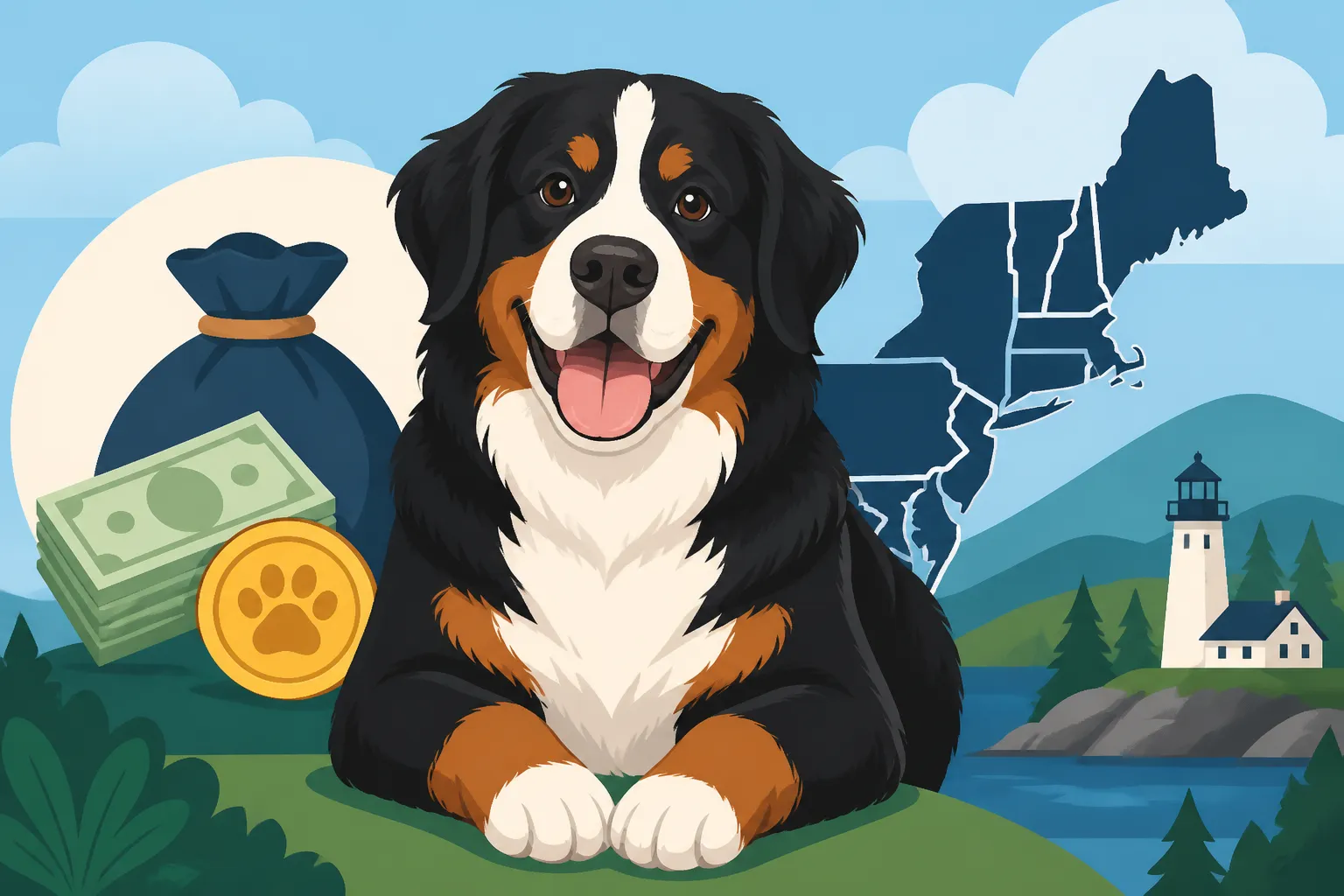
It's a common frustration to see varying prices for Bernese Mountain Dog puppies, even from reputable breeders. The Northeast often features a higher general cost of living, which directly translates into increased expenses for breeders. Think about property taxes on their land, the cost of veterinary care for their breeding dogs, quality food, and even simply the cost of doing business in a more expensive region. This isn't just about pure profit; it's about covering the actual overhead. You might find that What a Bernese Mountain Dog costs in the Northeast is often higher than in, say, the Midwest, due to these economic realities. The demand also plays a role; some metropolitan areas or popular states may have a higher concentration of potential buyers, pushing prices up slightly.
What a Reputable Breeder Charges
When you're looking for a Bernese Mountain Dog puppy, you might encounter ads for pups that seem like a steal. However, with this breed, "too good to be true" often really means it. A reputable breeder in the Northeast will invest heavily in their breeding program to ensure healthy, well-socialized puppies. This investment includes thorough health clearances for both parents, which can involve expensive screenings for hips, elbows, eyes, and cardiac health, as discussed in The Bernese Mountain Dog Health Panel. They'll also provide early socialization, proper nutrition for the mother and pups, initial veterinary checks, vaccinations, and deworming. These aren't cheap endeavors, and they are reflected in the price. Expect a price point that reflects these significant commitments to the breed's health and future well-being. This ensures you're getting a puppy that has the best possible start, reducing the likelihood of costly health issues down the line. You can learn more about this in What a fully cleared Bernese Mountain Dog litter sells for.
The Hidden Costs of Initial Setup
Beyond the puppy's purchase price, there's a whole host of items you need before your Berner even steps paw in your home. These aren't always top-of-mind, but they add up surprisingly fast, especially when buying for a giant breed. You'll need a sizable crate, often the largest available, which can be a significant expense. Beds for Bernese Mountain Dogs aren't just any dog bed; they need orthopedic support and durability, which also command a higher price. Then there are bowls, leashes, collars, initial toys (often needing to be tough enough to withstand a Berner's puppy chewing), and grooming tools tailored for their thick double coat. Don't forget the first round of food, which for a large breed puppy can be specialized and a bit more expensive per bag. Factor in microchipping if the breeder hasn't already done it, and your initial outlay quickly expands beyond just the puppy's price tag.
Ongoing Expenses: Daily Life with a Berner in the Northeast
The monthly or annual costs of living with a Bernese Mountain Dog can be substantial, and in the Northeast, these are often compounded by higher service fees and product prices. It's not just about paying for food; it's about providing a certain quality of life for a dog of this size and temperament.
Food and Nutrition Considerations
Feeding a Bernese Mountain Dog isn't like feeding a Chihuahua. These are big dogs, and they eat a lot. High-quality large breed puppy food is crucial for their controlled growth, helping to prevent developmental orthopedic issues. As they mature, they'll transition to adult formulas. Many owners look for quality kibble, while others explore fresh food options. For example, brands like Ollie offer pre-portioned, human-grade fresh meals delivered right to your door, which can be fantastic for nutrition but also means a higher cost than traditional kibble. You'll need to calculate Feeding a hundred pound Bernese Mountain Dog monthly to get a realistic budget. Beyond regular meals, don't forget treats! Training treats, dental chews, and recreational chews for a large breed can disappear quickly, adding another line item to your monthly grocery bill. Many owners find great deals on large bags of kibble or toys through online retailers like Chewy, which can help mitigate some costs.
Grooming and Maintenance
That gorgeous, long tricolor coat of a Bernese Mountain Dog doesn't maintain itself. Berners are known for their shedding, especially during seasonal blows, and regular grooming is essential to keep their coat healthy, prevent matting, and manage the hair around your home. You can often handle basic brushing and detangling at home, but you'll need the right tools: a sturdy slicker brush, an undercoat rake, and a good quality shampoo designed for double coats. However, professional grooming is often necessary, especially if you're not comfortable with nail trims or intricate de-shedding. A professional groomer might charge more for a large breed due to the time, effort, and specialized equipment required. You might be surprised at What a Bernese Mountain Dog groom costs in a more expensive area of the Northeast. Beyond professional visits, remember the ongoing cost of ear cleaner, dog-safe toothpaste and brushes, and possibly paw balm for those winter walks on salted pavements.
Routine Veterinary Care
Just like humans, dogs need regular check-ups, and a large breed like a Bernese Mountain Dog has specific considerations. Puppy vaccinations, regular deworming, and ongoing flea, tick, and heartworm prevention are non-negotiable. As they get older, annual wellness exams become even more important, especially given their predisposition to certain health conditions. Vets in the Northeast, particularly in urban and suburban areas, often have higher fees for consultations, diagnostics, and medications. You'll need to budget for annual shots, fecal tests, and potentially yearly bloodwork as your Berner ages. These routine visits are crucial for early detection of any issues and contribute significantly to their overall health and lifespan.
The Unpredictable: Health Costs and Insurance in the Northeast
This is where the financial reality of Bernese Mountain Dog ownership can hit hardest. While they are wonderful dogs, they are unfortunately predisposed to certain significant health conditions that can lead to astronomical veterinary bills, especially in a region where specialized veterinary care can be quite costly.
Common Bernese Mountain Dog Health Issues
Bernese Mountain Dogs are prone to a few serious health issues that every prospective owner needs to be aware of. Cancer, particularly histiocytic sarcoma, is heartbreakingly common in the breed and can require expensive diagnostics, surgeries, chemotherapy, and palliative care. You can read more about this in The Cancer That Kills Half of All Bernese Mountain Dogs. Joint diseases, such as hip and elbow dysplasia, are also prevalent in large breeds and can necessitate ongoing medication, physical therapy, or even costly surgeries like hip replacements. Gastric Dilatation-Volvulus, or bloat, is another life-threatening emergency common in deep-chested dogs that requires immediate, expensive surgery. These conditions aren't just potential inconveniences; they can represent tens of thousands of dollars in veterinary bills over the dog's lifetime. Understanding the risk is the first step in preparing for it.
The Role of Pet Insurance
Given the potential for costly health issues, pet insurance can be a lifesaver for Bernese Mountain Dog owners. Policies from providers like Healthy Paws can help cover a significant portion of unexpected veterinary expenses, from emergency surgeries to ongoing cancer treatments. While premiums for a large breed with known health predispositions can be substantial, many owners find it a worthwhile investment when faced with a diagnosis that would otherwise be financially devastating. It's crucial to research policies carefully, looking at annual limits, deductibles, reimbursement percentages, and exclusions. Some policies may not cover pre-existing conditions, so it's often best to enroll your Berner when they are young and healthy. Insuring a Bernese Mountain Dog against cancer can provide immense peace of mind.
Emergency Fund vs. Insurance
Some owners opt to save a dedicated emergency fund rather than pay for pet insurance. This can work, but it requires incredible discipline and a substantial amount of savings. For a Bernese Mountain Dog, you'd want many thousands of dollars readily accessible, as a single emergency surgery for bloat or a course of chemotherapy could easily deplete a smaller fund. The advantage of insurance is that it provides a safety net for major, unexpected costs that might exceed what many families can save in a short period. Ultimately, whether you choose insurance or a robust emergency fund, having a financial plan for potential major health crises is non-negotiable for a Bernese Mountain Dog owner in the Northeast.
Lifestyle and Activity Costs
Bernese Mountain Dogs are more than just pretty faces; they need appropriate mental and physical stimulation, and providing that can also come with its own set of costs, particularly in the Northeast where many services are priced higher.
Training and Socialization
A well-behaved Bernese Mountain Dog is a joy, but it doesn't happen by accident. These intelligent dogs benefit immensely from early and ongoing training and socialization. Puppy classes are essential for teaching basic manners and exposing them to new sights, sounds, and other dogs. Obedience classes, especially for a dog that will eventually weigh over a hundred pounds, are crucial for leash manners and control. Private trainers might be necessary for specific behavioral challenges. In the Northeast, professional trainers often charge premium rates. Investing in Training a Bernese Mountain Dog without breaking it is not just about convenience; it's about safety for a dog of their size and strength, and it's a significant financial commitment. Socialization also extends to exposure to different environments, which might mean trips to dog-friendly parks or events, some of which may have entrance fees.
Gear and Supplies for a Giant Breed
Everything for a Bernese Mountain Dog tends to be bigger, more robust, and therefore more expensive. Their leashes need to be strong, their harnesses heavy-duty, and their toys durable enough to withstand powerful jaws. Forget about those flimsy little plushies! You'll be constantly on the lookout for toys that can truly stand up to a Berner's enthusiasm. Then there are grooming supplies, as mentioned, but also things like high-quality orthopedic beds that can support their large frames and protect their joints. Chew toys are essential not just for entertainment but for dental health and preventing destructive chewing. You might also consider specific items like cooling mats for summer, especially in the humid Northeast climate, or special ramps to help them get into cars as they age, to protect their joints.
Travel and Boarding
If you travel, finding appropriate care for a Bernese Mountain Dog can be another expense. Not all kennels are equipped to handle giant breeds, and those that are often charge a premium for larger accommodations. Pet sitters who are experienced with large dogs may also charge more. If you plan to travel with your Berner, factors like gas consumption (larger dogs often mean larger vehicles) and pet fees at hotels or specific rental properties will add up. Planning for Finding a kennel with a run a Berner fits is something to consider early in your ownership journey.
Here's a breakdown of potential cost categories to help you visualize:
| Cost Category | Initial Outlay (Estimate) | Annual Recurring (Estimate) | Notes |
|---|---|---|---|
| Puppy Purchase | High thousands | N/A | Varies greatly by breeder reputation, health clearances, and region. Expect higher in the Northeast. |
| Initial Supplies | Hundreds | N/A | Crate, bed, bowls, collar, leash, initial toys, grooming tools. Needs to be giant-breed specific. |
| Food & Treats | N/A | Over a thousand | High-quality large breed kibble or fresh food. Brands like Ollie can be more expensive. Online retailers like Chewy often offer better bulk pricing. |
| Routine Vet Care | Hundreds | Several hundreds | Vaccinations, check-ups, deworming, flea/tick/heartworm prevention. Higher vet fees common in the Northeast. |
| Grooming | Tens to Hundreds | Hundreds | DIY with proper tools (brushes, shampoo) can save money, but professional grooms for large breeds are costly. |
| Pet Insurance / Fund | N/A | Hundreds to over a thousand | Crucial for unexpected health issues. Premiums for Berners can be high (e.g., Healthy Paws). An emergency fund needs to be substantial. Learn about Insuring a Bernese Mountain Dog against cancer. |
| Training | Hundreds | Tens to Hundreds | Puppy classes, obedience, behavioral training. Northeast trainers often charge more. |
| Licensing & Microchip | Tens | Tens (yearly license) | Local requirements vary. Microchipping often done by breeder/shelter. |
| Miscellaneous | Tens | Tens to Hundreds | Replacement toys, cleaning supplies, unexpected repairs (e.g., chew damage), dog park fees, travel accessories. Consider The Chew Damage a Bernese Mountain Dog Puppy Does. |
| Emergency Care (Non-Insured) | N/A | Potentially thousands to tens of thousands | For serious health events like bloat or cancer. This is where pet insurance truly shines. Read about Hip and elbow surgery costs for a Bernese Mountain Dog. |
Owning a Bernese Mountain Dog in the Northeast is a rewarding experience, but it's vital to go into it with open eyes about the financial commitment. From the initial purchase and setup to the ongoing food, grooming, and potential significant health costs, these dogs demand a budget that reflects their size, lifespan, and breed-specific needs. Being prepared for these expenses means you can focus on enjoying every moment with your loyal and loving companion without undue financial stress. Consider also Why a Bernese Mountain Dog lives only seven or eight years when budgeting for their overall lifetime care. For more information on health, you might check The Bernese Mountain Dog Whose Back Legs Give Out. Lastly, understanding What the Bernese Mountain Dog nearly disappeared can give you a greater appreciation for the breed itself.
Disclaimer
This article is for general informational purposes only and does not constitute professional advice. Laws, prices and regulations vary by location and change over time. Consult a qualified professional for guidance on your specific situation.