Managing a Bernese Mountain Dog’s Drool
Let's be honest, living with a Bernese Mountain Dog means embracing a certain level of slobber. Those beautiful, gentle giants we adore come with an affectionate lean, a fluffy coat, and, yes, a propensity for leaving little (or sometimes not-so-little) puddles of drool in their wake. It’s not just a minor inconvenience; it can feel like a constant battle against sticky floors, damp furniture, and furry faces. This guide is here to help you navigate the wonderful, slobbery world of Berner ownership, offering practical tips and strategies to manage your Bernese Mountain Dog’s drool and keep your home a little drier and cleaner.
Understanding Why Bernese Mountain Dogs Drool (And Why It's Normal)
Before we can tackle the drool, it helps to understand why our beloved Berners are such excellent producers of it. It's not usually a sign of anything wrong; it's just part of their charm, or so we tell ourselves when wiping down the kitchen cabinets for the third time today!
The Anatomy of a Berner's Mouth
Take a good look at your Bernese Mountain Dog's mouth. What do you notice? Those lovely, somewhat loose lips, often called flews, are a big part of the equation. Unlike breeds with tight, dry mouths like a Labrador Retriever, Bernese Mountain Dogs have more pendulous lips that don't always form a completely sealed barrier. This design, while giving them that wonderfully gentle expression, isn't exactly built for containing every drop of saliva.
When your Berner drinks, barks, pants, or gets excited, that extra saliva has nowhere to go but out. Think of it like a leaky faucet – the water is always flowing, and if the seal isn't tight, it's going to drip. This is a common characteristic shared with many larger, jowly breeds, though perhaps not to the same extreme as a true "drooler" like a Mastiff or Saint Bernard. If you're wondering, Whether a Bernese Mountain Dog Drools More Than a Mastiff is a good read. It's simply how they're built, and it’s something we, as Berner parents, learn to live with, and even love, despite the mess.
Normal Drooling Versus Excessive Drooling
So, how do you tell the difference between "normal Berner drool" and something that might need a closer look? Normal drooling is typically linked to specific triggers:
- Anticipation of food: That little waterfall that starts when you open the treat jar? Totally normal.
- Drinking water: Post-drink drips are practically a given with those big jowls.
- Excitement: A new visitor, a walk, or playtime can kick the salivary glands into overdrive.
- Panting in hot weather or after exercise: As part of their cooling mechanism, panting increases saliva production. The Temperature a Bernese Mountain Dog Stops Coping offers more insight into how heat affects them.
However, if you notice a sudden, dramatic increase in drooling without an obvious trigger, or if the drool changes in consistency (becomes thicker, discolored) or odor, it might be a sign of an underlying issue. This could be anything from a dental problem, an upset stomach, a foreign object stuck in their mouth, or even something more serious. We'll dive into those concerns a bit later, but for now, understand that some drool is just part of the Berner package!
Everyday Strategies for Drool Management
Okay, so we know why they drool. Now, how do we live with it without feeling like we’re constantly cleaning up? It’s all about proactive management and having the right tools at the ready.
The Power of the Drool Rag (and Where to Keep Them)
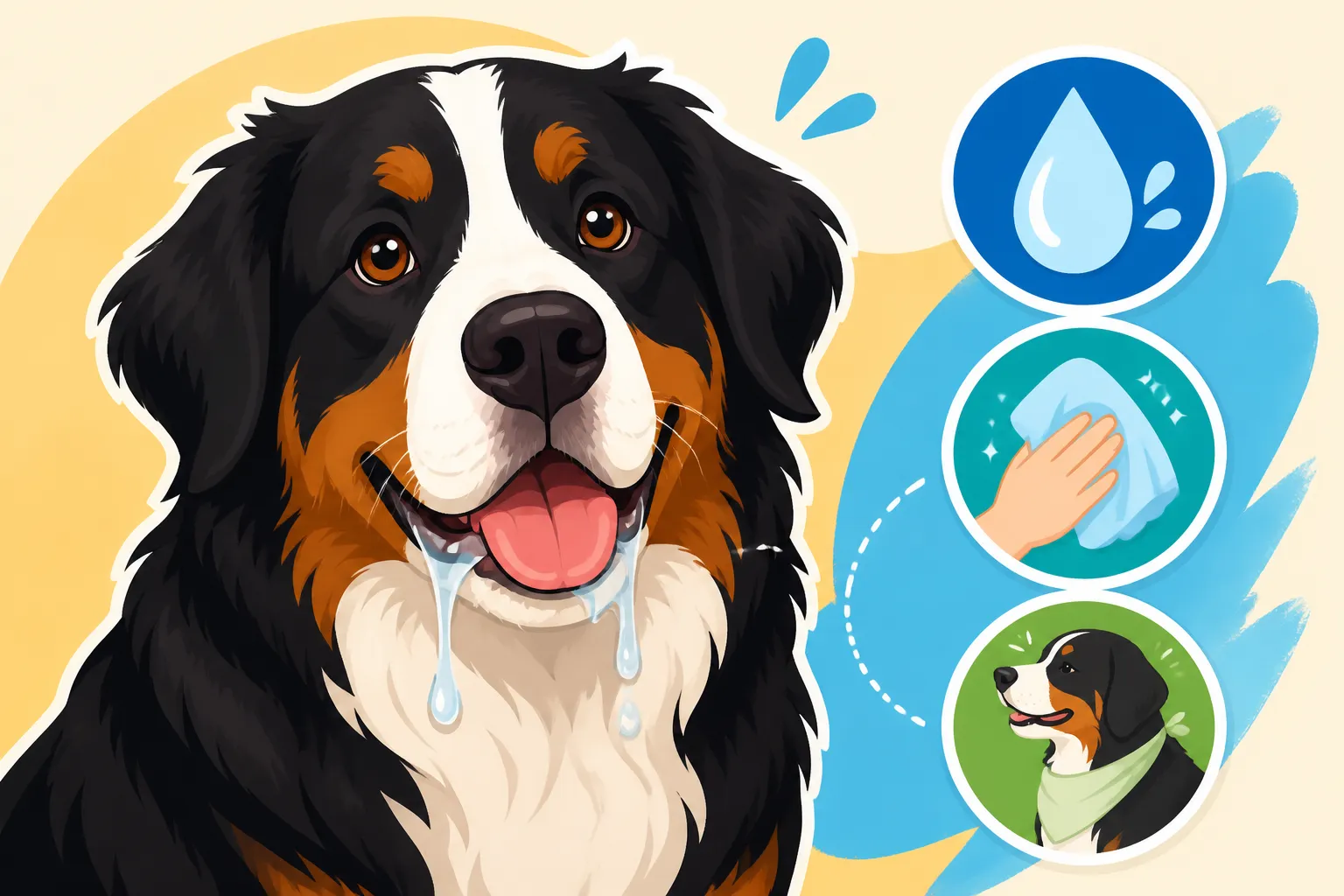
This might be the simplest yet most effective tip for any Bernese Mountain Dog owner: embrace the drool rag! Seriously, these are your best friends. We're talking about having a dedicated supply of absorbent cloths strategically placed throughout your home.
Think about your daily routine:
- Kitchen: Essential for post-meal drips and water bowl splashes. Keep a stack right by their food and water dishes.
- Entryways: Perfect for wiping down faces after a walk or before a greeting. No one wants to be slimed upon entry!
- Living room: Tuck one under a couch cushion or in a decorative basket for quick wipes when your Berner decides to lean on you (a common Berner trait we all adore, even if it leaves a damp patch!).
- Car: Absolutely essential for car rides. More on that in a moment!
What kind of rags? Old bath towels cut into smaller squares work perfectly. Microfiber cloths are also excellent for their absorbency. The key is to have them readily available, so you're not constantly searching when a drool event occurs. It sounds simple, but creating a habit of quick wipes can save a lot of cleanup later. For more on this, you might find Drool Towels in a Bernese Mountain Dog Household helpful.
Managing Drool During Meals and Water Breaks
Mealtimes and hydration are prime drool times. Those big gulps of water and enthusiastic eating can turn your floor into a slippery mess. But there are ways to mitigate the splash and drip.
Many owners opt for elevated food and water bowls. While the science around elevated feeders and bloat risk is complex and debated (it's best to discuss this with your vet, and check out Feeding a Bernese Mountain Dog Around Bloat Risk), they can certainly help keep the water from running down your Berner's chest and onto the floor. If the bowl is at a comfortable height, they may not slurp quite as awkwardly.
For water, specifically, consider "slopper stopper" bowls. These bowls have a floating disc that limits how much water your dog can access at once, which can dramatically reduce splashing and the amount of water that ends up on their jowls and then on your floor. Stainless steel bowls are always a good choice for hygiene, as they're easy to clean and sanitize. Placing a large, absorbent mat, like a bath mat or a dedicated pet feeding mat, under both food and water bowls is also a game-changer. It catches drips and crumbs, protecting your floor and making cleanup much easier. We personally have a few extra large mats that we swap out and throw in the wash weekly.
Keeping Your Home and Car Clean from Drool
The battle against drool isn't just about wiping faces; it's about protecting your living spaces. Your beautiful home and reliable car can quickly start looking a bit…loved by a Berner if you don't take precautions.
Protecting Furniture and Flooring
Your Bernese Mountain Dog probably thinks your couch is their couch, your bed is their bed, and really, your entire home is designed for their comfort. And with their size and charm, who are we to argue? But this shared space means shared drool.
For furniture: Invest in washable covers. Slipcovers for couches, throws, or even dedicated pet blankets can protect your upholstery from drool, dirt, and shedding hair. Choose materials that are durable and easy to toss in the washing machine. If your Berner has a favorite spot on the sofa, a thick, absorbent blanket can be your secret weapon. For their own beds, opt for orthopedic beds with removable, washable covers. This not only keeps things clean but also helps with joint support, which is so important for a large breed like a Berner.
For flooring: Hard floors (tile, laminate, sealed hardwood) are generally easier to clean drool from than carpet. A quick swipe with a damp mop or rag usually does the trick. If you have carpets, act quickly when drool spots appear. Blot, don't rub, and use a pet-safe enzymatic cleaner to break down the proteins in the saliva and prevent odors. In high-traffic Berner areas, consider washable rugs or runners that can be easily cleaned. If you're in the market for new flooring, you might want to read Flooring a Bernese Mountain Dog Household Replaces for some ideas.
Car Care and Travel with a Drooling Berner
Traveling with a Bernese Mountain Dog is an adventure, and it often involves a lot of slobber, especially if your Berner gets excited or a little carsick. Protecting your car's interior is paramount.
Car seat covers: These are a must-have. Look for heavy-duty, waterproof seat covers, often in a hammock style, that cover the entire back seat (or cargo area if your Berner rides there). Many options are available on marketplaces like Amazon or through pet supply stores like Chewy. They come with openings for seatbelts if you use a harness restraint, and some even have side flaps to protect the door panels when your Berner is getting in and out.
Window slobber protection: If your Berner loves to stick their head out the window (safely, of course, with proper restraint), expect slobber on the windows and potentially flung onto the outside of the car. Keep a dedicated drool rag in the car for wiping down windows and your Berner's face. Portable water bowls are also key for hydration on the go, as a thirsty Berner can become a very drooly Berner. If your Berner gets anxious or excited in the car, which can increase drooling, ensure they have a comfortable, secure space, perhaps a large crate if they are crate-trained. Good ventilation also helps, especially on warmer days, to reduce panting and subsequent drool.
Grooming and Hygiene to Minimize Drool Impact
Beyond wiping up the puddles, regular grooming and attention to your Berner’s oral hygiene can make a significant difference in managing drool and its associated messes.
Face and Mouth Cleaning Routines
This isn't just about aesthetics; it's about comfort and preventing skin issues. Your Bernese Mountain Dog's jowls can trap moisture and food particles, leading to irritation or even infections if not kept clean.
Aim for a daily or at least every-other-day wipe-down of your Berner's face, especially around their mouth and jowls. A simple damp cloth with warm water is often enough. For a deeper clean or if you notice any persistent stickiness or odor, you can use pet-safe, unscented wipes. Pay close attention to any folds in their skin, as these are prime spots for moisture and bacteria to accumulate. Gentle drying afterward is also important, especially for those thick-coated areas. This regular routine also makes your Berner more accustomed to having their face handled, which is crucial for vet visits and overall trust. Read Cleaning a Bernese Mountain Dog's Face Folds for more in-depth advice on this.
Dental Health and Its Role in Drooling
Believe it or not, your Berner's dental health can play a big part in how much they drool. Oral discomfort, gum disease, or even a loose tooth can all lead to increased salivation as your dog tries to soothe or dislodge whatever is bothering them.
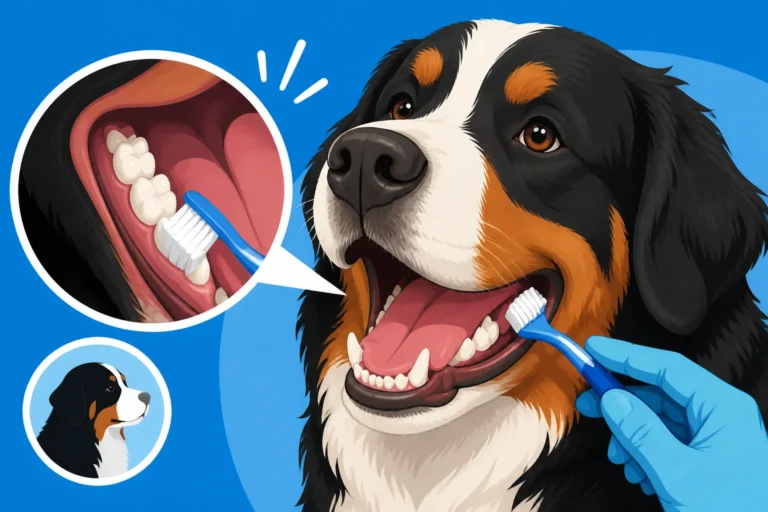
Regular dental check-ups are vital. Your vet can spot early signs of dental issues before they become painful problems. Between vet visits, aim for a consistent home dental care routine. Brushing your Bernese Mountain Dog's teeth several times a week with a dog-specific toothbrush and enzymatic toothpaste can prevent plaque and tartar buildup. Dental chews and toys designed to promote oral health can also help, though they are usually not a substitute for brushing. If you notice bad breath, visible tartar, red or bleeding gums, or any changes in how your Berner eats, it's time for a vet check-up. Addressing these issues can not only alleviate discomfort for your dog but also potentially reduce excessive drooling. For more comprehensive tips, see Tooth Care on a Bernese Mountain Dog.
Products and Tools for the Drool-Proof Home
Let’s talk gear! Having the right arsenal of products can turn the daunting task of drool management into a manageable part of your daily life with a Bernese Mountain Dog.
Essential Drool-Fighting Gear
When it comes to outfitting your home for a drool-prone Berner, it’s all about absorbency and easy cleaning.
- High-Quality Towels/Rags: As mentioned, microfiber cloths are fantastic because they soak up liquid so efficiently. Old terry cloth towels cut into smaller squares are also excellent and can be bought in bulk. Having a designated color for "dog towels" can help keep them separate from your human laundry!
- Specialized Water Bowls: Beyond elevated feeders, look for bowls specifically designed to minimize splash and drips. Some have inwardly curved rims, while others feature a floating disc that limits water access, forcing your dog to drink more slowly and preventing them from getting their entire muzzle soaked. You can find many options from brands like Chewy and Amazon, offering various designs to suit your Berner's drinking style and your home's aesthetic.
- Washable Covers and Throws: For furniture, look for heavy-duty, machine-washable fabrics. Many pet-specific covers are waterproof on one side, adding an extra layer of protection. These are lifesavers for keeping couches and dog beds clean.
Here's a quick comparison of some popular drool-management products:
| Product Type | Description | Pros | Cons |
|---|---|---|---|
| Absorbent Towels/Rags | Microfiber cloths, old bath towels, pet-specific drying towels. | Inexpensive, highly effective for quick wipes, multi-purpose. | Require frequent washing, can get misplaced easily. |
| Splash-Proof Water Bowls | Designs with floating discs or inwardly curved rims. | Significantly reduce splashing and drips around the water source. | Some dogs may be initially wary of the floating disc; require regular cleaning. |
| Waterproof Furniture Covers | Slipcovers, throws, or blankets with a waterproof layer. | Protect furniture from stains, easy to remove and wash. | Can sometimes shift around, may not match decor perfectly. |
| Enzymatic Cleaners | Pet-safe sprays that break down organic stains and odors. | Effective on dried drool, eliminates odor-causing bacteria. | May require multiple applications for stubborn stains, specific instructions for use. |
| Elevated Feeders | Food and water bowls raised off the ground. | Can reduce neck strain, may lessen water dripping from mouth directly. | Debate on bloat risk (consult vet), takes up more space. |
Cleaning Solutions and Stain Removers
Dried drool can leave unsightly marks and, let's be honest, a distinct odor. Having the right cleaning solutions on hand is key.
Enzymatic cleaners are a Bernese Mountain Dog owner's secret weapon. Unlike regular household cleaners that might just mask odors, enzymatic cleaners contain beneficial bacteria that literally "eat" the organic matter (like saliva proteins) causing the stain and odor. This is particularly important for carpet and upholstery, where drool can seep deep into fibers. Brands widely available through retailers like Chewy or Amazon often carry various pet-specific enzymatic cleaners that are safe for use around animals.
Always have a spray bottle of your chosen cleaner readily available for those fresh drool splatters. For quick wipes on hard surfaces, a gentle all-purpose cleaner is usually fine, but ensure it's non-toxic and safe if your Berner decides to lick the cleaned area. For floors, a good steam mop can be excellent for sanitizing and lifting dried drool without harsh chemicals.
When to Worry: Drool as a Symptom
While a certain amount of drool is par for the course with a Bernese Mountain Dog, sometimes excessive or unusual drooling can signal a problem. It’s important to know the difference.
Recognizing Abnormal Drooling
How do you know when it’s more than just a regular slobberfest? Keep an eye out for these red flags:
- Sudden Increase: If your Berner, who normally has manageable drool, suddenly starts drooling profusely and constantly, pay attention.
- Change in Consistency or Color: Normal drool is usually clear and somewhat thin. If it becomes thick, stringy, foamy, yellow, green, or contains blood, that's a definite cause for concern.
- Accompanying Symptoms: Is the drooling happening alongside other worrying signs? These could include:
- Lethargy or unusual tiredness.
- Difficulty eating or reluctance to chew on one side of their mouth.
- Paw-swiping at their mouth or face.
- Vomiting or excessive nausea.
- Swelling of the face or jaw.
- Bad breath that's worse than usual.
- Loss of appetite.
- Difficulty breathing or swallowing.
Any combination of these symptoms with increased drooling means it's time to take action. Remember, our stoic Berners can be masters at hiding discomfort, so any overt sign is usually a strong indicator that something is genuinely amiss.
Consulting Your Veterinarian
If you observe any of the abnormal drooling signs, or if you simply have a gut feeling that something isn't right, don't hesitate to contact your veterinarian. Early intervention can make a huge difference in managing potential health issues.
Your vet will likely perform a thorough oral examination to check for dental problems, foreign objects (like a stick or bone fragment lodged in the gums or between teeth), or growths. They might also check for signs of nausea, gastrointestinal upset, or even certain neurological conditions that can cause excessive drooling. In some cases, blood tests or other diagnostics might be recommended to rule out systemic issues or toxin exposure.
Think of it this way: your Bernese Mountain Dog is part of your family, and their health is paramount. While managing drool is a routine part of Berner ownership, distinguishing between normal slobber and a medical warning sign is a critical skill. Don't feel silly for calling your vet about drooling; it's always better to be safe than sorry when it comes to your beloved companion's well-being. Regular check-ups, like Seeing the Vet Twice a Year With a Berner, are essential for catching these kinds of issues early.
Living with a Bernese Mountain Dog is a truly rewarding experience, full of loyal companionship, gentle affection, and a healthy dose of charm. While the drool is definitely part of the package, it doesn't have to be an overwhelming challenge. By understanding why they drool, implementing smart management strategies, maintaining good hygiene, and knowing when to seek veterinary advice, you can ensure your home stays cleaner, and more importantly, your Berner stays happy and healthy. Embrace the slobber – it’s just another sign of their love!
Disclaimer
This article is for general informational purposes only and does not constitute professional advice. Laws, prices and regulations vary by location and change over time. Consult a qualified professional for guidance on your specific situation.