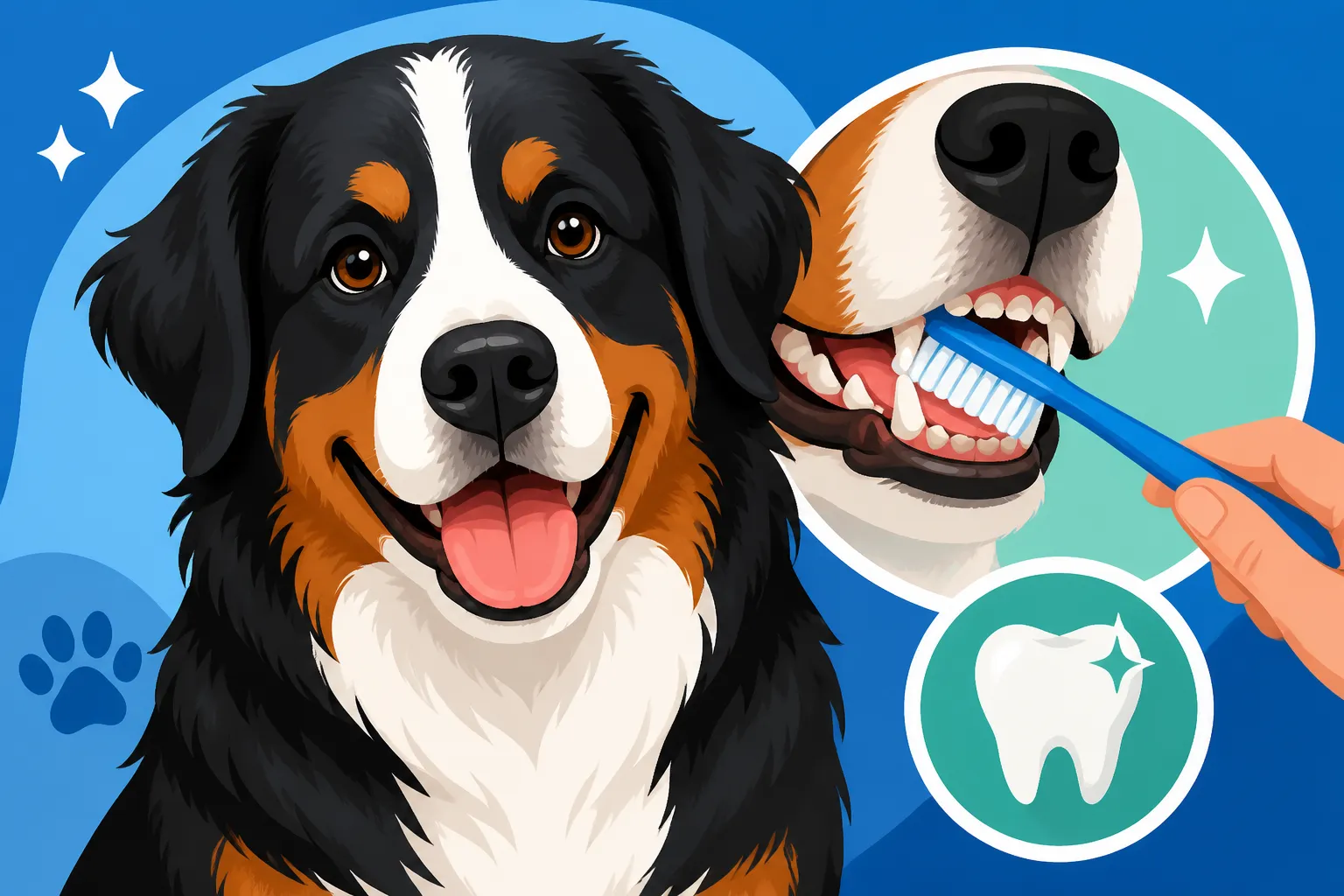
Tooth Care on a Bernese Mountain Dog
One of the trickiest parts of sharing your life with a beautiful Bernese Mountain Dog is making sure every part of them stays healthy and happy, and their teeth are often a forgotten battleground. It’s easy to overlook what’s going on inside that big, lovable mouth, especially when you’re wrestling with shedding or joint concerns, but dental disease can cause immense pain and lead to serious systemic health issues for your beloved companion. This guide will walk you through everything you need to know about keeping your Berner’s pearly whites in tip-top shape, from daily home care to professional interventions, ensuring they can keep flashing that happy smile for as long as possible.
Understanding Bernese Mountain Dog Dental Health Challenges
When we think about Bernese Mountain Dog health, common concerns like hip and elbow dysplasia, bloat, and cancer often come to mind first. These are certainly significant, but ignoring dental health is like ignoring a ticking time bomb. Our large, majestic Berners aren't exempt from dental problems; in fact, their size and genetics can present some unique challenges that owners need to be aware of.
Why Berners Face Unique Dental Issues
The sheer size of a Bernese Mountain Dog means they have a large mouth with equally large teeth, especially those powerful molars in the back. While this might seem like it would make them less prone to issues, it can actually contribute to problems. Their substantial jaws need to house a full set of teeth, and sometimes, even with ample space, crowding can occur, creating crevices where food particles and bacteria can hide. These hidden pockets become perfect breeding grounds for plaque and tartar buildup, often going unnoticed until the problem is well advanced.
Furthermore, Berners, like many large breeds, can be prone to certain health conditions that might indirectly affect their dental health. While there isn't one specific "Berner dental disease" widely recognized, their overall genetic predisposition to inflammatory conditions or immune-mediated issues could play a subtle role in how their bodies respond to the constant battle against oral bacteria. The truth is, many large breeds are less likely to have diligent owners cleaning their teeth simply because of the dog's size, and the thought of tackling a hundred-pound dog’s mouth can be daunting. But a proactive approach is crucial, especially since these dogs already face Why a Bernese Mountain Dog Lives Only Seven or Eight Years and we want their golden years to be as comfortable as possible.
Many owners focus on the more visible and dramatic health concerns, which is understandable. However, dental disease is insidious; it often progresses silently, causing discomfort and pain long before it manifests as something obvious. The high-quality dog food we carefully select, perhaps from a brand like Ollie, is essential for overall health, but even the best kibble won't scrub away plaque like a toothbrush will. Over time, that plaque hardens into tartar, a cement-like substance that adheres to the tooth surface and provides a rough terrain for more bacteria to cling to, exacerbating the problem.
Common Dental Problems Seen in the Breed
Just like in humans, plaque and tartar buildup are the primary culprits behind most dental woes in dogs, including Bernese Mountain Dogs. Plaque is a sticky film of bacteria that constantly forms on teeth. If not removed, it mineralizes into tartar (calculus), which is much harder and requires professional removal. The issue with tartar isn't just cosmetic; it provides a rough surface for more bacteria to accumulate, leading to inflammation of the gums, known as gingivitis. You might notice your Berner's gums looking a little red, especially around the gum line, or even bleeding slightly when they chew on a harder toy. This is the first alarm bell.
If gingivitis isn't addressed, it progresses to periodontal disease, a much more serious condition. This is where the infection moves beyond the gums to affect the deeper supporting structures of the teeth, including the bone. The gums can recede, exposing tooth roots, and pockets form between the teeth and gums, filling with bacteria and pus. This is incredibly painful and can lead to tooth loss. Imagine how uncomfortable that would be for a dog that loves to chew and carry things! Advanced periodontal disease can also open the door to other systemic health issues, as bacteria from the mouth can enter the bloodstream and travel to vital organs like the heart, kidneys, and liver, potentially contributing to more severe problems down the line. It's a silent threat that can significantly impact a Berner's quality of life. Owners really need to pay attention, especially as their Berner ages, because a dog can often Whether a Bernese Mountain Dog Hides Discomfort incredibly well.
Beyond plaque and periodontal disease, Bernese Mountain Dogs can also experience other dental problems. Fractured teeth, for instance, can occur if they chew on inappropriate or excessively hard items like rocks, deer antlers, or certain types of bones. A fractured tooth is not only painful but also creates a direct pathway for bacteria into the pulp, leading to infection and abscesses. Sometimes, especially in younger Berners, deciduous (puppy) teeth might not fall out as they should, leading to overcrowding and malocclusion, which in turn can trap food and accelerate plaque formation. These retained baby teeth need to be extracted by a vet to prevent future complications. Being aware of these common issues helps you be a more vigilant advocate for your Berner's oral health.
The Foundation of Good Oral Hygiene: Daily Brushing
When it comes to maintaining your Bernese Mountain Dog's oral health, there's one activity that stands head and shoulders above all others: daily tooth brushing. This isn't just a recommendation; it's the gold standard for preventing plaque and tartar buildup and the subsequent development of periodontal disease. I know, the thought of brushing the teeth of a large, sometimes stubborn, dog can seem overwhelming, but with the right tools and a patient approach, it's absolutely achievable and makes a world of difference.
Tools and Techniques for Brushing a Berner's Teeth
First things first, you need the right arsenal. Forget your own toothbrush and human toothpaste – these are entirely unsuitable and potentially harmful for your dog. You’ll need a dog-specific toothbrush, which often comes in a few styles: a finger brush that slips over your finger, a toothbrush with a long handle and angled head, or a dual-ended brush with different sized heads. For a large Berner, a long-handled brush might give you better reach, especially for those back molars. Many owners find a finger brush great for getting puppies used to the sensation.
Next, choose a dog-specific enzymatic toothpaste. These come in flavors dogs adore, like chicken, beef, or peanut butter, and are formulated to be safely swallowed. The enzymes in them also help break down plaque, adding an extra layer of defense. You can find a fantastic selection of these brushes and toothpastes readily available on platforms like Chewy, making it easy to stock up on quality dental supplies.
Once you have your tools, the technique is key. Start by lifting your Berner's lip to expose the outer surfaces of their teeth and gums. This is where most plaque accumulates. Hold the brush at a 45-degree angle to the gum line, ensuring the bristles gently massage both the teeth and the gums. Use small, circular motions, focusing on a few teeth at a time before moving on. Don't forget the canines and the big molars at the back of the mouth, as these are critical areas. While it's ideal to brush both the outer and inner surfaces, if you can only manage the outer surfaces, that's still a huge win, as most dental disease starts there. Aim for at least 30 seconds per side, working up to a couple of minutes total.
Starting Early: Training Your Bernese Mountain Dog Puppy
The absolute best time to start any kind of handling, including tooth care, is when your Bernese Mountain Dog is a puppy. Puppies are generally more amenable to new experiences, and establishing a positive routine early on can save you a lot of hassle down the road. Begin by simply touching their muzzle and lips gently. Praise them, give a small, high-value treat. Gradually, introduce a finger brush or even just your finger with a dab of dog toothpaste, letting them lick it off. The goal is to make it a pleasant, non-threatening experience. The Weekly Handling a Bernese Mountain Dog Should Accept is a crucial foundation for this kind of routine.
As they become comfortable with your fingers in their mouth, you can slowly introduce the actual toothbrush. Don't expect perfection from day one. Your first few sessions might just involve touching the brush to one or two teeth for a few seconds. Always keep it positive, short, and reward-filled. End on a good note, even if it’s just a quick brush. Building this habit slowly and gently during puppyhood lays the groundwork for a lifetime of easier dental care. Remember, consistency is far more important than intensity when you're just starting out.
Even if you have an adult Bernese Mountain Dog who hasn't been introduced to brushing, it's never too late to start. The process will require even more patience and smaller, incremental steps. Begin with just handling their muzzle, then introducing the taste of the toothpaste from your finger. Gradually progress to a finger brush, then a toothbrush. Be prepared for it to take weeks, or even months, to reach a point where you can comfortably brush their teeth. If your adult Berner shows any signs of pain or aggression, stop immediately and consult your veterinarian. There might be an underlying dental issue that needs professional attention before you can proceed with home brushing. Every little bit of consistent effort you put in contributes significantly to their overall health and comfort, making a real impact on their long-term well-being.
Beyond Brushing: Other Home Care Strategies
While daily brushing is undeniably the MVP of dental care for your Bernese Mountain Dog, it's not the only tool in your arsenal. Many other products and strategies can complement brushing, helping to reduce plaque and tartar, and keeping your Berner’s mouth healthier. Think of these as supporting players that work alongside the star performer – your toothbrush.
Dental Chews and Toys: Are They Effective?
Dental chews can be a great addition to your Berner’s oral hygiene routine, but it's important to understand their role. They work in a couple of ways: some have a textured surface that physically scrapes plaque off the teeth as your dog chews, while others contain ingredients that chemically reduce plaque and tartar buildup or freshen breath. Many brands are vet-approved and carry the Veterinary Oral Health Council (VOHC) seal, which indicates they have met specific standards for plaque and/or tartar control. When selecting dental chews, always choose ones appropriate for your Berner's size and chewing style to prevent choking or gastrointestinal upset. You can find a huge variety of VOHC-approved chews, bones, and toys on popular sites like Amazon, making it easy to compare and select the best options.
However, a crucial point to remember is that dental chews are not a substitute for brushing. They are generally most effective on the front teeth and less so on the molars, where a lot of the problematic plaque accumulates. They also add calories to your dog's diet, so be mindful of their intake to prevent unwanted weight gain, especially for a large breed like a Berner where Whether a Bernese Mountain Dog's Weight Shortens Its Life is a concern. Always supervise your Berner when they're enjoying a dental chew to ensure they chew safely and don't try to swallow large pieces.
Beyond edible chews, certain non-edible chew toys can also contribute to dental health by providing a safe outlet for chewing. Durable rubber toys, such as those from Kong, or specific dental-focused nylon chews, can help clean teeth through abrasive action. However, be extremely cautious with very hard items like real bones, antlers, or ice cubes. While seemingly natural, these can be so hard that they can fracture your Berner's powerful teeth, leading to painful and expensive emergencies. Always opt for chew toys that have some give and won't splinter or break your dog's teeth. If you're unsure, ask your vet for recommendations on safe chew options.
Water Additives and Oral Rinses: A Supporting Role
Water additives are liquid solutions that you simply add to your Bernese Mountain Dog's drinking water. These products typically contain ingredients that help to reduce bacteria in the mouth, inhibit plaque formation, and often freshen breath. They offer a hands-off approach to dental care, which can be appealing for owners whose Berners resist brushing. The downside is that their effectiveness can vary, and they are generally considered to be a supportive measure rather than a primary method of plaque control. You also need to ensure your Berner actually drinks the treated water; some picky dogs might detect the additive and refuse to drink, which defeats the purpose entirely.
Oral rinses or gels are another option. These products are applied directly to your Berner's teeth and gums, usually with a finger or a soft applicator. They often contain antiseptic ingredients that help kill bacteria and reduce inflammation. Rinses can be particularly useful for targeting specific areas of concern, such as inflamed gums, or for dogs that tolerate a quick application more readily than a full brushing session. However, like water additives, they work best as a supplement to brushing rather than a replacement. They require direct application, which some Berners might tolerate better than others.
Finally, specific dental diets are available, often prescribed by veterinarians, that are designed to help clean teeth as your dog eats. These kibbles usually have a larger, more fibrous texture that mechanically scrapes the tooth surface upon chewing. Some also contain ingredients that prevent tartar formation. These diets can be highly effective, especially for dogs prone to rapid plaque buildup. While fresh food brands like Ollie focus on high-quality, whole ingredients, they typically don't offer specific dental formulas with the same mechanical scrubbing action as prescription dental kibbles. If you're considering a dental diet, it's always best to consult with your veterinarian to see if it's appropriate for your Bernese Mountain Dog's specific needs and overall health profile, as it could be part of a comprehensive strategy.
Professional Dental Care: When and Why it's Essential
Even with the most diligent home care routine, professional dental care remains an indispensable part of your Bernese Mountain Dog's overall health strategy. Just like we visit the dentist for cleanings and check-ups, our canine companions need similar attention from their veterinarians. These professional interventions can catch issues early, address existing problems, and ensure a deeper level of oral health that simply isn't possible at home.
The Importance of Regular Veterinary Check-ups
Your Bernese Mountain Dog's annual veterinary check-up isn't just for vaccines and a general health assessment; it's also a critical opportunity for a thorough oral examination. During these visits, your vet will perform a visual inspection of your Berner's mouth, checking for signs of plaque and tartar buildup, gingivitis, broken teeth, masses, or any other abnormalities. They'll also assess for any bad breath that might indicate underlying issues. This visual exam is your first line of defense, helping to catch early signs of dental disease before it progresses to a more painful and serious stage. What a Bernese Mountain Dog Checkup Includes After Five often highlights the importance of comprehensive exams as they age, and dental health is a significant part of that.
Beyond the physical examination, these appointments are a chance to discuss your home care routine with your vet. You can talk about the effectiveness of your brushing efforts, ask for advice on dental chews or water additives, and express any concerns you might have noticed, such as changes in your Berner's chewing habits or reluctance to eat. Your vet can offer tailored recommendations based on your dog's specific needs and oral health status, helping you refine your home care strategy. They might also suggest specific dental products that they've seen positive results with in other patients.
It’s important to understand that what your vet can see during a conscious oral exam is limited. Much of the significant dental disease, particularly periodontal disease, occurs below the gum line where it's invisible to the naked eye. This is why a regular visual check-up, while helpful for early detection, often leads to a recommendation for a professional dental cleaning under anesthesia, which allows for a much more comprehensive assessment and treatment of hidden issues. Think of it like an iceberg – the plaque you see is just the tip, and there's often much more going on beneath the surface.
Understanding Professional Dental Cleanings and Anesthesia
A professional dental cleaning, often referred to as a dental prophylaxis or simply a "dental," is a crucial procedure for maintaining your Bernese Mountain Dog's oral health. Unlike a conscious exam, a professional dental cleaning requires general anesthesia. This is because a thorough cleaning involves scaling the teeth above and below the gum line to remove all plaque and tartar, polishing the teeth to smooth out microscopic scratches where plaque can adhere, and performing a detailed examination of each tooth and the surrounding gum tissue. It also allows for dental X-rays to assess the health of the tooth roots and supporting bone structure, which is vital for detecting issues like abscesses or bone loss that are invisible otherwise. Any necessary extractions of diseased or fractured teeth are also performed during this time, ensuring your Berner's mouth is completely free of pain and infection.
Naturally, the word "anesthesia" can cause anxiety for any pet owner, especially when it comes to a large breed like a Bernese Mountain Dog. Concerns about Putting a Hundred Pound Bernese Mountain Dog Under are completely valid. However, veterinary medicine has made huge advancements in anesthetic safety. Before any procedure, your vet will typically recommend pre-anesthetic bloodwork to assess your Berner's organ function and overall health, ensuring they are good candidates for anesthesia. During the procedure, your Berner will be closely monitored by trained veterinary staff, with vital signs like heart rate, breathing, blood pressure, and oxygen saturation continuously tracked. Intravenous fluids are also typically administered to help maintain blood pressure and support organ function throughout the anesthesia.
The benefits of a professional dental cleaning almost always outweigh the risks of anesthesia when performed by a skilled veterinary team. Untreated dental disease is not only a source of chronic pain and infection for your Berner but can also have severe systemic consequences. The bacteria from the mouth can spread to the heart, kidneys, and liver, potentially causing or exacerbating other serious health conditions. By addressing dental disease proactively through professional cleanings, you're not just improving your Berner's oral health; you're safeguarding their overall well-being and contributing to a longer, healthier life. Discuss any concerns you have with your vet; they can walk you through the safety protocols and help you make an informed decision for your beloved companion.
Spotting Trouble: Signs of Dental Disease in Your Berner
As much as we wish our Bernese Mountain Dogs could tell us when something hurts, they often suffer in silence, especially with chronic pain like that caused by dental disease. It's up to us, their devoted owners, to be vigilant and recognize the subtle clues that might indicate a problem. Knowing what to look for can help you intervene early, preventing unnecessary suffering and more complex, expensive treatments down the road.
Recognising the Early Warning Signs
One of the most common, yet frequently ignored, early warning signs of dental disease in dogs is bad breath, or halitosis. Many owners simply assume "dog breath" is normal, but a strong, foul odor is actually a clear indicator of bacterial overgrowth in the mouth, usually due to plaque and tartar accumulation. If your Bernese Mountain Dog's breath smells noticeably offensive, it's a strong signal that it's time for a closer look and likely a trip to the vet. This isn't just a cosmetic issue; it's a biological alarm bell.
Beyond the smell, you can often see physical changes in your Berner's mouth. Look for red, swollen, or bleeding gums, particularly along the gum line where the tooth meets the gum tissue. Healthy gums should be a pale pink (though some Berners may have naturally pigmented gums), firm, and should not bleed. You might also notice a yellow or brown accumulation of tartar on the surface of their teeth. This is especially visible on the canines and the outside surfaces of the molars. Don't be fooled if the front teeth look clean; the back teeth are often where the most severe problems are hiding, as they are harder to clean and bear the brunt of chewing.
Subtle changes in your Berner's eating habits can also be an early indicator of dental discomfort. They might suddenly prefer softer foods, chew on one side of their mouth, drop food frequently while eating, or even become slower to finish their meals. While these signs can also point to other health issues, dental pain is a very common reason for such behavioral shifts. If your typically enthusiastic eater suddenly seems hesitant, it's worth investigating their mouth. Paying close attention to these seemingly minor changes can make a huge difference in catching problems early and avoiding the progression of something more serious like Gum Disease in an Older Bernese Mountain Dog.
Advanced Symptoms and Their Implications
As dental disease progresses, the symptoms often become more pronounced and indicative of significant pain and infection. You might observe loose or missing teeth, which is a clear sign that the supporting structures have been severely compromised by periodontal disease. Pus around the gum line or teeth is another alarming symptom, indicating an active infection. In some cases, a severe infection can lead to a facial swelling, often below the eye, which is usually indicative of a tooth root abscess. This is an extremely painful condition and requires immediate veterinary attention.
Your Bernese Mountain Dog might also become noticeably more sensitive to touch around their mouth or head. They might flinch or even snap when you try to examine their teeth, which is completely out of character for their usually gentle disposition. A reluctance to play with their favorite chew toys or even to engage in tug-of-war can also signal oral pain. In severe cases, they might exhibit lethargy, reduced appetite, and overall malaise due to the chronic infection and pain. Screening an Older Bernese Mountain Dog often includes a thorough dental check, precisely because these issues become more prevalent and impactful with age.
The implications of advanced dental disease extend far beyond the mouth. The constant presence of bacteria and inflammation can lead to systemic health problems. Bacteria from severe oral infections can enter the bloodstream and travel to distant organs, potentially affecting the heart (leading to endocarditis), kidneys, and liver. While dental disease might not be listed as a primary cause in What Ends a Bernese Mountain Dog's Life, it can certainly contribute to the decline of overall health and exacerbate other chronic conditions, significantly impacting your Berner's quality of life and potentially shortening their lifespan. Therefore, recognizing these advanced symptoms is not just about alleviating pain; it's about protecting your Bernese Mountain Dog's entire body from the silent but dangerous assault of oral infection.
Prevention is Key: Long-Term Strategies for a Healthy Mouth
Successfully maintaining your Bernese Mountain Dog's dental health is a marathon, not a sprint. It requires a holistic approach that integrates daily home care with professional veterinary oversight, all supported by general good health practices. Think of it as building a robust defense system for their mouth, designed to last throughout their precious years.
Diet, Exercise, and General Health
A well-balanced, high-quality diet forms the bedrock of your Bernese Mountain Dog’s overall health, and this extends to their oral health as well. While specific dental formulas can be beneficial, a nutritionally complete diet provides the essential vitamins and minerals needed for strong teeth and healthy gum tissue. Avoiding diets high in fermentable carbohydrates (sugars) can also help, as these provide an easy food source for plaque-forming bacteria. If you are considering a fresh food diet like what Ollie offers, discuss with your vet how to ensure your Berner still gets some abrasive action or complementary dental care to prevent plaque buildup, as fresh foods generally lack the scrubbing texture of kibble.
Maintaining a healthy weight is another critical component. An overweight Bernese Mountain Dog not only puts extra strain on their joints, but also faces an increased risk of inflammatory conditions and a compromised immune system. A healthy immune system is better equipped to fight off the bacterial infections that cause gingivitis and periodontal disease. Regular exercise, appropriate for your Berner's age and joint health, supports overall fitness and can even encourage healthy chewing behavior (with appropriate toys, of course). Feeding an Adult Bernese Mountain Dog Safely is about more than just calories; it’s about providing the right nutrients to support every bodily function, including oral health.
Furthermore, minimizing stress and ensuring your Bernese Mountain Dog leads a generally healthy lifestyle contributes to their overall resilience. A healthy dog is better able to resist disease, including oral infections. Ensure they have access to plenty of fresh water, which helps rinse away food particles and bacteria. By focusing on these fundamental aspects of general well-being, you create an environment where their dental health can thrive, rather than just reactively addressing problems as they arise.
Consistency and Commitment
Ultimately, the most powerful tool in your long-term dental care strategy is unwavering consistency and commitment. There are no shortcuts or magic pills when it comes to preventing plaque and tartar. Daily tooth brushing, even if it's just for a minute or two, makes a monumental difference over time. It’s the regular, mechanical disruption of the bacterial film that prevents it from hardening into tartar and wreaking havoc on their gums and teeth. Skipping days or weeks allows plaque to set in, making your efforts less effective. It's an investment of a small amount of time each day that pays dividends in your Berner's comfort and health.
Regular veterinary check-ups are equally non-negotiable. These appointments provide professional oversight, allowing your vet to monitor your Berner’s oral health, recommend professional cleanings when necessary, and intervene early if problems are detected. Don't wait until you notice a severe problem; make dental health a proactive conversation at every annual visit. Remember, The Two Years a Bernese Mountain Dog Costs Most can often include significant dental work if proactive care has been neglected, making prevention both healthier for your dog and easier on your wallet.
Embracing this consistent, multi-faceted approach ensures that your Bernese Mountain Dog enjoys a healthy mouth, free from pain and infection. A healthy mouth contributes significantly to their overall quality of life, allowing them to eat comfortably, play joyfully, and simply be the magnificent, happy companions they've always been. For a breed that already has a shorter lifespan than many others, like The Average Age a Bernese Mountain Dog Reaches, every effort we make to enhance their comfort and well-being is incredibly valuable. Your dedication to their dental care is a testament to the love and commitment you have for your Berner, helping them live their best possible life.
| Method | Description | Pros | Cons |
|---|---|---|---|
| Daily Brushing | Manual removal of plaque and food debris with a dog-specific toothbrush and enzymatic toothpaste. | Most effective method for preventing plaque and tartar buildup; targets the gum line. | Requires daily commitment and cooperation from the dog; can be challenging with reluctant dogs. |
| Dental Chews | Edible chews designed to mechanically scrape teeth or release plaque-reducing ingredients. | Dogs usually enjoy them; provides some abrasive action; can help freshen breath. | Not a substitute for brushing; can be high in calories; some are too hard and risk tooth fracture; less effective on back molars. |
| Water Additives | Liquid added to drinking water that helps reduce bacteria and inhibit plaque formation. | Very easy to use; passive method; some help with breath. | Less effective than brushing; dog may refuse to drink treated water; results can vary widely. |
| Dental Diets | Specially formulated kibbles with a unique texture or ingredients to clean teeth as the dog chews. | Works while the dog eats; consistent action. | Can be more expensive; may not suit all dietary needs or preferences; not as thorough as brushing for severe issues. |
| Oral Rinses/Gels | Antiseptic solutions applied directly to teeth and gums to kill bacteria and reduce inflammation. | Targeted action for specific areas of concern; can be easier for some dogs than full brushing. | Can be messy; requires direct application which some dogs resist; primarily a supplemental tool. |
| Professional Cleaning | Full dental examination, scaling, polishing, and X-rays performed by a vet under general anesthesia. | Thoroughly removes all plaque and tartar, including below the gum line; detects hidden problems; addresses existing disease. | Requires general anesthesia, which carries inherent (though usually low) risks; typically more costly than home care. |
Disclaimer
This article is for general informational purposes only and does not constitute professional advice. Laws, prices and regulations vary by location and change over time. Consult a qualified professional for guidance on your specific situation.