What a Bernese Mountain Dog Needs Once It Slows
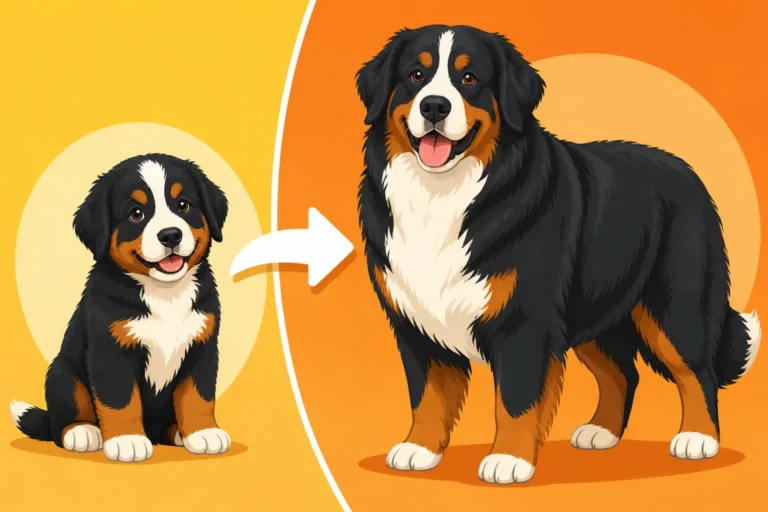
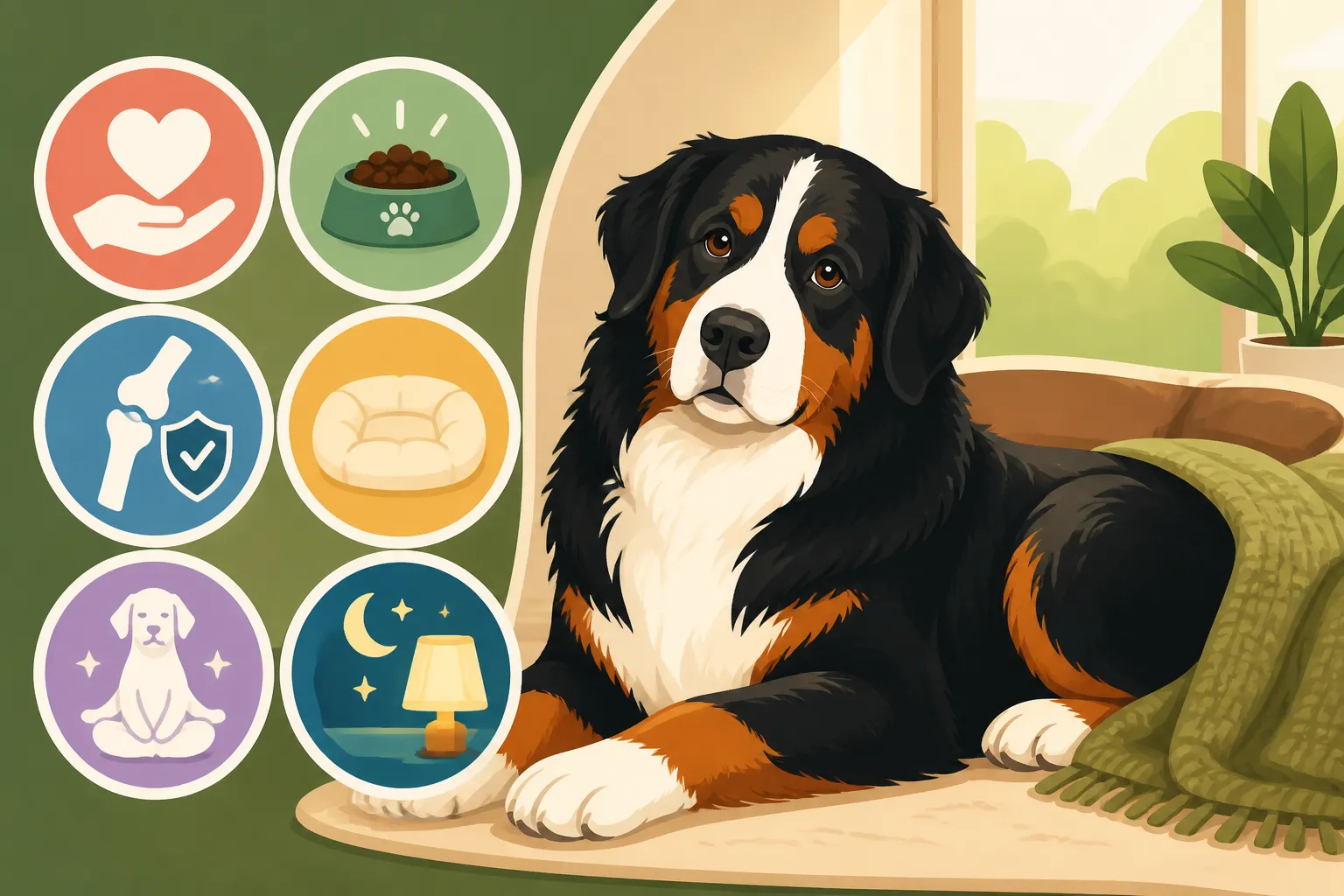
It's a bittersweet milestone when your majestic Bernese Mountain Dog, once a playful bundle of energy, starts to slow down. Many of us grapple with how to best support our beloved companions as their youthful exuberance gives way to a more sedate pace, and this guide is here to walk you through the practical and emotional adjustments necessary to ensure their comfort and happiness in their golden years.
Recognizing the Subtle Shifts in an Aging Bernese Mountain Dog
One of the hardest things about our Bernese Mountain Dogs is that they often age faster than we'd like. It feels like just yesterday they were bouncing through the snow, and suddenly, you notice a subtle change. Identifying these early signs of aging is crucial because it allows you to intervene sooner and make adjustments that significantly improve their quality of life. It’s not about finding fault, but about being attuned to their needs.
Early Behavioral and Physical Cues
Your Bernese Mountain Dog might not suddenly wake up one morning completely different, but rather show gradual changes. You might notice they're a little less enthusiastic about their morning walk, or they take longer to get up from a nap. Maybe they used to greet you at the door with a full body wag and now it's a more subdued tail thump from their bed. These aren't necessarily signs of a problem, but indicators that their body and mind are evolving. They might be spending more time sleeping, or seeking out quieter spots in the house.
Physically, pay close attention to their movement. Is there a stiffness when they first stand up? Do they hesitate before jumping into the car or climbing stairs, tasks that were once second nature? Sometimes you'll even notice subtle changes in their gait, a slight hitch in their step, or a tendency to shuffle their feet rather than pick them up cleanly. Their once vibrant coat might start to thin or become coarser in places, and some develop graying around the muzzle and eyes. These are all natural parts of the aging process, but they're important signals that your dog's physical capabilities are shifting.
Differentiating Normal Aging from Health Concerns
It’s easy to dismiss these changes as "just old age," but it's important to be vigilant. While a little stiffness is common, a sudden lameness or inability to bear weight could indicate a more serious underlying issue like arthritis or even something like Histiocytic Sarcoma in a Bernese Mountain Dog. The challenge lies in knowing when a symptom is normal aging and when it warrants a trip to the vet. For instance, increased thirst can be benign, or it could be a sign of kidney issues. A slight loss of appetite might be normal for a less active dog, but a complete refusal to eat is definitely a red flag.
A good rule of thumb is to consider the severity and duration of the change. Is it consistent? Is it getting worse? If your Bernese Mountain Dog is constantly panting without exertion, struggling to breathe, or showing signs of pain like whimpering or reluctance to be touched, these are not just "old age" symptoms. They could indicate serious problems such as heart conditions, a mass, or severe joint pain that requires immediate veterinary attention. Keeping a journal of these changes can be incredibly helpful when discussing them with your vet, providing concrete examples of your dog's behavior over time rather than vague recollections.
Adjusting Their Environment for Comfort and Safety
As your Bernese Mountain Dog ages, their world can become more challenging. What was once easy – jumping onto the couch, navigating slippery floors – can become difficult or even dangerous. Creating a safe, comfortable, and accessible environment is one of the most impactful ways you can support them, showing them that even as their abilities change, your home remains their sanctuary.
Making Your Home Senior-Friendly
Think about your home from your Bernese Mountain Dog's perspective. Are there slippery hardwood floors or tiles that could cause them to lose their footing and injure themselves? Runners, throw rugs (with non-slip backing!), or even carpet squares can make a huge difference in traction, especially in high-traffic areas or on paths to their favorite resting spots. For dogs struggling with their back legs, a small slip can lead to a fall that takes weeks to recover from, or worse. Runners and Rugs for a Bernese Mountain Dog That Slips can be a game-changer.
Consider access to their favorite places. If your dog loves the couch but struggles to jump, a sturdy ramp or a set of pet stairs can prevent strain on their joints. The same goes for getting into your car; a ramp for the back of your SUV can save their hips and your back. Think about their water and food bowls. Elevated bowls can sometimes make eating and drinking more comfortable, reducing strain on their neck and back, although it's worth noting some debate exists on elevated bowls and bloat risk for deep-chested breeds. If they're showing signs of incontinence, waterproof bedding covers and easily washable blankets become essential, saving your furniture and their dignity.
Choosing the Right Bedding and Resting Spots
A good bed isn't just a luxury for an aging Bernese Mountain Dog; it's a necessity. Their joints, particularly their hips and elbows, have carried a lot of weight over the years, and a hard floor offers no relief. Look for orthopedic beds with dense, supportive foam that cradles their body and distributes their weight evenly. Memory foam or gel-infused foam can be particularly beneficial. Brands available on sites like Chewy or Amazon offer a wide range of options designed specifically for large, heavy breeds like Berners, so you can find one that fits their size and your budget.
Place these beds in quiet, warm, draft-free areas where your dog feels secure and can easily access them without having to climb stairs or navigate obstacles. If they have favorite spots in the house, try to make those areas as comfortable as possible. Perhaps they love lying by a sunny window; ensure there’s a plush mat there for them. If they have trouble standing after a long rest, consider a bed that's slightly raised off the floor, making it easier for them to leverage themselves up. The goal is to minimize discomfort and maximize their ability to rest peacefully, which is vital for their overall well-being. Bedding for an Arthritic Bernese Mountain Dog can help you make the best choice.
Nutritional Adjustments and Hydration
As your Bernese Mountain Dog moves into their senior years, their metabolism and nutritional needs shift. They might be less active, requiring fewer calories, but their bodies also need specific support to combat age-related issues like joint degradation and muscle loss. Paying close attention to what and how they eat is paramount.
Tailoring Their Diet to Senior Needs
Many commercial dog food brands offer formulas specifically designed for senior dogs. These diets often have a slightly lower calorie count to prevent weight gain (a major contributor to joint issues), and are fortified with ingredients like glucosamine and chondroitin for joint support, and omega-3 fatty acids for skin, coat, and cognitive health. Protein levels are usually maintained to help prevent muscle wastage, which can occur as dogs age. However, some senior formulas might be lower in protein if a dog has kidney issues, so always consult your vet.
It's not just about what's in the bag; it's about how much. Your once ravenous Berner might now only need a portion of what they ate in their prime. Overfeeding an older dog can quickly lead to excess weight, putting undue stress on already challenged joints. Regularly assess your dog's body condition – you should be able to feel their ribs easily without seeing them prominently, and they should have a discernible waist. If you're unsure, ask your vet or a trusted breeder for guidance. Services like Ollie, which offer customized fresh food plans, can be excellent for senior dogs, tailoring ingredients and portion sizes to their exact needs.
Supporting Hydration and Appetite
Older Bernese Mountain Dogs, especially those with conditions like kidney disease, need to stay well-hydrated. Ensure fresh water is always available in multiple locations throughout your home, perhaps closer to their resting spots so they don't have to travel far. Some dogs prefer filtered water, while others might be enticed by a pet drinking fountain, which keeps the water moving and aerated. If your dog isn't drinking enough, you can try adding a little water to their food or offering low-sodium broths as a treat.
Appetite can sometimes wane in older dogs due to decreased sense of smell, dental issues, or underlying health problems. If your Berner is suddenly picky, try warming their wet food slightly to enhance the aroma, or adding a small amount of palatable, vet-approved toppers like boiled chicken or sardines. If dental pain is suspected, softer foods or kibble moistened with water can make eating more comfortable. Persistent lack of appetite, however, is always a signal to check in with your veterinarian, as it can indicate significant health issues that need attention. Feeding an Adult Bernese Mountain Dog Safely is a good resource for understanding these transitions.
Managing Mobility and Exercise
Keeping your Bernese Mountain Dog moving is crucial for their physical and mental health, even as they slow down. While the days of long, strenuous hikes might be behind them, appropriate exercise helps maintain muscle mass, flexibility, and a healthy weight, all of which contribute to their comfort and longevity.
Gentle Exercise and Activity Modifications
Forget the notion that older dogs don't need exercise. Instead, think "modified and gentle." Shorter, more frequent walks are often much better than one long excursion. Instead of a brisk two-mile power walk, consider two or three leisurely half-mile strolls throughout the day. These walks should be on soft, even surfaces like grass or dirt trails, avoiding hard pavement that can be jarring on sensitive joints. Exercising a Bernese Mountain Dog in Summer might involve only early mornings or late evenings when temperatures are cooler.
Mental stimulation is just as important. Continue to engage them with puzzle toys, gentle training sessions, or scent work. A senior dog can still enjoy learning new, simple tricks or reinforcing old ones, which keeps their mind sharp and strengthens your bond. Swimming, if accessible and your dog enjoys it, can be an excellent low-impact exercise that works muscles without stressing joints. Always observe your dog for signs of fatigue or pain, and never push them beyond their comfort level. A slight limp after a walk is a sign you've done too much; the goal is to keep them moving without pain.
Tools and Therapies for Support
There's a wonderful array of tools and therapies available today to support an aging Bernese Mountain Dog's mobility. Harnesses, especially those with handles over the hips or chest, can provide assistance when they're getting up, going up stairs, or need a little help stabilizing themselves on walks. These are especially valuable for dogs with conditions like Living With a Bernese Mountain Dog Losing Its Back Legs. Mobility slings can offer similar support for shorter periods or during transfers.
For dogs with more significant joint issues, veterinary physical therapy and rehabilitation can be incredibly beneficial. This might include hydrotherapy (underwater treadmill or swimming), therapeutic exercises, massage, and even laser therapy to reduce inflammation and pain. Many vets also recommend joint supplements like glucosamine, chondroitin, and MSM, often combined with omega-3 fatty acids, to help maintain cartilage health and reduce inflammation. Always discuss these options with your veterinarian to create a tailored plan that's right for your individual dog. A cart for a Bernese Mountain Dog losing its legs is another fantastic option to maintain their independence and joy in movement.
Prioritizing Regular Veterinary Care
As our Bernese Mountain Dogs mature, regular veterinary check-ups become even more critical. Their shorter lifespan means that changes can happen quickly, and what seems minor can sometimes be an early indicator of a serious condition. Being proactive with their healthcare is one of the greatest gifts you can give them.
Comprehensive Senior Check-ups
For senior Bernese Mountain Dogs, annual veterinary visits are simply not enough. Most veterinarians recommend twice-yearly check-ups for older dogs, often starting around age six or seven for a giant breed like the Berner. These appointments are more comprehensive than standard annual exams. Your vet will perform a thorough physical examination, paying extra attention to joint mobility, muscle tone, dental health, and any lumps or bumps that may have appeared. Screening an Older Bernese Mountain Dog is about catching issues early.
These check-ups typically include baseline bloodwork, which can give your vet a crucial snapshot of your dog's internal organ function, including kidney, liver, and thyroid health. Urine analysis is also common, helping to detect issues like urinary tract infections or early signs of kidney disease. Catching diseases like kidney failure or diabetes early, before symptoms become severe, allows for interventions that can significantly slow progression and improve quality of life. Be prepared to discuss any subtle changes you've noticed at home, no matter how minor they seem.
Managing Chronic Conditions and Pain
Many older Bernese Mountain Dogs will develop chronic conditions such as arthritis, degenerative myelopathy, or even various forms of cancer. Your vet will work with you to create a management plan tailored to your dog's specific needs. For arthritis, this often involves a multi-modal approach combining pain medication (NSAIDs), joint supplements, and possibly other therapies like acupuncture or cold laser treatment. It's about finding the right balance to keep them comfortable without compromising their overall health.
Pain management is a huge component of senior care. Dogs are incredibly stoic, and they often hide discomfort until it's quite advanced. You might not see obvious limping, but rather a reluctance to move, a change in posture, or decreased interaction. Regular discussions with your vet about subtle pain cues are essential. If your Berner is dealing with a serious illness like cancer, your vet can discuss palliative care options to manage pain and symptoms, focusing on comfort and quality of life. Deciding When to Stop Treating a Bernese Mountain Dog is a conversation no one wants to have, but it's important to be open to it with your care team.
Maintaining Mental and Emotional Well-being
Beyond their physical needs, an aging Bernese Mountain Dog needs emotional and mental support more than ever. Their world might be shrinking, but their need for connection and a sense of purpose remains strong. Nurturing their spirit is just as important as caring for their body.
Continued Engagement and Mental Stimulation
While physical activity might be scaled back, mental engagement should not be. Keeping their minds active helps prevent cognitive decline and boredom. Continue with short, positive training sessions, reinforcing commands they know or teaching new, easy ones that don't require much physical exertion. Scent games, where they have to find hidden treats or toys, are fantastic for older dogs, tapping into their natural instincts without putting stress on their joints. You can even try specialized puzzle feeders or snuffle mats that make mealtime a brain-teaser.
Interaction with their human family is paramount. Gentle grooming sessions, quiet cuddle times, and just being present with them helps maintain their emotional security. Even if they sleep more, ensure they still feel like an integral part of the family. Isolation can lead to anxiety or depression in older dogs, just as it does in people. Make eye contact, talk to them in soothing tones, and let them know they are cherished. A routine, even if a gentler one, provides comfort and predictability.
Recognizing and Addressing Cognitive Changes
Just like people, some Bernese Mountain Dogs can experience cognitive decline as they age, often referred to as Canine Cognitive Dysfunction (CCD). Signs can include disorientation (getting "stuck" in corners, staring blankly), changes in sleep-wake cycles (pacing at night, sleeping all day), altered interactions (less responsive, more withdrawn), and house-soiling accidents in previously well-trained dogs. These changes can be distressing for both dog and owner. Whether a Bernese Mountain Dog Ever Grows Senile is a valid concern.
If you observe these signs, discuss them with your vet immediately. There are prescription diets, supplements, and medications available that can help manage CCD symptoms and slow its progression in some dogs. Environmental enrichment, like those mental stimulation games, also plays a role. Most importantly, remain patient and understanding. Your dog isn't acting out intentionally; their brain is simply not working the way it used to. Providing a consistent routine, plenty of reassurance, and extra patience can go a long way in helping them navigate these changes with dignity.
A Comparative Look at Senior Care Considerations
Understanding the specific needs of an aging Bernese Mountain Dog can sometimes feel overwhelming. Here's a brief comparison of what you might focus on at different stages of their senior life, acknowledging that every dog is an individual and these are general guidelines.
| Aspect of Care | Early Senior (6-8 years) | Mid-Senior (8-10 years) | Late Senior (10+ years, if blessed!) |
|---|---|---|---|
| Physical Activity | Moderate, shorter walks; introduce low-impact activities. | Gentle, frequent short walks; consider hydrotherapy. | Very gentle, short strolls; focus on indoor mobility support. |
| Nutrition | Transition to senior diet; monitor weight closely. | Continue senior diet; assess appetite/hydration diligently. | May need softened food or appetite stimulants; ensure easy water access. |
| Veterinary Care | Twice-yearly check-ups; baseline bloodwork. | Twice-yearly check-ups; increased focus on pain management. | More frequent vet visits; palliative care focus; manage chronic conditions. |
| Environmental Mods | Orthopedic bed; consider non-slip rugs. | Ramps for car/couch; extra non-slip mats; elevated bowls. | Full mobility assistance (harnesses, slings); easy access to everything. |
| Mental Stimulation | Puzzle toys, gentle training, scent work. | Continue mental games; focus on positive interactions. | Gentle petting, verbal praise; maintain familiar routines. |
| Comfort Focus | Quality bedding, routine. | Pain management, warmth, easy access to outdoor relief. | Dignity, comfort, minimizing stress, presence of loved ones. |
This table isn't exhaustive, of course, but it gives you an idea of how your focus might shift as your Bernese Mountain Dog gracefully ages. The constant, however, is your unwavering love and commitment to their well-being.
Disclaimer
This article is for general informational purposes only and does not constitute professional advice. Laws, prices and regulations vary by location and change over time. Consult a qualified professional for guidance on your specific situation.