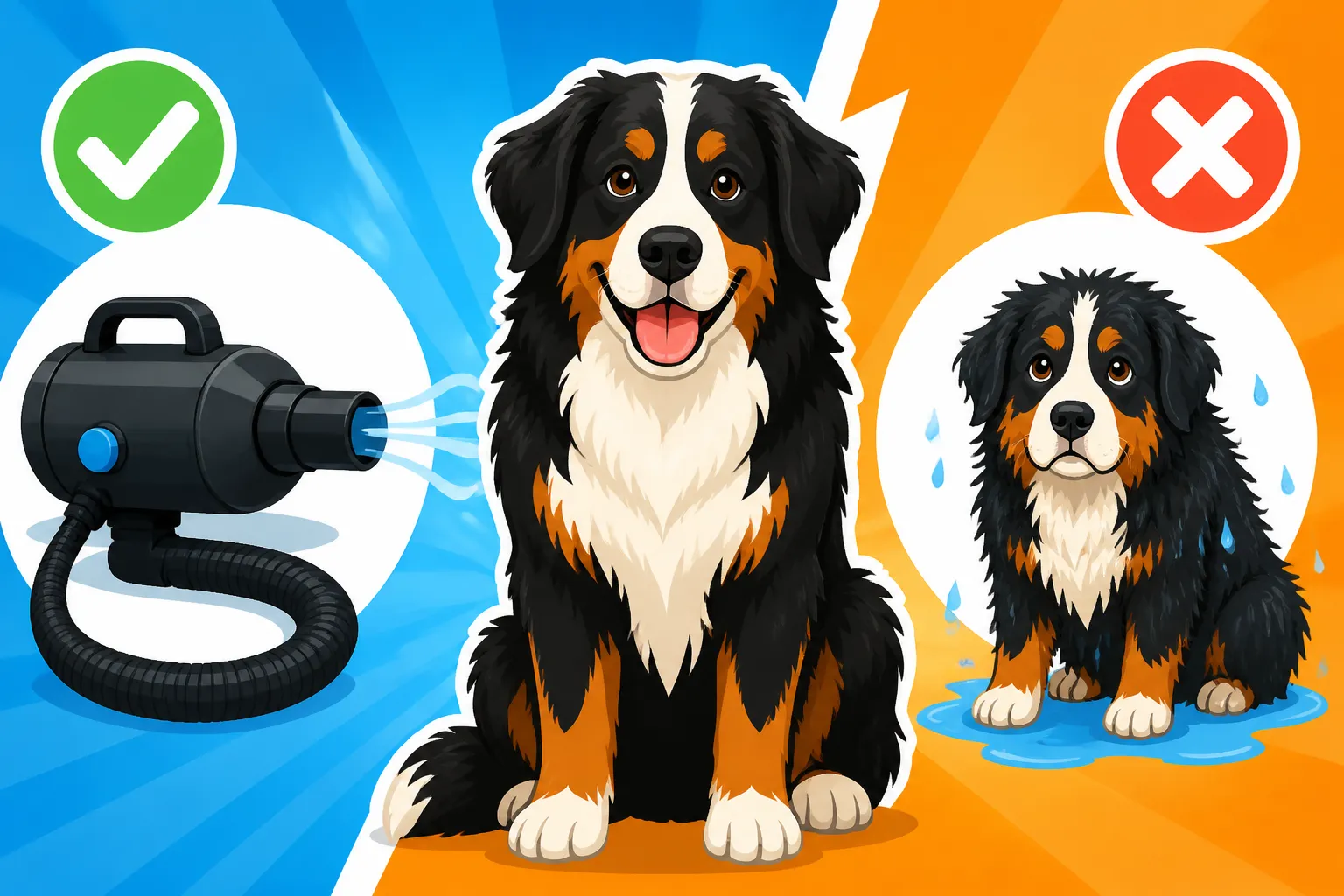
Whether a Force Dryer Is Worth It for a Bernese Mountain Dog
If you've ever tried to towel-dry a soaking wet Bernese Mountain Dog after a bath or a romp in the rain, you know the struggle is real. Their glorious double coat is designed to keep them warm and dry in the snowy Alps, but it can feel like trying to dry a wool blanket with a paper towel. The sheer volume of fur, especially that dense undercoat, makes traditional drying methods an exercise in futility, often leaving your beloved Berner damp for hours, which can lead to that distinct "wet dog" smell and even skin issues. This guide is going to dive deep into whether a force dryer is truly the game-changer many Bernese owners claim it to be, exploring its benefits, potential drawbacks, and how to introduce it successfully to your fluffy companion.
The Challenge of Drying a Bernese Mountain Dog's Coat
Let's be honest, few things are more frustrating than spending an hour scrubbing your Berner clean, only to have them remain stubbornly damp for what feels like an eternity. It’s not just about aesthetics; prolonged dampness can lead to real problems for their skin and coat health.
Why Regular Towel Drying Just Doesn't Cut It
Your Bernese Mountain Dog's coat is a marvel of natural engineering. It's thick, dense, and boasts a coarse outer coat that repels water, overlaying a soft, woolly undercoat that provides insulation. When this undercoat gets wet, it traps moisture like nobody's business. You can use half a dozen towels, rub vigorously, and still, an hour later, you'll find damp patches deep within their fur. It's like trying to dry a shaggy rug with a hand towel – you're only really getting the surface.
The frustration is palpable when you realize your dog is still shedding tiny droplets of water onto your furniture or floor long after their bath. It feels impossible to get that deep, insulating layer truly dry. For those of us with Berners, this is a universal truth: a towel is merely the first step, not the solution. Without getting to that undercoat, you're leaving a breeding ground for problems, and frankly, a perpetually damp dog is just uncomfortable for everyone involved.
The Risks of Air Drying and Dampness
Beyond the inconvenience of a perpetually damp dog and the accompanying "eau de wet Berner" fragrance, leaving your Bernese Mountain Dog to air dry, especially indoors, comes with significant risks. The trapped moisture in their dense undercoat creates an ideal environment for bacteria and fungi to thrive. This can manifest as dreaded "hot spots"— painful, red, moist skin lesions that can appear seemingly overnight and spread rapidly. These aren't just minor irritations; they can be incredibly itchy and painful for your dog, requiring veterinary intervention and often a course of antibiotics or antifungals.
Furthermore, prolonged dampness can lead to matting, particularly in areas where the fur is naturally thicker or prone to friction, such as behind the ears, in the armpits, or on the trousers. Mats in a Bernese Mountain Dog's Ruff can quickly become tight and pull on the skin, causing discomfort and making future grooming sessions even more challenging. If not addressed, severe matting can even restrict movement and lead to skin infections hidden beneath the tangled fur. Think about Why a Damp Bernese Mountain Dog Develops Sores – it’s often directly related to moisture not being able to escape the coat and circulate properly. Keeping their coat thoroughly dry is a fundamental part of responsible Berner care, not just a matter of preference.
What Exactly is a Force Dryer and How Does It Work?
When we talk about tackling a Bernese Mountain Dog's formidable coat, we're not talking about your everyday human hairdryer. A force dryer is a specialized piece of equipment, a true grooming powerhouse designed for efficacy and safety.
Beyond a Hair Dryer: The Power and Purpose
A force dryer, also known as a high-velocity dryer, is fundamentally different from the hairdryer you use on your own hair. The primary distinction is that most force dryers operate with minimal or no heat. Instead, they rely on a powerful motor to push a high volume of air at high velocity. This intense blast of air doesn't just evaporate water; it literally forces water off the dog's coat, pushing it out from the roots to the tips. This action is incredibly effective at separating the individual hairs and expelling moisture, especially from that notoriously dense undercoat that soaks up water.
For a Bernese Mountain Dog, this means getting to the core of the problem. The high-speed air penetrates through the thick outer guard hairs and gets right down to the plush undercoat, lifting it, separating it, and blasting out the water. This process not only dries the dog much faster but also helps to de-shed loose hair, making it a dual-purpose grooming tool. Unlike human dryers, which use heat that can burn a dog's sensitive skin or damage their coat, force dryers focus on airflow, making them a safer and far more efficient choice for thick-coated breeds.
Key Features to Look for in a Bernese Mountain Dog Force Dryer
When you're shopping for a force dryer for a large, double-coated breed like a Bernese Mountain Dog, you'll want to pay close attention to a few key specifications. This isn't a "one size fits all" purchase.
- Motor Power: This is crucial. Look for a dryer with high horsepower (HP) and a high cubic feet per minute (CFM) rating. For a Bernese, you'll want something in the range of 3.0 HP or higher, with a CFM of at least 150-200. The stronger the motor, the more air it moves, and the faster and more effectively it will dry that dense coat. Don't skimp here; an underpowered dryer will simply prolong the process and leave you frustrated.
- Adjustable Speed Settings: While maximum power is great for drying the body, you'll need lower settings for sensitive areas like the face, ears, and belly. A dryer with variable speed control gives you the flexibility to adapt to different parts of your dog's body and their comfort level.
- Nozzle Types: Most force dryers come with a variety of nozzles. A flat, wide nozzle is excellent for drying large body sections and blasting out water, while a more concentrated, round nozzle can be useful for targeting specific areas or for initial "raking" of the coat. Having options allows you to work efficiently.
- Hose Length and Durability: Consider a longer, flexible hose for easier maneuverability around a large dog. You don't want to be dragging the main unit around your Berner constantly. The hose itself should be durable and resistant to kinks or tears.
- Noise Level: This is a big one, especially if your Berner is sensitive to loud noises. While all force dryers are inherently noisy, some are designed with noise-reduction technology. Look for reviews that specifically mention how loud the unit is. You can often find force dryers on platforms like Amazon or Chewy, and checking user reviews for noise complaints can be very insightful.
- Heat Settings (or lack thereof): As mentioned, most professional force dryers emphasize air velocity over heat. If a dryer does have a heat setting, use it cautiously and minimally, if at all. The ambient temperature of the room and the friction from the high-velocity air typically provide enough warmth for the dog. Overheating is a real concern, particularly for a breed like the Bernese Mountain Dog, who can struggle with heat. Heat Stroke in a Bernese Mountain Dog is a serious risk, so avoiding unnecessary heat is paramount.
Choosing the right dryer is an investment, but a well-suited one can make a world of difference in your grooming routine.
Is a Force Dryer Truly Worth the Investment for a Bernese Mountain Dog Owner?
So, after all this talk about powerful motors and high-velocity air, the burning question remains: is it really worth it to invest in a force dryer for your Bernese Mountain Dog? The answer, for most Berner owners, is a resounding yes, though there are certainly considerations to weigh.
The Benefits for You and Your Berner
The advantages of using a force dryer, especially for a large, fluffy breed like the Bernese Mountain Dog, are numerous and often game-changing for your grooming routine and your dog's overall well-being.
- Dramatically Faster Drying Time: This is perhaps the most immediate and appreciated benefit. Instead of your Berner being damp for several hours after a bath, you can often get them completely dry in 30-60 minutes, depending on their coat density and cooperation. This is a huge time saver and prevents that lingering wet dog smell from permeating your home. If you've ever thought, How Long a Wet Bernese Mountain Dog Takes to Dry with towels, you'll understand why this is such a blessing.
- Healthier Skin and Coat: By thoroughly drying the undercoat, you eliminate the moist environment where bacteria and fungi can thrive, significantly reducing the risk of hot spots, skin infections, and other moisture-related dermatological issues. The force of the air also helps to straighten the coat, reducing tangles and mats. Regular use of a force dryer can contribute to a healthier, shinier coat overall.
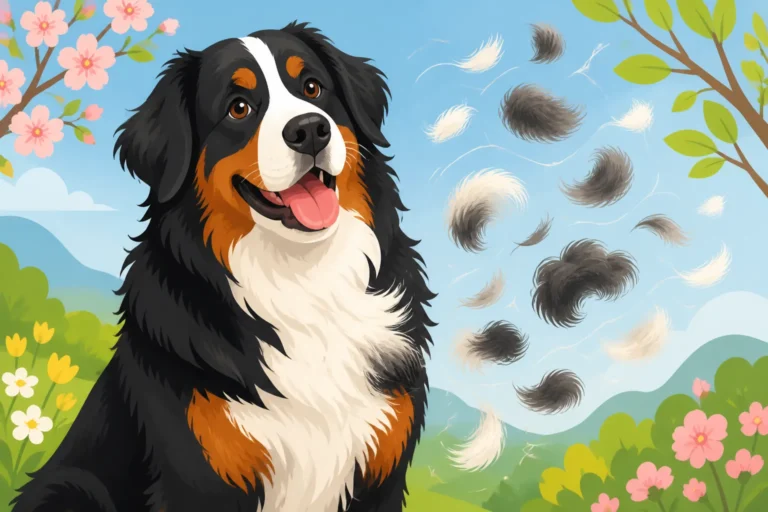
- Effective Shedding Management: This is a hidden superpower of force dryers! The high-velocity air blasts out loose and dead undercoat, especially during seasonal shedding cycles. You'll be amazed at the amount of hair that comes off your dog, often more than brushing alone can achieve. This means less hair floating around your house and a more comfortable dog. Spring, When a Bernese Mountain Dog's Undercoat Lets Go becomes much more manageable with this tool.
- Professional Grooming Results at Home: With a good force dryer, you can achieve a level of dryness and fluffiness that rivals a professional groomer's finish. The coat will be clean, dry, and full, making your Berner look and feel their best. This also empowers you to groom at home more effectively, potentially reducing trips to the professional groomer for basic drying and de-shedding.
- Comfort and Hygiene: A fully dry dog is a happier, more comfortable dog. No more shivering from prolonged dampness or the irritation of sticky, wet fur. And for you, it means a cleaner home environment, with less wet dog smell and less moisture transfer to furniture. Finding high-quality force dryers is easier than ever, with many excellent options available from online retailers like Amazon and Chewy.
For a Bernese Mountain Dog, who often needs baths and regular grooming to manage their impressive coat, a force dryer isn't just a luxury; it's a practical investment in their health, hygiene, and your peace of mind.
Potential Downsides and Considerations
While the benefits are clear, it's also important to consider the potential downsides and challenges associated with owning and using a force dryer for your Bernese Mountain Dog. No tool is without its quirks, and managing a large breed always comes with its own set of considerations.
- Initial Cost: A quality force dryer is an investment. They aren't as cheap as a human hairdryer, with prices varying based on power, features, and brand reputation. However, when you weigh this against potential vet bills for skin issues or the cost of professional grooming sessions, it can often pay for itself over time. You can compare different models and prices on large online retail platforms like Amazon or specialty pet supply sites like Chewy.
- Noise Level: This is probably the biggest hurdle for many dogs. Force dryers are loud, often sounding like a powerful vacuum cleaner. Some dogs can be quite sensitive to this noise, especially initially. This means you'll need to approach introduction and desensitization with patience and positive reinforcement. The Bernese Mountain Dog That Sulks After a Telling Off might also be a Berner that gets spooked by loud noises, so gentle introductions are key.
- Learning Curve: Using a force dryer effectively requires a bit of technique. You need to learn how to hold the nozzle correctly, work in sections, and ensure you're lifting the coat to get to the undercoat without causing knots or discomfort. Improper technique can scare your dog or even lead to matting if not used correctly. It's not rocket science, but it takes practice.
- Space and Storage: Force dryers are larger than handheld human dryers and have a hose. You'll need a designated space for storage and use, ideally in an area where your dog is comfortable being groomed and where flying hair can be easily contained.
- Flying Hair: Speaking of flying hair, be prepared! A force dryer is incredibly efficient at removing loose hair, and that hair has to go somewhere. You'll want to use it in an area that's easy to clean, or even better, outdoors if the weather permits. It's truly amazing How Many Handfuls Come Off a Bernese Mountain Dog during a good blow-out.
Despite these considerations, for many Bernese Mountain Dog owners, the benefits far outweigh the drawbacks, making the force dryer an indispensable grooming tool.
Tips for Introducing Your Bernese Mountain Dog to a Force Dryer
The thought of introducing a loud, powerful machine to your gentle giant can be daunting, especially if your Berner is already a bit sensitive or wary. But with patience, positive reinforcement, and a gradual approach, most Bernese Mountain Dogs can learn to tolerate, and even enjoy, their force dryer sessions.
Start Slow and Make It Positive
The key to success with any new grooming tool, especially one as potentially intimidating as a force dryer, is to make the experience as positive and low-stress as possible. This is not a race; slow and steady wins the canine cooperation prize.
- Introduce the Dryer Off: First, let your Bernese simply see and sniff the dryer while it's turned off. Leave it in their general vicinity for a few days, letting them get used to its presence. Associate it with good things: offer treats, praise, and gentle pets whenever they are near it, even if they just glance at it.
- Introduce the Noise from a Distance: Once they're comfortable with its silent presence, turn the dryer on at its lowest setting, far away from your dog. The idea is for them to hear the sound without feeling overwhelmed. As they get used to the distant hum, slowly decrease the distance over several days or weeks, always pairing the sound with high-value treats and calm praise. Think of it like a desensitization protocol – tiny steps forward.
- Short, Positive Sessions: When you're ready to actually use it on them, keep the initial sessions incredibly short. Turn the dryer on for just a few seconds on a low setting, aim it at their rear or another less sensitive area, offer a constant stream of delicious treats (like those from Ollie), and then turn it off. End the session before they show signs of stress. Gradually increase the duration and coverage over many sessions.
- Use it After Exercise: A tired Berner is often a more cooperative Berner. Schedule grooming sessions after a good walk or playtime, when they are naturally more relaxed and less likely to be fidgety.
- Comfort and Control: Ensure your dog has a non-slip surface to stand on, and consider a grooming table if you have one, to elevate them to a comfortable working height. This also gives you more control. Some dogs prefer to lean against you, which is totally fine as long as they are calm.
Remember, patience is paramount. If your Berner shows signs of fear (tucking tail, panting, trying to escape), go back a step and work at their pace. It’s better to take longer and build a positive association than to rush and create a lifelong aversion.
Proper Technique for Effective and Safe Drying
Once your Bernese Mountain Dog is comfortable with the force dryer's presence and sound, applying the correct technique is essential for efficiency and their safety. This isn't just about blowing air; it's about systematically drying their dense coat.
- Start with the Least Sensitive Areas: Always begin drying at their rear end or back, as these areas are typically less sensitive than their face or paws. Keep the nozzle a few inches away from the skin.
- Work in Sections: Don't try to dry the entire dog at once. Focus on one small section at a time, ensuring it's completely dry before moving on. This method is far more efficient for a double-coated breed like a Berner. You'll see the hair visibly separating and water literally flying off the coat.
- Lift the Coat: For Bernese Mountain Dogs, the goal is to get the air down to the skin and lift that thick undercoat. Use a flat nozzle to push the coat, directing the air against the natural lay of the hair. This helps to blast out the trapped water and loose fur. As you dry, you'll be amazed at how much dead hair comes out – this is also an excellent de-shedding tool. You'll be contributing to Keeping a House Livable With a Bernese Mountain Dog by removing all that loose fur before it ends up on your couch.
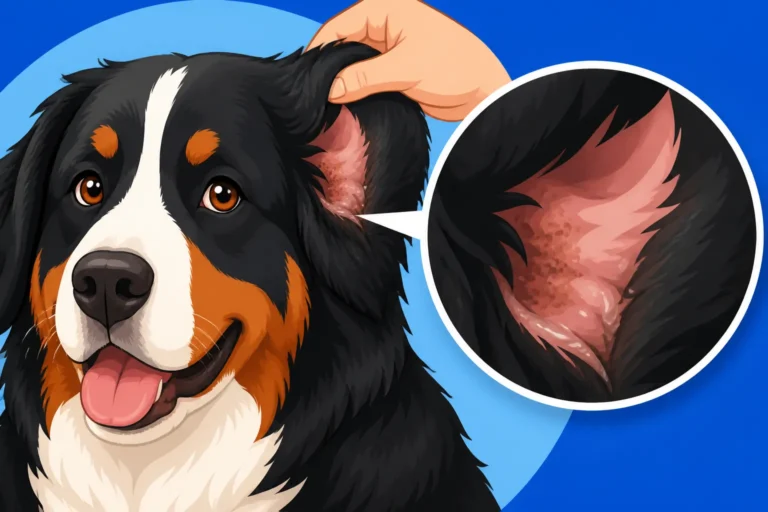
- Protect Eyes and Ears: Always be mindful of your dog's eyes and ears. Avoid aiming the high-velocity air directly into them. Many groomers use "Happy Hoodies" or ear muffs specifically designed for dogs to muffle the sound and protect their ears, which can be very helpful for sensitive Berners. Cleaning a Bernese Mountain Dog's Ear Flaps is an important part of regular care, and protecting them during drying is equally vital.
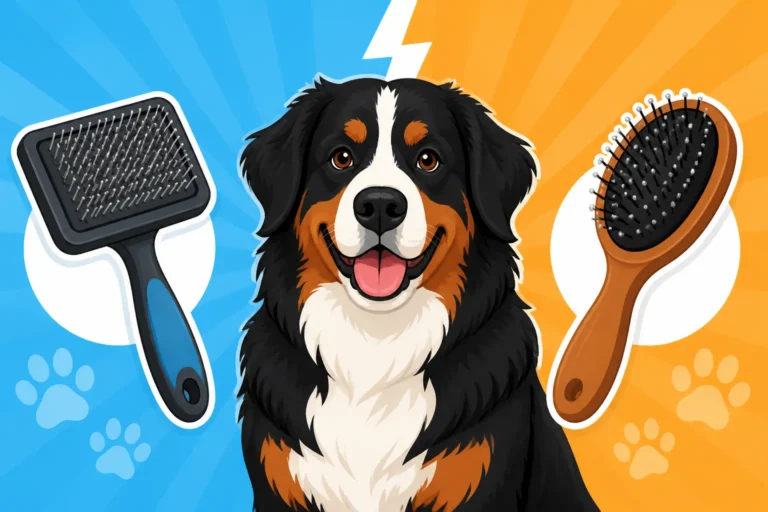
- Use Brushing in Tandem: As you dry, you can use a slicker brush or a large pin brush to help lift the coat and remove loose hair, especially around the feathering on their legs and tail. This helps prevent tangles and ensures thorough drying. Brushing Out a Bernese Mountain Dog's Undercoat while drying is a highly effective way to manage their shedding.
- Check for Dampness: Periodically run your fingers deep into their coat, especially in dense areas like the ruff, haunches, and under the belly, to check for any dampness. A truly dry Berner will feel fluffy and airy all the way to the skin.
By mastering these techniques, your force dryer will become an invaluable tool in maintaining your Bernese Mountain Dog's beautiful, healthy coat, making grooming a much less daunting task for both of you.
Disclaimer
This article is for general informational purposes only and does not constitute professional advice. Laws, prices and regulations vary by location and change over time. Consult a qualified professional for guidance on your specific situation.