Whether an Old Bernese Mountain Dog’s Coat Thins
It's heartbreaking to see our beloved Bernese Mountain Dogs show the tell-tale signs of aging, and one common concern many of us share is how their magnificent coats change. It’s natural to wonder if that glorious thick fur, once a hallmark of their breed, will thin out as they get older, leaving them less protected or just not quite themselves. This guide will delve deep into the realities of an aging Bernese Mountain Dog's coat, discussing what's normal, what's not, and how you can continue to care for their distinguished fur.
The Bernese Mountain Dog Coat: A Lifetime of Majesty
Before we talk about thinning, let’s remember what makes a Bernese Mountain Dog's coat so special. It's truly a marvel, designed by nature for life in the chilly Swiss Alps. This isn't just a pretty facade; it's a functional, double-layered system built for protection against the elements.
Understanding the Double Coat
The Bernese Mountain Dog boasts a lush double coat, which means it has two distinct layers working in harmony. The outer coat, often described as straight or slightly wavy, is made up of longer, coarser guard hairs. These guard hairs act like a protective shield, repelling water, dirt, and even UV rays. They give the Berner its signature glossy appearance and structure. Below this outer layer lies the undercoat, a dense, soft, and woolly layer that provides incredible insulation. This is the part that keeps them warm in winter and actually helps to regulate their body temperature in warmer months by trapping a layer of cool air next to their skin. It's a truly ingenious design.
Think about it: this coat is what allowed their ancestors to herd cattle and pull carts in cold, snowy conditions. It's built for resilience and warmth. You can learn more about What a Bernese Mountain Dog's Coat Texture a Judge Feels if you're curious about the breed standard.
The Role of Coat in Health and Well-being
Beyond its protective functions, a Bernese Mountain Dog's coat is also a significant indicator of their overall health. A healthy Berner typically has a shiny, full, and resilient coat that sheds seasonally but maintains its density. It reflects good nutrition, proper hydration, and a functioning internal system. When something is off internally, the coat is often one of the first places to show it – becoming dull, brittle, or shedding excessively. So, when we start to notice changes, it's not just about aesthetics; it often prompts us to consider their broader well-being. Keeping this in mind helps us differentiate between normal aging and signs that might require a trip to the vet.
Why a Bernese Mountain Dog's Coat Might Thin with Age
As our Berners gracefully enter their senior years, many aspects of their physiology begin to shift, and their coat is no exception. While some degree of change is a natural part of the aging process, it's important to understand the various factors that can contribute to a thinning coat. It's rarely just one thing, but often a combination.
Natural Aging Processes and Hormonal Shifts
Just like us, older dogs experience a slowing down of their metabolic processes. This can affect the rate at which hair follicles produce new hair and how quickly existing hair sheds and regrows. The hair growth cycle itself may become longer or less efficient. Hormonal changes are also a big player. Conditions like hypothyroidism, which can become more common in older dogs, directly impact skin and coat health. A decrease in thyroid hormone can lead to a dull, dry, and thinning coat, sometimes with noticeable hair loss along the flanks or tail. Even without a specific diagnosis, general hormonal fluctuations that come with age can contribute to a less dense coat.
For instance, an older female Berner might show subtle coat changes after years of heat cycles or spaying, or an older male might experience changes related to declining testosterone levels. These are often gradual and diffuse, rather than patchy. It's why Bloodwork a Bernese Mountain Dog Should Have Yearly becomes even more important as they age, as it can catch these underlying issues early.
Nutritional Deficiencies and Malabsorption
What goes in often shows on the outside, and this is especially true for an aging Berner's coat. Older dogs may not absorb nutrients as efficiently as they once did, even if they're still eating a high-quality diet. Their digestive systems can become less robust, leading to deficiencies in essential fatty acids, proteins, and vitamins crucial for a healthy coat. If your senior Berner isn't getting enough Omega-3 and Omega-6 fatty acids, for example, their coat might become dry, brittle, and sparse.
It's not uncommon for senior Berners to also have reduced appetites or develop pickiness, further complicating their nutritional intake. That's why considering specialized senior dog foods, which are often formulated with highly digestible proteins and fortified with skin and coat supplements, can be a game-changer. Brands like Ollie often offer fresh, custom meal plans that can be tailored to an older dog's specific needs, or you might find a wide selection of senior formulas on Chewy that address these concerns. Making sure they get adequate calories and balanced nutrients is key. We talk more about feeding older dogs in Cutting Back an Old Bernese Mountain Dog's Bowl and Feeding an Adult Bernese Mountain Dog Safely.
Reduced Grooming and Self-Care
As Bernese Mountain Dogs age, they often experience joint pain, arthritis, or general stiffness. This can make it difficult for them to groom themselves effectively. Reaching certain spots to lick or scratch, or even rolling around to loosen old fur, might become painful or impossible. This reduced self-grooming means that dead hair can accumulate, mats can form more easily, and the coat can appear less vibrant and even patchy, simply because it's not being regularly cleaned and stimulated.
Beyond self-grooming, owners might also find it harder to groom a large, older dog, especially if they are experiencing mobility issues. Grooming a Bernese Mountain Dog That Cannot Stand offers practical tips for these situations. If you're struggling to properly brush out their thick undercoat, especially during shedding seasons, the coat can appear thinner in patches where mats are pulling on the skin or where dead hair isn't being removed, hindering new growth.
Differentiating Normal Thinning from Health Concerns
It's easy to jump to conclusions when you see changes in your aging Bernese Mountain Dog's coat. Is it just part of getting older, or is it a sign of something more serious? Knowing the difference can save you a lot of worry and ensure your beloved companion gets the care they need.
Signs of Normal Age-Related Coat Changes
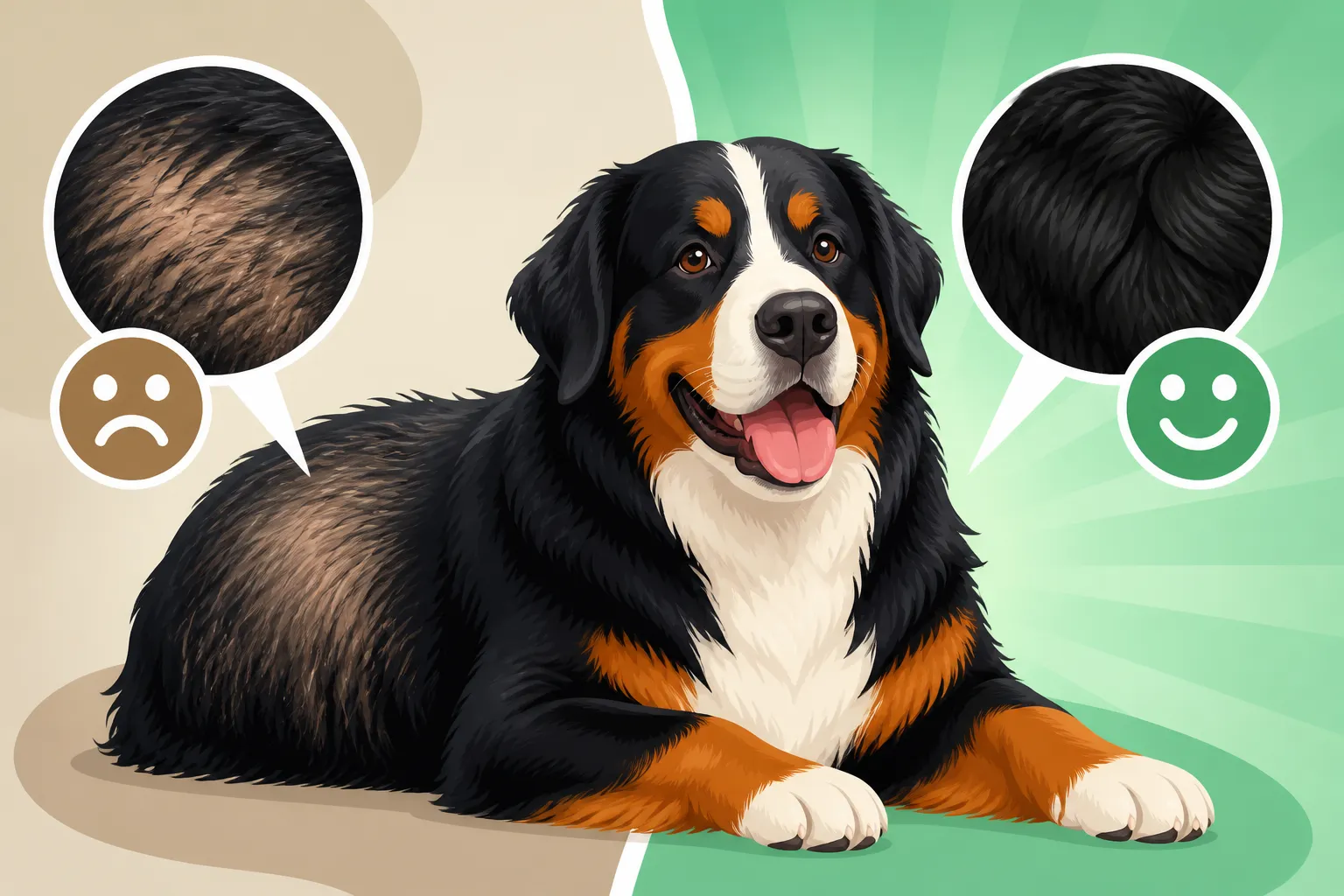
When we talk about normal age-related thinning, it’s usually a generalized, subtle process. You might notice that the overall density of their coat isn't quite what it used to be. The guard hairs might feel a bit finer, and the undercoat might not be as luxuriant. Often, this thinning is uniform across the body, though it can sometimes be a bit more noticeable on the flanks or along the back. The coat might also become a bit drier or lose some of its youthful sheen. White hairs often start to appear around the muzzle, eyes, and sometimes even scattered throughout the body, giving that distinguished "salt and pepper" look. This isn't thinning, per se, but another visible sign of aging that coincides with coat texture changes.
It’s a gradual shift, often almost imperceptible day-to-day, becoming more apparent when you compare photos from a few years prior. The skin underneath should remain healthy-looking – no redness, flakiness, or obvious irritation. The dog typically isn't excessively itching or bothering the thinning areas. These kinds of changes are simply part of Caring for a Bernese Mountain Dog After Six and managing their graceful decline.
When Thinning Indicates a Potential Health Issue
While some thinning is normal, there are definite red flags that suggest an underlying health problem. If you observe any of the following, it’s time for a vet visit:
- Patchy Hair Loss: Instead of generalized thinning, if you see distinct areas where hair is missing entirely, or large clumps are falling out, this is a concern. This could indicate parasites, fungal infections, allergies, or more serious systemic diseases.
- Symmetrical Hair Loss: Hair loss that appears symmetrically on both sides of the body, particularly on the flanks, chest, or behind the ears, can be a classic sign of hormonal imbalances, like hypothyroidism or Cushing's disease.
- Skin Changes: Along with hair loss, look for accompanying skin issues such as redness, inflammation, scaling, dandruff, excessive oiliness, dry patches, or any sores. These are strong indicators of skin infections, allergies, or autoimmune conditions.
- Excessive Itching or Licking: If your Berner is constantly scratching, licking, or chewing at their coat, especially in areas where it's thinning, this isn't normal aging. It suggests discomfort, potentially from allergies, parasites (fleas, mites), or skin infections. Itching Under a Bernese Mountain Dog's Thick Coat can be a major challenge for these dogs.
- Changes in Hair Texture: If the remaining hair becomes extremely brittle, coarse, or feels greasy, this also warrants investigation. It might point to nutritional issues or internal disease.
- Lethargy or Other Symptoms: If coat changes are accompanied by other signs like unexplained weight loss or gain, increased thirst or urination, changes in appetite, lethargy, or behavioral shifts, it's highly likely there's an underlying health issue at play.
It's always best to be proactive. If you're ever in doubt, a quick vet check-up for your aging Berner is always the right call.
Here's a quick comparison table to help you distinguish:
| Feature | Normal Age-Related Thinning | Concerning Coat Changes |
|---|---|---|
| Pattern of Loss | Generalized, diffuse, subtle overall decrease | Patchy, symmetrical, or bald spots |
| Skin Appearance | Healthy, normal color | Red, inflamed, scaly, oily, dry, scabs, sores |
| Itching/Licking | Minimal to none | Excessive, persistent, self-mutilation |
| Hair Texture | Slightly finer, drier, possibly duller | Brittle, greasy, coarse, straw-like |
| Progression | Very gradual, over months or years | Rapid onset, noticeable within weeks |
| Accompanying Symptoms | Often none, perhaps slower movement | Lethargy, thirst changes, appetite changes, limping, pain |
Caring for an Older Berner's Changing Coat
Even if your old Bernese Mountain Dog's coat is thinning due to normal aging, it still needs diligent care. In fact, it might even need more attention than before. The goal is to keep them comfortable, prevent secondary issues, and support their overall health for as long as possible.
Adjusting Your Grooming Routine
As your Berner ages, their skin becomes more delicate, and their tolerance for long grooming sessions might decrease due to joint pain. This means you need to adjust your approach.
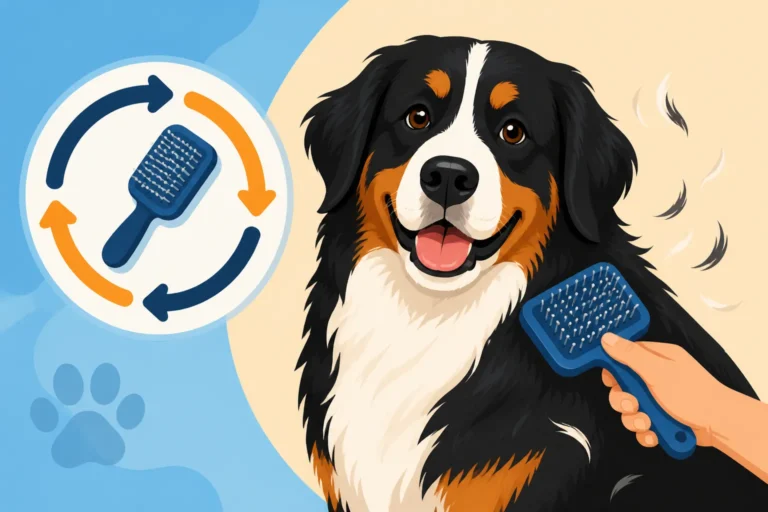
- Gentle Brushing: Opt for softer brushes and be incredibly gentle. A good pin brush or a soft slicker brush can work wonders for tangles, followed by a bristle brush for shine. A deshedding rake is still important for the undercoat, but use a light hand. Short, frequent brushing sessions are often better than one long, arduous one. Aim for daily quick brushes if possible, or at least every other day, to prevent mats from forming. Mats can pull on sensitive skin and are harder to remove later. Brushing Out a Bernese Mountain Dog's Undercoat is still crucial, but with added care.
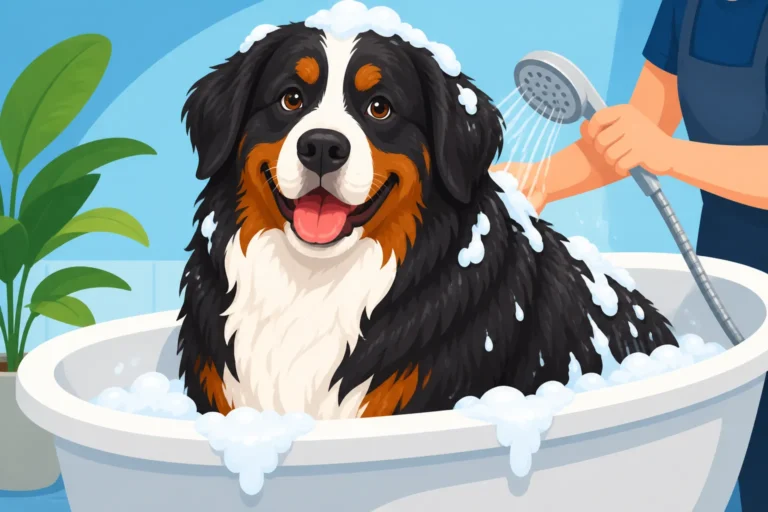
- Mindful Bathing: Older skin can be drier, so frequent bathing might not be ideal. When you do bathe them, use a gentle, moisturizing shampoo designed for sensitive skin, and ensure a thorough rinse to prevent residue build-up. Always follow with a good conditioner. Make sure they are completely dry afterwards, especially in cooler weather, to prevent skin issues. If your Berner has mobility challenges, consider Bathing a Bernese Mountain Dog With Bad Hips by using a walk-in tub or hiring a professional groomer who has experience with senior dogs.
- Nail Trims and Ear Checks: These become even more vital. Long nails can affect an older dog's gait, putting extra strain on already aching joints. Regular nail trims are a must. Their ears might also accumulate more wax or become prone to infection, so gently cleaning their ear flaps and checking for any redness or odor regularly is important.
Remember, patience is key. Your old Berner might not be as cooperative as they once were, so make grooming a positive, calm experience with plenty of praise and treats.
Nutritional Support for Skin and Coat Health
Diet plays an absolutely critical role in maintaining coat health at any age, but especially for seniors whose bodies are working harder.
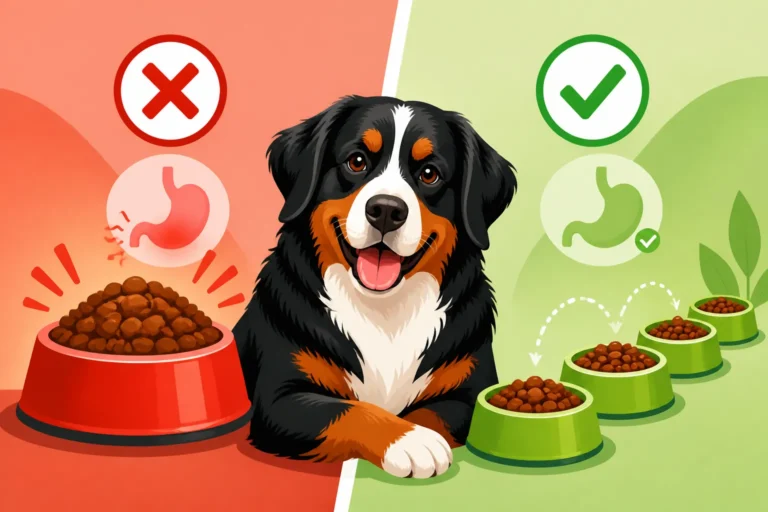
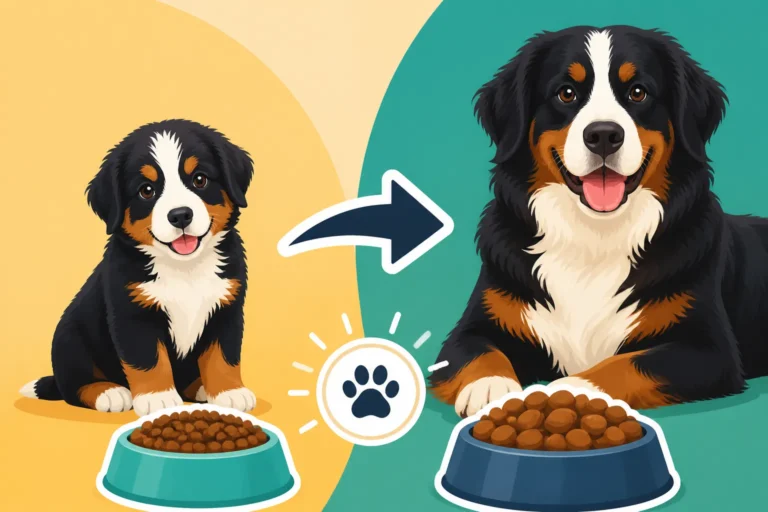
- High-Quality Senior Diet: Transitioning to a high-quality senior dog food is often beneficial. These diets are typically formulated with lower calorie counts (to prevent obesity, which stresses joints and overall health) but higher levels of easily digestible protein and essential nutrients. Look for foods that specifically mention skin and coat health, often rich in Omega-3 and Omega-6 fatty acids. If your Berner is picky, exploring options like those from Ollie or various brands on Chewy that offer palatable senior formulas can help.
- Supplements: Consider adding specific supplements to their diet, but always consult your vet first.
- Omega Fatty Acids: Fish oil supplements (rich in EPA and DHA) are fantastic for skin and coat health, reducing inflammation and promoting a healthy sheen. You can find many options on Amazon or Chewy.
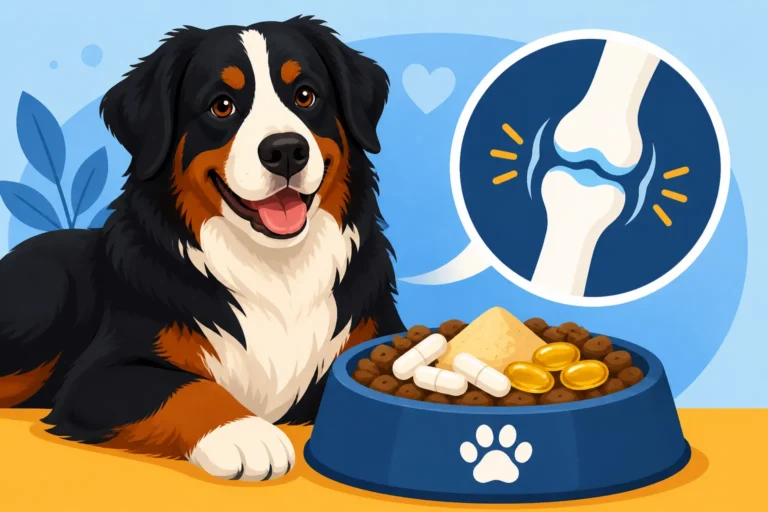
- Joint Supplements: While not directly for coat, supplements like glucosamine and chondroitin can help ease joint pain, which in turn might make your Berner more comfortable moving and grooming themselves.
- Probiotics: A healthy gut often means a healthy coat. Probiotic supplements can aid in nutrient absorption and overall digestive health.
- Hydration: Ensure constant access to fresh, clean water. Good hydration is crucial for skin elasticity and overall coat health. If your Berner isn't drinking enough, try adding a little water to their food or offering a pet fountain.
Regular Veterinary Check-ups and Screening
Regular vet visits are paramount for an aging Bernese Mountain Dog. These aren't just for emergencies; they're essential for preventative care and early detection of issues that can manifest in coat changes.
- Annual to Bi-Annual Exams: As your Berner gets older, moving to bi-annual (twice a year) vet visits is highly recommended. These regular check-ups allow your vet to monitor their overall health, including skin and coat condition, weight, dental health, and mobility. What a Bernese Mountain Dog Checkup Includes After Five will often be more comprehensive.
- Diagnostic Testing: If coat thinning or other symptoms appear, your vet will likely recommend diagnostic tests. This could include bloodwork (like a thyroid panel to check for hypothyroidism, or a full chemistry panel to assess organ function), skin scrapings (to rule out parasites), fungal cultures, or allergy testing. Early diagnosis and treatment of conditions like hypothyroidism can often reverse coat thinning and improve overall quality of life.
- Medication Management: If an underlying condition is diagnosed, adhering to the prescribed medication regimen is crucial. For example, thyroid medication for hypothyroidism is usually a lifelong commitment, but it makes a huge difference in coat quality and energy levels. Pain management for arthritis can also indirectly improve coat health by allowing your Berner to move and groom themselves more comfortably.
By staying proactive with veterinary care, you can help ensure that any coat changes are properly addressed, distinguishing between normal aging and treatable health concerns. This vigilance allows you to keep your senior Berner as comfortable and handsome as possible.
Maintaining Comfort and Dignity
As our Bernese Mountain Dogs age, their needs evolve, and maintaining their comfort and dignity becomes paramount, especially when dealing with coat and skin changes. It’s about more than just managing their fur; it’s about providing a supportive environment for their golden years.
Environmental Adjustments
Your senior Berner's comfort can be greatly influenced by their immediate surroundings. Think about their reduced mobility and increased sensitivity.
- Comfortable Bedding: An orthopedic bed becomes a non-negotiable for an older Berner. It supports their joints and provides cushioning, encouraging restful sleep and reducing pressure sores that can sometimes contribute to localized hair loss or skin issues. You can find large, supportive orthopedic beds on Amazon or Chewy.
- Temperature Control: Older dogs can be more sensitive to extreme temperatures. Their thinning coat might make them feel colder in winter, while their underlying Berner heritage still makes them prone to overheating in summer. Ensure they have a warm, draft-free spot in winter and plenty of shade and cooling options (like a fan or air conditioning) in summer. They might enjoy a cooling mat during warmer months, also readily available on platforms like Amazon.
- Easy Access: If your Berner has trouble on slippery floors, consider laying down runners or rugs to provide traction and prevent falls. Ramps can be incredibly helpful for getting into cars or up a few steps, reducing strain on their joints. These simple adjustments can make a world of difference in their daily comfort and ability to move around without pain, indirectly contributing to their overall well-being, which reflects in their coat.
Mental and Emotional Well-being
An aging Berner's mental and emotional state can also influence their physical health, including their coat. Stress, anxiety, or boredom can manifest in excessive licking or chewing, leading to patchy hair loss and skin irritation.
- Gentle Exercise: While they might not be up for long hikes anymore, short, gentle walks or supervised time in the yard are still important. Maintaining some level of physical activity helps with circulation, muscle tone, and mental stimulation. Listen to your dog and don't push them too hard.
- Mental Stimulation: Keep their minds active with puzzle toys, scent games, or gentle training sessions. A stimulated mind is a happy mind. Just a few minutes of mental engagement each day can combat boredom and reduce stress.
- Affection and Routine: Older dogs thrive on routine and affection. Consistent mealtimes, walks, and cuddle sessions provide security and comfort. Your presence and reassurance are more important than ever. These positive interactions reduce stress, which can indirectly help prevent stress-related coat issues.
Remember, your Bernese Mountain Dog has given you years of unconditional love. Providing them with thoughtful care in their senior years, addressing their changing needs with patience and understanding, is one of the greatest gifts we can offer them. It's about cherishing every moment and ensuring their comfort and happiness right to the end of their journey.
Disclaimer
This article is for general informational purposes only and does not constitute professional advice. Laws, prices and regulations vary by location and change over time. Consult a qualified professional for guidance on your specific situation.