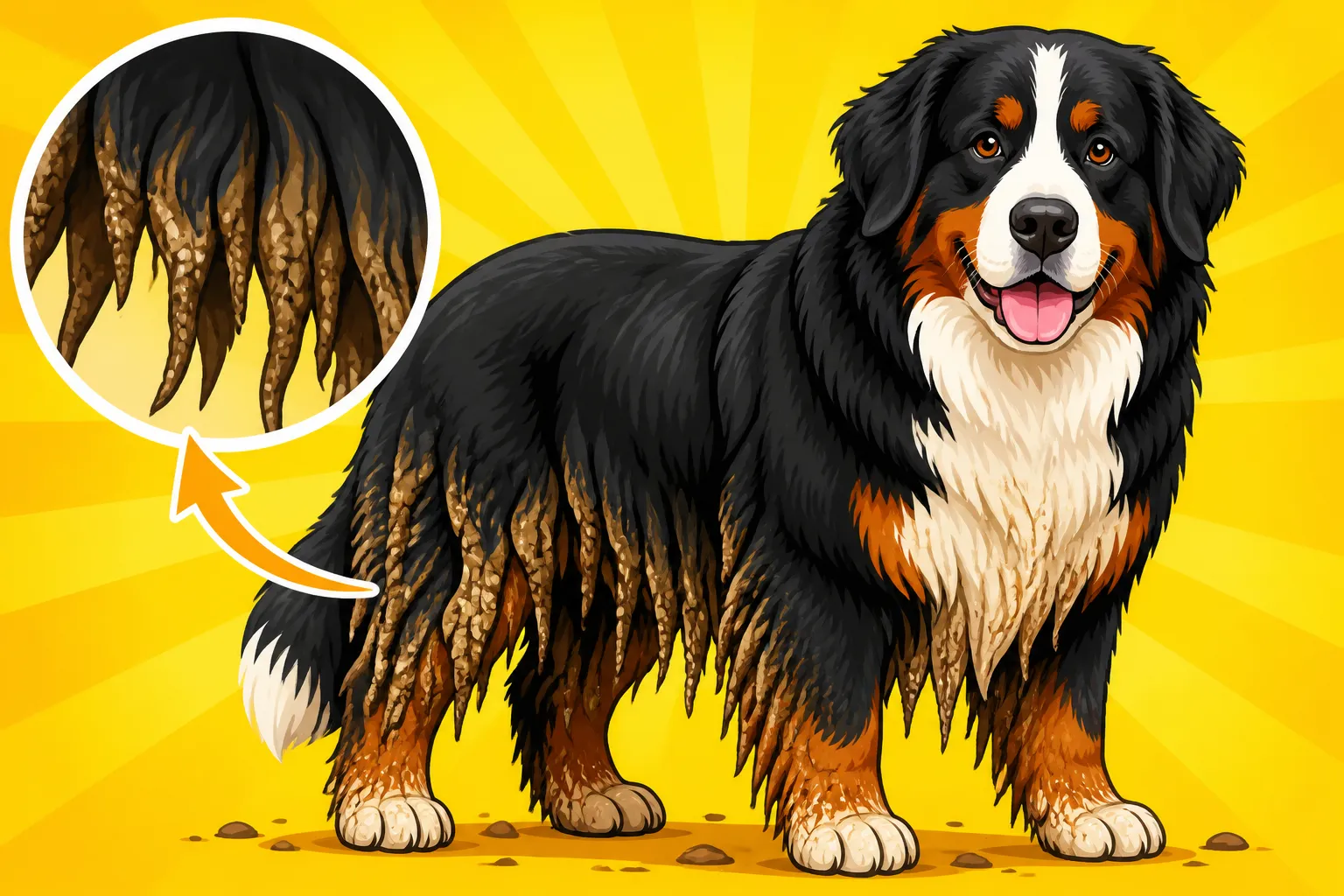
Mud Dried Into a Bernese Mountain Dog’s Feathering
Ah, the majestic Bernese Mountain Dog! Their beautiful, flowing coats are truly a sight to behold, especially the magnificent feathering on their legs and underside. But let's be real, those gorgeous long hairs are also expert collectors of all things outdoors, and nothing quite solidifies into an immovable, muddy mess like dried-on mud after a joyous romp through a damp field or a rainy walk. If you've ever found yourself wrestling with a furry, mud-caked Berner, despair not; this guide is here to walk you through how to tackle that stubborn dried mud and keep your beloved companion comfortable and clean.
Understanding the Challenge of Bernese Feathering and Mud
It’s no secret that Bernese Mountain Dogs are built for outdoor life. Their thick, luxurious coats were designed to protect them from the harsh elements of the Swiss Alps. While this makes them wonderfully resilient in cold weather, it also presents a unique challenge when it comes to keeping them clean, especially when mud is involved.
Why Bernese Mountain Dogs are Mud Magnets
Let's face it, our Berners love to explore. A Bernese Mountain Dog’s double coat, with its dense undercoat and long, flowing outer guard hairs, acts like a natural magnet for anything wet and dirty. The prominent feathering on their legs, chest, and belly simply sweeps up mud, leaves, twigs, and whatever else might be on the ground like a well-designed broom. Imagine a hundred-pound dust mop joyfully galloping through a puddle – that's often the reality of a Berner on a walk after a rain shower. The length and texture of The Feathering on a Bernese Mountain Dog's Legs are particularly adept at collecting and holding onto mud. Once that mud starts to dry, it can form a hard, concrete-like shell, often deeply embedded in their soft undercoat.
Their sheer size and love for splashing also contribute. A smaller dog might leap over a muddy patch, but a Berner often plows right through it, seemingly oblivious to the consequences for their pristine coat. This isn't just a spring or fall problem, either. Any wet weather can lead to mud, and their desire to be outside, rain or shine, means you'll be dealing with this regularly.
The Frustration of Dried Mud
Wet mud is one thing—a quick rinse can often handle it. Dried mud, however, is a whole different beast. It shrinks and hardens, pulling at the hair follicles and sometimes even irritating the skin beneath. This isn't just an aesthetic issue; it can lead to serious discomfort for your dog.
First, there's the matting. Dried mud, especially when it's clumped into the feathering, can quickly create tight, painful mats that are incredibly difficult to remove without causing distress or even needing to be shaved out. These mats can pull on the skin, restrict movement, and, if left unattended, can even hide skin infections. Then there's the sheer mess inside your home. Even after a towel-dry, residual dried mud flakes off, leaving a trail of dirt wherever your Berner goes. The house, car, and furniture all bear the dusty, earthy evidence of their latest outdoor adventure. Beyond the physical mess, there's the distinct earthy odor that can permeate everything, especially if the mud has been allowed to sit and dry for an extended period. It's a truly exasperating cycle for any Bernese owner who values a clean home and a comfortable dog.
Prevention is Key: Minimizing Mud Before It Sticks
While completely preventing a Bernese Mountain Dog from ever getting muddy might be a fool's errand, there are definitely proactive steps you can take to minimize the amount of dried mud you'll have to contend with. Think of it as harm reduction for your home and your dog's coat!
Proactive Measures for Muddy Seasons
When the weather turns wet and muddy, a little foresight goes a long way. If you know you’re headed to a particularly sloppy park or trail, consider making some adjustments. You might choose a different walking route that has more paved paths or less boggy terrain. Some dedicated Bernese owners even have a "mud room" or designated cleaning station right inside their entryways, equipped with towels, a gentle sprayer, and a non-slip mat. A quick rinse of the legs and belly before your dog fully enters the house can make a world of difference. You'd be amazed how much mud can be washed off in just a minute or two, preventing it from drying into concrete on your carpets.
For those truly epic mud adventures, some owners even use dog boots or raincoats. While a raincoat might not cover all the feathering, it can certainly protect the back and chest. Dog boots can be a bit tricky to get a Berner to tolerate, but for short, very muddy outings, they can save a lot of cleanup. You might also consider speaking with your groomer about tidying up the feathering on your dog's legs and belly slightly during peak muddy seasons. This isn't about shaving them, but a subtle trim can reduce the surface area for mud to cling to, making cleanup significantly easier without altering the breed's natural appearance too much. Always consult a professional groomer who understands the Bernese coat, as What Shaving Does to a Bernese Mountain Dog's Insulation can have negative consequences for their temperature regulation and coat health.
The Role of Regular Brushing and Coat Health
A healthy, well-maintained coat is your best defense against deep-seated mud and mats. When a coat is tangle-free and regularly brushed, mud and debris are less likely to become firmly embedded. Instead, they often sit more superficially, making them easier to brush out once dry, or rinse off when wet.
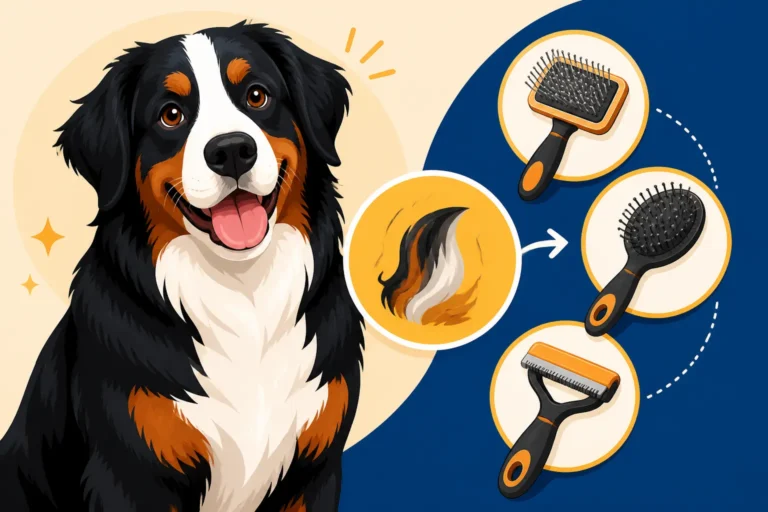
Regular brushing, especially for a Bernese, is non-negotiable. It helps to remove loose undercoat, distribute natural oils, and, crucially, prevents mats from forming in the first place. When a mat starts, even a small one, it provides a perfect anchor for mud to cling to and harden around. Investing in the right tools is essential. A good quality undercoat rake can get deep into the coat without damaging the guard hairs, while a sturdy pin brush or slicker brush can work through the feathering. Which Brush a Bernese Mountain Dog's Coat Needs depends on the specific area and condition of the coat. Brushing every couple of days, or even daily during shedding seasons, will significantly improve your dog's coat health and make future mud encounters less daunting. A clean, healthy coat simply has fewer places for mud to grip.
Tackling Dried Mud: Step-by-Step Removal
Okay, the inevitable has happened. Your beautiful Berner has come in, mud-splattered and triumphant, and now that mud has dried. Don't panic! With a little patience and the right approach, you can restore their coat to its glorious, tangle-free state. Remember, rushing or getting frustrated will only make the experience unpleasant for both of you.
Essential Tools and Supplies
Before you begin your mud-removal mission, gather all your supplies. Having everything within reach will make the process smoother and less stressful. Here’s a list of what you’ll likely need:
- Undercoat rake: Essential for getting through the dense Berner coat.
- Pin brush or slicker brush: Great for working through feathering.
- Wide-toothed comb: To check for any remaining tangles or mats.
- Detangling spray or leave-in conditioner: Look for dog-safe formulas. These are invaluable for loosening mud and making it easier to brush out. Many brands are available through retailers like Chewy or Amazon.
- Warm water: Either in a bucket, a spray bottle, or near a tub.
- Absorbent towels: Several of them!
- Non-slip mat: For standing in the tub or on the floor to prevent slips.
- Dog-safe shampoo and conditioner: If a full bath is needed.
- High-velocity dog dryer (optional but recommended): If you have one, it’s a game-changer for drying thick coats.
Having these tools at the ready means you won't be scrambling mid-cleanup, and your Berner will appreciate the efficiency.
Gentle Detangling Techniques
The golden rule here is patience, patience, patience. Never pull on dried mud or mats. This is painful for your dog and can damage their coat or even skin.
- Assess the damage: Start by gently feeling the affected areas. Identify where the mud is most caked on and where any potential mats have formed.
- Lightly moisten (optional but helpful): Sometimes, slightly dampening the dried mud can help rehydrate it just enough to make it more pliable. Use a spray bottle with warm water or a very damp towel. Don't saturate the coat, just enough to soften the mud.
- Apply detangling spray: Generously spray the muddy sections with a dog-safe detangling spray or a very diluted leave-in conditioner. Let it sit for a few minutes to penetrate the mud and coat. This helps to loosen the dirt and add slip to the hair, making it less likely to break.
- Work in small sections: This is crucial. Start from the ends of the feathering and work your way up towards the skin. Use your fingers to gently break apart larger chunks of mud.
- Use the undercoat rake: Carefully rake through the softened mud. The rake's long teeth can help break up the mud without pulling directly on the skin. Follow with a pin brush to further separate the hairs.
- The "pat and squeeze" method: For very stubborn clumps, sometimes gently squeezing the muddy section with a damp cloth can help break it down. Pat the area rather than rubbing, as rubbing can cause more tangles.
If you encounter a mat, it's a separate battle. You might need to carefully use a mat splitter or even tiny blunt-nosed scissors if it's very tight, but proceed with extreme caution to avoid cutting the skin. Often, a combination of detangling spray, gentle finger work, and systematic brushing from the outer edges of the mat inward will slowly loosen it. Remember, this isn't a race. Take breaks if your Berner (or you!) gets frustrated. How Long Brushing a Bernese Mountain Dog Takes can vary greatly depending on the condition of their coat and how much mud they've collected.
When Bathing Becomes Necessary
Sometimes, the mud is just too widespread or deeply ingrained for spot treatment. In these cases, a full bath is your best bet.
- Pre-bath brush: Before getting your Berner wet, try to brush out as much loose, dried mud as possible. This prevents it from turning into a muddy paste that's harder to rinse. Pay special attention to any tangles or mats, as water can tighten them further.
- Warm water and thorough wetting: Lead your Bernese into a tub or a walk-in shower. A non-slip mat is vital for their comfort and safety. Use warm water to thoroughly wet their entire coat, paying extra attention to the muddy feathering. Make sure the water penetrates all the way to the skin. This can take a while with a thick double coat.
- Shampoo application: Apply a good quality, dog-specific shampoo. Lather it gently into the muddy areas, allowing it to soak for a few minutes. Don't scrub vigorously, as this can tangle the coat. Instead, gently work the shampoo into the mud, letting the suds and water do the work of loosening the dirt. You might need to do a double wash for really dirty areas. Brands like Earthbath or TropiClean offer gentle, effective dog shampoos.
- Rinsing, rinsing, rinsing: This is arguably the most important step for a Bernese. Their thick coat can hold onto shampoo residue, which can lead to skin irritation and dullness. Rinse thoroughly until the water runs completely clear and you can feel no slickness on the coat. Don't forget their undercarriage and The Trousers on a Bernese Mountain Dog's Hind End.
- Conditioner: Follow with a good quality, dog-safe conditioner. This will help to rehydrate the skin and coat, making it softer, more manageable, and less prone to future tangles. Work it into the feathering and let it sit for a few minutes before rinsing just as thoroughly as the shampoo.
- Drying: After the bath, gently squeeze excess water from the coat. Blot with multiple towels – don’t rub, as rubbing creates tangles. If you have a high-velocity dog dryer, now is the time to use it. It significantly reduces drying time and helps to "blow out" any remaining loose undercoat and prevent mats. For those without a force dryer, a regular human hair dryer on a cool or low-heat setting can be used, but keep it moving to avoid overheating. Brush the coat as you dry to ensure it dries straight and tangle-free. This is particularly important for Grooming a Bernese Mountain Dog's Long Tricolor Coat. Without proper drying, a Berner’s thick coat can take hours to air dry and can lead to skin problems like hot spots.
Maintaining Coat Health Post-Mud Battle
The mud battle might be over, but the war against mats and irritation is ongoing. Post-cleanup care is just as important as the cleaning process itself to ensure your Bernese stays healthy and happy.
Post-Cleaning Care and Moisturizing
Once your Berner is clean and dry, take a moment to perform a thorough check. Run your hands over their skin, especially in the areas where the mud was most stubborn. Look for any signs of redness, irritation, or small cuts that might have occurred from debris in the mud or from the cleaning process. Pay particular attention to areas like Tangles Behind a Bernese Mountain Dog's Elbows and behind their ears, which are prone to matting and irritation. If you find any dry skin, a soothing, dog-safe leave-in conditioner or skin balm can help. You might also want to apply a bit of coconut oil (food-grade, in case they lick it) to particularly dry spots.
Maintaining moisture in the coat is vital. While their natural oils do a lot, frequent baths, even with gentle shampoos, can sometimes strip the coat. A good conditioner helps to replenish this, keeping the coat supple and less prone to breakage and future matting. And of course, regular brushing should resume promptly. Even after a bath, stray hairs and small tangles can start to form if not addressed.
Long-Term Strategies for a Mud-Proof Coat (As Much As Possible!)
While we can't completely mud-proof a Berner, we can certainly make their coat more resilient and easier to clean.
- Dietary considerations: A healthy coat often starts from the inside out. Ensure your Bernese Mountain Dog is on a high-quality diet. Look for foods rich in omega-3 and omega-6 fatty acids, which are fantastic for skin and coat health. Many premium dog food brands, including those found on Chewy or at specialty pet stores, highlight these benefits. Some owners even incorporate supplements like fish oil. A healthy coat is stronger, less prone to breakage, and can shed dirt more easily. Consider a high-quality fresh food option like Ollie, which can contribute to overall health, including skin and coat. Remember, always consult your vet before making significant changes to your dog's diet or adding supplements. Feeding an Adult Bernese Mountain Dog Safely is key to their overall health.
- Regular professional grooming: Even if you're diligent at home, a professional groomer can often get deeper into the coat, handle difficult areas, and ensure proper trimming of feathering without compromising the coat's integrity. They have specialized tools like high-velocity dryers and professional-grade products that can keep your Berner's coat in top condition. This is especially helpful during seasonal changes when Brushing Out a Bernese Mountain Dog's Undercoat is critical to prevent matting.
- Creating an outdoor "cleaning zone": This goes back to prevention but is a long-term strategy. Designate an area in your yard or near an outdoor spigot where you can do initial clean-ups. A small concrete pad, a raised dog bath, or even just a sturdy mat can make this routine much more manageable. Keep a dedicated set of brushes and towels out there. This ritual can teach your Berner that outdoor play has an immediate "cleanup time" before they get indoor privileges. Keeping a House Livable With a Bernese Mountain Dog often means creating these kinds of dedicated spaces.
By combining preventative measures, patient and gentle cleaning techniques, and ongoing coat health maintenance, you can ensure that the occasional mud bath remains a minor inconvenience rather than a major ordeal. Your Bernese Mountain Dog will thank you for the comfort, and your floors will thank you for the cleanliness!
Grooming Tools for a Muddy Bernese Mountain Dog
| Tool Type | Primary Use for Muddy Coats | Best For | Notes |
|---|---|---|---|
| Undercoat Rake | Breaking up dried mud deep within the undercoat and detangling. | Dense areas like the chest, neck ruff, and body. | Helps prevent matting by removing loose hair and mud without damaging guard hairs. |
| Pin Brush | Working through feathering and longer coat hairs after initial mud removal. | Legs, belly, tail plume. | Gentle on the longer hair, good for finishing and distributing detangling spray. |
| Slicker Brush | Removing surface debris and smaller mats; smoothing the coat. | Less heavily matted areas, general grooming post-mud. | Use with care on sensitive skin or dense mats, as bristles can be sharp. |
| Wide-Toothed Comb | Checking for hidden tangles and ensuring all mud/mats are gone. | All areas, especially after brushing. | The final check! If the comb glides through, you're good. |
| Detangling Spray | Softening dried mud and adding "slip" to hair for easier brushing. | All muddy areas, especially feathering. | Essential for minimizing pain and coat damage during the detangling process. |
| High-Velocity Dryer | Quickly drying the thick double coat and blowing out loose debris. | Full body, especially after a bath. | Drastically reduces drying time and helps prevent new mats from forming as the coat dries. |
Disclaimer
This article is for general informational purposes only and does not constitute professional advice. Laws, prices and regulations vary by location and change over time. Consult a qualified professional for guidance on your specific situation.