The Trousers on a Bernese Mountain Dog’s Hind End
Oh, the glorious "trousers" on a Bernese Mountain Dog's hind end! They're absolutely stunning when clean and flowing, giving our beloved Berners that regal, majestic look we all adore. But let's be honest, they can also be a magnet for every burr, twig, and speck of mud, not to mention the dreaded "dingleberries" and massive mats that seem to appear out of nowhere. If you've ever wrestled with a matted hind leg or spent what feels like an hour trying to brush out a stubborn tangle from your Berner's beautiful back fluff, you know the struggle is real. This guide is here to help you not just understand, but truly master the art of caring for those magnificent, yet sometimes challenging, Bernese Mountain Dog trousers.
What Are the Bernese Mountain Dog's "Trousers" Anyway?
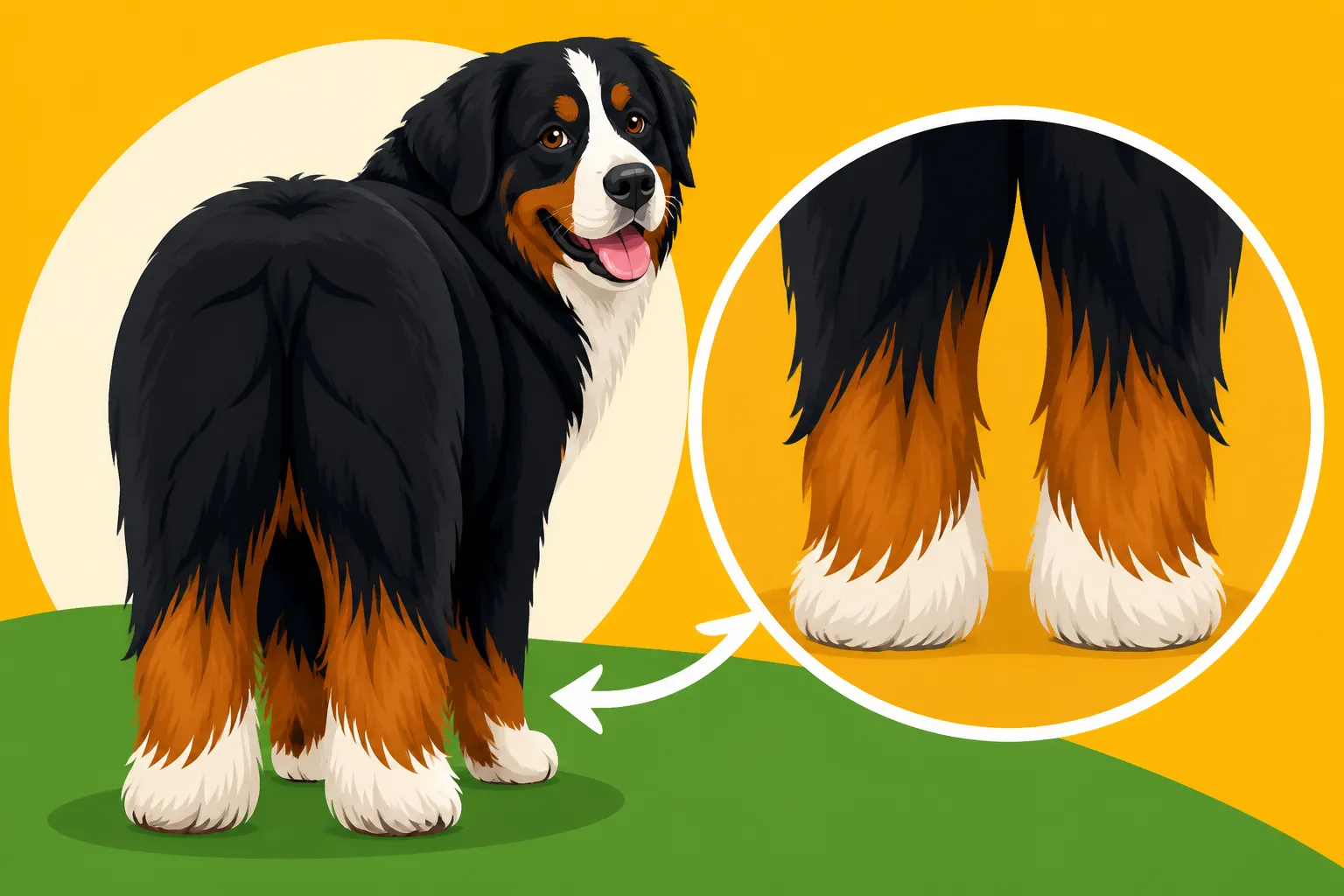
When we talk about a Bernese Mountain Dog's "trousers," we're not talking about fashion, though they certainly add to their stylish appearance! We're referring to the longer, thicker feathering that grows on the back of their hind legs and across their rear, often extending down towards their hocks. This distinctive characteristic is part of what makes the Bernese Mountain Dog so visually striking, contrasting beautifully with the shorter hair on their main body.
Defining the Feathered Hind End
Imagine your Berner standing proud; those beautiful, flowing locks that start around their hips, run down the backs of their thighs, and continue all the way down to just above their paws – that's the "trousers." They're not just for show; this longer coat served a purpose in the snowy, rugged Swiss Alps where the breed originated. It provided extra insulation and protection from the elements, much like a pair of thermal leggings. These feathers contribute significantly to the breed's rustic, yet elegant, appearance as described in the breed standard. They should ideally be soft, silky, and somewhat wavy, never coarse or curly.
While beautiful, this long, flowing hair is naturally thicker and denser than the body coat, making it a prime location for collecting debris and developing knots. It’s a bit like having really long, thick hair yourself – it just requires a bit more attention and care to keep it looking its best and, more importantly, to keep your dog comfortable and healthy. Understanding this unique characteristic is the first step in effective grooming, recognizing that this area demands a slightly different approach than the rest of their coat.
The Double Coat and Feathering Explained
The Bernese Mountain Dog possesses a glorious double coat, which is the foundation for those impressive trousers. This isn't just one layer of hair; it's two distinct layers working in harmony. You have the outer coat, which is longer, somewhat coarse, and designed to repel water and dirt, protecting the dog from rain and snow. Beneath this lies the undercoat – a dense, soft, woolly layer that acts as the dog's personal thermoregulator, keeping them warm in winter and cool in summer.
The feathering on the hind legs, as well as The Feathering on a Bernese Mountain Dog's Legs, is essentially an extension of this double coat, but with the outer guard hairs growing significantly longer and often softer. This length means the feathering is more exposed to friction, movement, and environmental factors. When your Berner sits, rolls, or runs through tall grass, these trousers are constantly rubbing against surfaces and collecting whatever they come into contact with. The combination of length, density, and exposure makes them particularly susceptible to matting, a common challenge for Berner owners. It’s this intricate coat structure that makes regular, thoughtful grooming absolutely non-negotiable for these magnificent dogs.
The Unique Challenges of Hind End Grooming
Anyone who has shared their life with a Bernese Mountain Dog knows that their stunning coat comes with its own set of responsibilities. And when it comes to the hind end, those responsibilities seem to multiply! The combination of long, dense hair and the active, curious nature of a Berner makes this area particularly prone to a host of common, yet frustrating, grooming issues.
Mats, Tangles, and Burrs
Let's face it, mats are the bane of any long-haired dog owner's existence, and a Berner's trousers are a prime target. Mats form when shedding undercoat gets trapped within the longer guard hairs, then gets tangled and compacted. This process is accelerated by friction – think about where your dog lies down, how they sit, or how they move their legs during walks. The backs of the thighs, the area behind the knees, and the "skirt" around their rear are constantly rubbing, creating perfect conditions for mats to develop.
Environmental factors are huge contributors too. A fun romp through a field can turn into a nightmare of burrs, stickers, and twigs woven inextricably into the delicate feathering. Even a brisk walk on a windy day can cause the hair to tangle upon itself. Once a mat starts, it pulls on the skin, causing discomfort and even pain. If left unchecked, these mats can grow into solid felted masses that restrict movement, trap moisture, and lead to skin infections. It's not just about aesthetics; severe matting can become a serious health issue. This is why addressing tangles quickly and consistently is so important.
Dirt, Debris, and "Dingleberries"
Beyond the aesthetic challenge of mats, the hind end trousers also pose a significant hygiene challenge. Their proximity to the ground and, let's be frank, to the dog's rear end, means they are constantly exposed to dirt, mud, and fecal matter. A wet, muddy walk quickly turns those beautiful white trousers into matted, brown, crusty nightmares. Mud Dried Into a Bernese Mountain Dog's Feathering is a visual no Berner owner wants to dwell on!
Then there's the infamous "dingleberry" dilemma. Longer hair around the anus can easily become soiled with fecal matter, especially if your Berner has loose stools. This isn't just unsightly; it's a hygiene concern. Trapped fecal matter can cause skin irritation, bacterial infections, and an unpleasant odor. It also requires immediate, sometimes messy, attention. This particular challenge highlights the need for meticulous care and potentially some strategic trimming in this very sensitive area. It's a testament to the hands-on nature of owning a Berner that we even have to discuss such things, but it's a reality every owner faces.
Essential Tools and Techniques for Trouser Care
Successfully managing a Bernese Mountain Dog's hind end trousers requires the right tools and a solid understanding of how to use them. It’s not just about brushing; it’s about a mindful approach that prioritizes your dog’s comfort and the health of their coat. Investing in quality tools and learning proper techniques will save you a lot of frustration and keep your Berner looking and feeling great.
Brushes, Combs, and Rakes
You can't fight the mat monster with just any old brush. A Bernese Mountain Dog's double coat and long feathering demand specific tools. Here's what I recommend having in your grooming kit, and you can find many of these essential items readily available on platforms like Chewy or Amazon:
- Slicker Brush: This brush has fine, wire pins packed closely together on a flat or curved surface. It’s excellent for removing loose hair from the undercoat and gently teasing out small tangles in the topcoat. Use it with light, outward strokes to avoid scratching the skin.
- Metal Comb (Coarse/Fine): An absolute must-have. Start with the coarse teeth to work through larger sections, then switch to the finer teeth to ensure there are no hidden tangles. A good metal comb will go all the way to the skin. This is your detector for mats.
- Undercoat Rake: This tool has long, widely spaced teeth designed to penetrate the dense outer coat and pull out shedding undercoat. This is crucial for preventing mats before they even form, especially during heavy shedding seasons. Getting a Rake Down Through a Bernese Mountain Dog's Coat can feel like a workout, but it’s incredibly effective.
- Dematter Tool/Mat Splitter: For those inevitable, stubborn mats that have already formed. These tools have sharp, curved blades designed to cut through mats without pulling excessively on the skin. Use them with extreme caution and always away from the skin.
- Blunt-nosed Scissors: Essential for carefully snipping out small, intractable mats or for hygiene trims around the rear end. Again, always use extreme caution and point the blades away from the dog's skin.
Equipping yourself with these tools is the foundation of successful grooming. Don't cheap out on them; good quality tools last longer and are far more effective and comfortable for your dog.
The Art of Brushing and Detangling
Brushing a Berner's trousers isn't a quick swipe; it's a methodical process that requires patience and a gentle hand. Your goal is to get all the way down to the skin without causing discomfort.
- Preparation: Always start with a dry coat. Brushing wet hair can pull and cause pain, and it can also make mats tighter. Find a comfortable spot for your Berner, perhaps on a grooming table if you have one, or simply on the floor with a non-slip mat. Treats are your friend here!
- Sectioning: Imagine the hind leg and rear area in sections. It’s overwhelming to tackle it all at once. Use your hand to part the hair, working on small sections at a time.
- Using the Rake: Begin with the undercoat rake, gently pulling it through the coat from root to tip, especially in the thickest areas. This removes loose undercoat. Work in the direction of hair growth.
- Slicker and Comb: Follow with the slicker brush to smooth the outer coat and catch any surface tangles. Then, take your metal comb and use the "line brushing" technique: part the hair and comb a small section from the skin outwards, ensuring the comb glides smoothly through. If it snags, you've found a tangle.
- Detangling Mats: For any knots or mats you encounter, do not pull. Instead, gently work them apart with your fingers if possible. If it's more stubborn, use a dematter tool or mat splitter, carefully working it into the mat from the edge, slicing it into smaller sections. Once the mat is split, use your slicker brush and comb to brush out the smaller tangles. For truly tight, painful mats, it's often best to carefully snip them out with blunt-nosed scissors, always keeping the blunt end towards the skin. Remember, patience is key here. If your dog gets anxious, take a break.
Consistency is vital. Regular brushing, even for just 10-15 minutes a few times a week, can prevent major matting. Waiting until a mat is large and tight will make the process much more difficult and painful for your Berner.
Strategic Trimming vs. Shaving
There's a common misconception that shaving a Bernese Mountain Dog, especially in summer, is a good way to keep them cool or reduce grooming time. However, What Shaving Does to a Bernese Mountain Dog's Insulation is a critical topic that every Berner owner should understand. Shaving a double-coated breed can actually do more harm than good. It removes their natural insulation, making them more susceptible to both heatstroke and sunburn. It can also permanently damage the coat, leading to uneven regrowth, a coarser texture, and a diminished ability to regulate body temperature.
Instead of shaving, we talk about strategic trimming. This is about neatening and maintaining, not removing the protective layers. For the trousers, this can mean:
- Hygiene Trim: This is probably the most common and beneficial trim for the hind end. Carefully trim the hair around the anus and genitals to about an inch or two in length. This significantly reduces the chances of fecal matter getting stuck (those dreaded dingleberries) and helps keep the area clean. Always use blunt-nosed scissors and work slowly and carefully, holding the skin taut and pointing the scissors away from the body.
- Foot Trims: While not strictly part of the "trousers," the hair on a Berner's feet (especially between the pads and around the toes) can also get long and collect debris. Trimming this can improve traction and reduce tracking dirt indoors.
- Feathering Tidy-up: If the feathering on the back of the legs becomes excessively long, dragging on the ground, or perpetually getting matted despite regular brushing, you can very lightly trim the ends. The goal is just to neaten and reduce the bulk, not to shorten it dramatically. Always maintain the natural flow and length as much as possible, following the natural lines of the leg.
The key message here is to enhance the coat's natural function and appearance, not to strip it away. When in doubt about trimming, consult a professional groomer experienced with double-coated breeds. They can show you how to perform these trims safely and effectively.
Maintaining Hygiene and Preventing Problems
Consistent care is the cornerstone of keeping your Bernese Mountain Dog's hind end trousers healthy and beautiful. It's an ongoing commitment, but by building good habits, you can prevent many of the common issues that can lead to discomfort for your Berner and frustration for you.
Regular Cleaning Routines
Daily life with a Berner involves dirt, mud, and sometimes, unfortunate incidents. Having a solid routine for cleaning the hind end is paramount.
- Post-Walk Wipe Downs: After every walk, especially if it's been wet or muddy, take a moment to inspect and wipe down your Berner's trousers. Keep a designated "dog towel" by the door. For damp or muddy areas, a quick wipe can prevent dirt from drying and becoming embedded. For more stubborn grime, pet-safe grooming wipes can be incredibly effective. Companies like Chewy offer a wide range of suitable wipes that are gentle on your dog's skin.
- Targeted Baths: While full baths aren't usually a daily or even weekly affair for a Berner, targeted spot cleaning of the hind end can be. If the trousers get particularly soiled, you might need to give a quick wash just to that area. Use a mild, dog-specific shampoo and rinse thoroughly. Allowing soap residue to remain can irritate the skin and lead to more matting. Shampoo for a Bernese Mountain Dog's Double Coat is something to look for carefully, ensuring it's appropriate for their skin and coat type.
- Dry Shampoos and Sprays: For a quick refresh between washes, a good quality pet-safe dry shampoo or deodorizing spray can help keep the trousers smelling fresh and feeling soft. These products can be found on Amazon and are great for those days when a full wash isn't practical but a quick clean-up is necessary. Always brush thoroughly after applying dry shampoo to distribute it and remove any residue.
These small, consistent efforts go a long way in preventing the buildup of dirt and debris that can lead to mats and skin problems.
Dealing with Seasonal Shedding
Bernese Mountain Dogs are renowned for their magnificent double coats, which means they are also famous for their shedding! This isn't just a nuisance; it's a critical factor in hind end coat health. Shedding occurs year-round, but it reaches peak intensity during seasonal "blows," particularly in spring and fall. Spring, When a Bernese Mountain Dog's Undercoat Lets Go is a time when you’ll swear your house is made of Berner fluff.
During these heavy shedding periods, the dead undercoat gets trapped within the longer guard hairs of the trousers, creating a perfect storm for mat formation. If this loose hair isn't removed regularly, it quickly compacts into dense, painful mats.
Here’s how to manage it:
- Increase Grooming Frequency: During peak shedding, your regular brushing routine needs to intensify. Instead of a few times a week, you might need to brush daily, focusing heavily on the hind end. The undercoat rake becomes your best friend during this time.
- Force Dryer (Optional but Recommended): If you have a force dryer (a powerful, cool-air blower designed for dogs), this tool can be incredibly effective for blasting out loose undercoat. It helps to separate the hairs and push out the dead fluff, significantly reducing the amount of hair that can form mats. You can find excellent force dryers on Amazon or Chewy.
- Professional Grooming: Consider professional grooming appointments specifically for de-shedding treatments during these times. A professional groomer has high-powered tools and techniques to efficiently remove large amounts of loose undercoat, giving you and your Berner a much-needed break from the endless fluff.
By proactively addressing shedding, especially on the hind end, you’re not just managing hair; you’re preventing discomfort and maintaining the integrity of your dog's beautiful coat. Ignoring it will inevitably lead to more significant matting issues. How Much a Bernese Mountain Dog Sheds in a Week during these times can be astonishing, so be prepared!
Nutritional Support for a Healthy Coat
While external grooming is essential, what goes into your Bernese Mountain Dog's bowl plays a significant role in the overall health and quality of their coat, including those magnificent trousers. A healthy coat starts from within.
- High-Quality Diet: Ensure your Berner is on a well-balanced, high-quality dog food. Look for formulas that list a named meat source as the first ingredient. A diet rich in essential nutrients supports healthy skin and coat. Some brands, like Ollie, focus on fresh, human-grade ingredients that can contribute to a vibrant coat.
- Omega Fatty Acids: Omega-3 and Omega-6 fatty acids are particularly beneficial for coat health. They help keep the skin hydrated and the coat shiny, strong, and less prone to breakage and matting. Many premium dog foods include these, but you can also supplement with fish oil (salmon oil, cod liver oil) or specific omega-rich supplements. Always consult your vet before adding supplements to your dog's diet to ensure appropriate dosing.
- Hydration: Just like for humans, adequate hydration is crucial for healthy skin and hair. Ensure your Berner always has access to fresh, clean water. A well-hydrated dog will generally have healthier skin and a more supple coat.
A dog with a dull, brittle, or excessively dry coat may be more prone to matting and skin irritation. While diet won't magically eliminate all grooming needs for the trousers, it certainly provides the best possible foundation for a resilient, beautiful, and easier-to-manage coat.
Addressing Specific Hind End Issues
Even with the most diligent regular care, specific issues can pop up with a Bernese Mountain Dog's hind end trousers. Knowing how to address these unique challenges can prevent them from escalating and ensure your Berner stays comfortable.
When Mats Become a Medical Concern
We've talked about mats, but sometimes they go beyond being a grooming nuisance and become a serious medical concern. When mats are left unchecked, especially in sensitive areas like the hind end, they can have significant health implications for your Bernese Mountain Dog.
- Skin Irritation and Infection: Mats pull on the skin, creating constant tension and discomfort. This can lead to localized inflammation, redness, and hot spots. The tight matting also traps moisture and dirt against the skin, creating a perfect breeding ground for bacteria and yeast, which can result in painful skin infections. You might notice your dog scratching, biting, or licking the matted area excessively, further exacerbating the problem.
- Restricted Movement: Severe matting can become so extensive that it forms a "cast" around a limb or part of the body. In the hind legs, this can restrict your Berner's ability to walk, run, or even sit comfortably. They might become reluctant to move, which can then lead to secondary issues like muscle atrophy or joint stiffness.
- Parasites: Tightly matted fur can also hide fleas, ticks, and other external parasites, making them difficult to detect and treat. These parasites can then cause further skin irritation and even transmit diseases.
If you encounter mats that are extremely tight, cover a large area, are causing obvious pain, or if the skin underneath appears red, inflamed, or oozing, it's time to call your veterinarian or a professional groomer immediately. Attempting to remove severe mats yourself at home can be incredibly painful for your dog and may cause further injury to the skin. In some cases, sedation might be necessary for safe and humane mat removal by a professional. This is a situation where prevention truly is the best medicine.
Managing "Dingleberry" Dilemmas
Ah, the "dingleberry" – that rather unglamorous term for fecal matter caught in the hind end fur. It's a common, if unpleasant, reality for Bernese Mountain Dog owners with those long trousers. Beyond being visually unappealing, dingleberries are a significant hygiene issue and can lead to skin problems.
- Immediate Cleanup: The moment you notice a dingleberry, it needs to be addressed. Don't wait. Use a damp cloth or pet-safe grooming wipe to gently remove the offending matter. If it's dried on, you might need to use blunt-nosed scissors to carefully snip away the soiled fur, always being mindful of the skin underneath.
- Hygiene Trim: This is your strongest preventative measure. Regular trimming of the hair around your Berner's anus to a shorter, manageable length (often called a "sanitary trim" or "potty patch") will drastically reduce the chances of fecal matter getting caught. Aim for about an inch or two of length, ensuring the area is clear for easy passage. If you're unsure how to do this safely, ask a professional groomer to show you or do it for you.
- Dietary Considerations: Sometimes, persistent dingleberries are a sign of consistently loose stools, which can be diet-related. If your Berner frequently has soft or watery stool, consult your veterinarian. They might recommend a dietary change to a food that promotes firmer stools. Brands like Ollie, which focus on fresh ingredients, might be a good option to discuss with your vet if digestive issues are a concern, as they often lead to more consistent bowel movements. A healthier gut often means cleaner trousers.
- Regular Inspections: Make it a habit to quickly check your Berner's hind end after every potty break. A quick glance can save you a much bigger cleanup later.
Managing dingleberries is all about proactive measures and swift action. It's not the most glamorous part of Berner ownership, but it's crucial for their comfort and cleanliness.
Older Berners and Mobility Challenges
As our beloved Bernese Mountain Dogs age, they often face mobility challenges due to conditions like arthritis or Arthritis in a Bernese Mountain Dog by Six. These issues can make grooming, especially of the hind end, significantly more difficult and uncomfortable for them. Caring for a Bernese Mountain Dog After Six involves adapting many routines, and grooming is no exception.
- Pain Management: If your older Berner is experiencing joint pain, consult your vet about pain management options. When they are more comfortable, they will be more tolerant of grooming. Trying to groom a dog in pain will only increase their anxiety and resistance.
- Comfortable Positions: A dog struggling with arthritis may not be able to stand for long periods or lift their legs easily. Instead of forcing them into uncomfortable positions, try grooming them while they are lying down on a soft, orthopedic bed. Break up grooming sessions into shorter, more frequent intervals to prevent fatigue. Grooming a Bernese Mountain Dog That Cannot Stand means you need to get creative and patient.
- Support Harnesses: For some older Berners, a supportive harness designed to help lift their hind end can make standing for short periods easier, aiding in quicker grooming tasks like hygiene trims.
- Gentle Touch: Always use an extra gentle touch with older dogs. Their skin might be thinner or more sensitive, and they might have less patience for tugging or rough brushing. Use your most forgiving brushes and combs, and prioritize comfort over perfection.
- Professional Assistance: Don't hesitate to enlist the help of a professional groomer who has experience with senior dogs. They often have hydraulic grooming tables, ramps, and techniques that can make the grooming process much less stressful for an older Berner. They can also perform tasks like nail trims, which become increasingly difficult as mobility declines.
Adapting your grooming approach for an older Bernese Mountain Dog is a loving act of care. It allows them to maintain their dignity and comfort even as their bodies start to slow down.
Beyond the Basics: Living with the Trousers
Caring for a Bernese Mountain Dog's magnificent hind end trousers isn't just about the grooming session itself; it's about integrating specific strategies into your daily life to keep them healthy and beautiful. It's a continuous effort that involves both proactive measures outdoors and diligent management indoors.
Protecting the Coat Outdoors
Life with a Bernese Mountain Dog means enjoying the great outdoors, but it also means those beautiful trousers are constantly exposed to whatever nature throws their way. Protecting the coat while still allowing your Berner to enjoy their adventures is a balancing act.
- Avoidance (When Possible): While you can't always control where your Berner goes, try to steer clear of areas known for thick burrs, sticky seeds, or dense thorny bushes, especially during certain seasons. A five-minute detour can save you an hour of detangling.
- Post-Adventure Check: Make it a ritual to thoroughly check your Berner's hind end immediately after coming in from walks, hikes, or romps in the park. This is where you'll catch those sneaky burrs and twigs before they embed deeply or cause significant matting. Removing them when they're fresh is much easier than waiting.
- Muddy Conditions: As mentioned before, mud is the enemy of clean trousers. If you live in an area prone to mud, consider investing in a dog coat or splash bib that covers the hindquarters during walks. While not always practical for full coverage, even partial protection can help. Otherwise, a designated wash station at your back door with warm water and towels is invaluable for hosing down muddy paws and feathering. Remember Mud Dried Into a Bernese Mountain Dog's Feathering is much harder to remove!
- Snow and Ice: Winter can bring its own challenges. Snow and ice can cling to the long fur, forming painful ice balls, especially on the legs and feathering. Applying a thin layer of pet-safe paw balm or even a little cornstarch to the trousers before a snowy walk can help prevent snow from sticking. Again, immediate brushing and thorough drying after coming indoors is crucial to prevent mats and skin irritation. Remember how Snow Balling Up in a Bernese Mountain Dog's Coat can be a major issue.
By being mindful of their environment and taking immediate action after outdoor activities, you can significantly reduce the wear and tear, and the grooming burden, on your Berner's beautiful trousers.
Keeping Your Home Clean
Let's be honest, living with a Bernese Mountain Dog means living with dog hair. Those abundant trousers contribute significantly to the shedding, and they are also excellent at tracking in dirt, dust, and debris. Keeping a House Livable With a Bernese Mountain Dog is a challenge many owners embrace, and managing the trousers is a big part of it.
- Regular Brushing: This is your first line of defense against dog hair in the house. The more hair you remove during a dedicated grooming session, the less will end up on your furniture and floors. Concentrate on those trousers with your undercoat rake and slicker brush, especially during shedding season.
- Strategic Placement of Mats/Rugs: Place absorbent mats or rugs near all entryways. This provides a designated spot for your Berner to wipe their paws and for you to quickly wipe down their legs before they track dirt further into the house.
- Vacuuming Power: Invest in a good quality vacuum cleaner designed to handle pet hair. Look for models with strong suction and specialized attachments for upholstery. You'll be using it frequently, especially in areas where your Berner spends a lot of time.
- Furniture Covers: If your Bernese Mountain Dog is allowed on furniture, consider using washable furniture covers or throws. These can be easily removed and laundered, making cleanup much simpler than trying to de-hair upholstery directly.
- Dedicated Cleaning Supplies: Keep lint rollers, pet-safe fabric deodorizers, and floor wipes easily accessible. Quick clean-ups prevent accumulation. It's often said that a Berner owner's most used household item is their vacuum and lint roller, and it's certainly true when it comes to managing those magnificent trousers!
While you'll never completely eliminate Berner hair from your life, these strategies can make living with a long-coated breed much more manageable and keep your home cleaner and more pleasant for everyone.
Here’s a quick overview of essential grooming tools for those majestic Bernese Mountain Dog trousers:
| Tool Type | Primary Function | Key Benefit | When to Use It |
|---|---|---|---|
| Slicker Brush | Removes loose topcoat hair & small tangles | Gentle, effective for daily maintenance | Regular brushing, after undercoat rake |
| Metal Comb | Detangles, checks for mats, gets to the skin | Indispensable for mat detection | After brushing, to ensure no hidden tangles remain |
| Undercoat Rake | Extracts shedding undercoat | Prevents mat formation, reduces shedding | During heavy shedding seasons, weekly maintenance |
| Dematter Tool | Cuts through stubborn mats | Helps break down large, tight mats | For severe, persistent mats (use with care) |
| Blunt-nosed Scissors | Precision trimming, hygiene cuts, snips small mats | Safe for sensitive areas and small tasks | Hygiene trims, carefully removing tiny mats |
| Pet Grooming Wipes | Quick cleaning for dirt & minor messes | Convenient for spot cleaning | After walks, for minor dingleberry cleanup |
Disclaimer
This article is for general informational purposes only and does not constitute professional advice. Laws, prices and regulations vary by location and change over time. Consult a qualified professional for guidance on your specific situation.