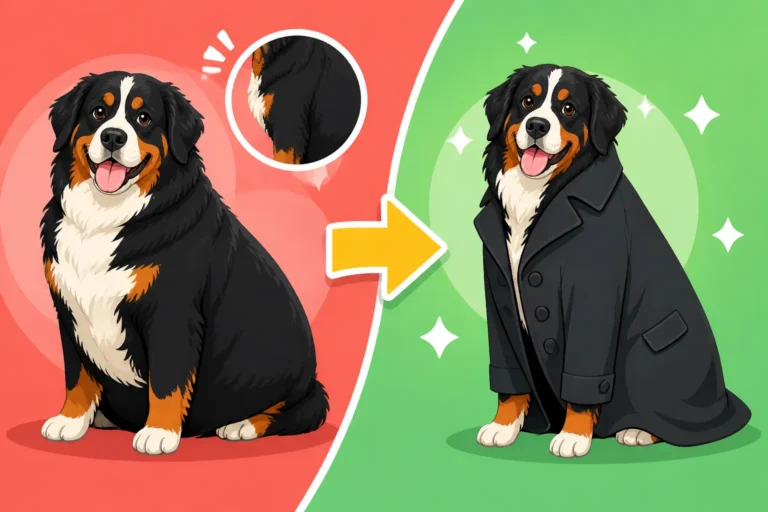
Whether Treats Push a Bernese Mountain Dog Over Weight
It's an absolute joy to share a moment with our beloved Bernese Mountain Dogs, and what better way to show our affection than with a tasty treat? But those wagging tails and soulful eyes can make us forget that every little bit adds up, especially for a large breed with a predisposition to joint issues. This guide is all about navigating the world of treats, helping you understand how they can impact your Berner's weight, and providing practical strategies to keep your furry friend happy, healthy, and at an ideal body condition without sacrificing those precious treat-giving moments.
The Hidden Calories in Those "Little" Treats
We often think of treats as inconsequential, small rewards that couldn't possibly contribute to a hundred-pound dog's overall weight. But this mindset, while well-intentioned, can be a sneaky saboteur of your Berner's health. The calories in treats are very real, and they can add up faster than you'd think.
Reading the Nutritional Label (Yes, Even for Treats!)
Let's be honest, how many of us meticulously check the nutritional label on a bag of dog treats? Probably not as many as we do for our own groceries. We grab the cute bone-shaped biscuits or the tempting jerky sticks, assuming they're fine. The problem is, many commercial treats, even those marketed as "natural" or "healthy," can be surprisingly calorie-dense. They often contain grains, added sugars, and fats that make them palatable but also pack a caloric punch.
Think about it: a small dog biscuit might be just 20 calories. Sounds negligible, right? But if you're giving five of those throughout the day – for potty breaks, for coming when called, for just being adorable – that's 100 extra calories. For a breed like a Bernese Mountain Dog, especially one that might already be on the edge of their ideal weight, those calories quickly become significant. It’s not uncommon for a few treats to account for 10-20% of their daily caloric intake, sometimes even more if they’re high-value, richer options. This is why it's vital to actually look at the "guaranteed analysis" and caloric content per treat. Many brands are getting better at providing this information directly on the package or on their websites, and online retailers like Chewy often list this data clearly, making it easier to compare before you buy.
The "Treat Creep" Phenomenon
This is where the real challenge lies. It's not usually one single treat that pushes a Bernese Mountain Dog over weight; it's the accumulation of many "one-offs" that create what I like to call "treat creep." You give a treat for successful potty training, another for sitting patiently, a small piece of cheese for taking medication, and then your spouse comes home and gives a congratulatory biscuit for merely existing. Before you know it, your Berner has consumed a substantial number of extra calories without you even realizing it.
Consider a typical day: your morning routine includes two dental chews to keep those big teeth clean. Throughout the day, as you work from home, you reward quiet time with a small training kibble. The kids come home from school and each give a piece of jerky. Evening walk? Another few treats for good leash manners. And before bed, a nice big chew to settle down. While each individual act of treating comes from a place of love and good intention, the sum total can easily exceed what's healthy. It's a classic case of death by a thousand cuts, or in this case, weight gain by a thousand delicious crumbs. This insidious accumulation can make it incredibly difficult to understand The Body Condition a Bernese Mountain Dog Should Carry because the weight slowly creeps on over months.
Why Weight Management is Crucial for Bernese Mountain Dogs
For a Bernese Mountain Dog, maintaining an ideal weight isn't just about aesthetics; it's absolutely critical for their long-term health and comfort. This majestic breed already faces significant health challenges, and excess weight only compounds these issues, potentially shortening their already too-brief lifespans. Why a Bernese Mountain Dog Lives Only Seven or Eight Years is a topic close to our hearts, and managing weight is one way we can try to improve those precious years.
The Strain on Their Joints and Frame
Bernese Mountain Dogs are big dogs, designed for strength and endurance in the Swiss Alps, not for carrying extra fat. They are unfortunately predisposed to a range of orthopedic problems, including hip and elbow dysplasia, osteochondritis dissecans (OCD), and various forms of arthritis. Even a few extra pounds can dramatically increase the strain on these vulnerable joints.
Imagine a hundred-pound dog, already carrying a significant load, now adding another 10 or 15 pounds. This additional weight translates to increased pressure on cartilage, ligaments, and bones. It accelerates the wear and tear on joints that might already be genetically compromised. A Bernese Mountain Dog with perfectly "fair" hips, for example, might manage well at an ideal weight, but those same hips could quickly become painful and debilitating under the stress of obesity. We see this play out in sad scenarios where dogs struggle with Joint Disease in a Hundred Pound Bernese Mountain Dog or experience Hips That Fail Under a Bernese Mountain Dog's Weight much earlier than they might have otherwise. The extra weight acts like a constant, low-grade injury, leading to inflammation and accelerating the progression of degenerative joint diseases. This can lead to a reduced quality of life, chronic pain, and a reliance on medication or costly interventions like surgery, which are always more complicated when dealing with a larger, heavier dog.
Other Health Risks of Obesity
Beyond the obvious joint issues, obesity in Bernese Mountain Dogs carries a host of other serious health risks. Just like in humans, excess fat isn isn't just inert; it's metabolically active, releasing hormones and inflammatory compounds that can wreak havoc on a dog's entire system.
One of the most terrifying conditions for deep-chested breeds like the Berner is Bloat, or Gastric Dilatation-Volvulus (GDV). While the exact link between obesity and bloat isn't always clear-cut, an overweight dog might have more fat in their abdominal cavity, potentially altering organ placement or making them less resilient to the sudden onset of Bloat in a Deep-Chested Bernese Mountain Dog. Furthermore, overweight dogs often have a more sedentary lifestyle, which can contribute to other issues.
Obesity is also a significant risk factor for metabolic diseases like diabetes, heart disease, and certain types of cancer. The inflammatory state associated with excess fat can suppress the immune system and make dogs more susceptible to various illnesses. Overweight Berners also struggle more with heat regulation. Their thick, double coats already make them prone to overheating, and a layer of insulating fat only makes it worse, putting them at higher risk for Heat and the Bernese Mountain Dog's Black Coat on warm days. Furthermore, their overall stamina and energy levels will plummet, making exercise a chore rather than a joy, creating a vicious cycle where less activity leads to more weight gain. This is why proactive weight management is such a fundamental part of their care, potentially allowing them to live more comfortably for longer.
Smart Treating Strategies for a Healthy Berner
Okay, so we've established that treats, while lovely, can be problematic. But that doesn't mean we have to cut them out entirely! It's all about being smart, intentional, and understanding how to integrate them into a healthy lifestyle. This way, you can still enjoy those bonding moments without jeopardizing your Berner's well-being.
Treat Calorie Budgeting
The first and most effective strategy is to treat your dog's treats like actual food. They are calories, and they need to be accounted for. A good rule of thumb is that treats should make up no more than 10% of your dog's total daily caloric intake. This means if your Berner needs 2000 calories a day, only 200 of those should come from treats. This might sound restrictive, but it forces you to be mindful.
Here’s how to put it into practice:
- Know your dog’s daily caloric needs: This is best determined by your veterinarian, who can assess your Berner's age, activity level, and ideal weight. Don't guess!
- Read treat labels: Once you know the calorie count per treat, you can calculate how many fit into that 10% budget. If a treat is 50 calories, your 200-calorie budget means only four of those treats a day.
- Adjust main meals: If you know you're going to have a high-treat day (perhaps for a training class or a special occasion), reduce your Berner's regular food portion slightly to compensate. This keeps their total caloric intake balanced.
- Break them up: Many treats are much larger than necessary for a reward. A single biscuit can often be broken into two, three, or even four smaller pieces, giving you more "treat events" for the same caloric cost.
This budgeting approach might feel like work initially, but it quickly becomes second nature and is one of the most powerful tools in preventing weight gain.
Healthy, Low-Calorie Alternatives
Not all treats are created equal. Instead of relying solely on commercial biscuits, consider incorporating healthier, lower-calorie options into your Berner's diet. Many human foods are perfectly safe and much healthier choices.
Here are some great options:
- Vegetables: Baby carrots, green beans, cucumber slices, and small pieces of bell pepper (avoid spicy ones). Many Berners absolutely adore the crunch of a carrot!
- Fruits: Apple slices (no seeds!), banana slices (in moderation due to sugar), and blueberries.
- Plain, cooked lean meat: Small, unseasoned pieces of cooked chicken or turkey breast.
- Ice cubes: A wonderful, calorie-free, hydrating "treat" on a warm day, especially relevant for Getting a Bernese Mountain Dog Through Summer.
When choosing commercial treats, look for options specifically labeled as "low-calorie" or "lite." Many reputable brands offer these, often using ingredients like sweet potato or peas as fillers rather than excessive grains or sugars. You can often find a wide array of healthier, limited-ingredient treats on platforms like Amazon or Chewy. Some dog food delivery services, like Ollie, might even offer healthier treat alternatives as part of their broader, fresh food approach. Always double-check that any human food is safe for dogs and given in appropriate, small quantities. Avoid anything with xylitol, grapes, raisins, onions, garlic, or chocolate, as these are toxic.
Non-Food Rewards
This is perhaps the most overlooked, yet incredibly effective, treating strategy. Bernese Mountain Dogs are intelligent, affectionate, and deeply desire connection with their people. They don't always need a piece of food to feel rewarded. Often, praise, a good scratch, or a moment of play is just as valuable, if not more so.
Think about what truly motivates your Berner. Is it a quick game of tug with their favorite toy? A belly rub that makes their leg thump? A happy, enthusiastic "Good Dog!" with a loving pat? Many Berners live for these interactions.
Here are some ideas for non-food rewards:
- Verbal praise: Enthusiastic, high-pitched words of approval.
- Physical affection: Head scratches, belly rubs, ear massages, or a snuggle.
- Playtime: A quick toss of a ball, a tug on a rope toy, or a short chase in the yard.
- Access to favorite activities: "Good sit! Now let's go for a walk!" or "Excellent stay! Here's your favorite chew toy."
- Environmental rewards: Opening the door to the backyard, getting to greet a friendly person or dog (if appropriate and safe).
By diversifying your reward system, you not only reduce caloric intake but also strengthen your bond with your Berner in ways that go beyond food. It teaches them that your attention and approval are the highest forms of reward. This also makes Training a Bernese Mountain Dog Without Breaking It much more effective, as they learn to work for connection and praise rather than just a snack.
Monitoring Your Berner's Body Condition
Even with the best intentions and smart treating strategies, keeping a Bernese Mountain Dog at their ideal weight requires ongoing vigilance. Their dense coats can often hide subtle weight changes, making it easy to overlook a few extra pounds until they've become a significant problem. Regular monitoring and professional input are your best allies.
Learning to "Read" Your Dog's Body
While the scale gives you a number, your Berner's actual body condition tells the real story. This is more nuanced than just looking at them, especially with their luscious fur. You need to use your hands to "read" their body.
Here's how to assess your Berner's body condition score (BCS):
- Ribs: You should be able to easily feel your Berner's ribs with gentle pressure, similar to feeling the knuckles on your hand when your palm is flat. You shouldn't see them prominently, but feeling them without pressing hard is key. If you have to dig to find them, your dog is likely overweight. If they are very visible without any effort, your dog might be underweight.
- Waist: From above, your Berner should have a noticeable "tuck" in behind their ribs, before their hips. It shouldn't be a straight line from chest to tail. From the side, their abdomen should tuck up, not sag or be parallel to the ground.
- Spine and Hip Bones: You should be able to feel the top of their spine and the points of their hip bones, but again, they shouldn't be sharply prominent or visible.
Remember, a Bernese Mountain Dog's coat can be very deceiving. What looks like a healthy, robust dog might actually be an overweight one, hidden beneath layers of fur. Make a habit of performing a quick "rib check" every week. This tactile examination is far more reliable than just a visual assessment. Knowing The Body Condition a Bernese Mountain Dog Should Carry is crucial for their long-term health. If you notice signs of weight gain, it's time to start Taking Weight Off a Bernese Mountain Dog proactively.
Regular Vet Check-ups and Weight Discussions
Your veterinarian is your most valuable resource in managing your Bernese Mountain Dog's weight. During routine check-ups, they will assess your dog's weight and body condition and can offer objective, professional advice. These regular visits, especially for Screening an Older Bernese Mountain Dog, become even more critical.
Don't hesitate to initiate a conversation about weight during these visits, even if you don't think there's a problem.
- Ask for a BCS assessment: Request that your vet or vet tech give you their assessment of your Berner's body condition score and explain why.
- Discuss ideal weight ranges: Work with your vet to determine an ideal target weight and body condition for your individual dog, considering their age, activity level, and any existing health conditions.
- Review diet and treats: Be honest about what and how much you're feeding, including all treats, chews, and table scraps. Your vet can help you identify areas where calories might be sneaking in.
- Develop a plan: If weight loss is needed, your vet can help formulate a safe and effective plan, including dietary recommendations, exercise adjustments, and specific caloric targets. They can also rule out any underlying medical conditions that might contribute to weight gain, such as thyroid issues.
Remember, preventing obesity is much easier and healthier than trying to reverse it. By staying proactive with mindful treating and regular vet check-ups, you're investing in a longer, happier, and more comfortable life for your cherished Bernese Mountain Dog.
Disclaimer
This article is for general informational purposes only and does not constitute professional advice. Laws, prices and regulations vary by location and change over time. Consult a qualified professional for guidance on your specific situation.