What Shaving Does to a Bernese Mountain Dog’s Insulation
It’s a scorching summer day, and you glance at your beautiful Bernese Mountain Dog, panting heavily in the shade, their thick, luscious coat looking almost suffocating. The thought inevitably crosses your mind: "Wouldn't it be kinder to shave them for summer?" Many loving Berner owners grapple with this very idea, believing they're offering relief from the heat. This guide is here to walk you through precisely what happens when you shave a Bernese Mountain Dog's iconic double coat, revealing why this well-intentioned act can actually do more harm than good to their natural insulation and overall health.
Understanding the Bernese Mountain Dog's Unique Double Coat
To truly grasp why shaving a Bernese Mountain Dog is generally discouraged, we first need to appreciate the marvel that is their double coat. It's not just a beautiful aesthetic feature; it's a highly evolved, multi-functional system designed by nature to protect them from the elements in their native Swiss Alps, where temperatures can swing wildly. Thinking of their coat as just "fur" really misses the intricate engineering at play.
The Outer Guard Hairs – Nature's First Line of Defense
The top layer of your Bernese Mountain Dog's coat consists of what we call guard hairs. These are longer, coarser, and often straighter hairs that form a protective barrier. Imagine them as a natural raincoat and sun umbrella all rolled into one. Their texture and arrangement are specifically designed to repel water, keeping your Berner dry even in damp conditions, and to prevent dirt and debris from reaching the skin. They create a crucial shield, bouncing off harsh UV rays in the summer and breaking up cold winds in the winter.
These guard hairs are surprisingly robust and play a vital role in the overall health of the coat and skin underneath. They're like the shingles on a roof, neatly overlapping to create an impermeable layer. Without them, the softer, more delicate skin beneath is left completely exposed and vulnerable to everything the environment throws its way, from scorching sun to biting insects. Their integrity is paramount for your Berner's comfort and well-being.
The Soft, Dense Undercoat – The True Insulator
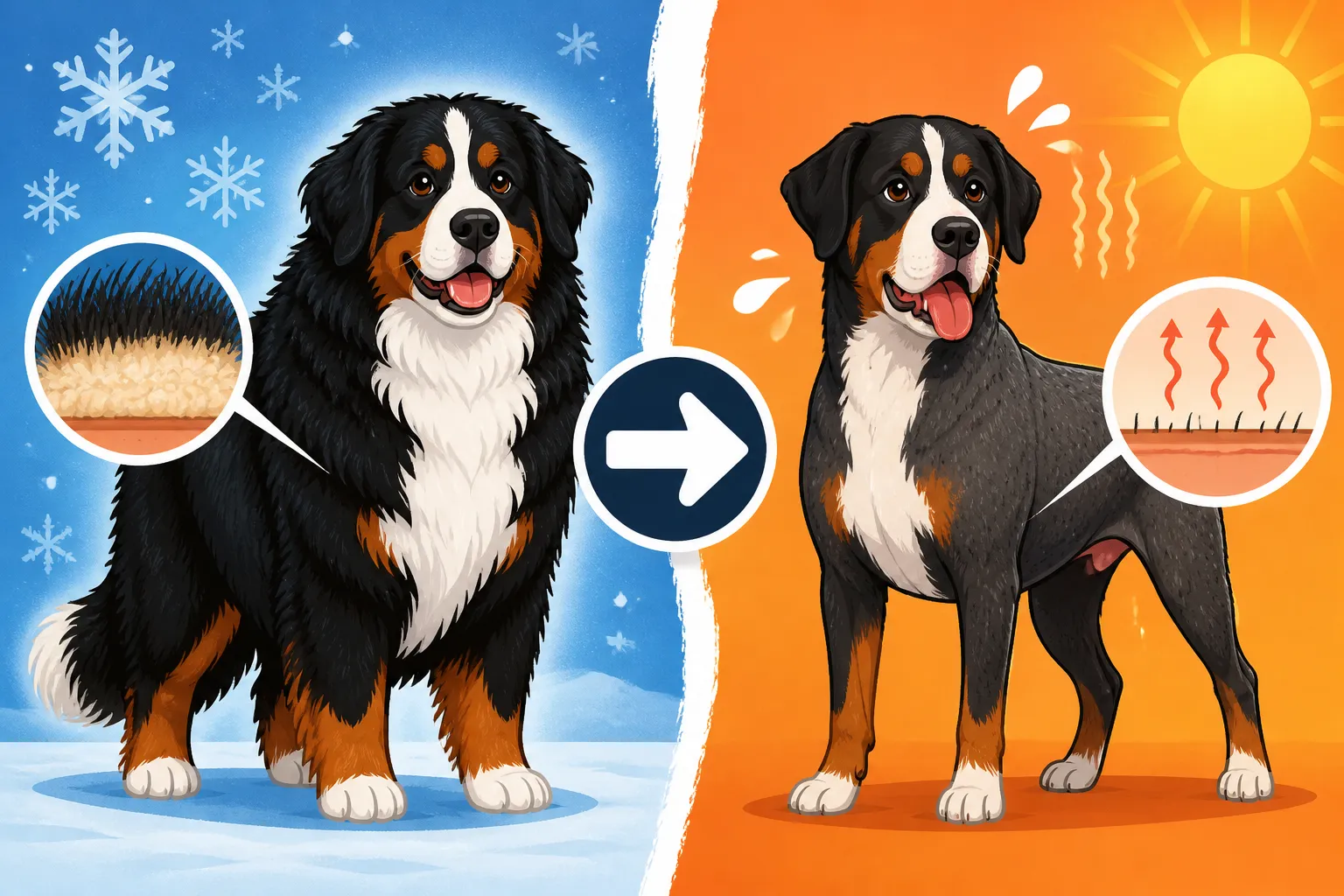
Beneath that protective layer of guard hairs lies the real magic: the undercoat. This layer is much shorter, incredibly soft, and exceptionally dense. It’s what gives your Bernese Mountain Dog that fluffy, voluminous look, especially after a good brushing. The undercoat's primary job is insulation – it traps a layer of air close to the dog's body, which then acts as a thermal regulator.
In winter, this trapped air helps retain body heat, keeping your Berner warm and cozy even when temperatures plummet. But here’s the often-misunderstood part: in summer, this same undercoat works to keep heat out. By creating a barrier of cooler air close to the skin and preventing direct sun exposure, it acts like an air conditioner, helping to dissipate excess heat away from the body. During the spring, your Berner will "blow their coat," shedding copious amounts of this dense undercoat to prepare for warmer weather, which is when regular Brushing Out a Bernese Mountain Dog's Undercoat becomes incredibly important.
How the Double Coat Regulates Body Temperature
The Bernese Mountain Dog’s double coat functions as a highly sophisticated climate control system. It's a testament to natural selection, perfectly adapted for environments with significant temperature fluctuations. In the colder months, the dense undercoat traps warm air generated by the dog's body, preventing it from escaping and keeping them warm. The guard hairs on top provide an additional layer of protection against wind, snow, and ice, shedding precipitation effortlessly.
When summer arrives, and your Berner isn't actively "blowing" their coat, the system shifts gears. The guard hairs stand slightly away from the body, creating tiny air pockets that allow air to circulate freely. This airflow, combined with the shade provided by the entire coat, helps prevent the skin from absorbing direct solar radiation. Think of it as a natural, breathable tent that keeps the sun off while allowing a breeze to pass through. This complex interaction between the two layers is precisely why simply removing the coat isn't the solution many people mistakenly believe it is for keeping them cool. For more on this, you might find Heat and the Bernese Mountain Dog's Black Coat a helpful read.
The Immediate and Long-Term Consequences of Shaving
While the thought of shaving your Bernese Mountain Dog for summer might seem like an act of kindness, it often leads to a cascade of unintended and detrimental effects. It’s crucial to understand that disrupting their natural coat system can have both immediate discomforts and long-lasting impacts on their health and the quality of their coat.
Destroying Natural Temperature Regulation
The most immediate and critical consequence of shaving a Bernese Mountain Dog is the complete disruption of their natural thermoregulation system. When you shave, you remove both the protective guard hairs and the insulating undercoat. This eliminates the carefully engineered layers that trap air for warmth in winter and provide crucial shade and air circulation in summer. Instead of feeling cooler, your Berner’s skin is now directly exposed to ambient temperatures, making them more susceptible to overheating in hot weather and feeling colder in cool conditions.
Without the air pockets created by the undercoat, heat can build up closer to the skin, and the sun's rays can penetrate unimpeded. This can lead to your Berner actually absorbing more heat from their environment, effectively turning them into a heat magnet. The natural "air conditioning" effect is gone, leaving them without their primary defense against extreme temperatures. It's a common misconception that less fur equals cooler, but for a double-coated breed like a Berner, the opposite is true. For further reading, check out The Case Against Shaving a Bernese Mountain Dog in June.
Increased Risk of Sunburn and Skin Damage
Exposing your Bernese Mountain Dog's skin to direct sunlight by shaving their coat carries a significant risk of sunburn. Just like humans, dogs can get sunburned, especially breeds with fair skin or less pigment, but even a Berner's generally pigmented skin isn't immune when its natural protection is removed. Sunburn can be incredibly painful, leading to redness, blistering, and peeling, much like a severe human sunburn.
Beyond immediate discomfort, prolonged or repeated sun exposure on shaved skin dramatically increases the risk of skin cancer, including squamous cell carcinoma and hemangiosarcoma. Berners, like many large breeds, are already prone to certain cancers, so adding unnecessary risk is something to avoid. Furthermore, the exposed skin becomes more vulnerable to insect bites, environmental irritants, and cuts or scrapes, all of which their thick coat would normally help prevent.
Coat Regrowth Issues and Texture Changes
One of the most frustrating and often permanent consequences of shaving a Bernese Mountain Dog is the damage it can do to their coat's future growth. When shaved, the undercoat often grows back much faster and thicker than the slower-growing guard hairs. This results in a coat that is dense, "cottony," or "woolly" in texture, rather than the smooth, slightly coarse feel of a healthy Berner coat. This altered texture is far less effective at repelling water and dirt, making grooming more challenging.
This uneven regrowth means the coat's natural function as an insulator and protector is compromised for the long term. The soft undercoat, now lacking the protective guard hairs to lie flat, can mat more easily, especially behind the ears, under the legs, and on the "trousers" of their hind end. Owners often report that once shaved, the coat never truly returns to its original texture and quality, becoming a perpetual grooming challenge that requires even more attention. This issue highlights why Grooming a Bernese Mountain Dog's Long Tricolor Coat focuses on maintaining its natural integrity.
The Myth of Shaving for Cooling and Other Misconceptions
The desire to shave a Bernese Mountain Dog often stems from a deeply ingrained, yet incorrect, assumption: that less fur automatically means a cooler dog. This couldn't be further from the truth for a double-coated breed like the Berner, and holding onto this myth can lead to practices that are actively harmful to their well-being.
Why Shaving Does NOT Cool Your Berner Down
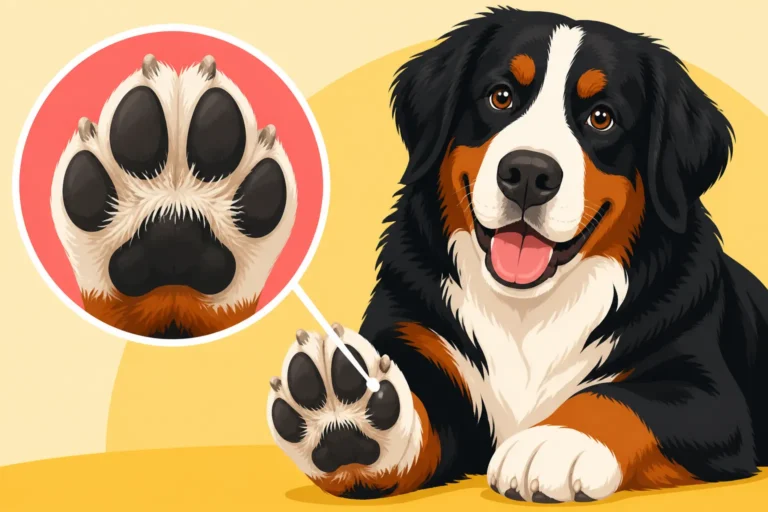
It's a common misconception, probably because we feel cooler with less clothing in the heat. But dogs don't sweat like we do; their primary methods of cooling are panting and dissipating heat through their paw pads. Their double coat, far from being an impediment, is actually an integral part of their cooling system. Think of their coat as a thermos. A thermos keeps hot drinks hot and cold drinks cold by providing insulation. Similarly, the Bernese Mountain Dog's coat traps a layer of air that helps regulate their body temperature, acting as a buffer against both extreme cold and extreme heat.
When you shave a Berner, you strip away this vital insulation. You remove the air pockets that allow for circulation and the physical barrier that shades their skin from direct sunlight. Without this, their skin absorbs more radiant heat from the sun and the environment. This means they actually get hotter, faster. They might pant more furiously, trying desperately to compensate for the loss of their natural air conditioning, placing additional stress on their system. While a gust of wind might feel nice for a moment on their exposed skin, the overall effect is counterproductive to true cooling.
Increased Risk of Skin Irritations and Allergies
Beyond the primary concern of temperature regulation, shaving introduces several other skin health risks. The process of shaving itself can be quite traumatic for a dog's skin. Clippers can cause "clipper burn," which appears as redness, irritation, or even small cuts on the skin, similar to razor burn in humans. These areas can be incredibly itchy and painful, leading to excessive scratching, which in turn can cause secondary skin infections.
Once the protective outer layer is gone, the skin is much more vulnerable to allergens in the environment, such as pollen, grass, or dust. Irritants that the guard hairs would normally deflect can now make direct contact, potentially triggering allergic reactions or general skin sensitivities. Furthermore, a shaved Berner is an easier target for biting insects like mosquitoes, fleas, and ticks, which can transmit diseases or cause irritating bites that become inflamed. The absence of the coat means less protection and a higher chance of developing hot spots or other skin ailments.
The Aesthetic Impact and Owner Regret
Let's be honest, part of the appeal of a Bernese Mountain Dog is their stunning, luxurious coat. Shaving them, even with the best intentions, often leads to significant aesthetic changes that many owners come to regret. As mentioned, the regrowth can be uneven, patchy, and often coarser or more woolly than the original coat. The vibrant tricolor markings might appear muted or distorted, and the beautiful plume of their tail can look sparse or bristly.
Many owners are genuinely shocked by how different their dog looks after a shave and how long it takes, if ever, for the coat to return to something resembling its former glory. This isn't just about superficial beauty; it speaks to the integral nature of their coat to their breed standard and overall health. Witnessing their beloved Berner with a damaged coat, knowing it was done with good intentions but poor understanding, can be a source of real sadness and regret for owners who cherished that fluffy, majestic appearance.
Better Ways to Keep Your Bernese Mountain Dog Comfortable in Warm Weather
Understanding the vital role of your Bernese Mountain Dog’s double coat means recognizing that shaving is not the solution for summer comfort. Instead, focus on supporting their natural cooling mechanisms and managing their environment effectively. There are plenty of safe, effective, and veterinarian-approved strategies to help your Berner beat the heat without compromising their unique coat.
Consistent and Proper Grooming is Key
Rather than shaving, the most effective way to help your Bernese Mountain Dog manage heat is through consistent and thorough grooming, especially during shedding season. This means regular brushing, often daily during spring and fall when they are Spring, When a Bernese Mountain Dog's Undercoat Lets Go. Investing in good quality deshedding tools, like a reliable undercoat rake or a dematting comb, available on sites like Amazon or Chewy, is essential.
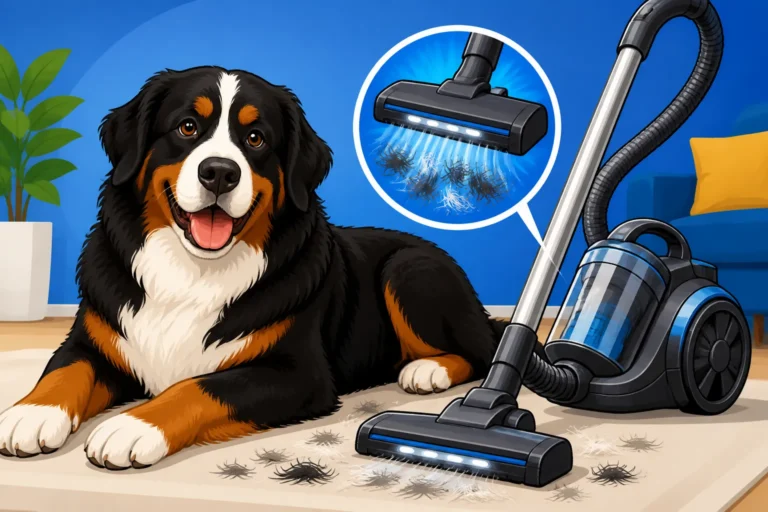
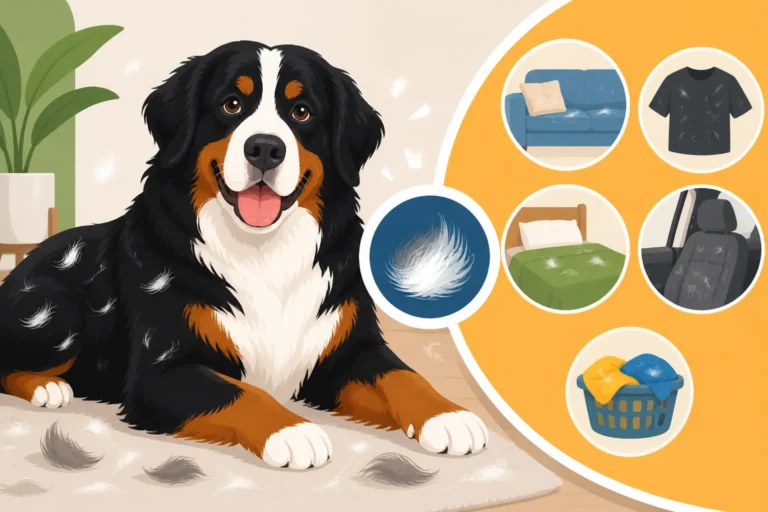
The goal is to remove all the loose, dead undercoat that would otherwise trap heat and prevent air circulation. By clearing out this excess fur, you allow the skin to breathe and the natural cooling airflow to function as intended. Professional groomers who understand double coats can also be a huge asset; they can provide a thorough "deshedding" treatment that removes vast amounts of undercoat without ever touching clippers to the guard hairs. This process maintains the integrity of the protective outer layer while maximizing the coat's natural insulating properties. You'd be surprised how much fur can come off, literally filling a large garbage bag, and it makes a world of difference for your dog's comfort. This also helps with managing The Bernese Mountain Dog Shed and What It Fills within your home.
Environmental Management and Cooling Aids
Creating a cool and safe environment is paramount for your Bernese Mountain Dog during warmer months. This starts with adjusting their daily schedule: walk your Berner during the coolest parts of the day – early mornings and late evenings – avoiding the intense midday sun. Exercising a Bernese Mountain Dog in Summer requires careful planning. Always ensure they have constant access to fresh, cool water; consider placing multiple bowls around the house and yard, or even a fountain to encourage drinking.
Provide ample shade outdoors. If your yard lacks natural shade, consider investing in a large canopy or shade sail. Indoors, ensure you have air conditioning or fans running to keep rooms cool. Specialized cooling mats, often filled with a pressure-activated gel, can be a fantastic way to offer an immediate cool spot for your Berner to lie down; you can find various options on Chewy. Some Berners enjoy wading in a kiddie pool, which can help dissipate heat from their paws and belly. Remember, even short periods in direct sun or high heat can lead to overheating, so proactively managing their environment is critical. For tips on keeping your home comfortable, refer to Keeping a Room Cool Enough for a Bernese Mountain Dog.
Hydration and Nutrition Support
While proper grooming and environmental management are primary, supporting your Bernese Mountain Dog with excellent hydration and nutrition plays a supporting role in their overall health and ability to cope with heat. Always, always ensure your Berner has access to plenty of fresh, cool water. On walks, carry a portable water bottle and bowl to offer water frequently. Dehydration can quickly escalate problems in hot weather.
A high-quality diet provides the necessary nutrients for a healthy coat and skin, which are vital for effective temperature regulation. Brands like Ollie, known for fresh, human-grade ingredients, can contribute to overall canine health, including skin and coat condition. While food alone won't solve heat issues, a well-nourished dog with a healthy coat will be better equipped to handle environmental stressors than one with a compromised system. Avoiding obesity is also crucial, as extra weight puts more strain on their body and makes them less efficient at cooling themselves.
Recognizing Signs of Overheating
Even with all precautions, it's vital for every Bernese Mountain Dog owner to recognize the signs of overheating or heat stroke. Berners, with their thick coats and generally stoic nature, can sometimes hide discomfort until it's severe. Look out for excessive panting that doesn't subside, drooling, lethargy, weakness, disorientation, or an unsteady gait. Their gums might appear dark red, and in severe cases, they may collapse or have seizures.
If you suspect your Berner is overheating, act immediately. Move them to a cool, shaded area. Offer small amounts of water. You can try to cool them down with cool (not icy cold) water on their paws, belly, and inner thighs, or place cool, damp towels on these areas. Do not immerse them in ice water, as this can cause shock. Seek veterinary attention immediately, as heatstroke can be life-threatening and lead to organ damage. Early intervention can make all the difference. Knowing How a Bernese Mountain Dog Behaves Before Heat Stroke can save their life.
| Feature | Unshaved Bernese Mountain Dog Coat | Shaved Bernese Mountain Dog Coat |
|---|---|---|
| Insulation | Excellent; regulates temperature year-round, traps air for cooling. | Compromised; removes protective layers, leads to increased heat absorption. |
| Sun Protection | High; guard hairs act as a natural UV barrier. | None; skin exposed to direct sunlight, high risk of sunburn. |
| Water Repellence | Good; guard hairs shed water and dirt. | Poor; undercoat exposed, absorbs water, prone to matting when wet. |
| Dirt/Debris Mgmt | Guard hairs protect skin from direct contact. | Skin directly exposed; prone to irritation from environmental factors. |
| Matting Risk | Manageable with regular brushing, especially during shedding. | High during regrowth; woolly undercoat mats easily. |
| Aesthetics | Maintained; luxurious, tricolor appearance. | Altered; patchy, coarse, or woolly regrowth; loss of distinct markings. |
| Health Risks | Low with proper care. | Increased risk of sunburn, skin cancer, clipper burn, bug bites. |
Disclaimer
This article is for general informational purposes only and does not constitute professional advice. Laws, prices and regulations vary by location and change over time. Consult a qualified professional for guidance on your specific situation.