The Feathering on a Bernese Mountain Dog’s Legs
If you've ever spent ten minutes after a walk picking burrs out of your Bernese Mountain Dog's beautiful, flowing leg feathering, or wrestled with a damp, muddy collection of twigs and leaves clinging to their hindquarters, then you know the unique challenge we Berner parents face. It’s not just about a pretty coat; it's about comfort, hygiene, and preventing painful mats and skin issues for our beloved companions. This guide is here to walk you through everything you need to know about managing that gorgeous leg feathering, from understanding its purpose to tackling those everyday grooming battles.
Understanding Your Bernese Mountain Dog's Feathering
The Bernese Mountain Dog's coat is one of its most striking features – thick, lustrous, and wonderfully insulating. But beyond just looking majestic, that coat, especially the longer hair known as "feathering," serves some very practical purposes, deeply rooted in the breed's history and environment.
What is Feathering and Why Do Berners Have It?
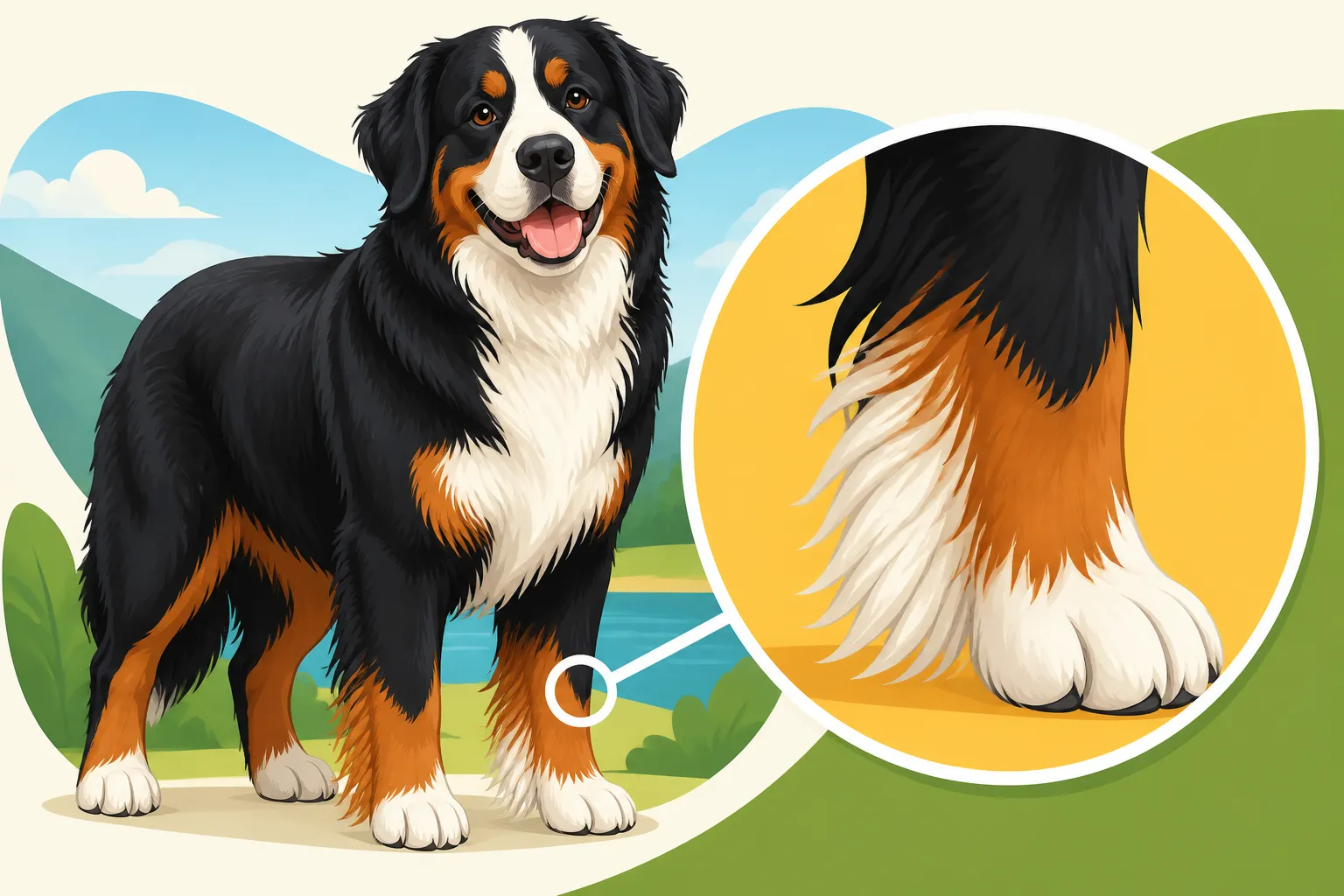
Feathering refers to the longer, silky hair found on certain parts of a Bernese Mountain Dog's body, most notably on the backs of their legs, chest, belly, and tail. It’s part of their magnificent double coat, which consists of a dense, insulating undercoat and a longer, somewhat coarser outer coat. The feathering is essentially an extension of this outer coat, growing longer and often having a slightly softer texture.
Historically, Bernese Mountain Dogs were farm dogs in the chilly, mountainous regions of Switzerland. Their coat, including the abundant feathering, was crucial for protection against harsh weather. Imagine a Berner herding cattle or pulling carts through snow and cold, damp terrain – that extra length of hair on their legs would have offered an additional layer of insulation, helping to keep them warm and prevent snow and ice from clinging directly to their skin. It also provided a barrier against scratches and scrapes from rough underbrush. So, while it can be a magnet for debris today, it was once a vital piece of their natural armor.
The Unique Characteristics of Leg Feathering
While feathering appears in several places, the hair on a Bernese Mountain Dog’s legs often has its own set of characteristics that make it particularly noteworthy and, let’s be honest, sometimes a bit challenging. This leg feathering, often referred to as "trousers" on the hind legs, tends to be finer in texture compared to the body coat and can grow quite long, sometimes nearly touching the ground as they mature.
This fineness and length, while beautiful, make it especially prone to tangles and matting. The hair behind the elbows, along the forelegs, and certainly on the backs of the thighs is in constant motion and contact with the ground, picking up everything from dust and dirt to seeds, burrs, and mud. It’s also one of the areas where the breed standard specifically calls for rich feathering, contributing to the Bernese Mountain Dog's elegant and powerful silhouette. Understanding these unique qualities is the first step in effective grooming. You can learn more about how the appearance factors into their overall look in The Bernese Mountain Dog Breed Standard.
Common Challenges with Bernese Mountain Dog Leg Feathering
As much as we adore the majestic look of a Bernese Mountain Dog with glorious feathering, living with it day-to-day presents a particular set of hurdles. These challenges aren’t just cosmetic; they can lead to discomfort and even health issues for your beloved companion.
Mats, Tangles, and Burrs: The Perpetual Battle
If you own a Bernese Mountain Dog, you've likely spent more than a few moments on your knees, patiently (or impatiently!) trying to liberate your dog's leg feathering from some outdoor souvenir. The long, fine hair on their legs, particularly behind the elbows and on the backs of the hind legs (their "trousers"), acts like a highly efficient net for anything they walk past. Burrs, twigs, grass seeds, sticky leaves, and even just compacted dirt become entangled incredibly easily.
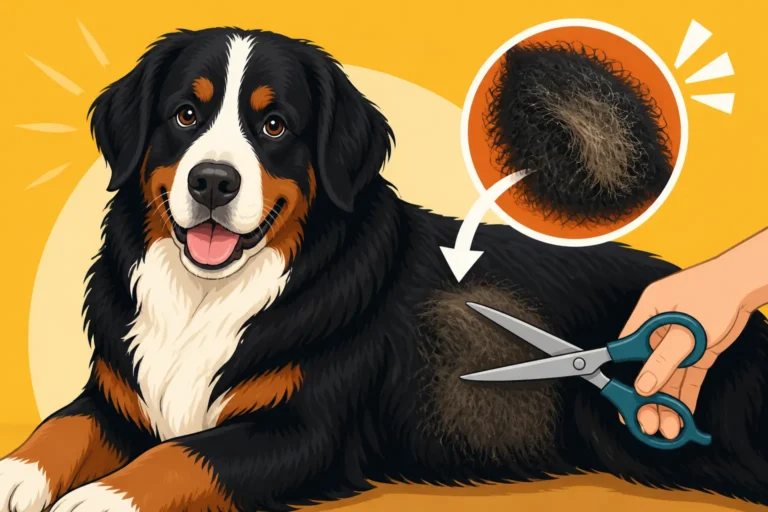
These small intrusions quickly escalate into larger problems. What starts as a simple knot can, if left unattended, quickly tighten into a painful mat. Mats pull on the skin, causing discomfort and even bruising. They can restrict movement, especially if they form in high-motion areas like the armpits or behind the knees. Imagine trying to walk with a constant tug on your hair! For a Bernese Mountain Dog, especially one who loves to explore, this is a perpetual battle. It’s particularly frustrating after a joyful romp in the woods, only to spend the next hour with a comb and detangling spray. It's a prime example of how quickly Mats in a Bernese Mountain Dog's Ruff can also form in other areas of the body.
Dirt, Dampness, and Skin Irritations
Beyond the physical tangles, the leg feathering is a magnet for all kinds of environmental grime. Think about a rainy day walk: your Berner’s legs, with all that magnificent hair, become walking mops, soaking up muddy puddles, wet leaves, and street grit. This isn't just an issue for your floors; it's a significant concern for your dog's skin health.
Trapped moisture and dirt against the skin create a breeding ground for bacteria and fungi. This can lead to itchy skin, rashes, and even nasty hot spots, which are painful, inflamed skin lesions. These can be particularly difficult to spot and treat under a thick coat, and a Berner’s tendency to hide discomfort means you might not even know there’s a problem until it’s quite advanced. Even seemingly innocuous things like persistent dampness from morning dew can cause problems over time, especially in a breed already prone to skin sensitivities. Addressing Itching Under a Bernese Mountain Dog's Thick Coat often starts with diligent grooming and ensuring the coat is clean and dry. It's a constant effort to keep that balance, ensuring your Berner is not just clean, but truly comfortable and healthy in their own skin. Learning how to manage Mud Dried Into a Bernese Mountain Dog's Feathering is a skill every Berner owner quickly develops.
Essential Grooming Techniques for Leg Feathering
Successfully managing your Bernese Mountain Dog's leg feathering really comes down to consistency and using the right techniques. It's not just about brushing; it's a holistic approach to keeping their coat healthy and comfortable.
Daily Brushing and Detangling Strategies
The key to preventing those dreaded mats and tangles is daily brushing. Yes, daily! With a Bernese Mountain Dog, especially one with significant feathering, skipping even a couple of days can lead to a considerable build-up of knots. You’ll need a few essential tools for this task. A good quality pin brush is excellent for working through the longer hair, while a slicker brush can help smooth out the coat and catch loose undercoat. For the denser areas and any developing tangles, a sturdy metal comb with both wide and fine teeth is indispensable, as is an undercoat rake to get deep into the coat without pulling the outer layer.
When you brush, always start at the ends of the hair and work your way up to the skin, holding the hair closer to the skin to minimize pulling if you hit a snag. If you encounter a tangle, don't just yank! Gently tease it apart with your fingers first, then use a wide-toothed comb. A detangling spray can be a real lifesaver here, softening the hair and making knots easier to separate. Spray it on the tangle, let it sit for a moment, and then work slowly from the outside edges of the knot inward. Remember, patience is your best friend. Breaking down How Long Brushing a Bernese Mountain Dog Takes into manageable daily sessions is far better than one long, difficult session. Many excellent grooming tools can be found on platforms like Amazon, offering a wide selection to suit your Berner's specific coat needs.
Trimming and Maintaining Feathering Health
While a Bernese Mountain Dog’s feathering is magnificent, sometimes a little strategic trimming can make a world of difference for hygiene and comfort, without sacrificing their characteristic look. The goal isn't to chop off all that beautiful hair, but to neaten it up and remove areas prone to excessive matting or dirt collection.
Focus on the hair around their feet. Trimming the hair that grows between their paw pads and around the edges of their feet can prevent dirt and debris from accumulating, improve traction on slippery floors, and make cleaning much easier. Tidying the Hair Around a Bernese Mountain Dog's Feet is often done with blunt-nosed scissors, carefully, to avoid cutting their pads or skin. For the leg feathering itself, you might consider thinning shears to reduce bulk, especially in the armpit area or behind the knees where mats commonly form. This maintains the natural look while making it less dense and easier to brush through. If you choose to trim the length of the feathering on the legs, only take off an inch or two at most, just enough to keep it from dragging on the ground and picking up excessive grime. Be cautious, as The Case for Leaving a Bernese Mountain Dog Untrimmed is strong for maintaining their natural insulation and appearance. Always err on the side of less is more, as hair can always be cut shorter, but it takes time to grow back! You can find a good range of grooming shears and tools at pet supply retailers like Chewy, which often have guides on how to choose the right equipment.
Keeping Leg Feathering Clean and Healthy
Beyond daily brushing and occasional trimming, there are specific strategies for keeping your Bernese Mountain Dog's feathered legs truly clean and healthy, especially after they’ve been out and about doing what Berners do best – exploring!
Bathing Best Practices for Feathered Legs
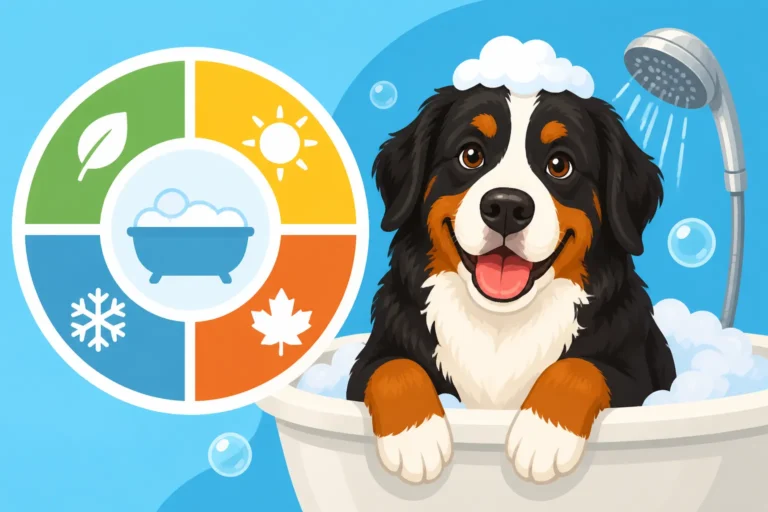
Bathing a Bernese Mountain Dog, especially their dense, feathered legs, isn't a quick dip! Their double coat and extensive feathering mean thorough washing and, even more importantly, thorough drying are essential. When bathing, use a shampoo specifically designed for dogs, ideally one that is moisturizing or formulated for long coats to help with detangling. Make sure to dilute the shampoo slightly to help it penetrate the thick hair down to the skin. Work the shampoo gently into the feathered areas, ensuring you get down to the skin, but avoid scrubbing vigorously as this can create more tangles.
Rinsing is perhaps the most crucial part. Any residual shampoo left in the feathering can cause skin irritation or make the coat feel sticky and prone to matting. Rinse, rinse, and rinse again until the water runs clear and you can't feel any slickness on the hair or skin. Once rinsed, gently squeeze excess water from the feathering. Then comes the drying. A high-velocity pet dryer is ideal for Berners as it helps to 'blast' water out of the undercoat and feathering, significantly reducing drying time and preventing mildewy smells or skin issues. If using a human hairdryer, ensure it's on a cool or low heat setting to avoid burning their skin. Brush the feathering as you dry it to ensure it dries straight and tangle-free. This meticulous process helps keep your Berner's skin healthy and prevents problems like those discussed in Shampoo for a Bernese Mountain Dog's Double Coat.
Protection from Elements and Daily Care Tips
Let’s face it, our Berners love the outdoors, and that means their beautiful feathering is constantly exposed to whatever Mother Nature throws at them. Proactive measures can save you a lot of grooming time and prevent discomfort for your dog. For walks in muddy or snowy conditions, consider dog booties or specialized leg wraps. These can offer a surprising amount of protection, keeping the feathering cleaner and reducing the amount of debris that gets tangled. While some dogs might protest initially, many learn to tolerate them, especially if introduced with positive reinforcement.
After any outdoor adventure, establish a quick clean-up routine. Even if it's just a damp cloth or a quick rinse of their legs with warm water, removing surface dirt and moisture immediately can prevent it from drying into stubborn clumps. A towel specifically for paw and leg drying near the door is a must-have in a Berner household. Beyond external care, remember that a healthy coat often reflects a healthy diet. High-quality dog food, potentially supplemented with Omega-3 fatty acids, can contribute to a stronger, more resilient coat that is less prone to breakage and matting. For optimal nutrition, brands like Ollie offer fresh, human-grade food that can support overall skin and coat health, making that feathering less brittle and more manageable.
Professional Grooming vs. At-Home Care
The choice between tackling all your Bernese Mountain Dog's grooming needs at home or enlisting the help of a professional groomer is one many Berner owners ponder. There are pros and cons to both, and often, a hybrid approach works best.
When to Call in the Professionals
There are definitely times when handing your Berner over to a professional groomer is not just a luxury, but a necessity. If your dog has developed severe matting, especially in the dense feathering, attempting to remove it yourself can be incredibly painful for your dog and potentially lead to skin damage. Professional groomers have specialized tools, techniques, and often, a much stronger drying system (like high-velocity dryers) that can safely and efficiently address these issues. They are also adept at managing anxious or uncooperative dogs, which can be a huge relief for both you and your Berner.
Furthermore, a professional groomer can offer specific trims that maintain the breed's aesthetic while providing practical benefits, like tidying up the foot feathering or thinning out dense areas that are prone to matting. They understand the coat structure of a Bernese Mountain Dog and can recommend the best course of action. If you're struggling to keep up with your Berner’s shedding or if you're noticing persistent skin issues beneath the coat, a professional can often provide a deeper clean and thorough inspection. It's an investment, but one that can significantly improve your dog's comfort and coat health, especially when considering What a Bernese Mountain Dog Groom Costs for a breed of this size and coat type.
Balancing Costs and Time with Your Berner's Needs
The reality is that professional grooming can add up, especially for a large breed like the Bernese Mountain Dog. Groomers often charge based on size, coat condition, and time, so a Berner with a heavily matted coat will naturally incur higher fees. This is where balancing professional services with diligent at-home care becomes crucial. Regular brushing and preventive measures at home can significantly reduce the frequency and cost of professional grooming appointments. Think of it this way: the more you maintain their coat at home, the less "rehab" work the groomer has to do.
Many owners opt for a professional full groom every few months, supplementing with daily brushing, weekly detangling sessions, and quick baths at home as needed. This hybrid approach ensures your Berner stays comfortable and looking good, without breaking the bank. It also helps you bond with your dog during grooming sessions and become more attuned to their coat and skin health. When considering the financial commitment, it's not just the purchase price of the dog, but ongoing expenses like grooming, food, and vet care. For a full picture of the expenses involved, you might want to look at The Running Costs of a Hundred Pound Bernese Mountain Dog or The Monthly Bill in a Bernese Mountain Dog's First Year. Ultimately, the goal is to keep your Bernese Mountain Dog's leg feathering healthy and comfortable, and the right balance of home and professional care will achieve that.
Here’s a quick overview of some essential grooming tools for those beautiful, yet challenging, feathered legs:
| Tool Type | Primary Use | Benefits |
|---|---|---|
| Pin Brush | Daily brushing, general detangling, working through longer feathering | Gentle on skin, good for removing loose hair and surface tangles |
| Slicker Brush | Removing shedding undercoat, smoothing topcoat, breaking up smaller mats | Excellent for deshedding, helps fluff and straighten coat |
| Metal Comb | Thorough detangling, checking for hidden mats, working through dense areas | Essential for finding and working out knots, good for finishing touches |
| Undercoat Rake | Penetrating dense undercoat, removing dead hair before it mats | Prevents matting, reduces shedding, keeps coat airy |
| Blunt-Nosed Scissors | Trimming hair around paw pads and between toes, small hygiene trims | Safer for sensitive areas, precise for tidying |
| Thinning Shears | Reducing bulk in dense feathering, creating a natural-looking trim | Softens lines, maintains natural appearance while reducing matting risk |
| Detangling Spray | Lubricating tangles and mats, making them easier to brush out | Reduces pulling and discomfort, conditions hair |
| High-Velocity Dryer | Drying thick coats quickly and thoroughly after bathing | Prevents hot spots, reduces drying time significantly, removes loose hair |
Disclaimer
This article is for general informational purposes only and does not constitute professional advice. Laws, prices and regulations vary by location and change over time. Consult a qualified professional for guidance on your specific situation.