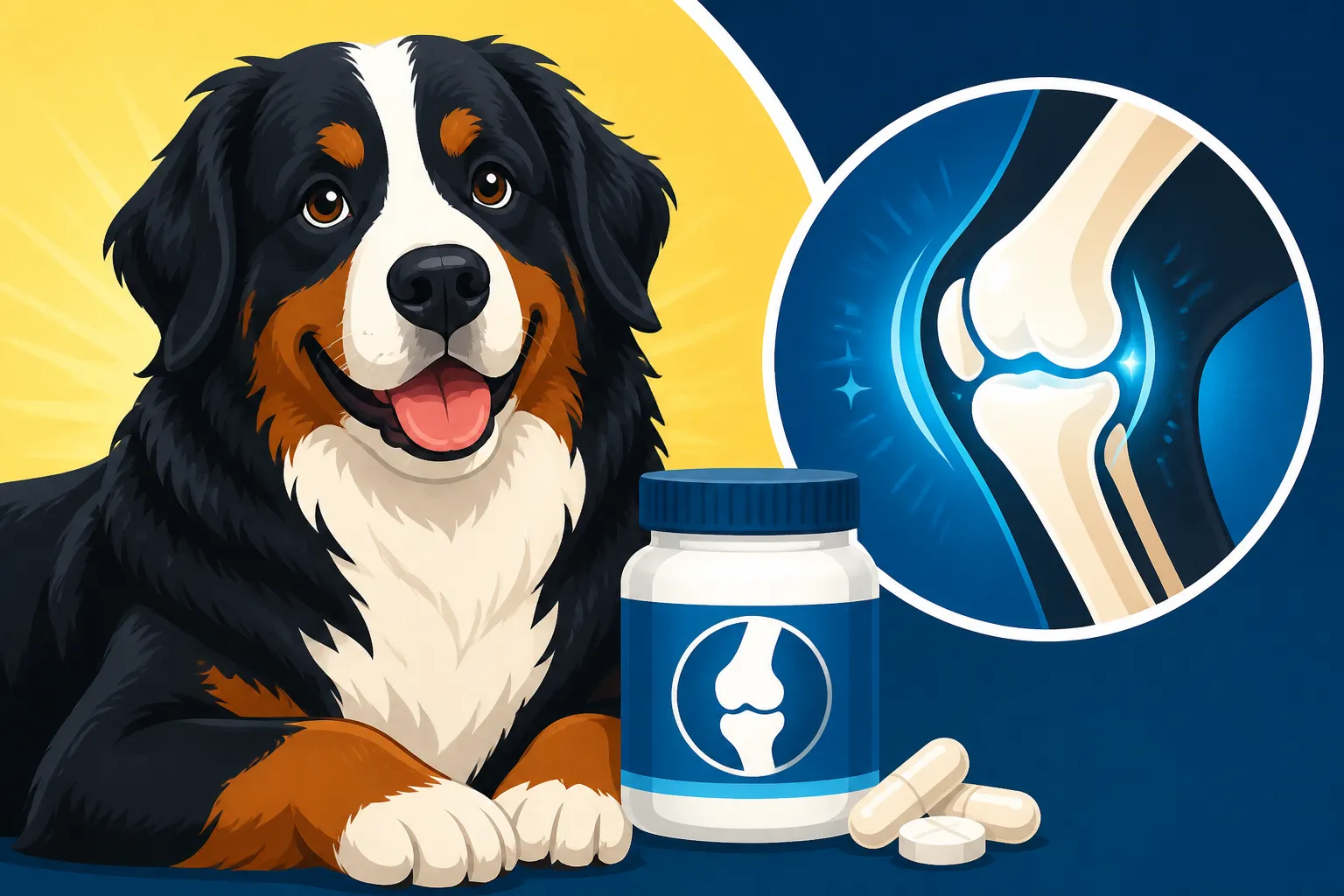
Whether Glucosamine Helps a Bernese Mountain Dog
It’s a heartbreaking reality for many Bernese Mountain Dog owners to watch their magnificent, joyful companions start to slow down far too young, often due to aching joints. The question of how to keep them comfortable and active for as long as possible weighs heavily on our hearts, and one solution that comes up again and again is glucosamine. This guide will dive deep into whether this popular supplement genuinely makes a difference for our beloved Berners.
The Inevitable Joint Challenges in Bernese Mountain Dogs
Let's face it, owning a Bernese Mountain Dog means acknowledging certain breed predispositions, and joint health is right at the top of that list. Their impressive size, rapid growth rate, and genetic heritage make them particularly vulnerable to a range of orthopedic issues that can significantly impact their quality of life. It’s not a matter of if but often when these challenges might start to show.
Understanding Common Orthopedic Issues
The two big ones we hear about most often in Berners are hip and elbow dysplasia. These aren't just minor aches; they're complex developmental conditions where the joints don't form correctly. With hip dysplasia, the ball and socket of the hip joint don't fit snugly, leading to instability, grinding, and eventually, degenerative joint disease or osteoarthritis. Elbow dysplasia is a similar collection of inherited abnormalities affecting the elbow joint, resulting in pain and lameness. It's a cruel twist that these powerful, active dogs are so prone to conditions that limit their mobility. You can learn more about Hips That Fail Under a Bernese Mountain Dog's Weight and the general struggles of Joint Disease in a Hundred Pound Bernese Mountain Dog.
Beyond these specific developmental issues, many Berners will, unfortunately, face arthritis as they age, even if they started with seemingly "good" joints. The sheer weight they carry, combined with the normal wear and tear of life, means their cartilage can degrade over time. Imagine carrying an extra fifty pounds on your frame every single day; that's the kind of constant load our Berners' joints endure. By the time a Bernese Mountain Dog reaches six years old, you might already be seeing signs of stiffness, reluctance to jump, or a slower pace, which are often indicators of Arthritis in a Bernese Mountain Dog by Six.
The Role of Weight and Activity
A hundred-pound dog puts an immense amount of pressure on its joints with every step, every jump, every playful romp. This is why maintaining a lean body condition throughout a Berner's life is absolutely paramount. Even a few extra pounds can dramatically increase the stress on already compromised joints, accelerating cartilage breakdown and exacerbating pain. We, as owners, have a huge responsibility to manage their diet and exercise to prevent unnecessary strain.
Similarly, while exercise is vital for muscle development and overall health, appropriate exercise is key. High-impact activities, excessive running on hard surfaces, or strenuous play sessions, especially during their puppy and adolescent stages, can put undue stress on developing joints. It's a delicate balance: you want them strong, but you don't want to overdo it and cause microtraumas that lead to bigger problems down the road. Our aim is always to support their natural joyous movement without causing harm.
What Exactly is Glucosamine and How Is It Supposed to Help?
When you start talking about joint supplements for dogs, glucosamine is usually the first ingredient that comes up. It’s been widely discussed in both human and veterinary medicine, and many owners feel a sense of hope that it can provide some relief or protection for their furry friends. But what is this compound, and what’s the theory behind its potential benefits?
The Building Blocks of Cartilage
Glucosamine is an amino sugar that naturally occurs in the body, primarily in cartilage – the flexible connective tissue that cushions your dog’s joints. Think of cartilage as the shock absorber between bones; it provides a smooth, low-friction surface that allows joints to glide effortlessly. Glucosamine is a key component in the production of glycosaminoglycans (GAGs) and proteoglycans, which are essential molecules that form the structure of healthy cartilage.
The theory behind glucosamine supplementation is fairly straightforward: if cartilage is breaking down (as it does with age, injury, or conditions like dysplasia), providing the body with more of these building blocks might help. The idea is that increasing the availability of glucosamine could support the repair and maintenance of cartilage, or at least slow down its degradation. It’s like giving a construction crew extra bricks when they’re trying to fix a crumbling wall.
Other Supporting Actives Often Paired with Glucosamine
You'll rarely find a joint supplement that contains only glucosamine. Manufacturers often combine it with other ingredients believed to work synergistically to support joint health. These often include:
- Chondroitin Sulfate: This is another natural component of cartilage. It helps give cartilage elasticity and is thought to inhibit enzymes that break down cartilage, as well as promote water retention, keeping cartilage hydrated and resilient. When paired with glucosamine, the idea is that they offer a more comprehensive approach to cartilage support.
- Methylsulfonylmethane (MSM): This is an organic sulfur compound with perceived anti-inflammatory and pain-relieving properties. While not directly a building block of cartilage like glucosamine or chondroitin, its role is often seen as reducing discomfort associated with joint inflammation, thereby improving mobility.
- Omega-3 Fatty Acids (EPA and DHA): Often sourced from fish oil, these fatty acids are potent natural anti-inflammatories. They don't directly build cartilage but can significantly reduce the inflammatory processes within the joints that contribute to pain and further damage. Many premium joint supplements, or even specialized foods like those offered by Ollie, will include a healthy dose of omega-3s.
The combination of these ingredients aims to tackle joint issues from multiple angles: providing structural support, reducing inflammation, and offering pain relief. This holistic approach is often more effective than relying on a single ingredient.
The Evidence: Does Glucosamine Actually Help Bernese Mountain Dogs?
This is the million-dollar question for many devoted Berner parents. We've heard the anecdotes, seen the marketing, but when it comes down to it, does glucosamine really make a tangible difference for our dogs? The answer, unfortunately, isn't a simple yes or no, and it involves looking at both scientific studies and the real-world experiences of owners and veterinarians.
What the Science Says (and Doesn't Say)
From a strictly scientific perspective, the evidence for glucosamine alone as a miracle cure for joint disease in dogs is often described as "mixed" or "inconsistent" in large-scale, placebo-controlled clinical trials. Some studies show a modest benefit in reducing pain and improving mobility, particularly when used long-term, while others report little to no significant difference compared to a placebo. It's important to understand that research on supplements can be challenging due to variations in product quality, dosage, and the specific conditions being studied.
One of the key takeaways from scientific literature is that glucosamine is generally not a "cure." It won't reverse existing severe damage or regrow significant amounts of cartilage. Instead, if it's effective, it's more likely acting as a supportive agent – potentially slowing progression, reducing inflammation, and providing a subtle level of comfort rather than a dramatic overhaul of the joint. Many researchers suggest that combination products (glucosamine with chondroitin, MSM, and omega-3s) tend to show more promising results than glucosamine in isolation, likely due to the synergistic effects of these different compounds.
Anecdotal Success and Veterinary Recommendations
Despite the sometimes-inconclusive scientific data, a significant number of veterinarians and owners continue to recommend and use glucosamine and related supplements. Why the discrepancy?
- Perceived Improvement: Many owners report seeing a noticeable improvement in their dog's mobility, energy levels, and overall comfort after starting a glucosamine-based supplement. This might manifest as an easier time getting up, a willingness to play longer, or simply less stiffness after rest. These anecdotal successes are powerful and shouldn't be dismissed, even if they're hard to quantify in a lab setting. The placebo effect can even extend to owners observing their pets, but a genuinely more comfortable dog is a genuine improvement.
- Preventative and Early Intervention: Many vets advocate for starting joint supplements, including glucosamine, as a preventative measure, especially in breeds like Berners known for joint issues. The thought is that if you can support cartilage health before severe degradation occurs, you might be able to delay the onset or severity of arthritis. This is why some owners consider Starting a Bernese Mountain Dog on Joint Medication Young.
- Safety Profile: Glucosamine is generally considered very safe with minimal side effects. Unlike some prescription anti-inflammatory medications, it doesn't carry the same risks of gastrointestinal upset or kidney/liver issues. This low-risk profile makes it an attractive option for long-term use, even if the benefits are subtle.
- Part of a Multi-Modal Approach: Most veterinarians don't recommend glucosamine as the only treatment for significant joint disease. Instead, it's often integrated into a broader management plan that might include weight control, controlled exercise, anti-inflammatory medications (when needed), physical therapy like Hydrotherapy for an Arthritic Bernese Mountain Dog, and comfortable bedding. In this context, glucosamine is seen as a supportive tool, complementing other interventions.
So, for your Bernese Mountain Dog, while it might not be a magic bullet, glucosamine (especially in a high-quality, comprehensive joint formula) can be a valuable part of a proactive or reactive joint care strategy. It's often about managing comfort and potentially slowing progression rather than expecting a complete reversal of symptoms.
Choosing and Administering Glucosamine for Your Berner
Once you've decided to explore glucosamine for your Bernese Mountain Dog, the next step is navigating the myriad of options available. This isn't just about grabbing the first bottle you see; thoughtful selection and consistent administration are key to giving your Berner the best chance of benefiting.
What to Look for in a Supplement
The supplement market for pets is vast, and quality can vary wildly. Here's what to keep in mind when shopping for glucosamine:
- Combination Formulas are Best: As we discussed, glucosamine often works best when combined with other joint-supporting ingredients. Look for products that also contain chondroitin sulfate, MSM, and ideally, omega-3 fatty acids. These synergistic ingredients can provide more comprehensive support.
- Source and Purity: While it's hard to verify every brand's claims, look for reputable manufacturers that disclose their sourcing and undergo third-party testing for purity and potency. Ingredients like "green-lipped mussel" are also gaining popularity for their natural anti-inflammatory and joint-supportive properties.
- Dosage and Concentration: Ensure the product clearly lists the amount of active ingredients per dose. For a large breed like a Bernese Mountain Dog, you'll need a higher concentration than for a smaller dog. Always follow veterinary advice or package instructions carefully to ensure you're providing an effective dose without overdoing it.
- Formulation: Supplements come in various forms:
- Chewable tablets or soft chews: These are often the easiest to administer, as many Berners will happily gobble them up like a treat. This can be a great option for daily dosing without a struggle. You can find many popular chewable joint supplements on platforms like Chewy or Amazon.
- Powders: These can be sprinkled over food, which is ideal if your Berner is picky about pills or chews.
- Liquids: Some owners find liquids easier to mix into food or administer directly.
- Veterinary Brands: Often, products recommended by your vet or available through veterinary channels have undergone more rigorous testing and contain higher quality ingredients. Don't be afraid to ask your vet for specific brand recommendations.
Administering Glucosamine Effectively
Consistency is paramount when it comes to joint supplements. These aren't like pain medications that offer immediate relief; they work over time to support joint health.
- Daily Routine: Make it part of your Berner's daily routine. Whether it's with breakfast or dinner, establish a consistent time so you don't forget.
- Loading Dose vs. Maintenance Dose: Many joint supplements recommend a "loading dose" for the first 4-6 weeks, where you give a higher amount to build up the levels in the body, followed by a lower "maintenance dose." Always follow these instructions carefully.
- Patience is a Virtue: Don't expect overnight miracles. It can take several weeks, sometimes even a couple of months, before you start to notice any improvements in your Bernese Mountain Dog's mobility or comfort. Keep a journal of your dog's activity levels and any signs of stiffness to track progress objectively. This might involve noting when they start going up stairs more easily or seem less stiff after a long nap.
- Consult Your Vet: Always discuss any new supplements with your veterinarian, especially if your Bernese Mountain Dog is already on other medications or has underlying health conditions. Your vet can advise on appropriate dosages, potential interactions, and help you gauge the effectiveness of the supplement. They can also perform regular check-ups to monitor joint health and suggest adjustments to the regimen, ensuring you're doing the best for your Berner's joints as outlined in Joint Supplements in a Bernese Mountain Dog's Bowl.
Beyond Glucosamine: A Holistic Approach to Berner Joint Health
While glucosamine can be a valuable tool, it's truly just one piece of a much larger puzzle when it comes to supporting your Bernese Mountain Dog's joint health. A comprehensive, holistic approach involves multiple strategies, working together to keep your gentle giant comfortable and mobile. Remember, our goal is to enhance their overall well-being, especially as they get older, which means Caring for a Bernese Mountain Dog After Six takes on new importance.
Weight Management: The Foundation of Joint Health
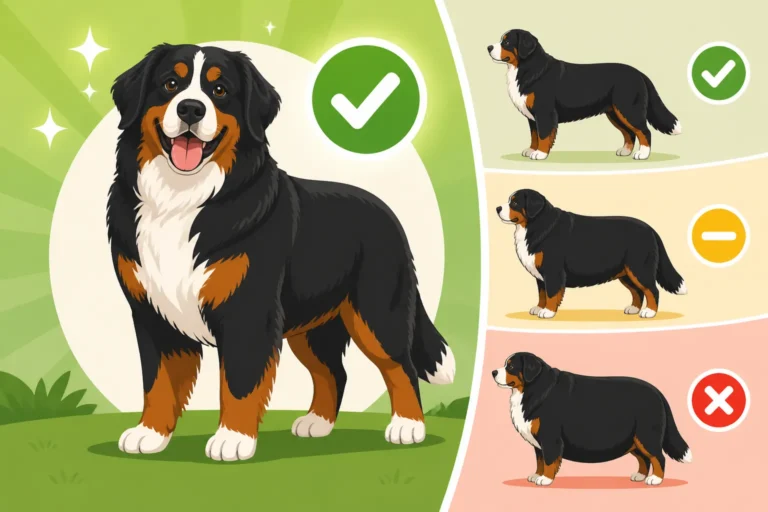
I cannot stress this enough: maintaining an ideal body condition is the single most impactful thing you can do for your Berner's joints. Every extra pound acts as additional stress on their hips, elbows, and spine, accelerating cartilage breakdown and increasing pain. A lean dog is a more comfortable dog.
- Regular Weight Checks: Don't just rely on guesswork. Your vet can help you determine your Berner's ideal weight and body condition score. Feel for their ribs; you should be able to feel them easily without seeing them protruding.
- Portion Control: Measure your dog's food precisely. It's so easy to overfeed, especially with those pleading Berner eyes! Consider calorie-counted fresh food options, which often provide excellent nutrition without unnecessary fillers. Brands like Ollie can be great for ensuring balanced, appropriate nutrition tailored to your dog's needs and activity level.
- Healthy Treats: Limit high-calorie treats. Use low-calorie alternatives like baby carrots or green beans for rewards. Remember that all those little snacks add up. You can find healthy treat options and feeding guidance on sites like Chewy.
Understanding The Body Condition a Bernese Mountain Dog Should Carry is crucial from puppyhood right through their senior years.
Targeted Exercise and Physical Therapy
Just as important as diet is smart exercise. It builds crucial muscle support around joints without overstressing them.
- Controlled, Low-Impact Exercise: Think swimming, leash walks on soft surfaces (like grass or dirt trails), and gentle play. Avoid intense, high-impact activities like jumping for frisbees or long-distance running on pavement.
- Short, Frequent Sessions: Instead of one long, grueling walk, consider several shorter walks throughout the day. This keeps muscles warm and joints lubricated without causing fatigue or strain.
- Hydrotherapy: For Berners with existing joint issues, hydrotherapy (underwater treadmill or swimming in a therapeutic pool) can be a game-changer. The buoyancy of the water reduces pressure on the joints while still allowing for muscle strengthening and increased range of motion. It’s an incredibly effective and gentle form of rehabilitation, and definitely something to look into for Hydrotherapy for an Arthritic Bernese Mountain Dog.
- Canine Physical Therapy: A certified canine physical therapist can design a specific exercise program to strengthen supporting muscles, improve balance, and reduce pain. They can teach you specific exercises and stretches to do at home.
Environmental Modifications for Comfort
Think about your home environment and how it supports your Berner's mobility.
- Orthopedic Bedding: Provide thick, supportive orthopedic beds that cushion their joints and keep them off hard floors. This is especially important for giant breeds who spend a lot of time resting.
- Rugs and Runners: If you have slick floors (hardwood, tile, laminate), place rugs or runners in high-traffic areas. This provides traction, prevents slips and falls, and makes it easier for your Berner to get up from a lying position.
- Ramps or Steps: For getting into cars or onto furniture (if allowed), consider ramps or pet steps to reduce the impact of jumping.
Other Complementary Supplements and Medications
Beyond glucosamine, other supplements and, when necessary, medications, can play a vital role.
- Omega-3 Fatty Acids: Even if your glucosamine supplement includes them, consider adding an additional fish oil supplement. Their anti-inflammatory benefits are profound and can significantly help manage joint pain.
- Prescription Anti-inflammatories (NSAIDs): For Berners experiencing significant pain and lameness, your vet might prescribe non-steroidal anti-inflammatory drugs (NSAIDs). These are highly effective at reducing pain and inflammation but require careful monitoring for side effects. They are often a necessary component for providing comfort when joint disease progresses. It’s important to understand the potential Pain Medication Costs for an Arthritic Bernese Mountain Dog and discuss them with your vet.
- Adequan or Legend: These injectable joint therapies can be highly effective in reducing inflammation and promoting joint health, often prescribed by veterinarians for more advanced cases.
Working closely with your veterinarian is crucial to tailor a multi-modal approach specifically for your Bernese Mountain Dog. They can help you balance supplements, diet, exercise, and medication to give your cherished companion the best possible quality of life.
| Feature | Glucosamine Alone | Glucosamine + Chondroitin + MSM + Omega-3s |
|---|---|---|
| Primary Action | Provides building blocks for cartilage. | Provides building blocks, inhibits breakdown, reduces inflammation, offers pain relief. |
| Target Benefit | Cartilage maintenance, potential slowing of degradation. | More comprehensive joint support, improved mobility, reduced discomfort. |
| Scientific Evidence | Mixed; some studies show modest benefit, others inconclusive. | Generally considered more effective due to synergistic actions. |
| Speed of Action | Slow; requires consistent use over weeks/months. | Slow, but potentially more noticeable benefits over time. |
| Cost | Generally lower for basic formulas. | Higher for comprehensive, high-quality formulas. |
| Best Used For | Mild, early joint support; preventative measures. | Moderate to severe joint disease; comprehensive long-term management. |
| Recommendation | Often recommended as part of a multi-ingredient approach. | Widely recommended by veterinarians for optimal support. |
Disclaimer
This article is for general informational purposes only and does not constitute professional advice. Laws, prices and regulations vary by location and change over time. Consult a qualified professional for guidance on your specific situation.