Whether Any Supplement Slows a Bernese Mountain Dog’s Joints
It's heartbreaking to see our big, beautiful Bernese Mountain Dogs start to slow down, and for many of us, the first thought that pops into our heads is, "What can I give them to help?" We scour the internet, listen to anecdotes, and cling to the hope that there's a supplement out there that can magically turn back the clock or, at the very least, halt the progression of those inevitable joint issues. This guide will dive deep into the world of joint supplements for Bernese Mountain Dogs, exploring what they claim to do, what science says, and, most importantly, setting realistic expectations about their role in managing your beloved companion's joint health.
Understanding Joint Health in Bernese Mountain Dogs
Before we even talk about supplements, it's crucial to understand why Bernese Mountain Dogs are so prone to joint problems in the first place. It's not just bad luck; it's a combination of genetics, rapid growth, and their sheer, magnificent size.
The Inevitable Challenges of Giant Breeds
Let's be honest, having a dog that weighs upwards of 80 to 120 pounds comes with its own set of challenges, and joint health is at the top of that list. Bernese Mountain Dogs are predisposed to several significant orthopedic conditions. Hip dysplasia, for instance, is incredibly common, where the hip joint doesn't form correctly, leading to a loose fit and eventual grinding of bone on bone. Elbow dysplasia is another big one, affecting their front legs and often leading to lameness. These aren't just minor aches; they are structural issues that can cause considerable pain and limit mobility over time.
Think about it: every step a hundred-pound Bernese Mountain Dog takes, every jump, every playful romp, puts immense pressure on their joints. It's a bit like a skyscraper's foundation – it needs to be incredibly strong to withstand the weight it carries. When that foundation starts to crack, the whole structure is affected. Sadly, for many Berners, these issues begin manifesting relatively early, sometimes as young as two or three years old, and definitely by the time they reach Arthritis in a Bernese Mountain Dog by Six. This is why proactive care and understanding their unique needs are so vital.
How Joints Function and Degenerate
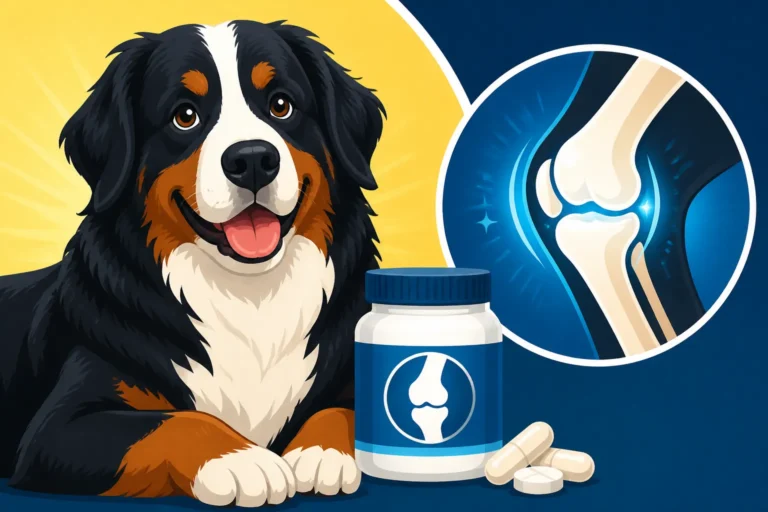
To really grasp how supplements might (or might not) help, it’s helpful to understand a bit about how healthy joints work. Imagine a hinge: at the end of each bone, there’s a smooth, resilient layer of cartilage. This cartilage acts like a cushion, allowing the bones to glide effortlessly over each other. Surrounding this entire setup is a joint capsule, filled with synovial fluid, which acts as a lubricant and provides nutrients to the cartilage. It’s a beautifully designed system, allowing for incredible range of motion without pain.
In a dog with joint disease, this elegant system starts to break down. The cartilage might become rough, thin, or even erode completely. The synovial fluid can lose its lubricating properties, and inflammation sets in. This inflammation is the body's natural response to damage, but in chronic cases, it can actually exacerbate the problem, leading to pain, swelling, and further degradation of the joint. Over time, the body might try to stabilize the joint by growing bone spurs (osteophytes), which only further restrict movement and increase discomfort. It's a vicious cycle that can be incredibly hard to interrupt once it truly gets going.
The Reality of Prevention vs. Management
This is where a lot of owners get tripped up, and it's completely understandable. We want to prevent these painful conditions. We want a magic pill that ensures our Berner never knows a day of joint pain. The hard truth, though, is that for genetically predisposed conditions like hip and elbow dysplasia, truly preventing them with supplements alone is not a realistic goal. These are often developmental issues rooted in genetics. What supplements can do, at best, is help manage the symptoms, slow the progression of degeneration, and improve comfort.
Think of it like this: if a house has a faulty foundation, you can do things to reinforce it, patch cracks, and make the living conditions inside more comfortable. But you can't undo the original structural flaw with a coat of paint. Similarly, joint supplements are tools in a broader toolkit for managing canine arthritis and joint disease, not a standalone preventative measure against genetic predispositions. This is why a comprehensive approach, involving veterinary care, appropriate exercise, and weight management, is always paramount. Joint Disease in a Hundred Pound Bernese Mountain Dog is a complex issue requiring a multifaceted strategy.
Common Joint Supplements and What They Claim to Do
When you walk into any pet store or browse online retailers, the sheer number of joint supplements can be overwhelming. Each one promises relief, comfort, and improved mobility. Let’s break down the most common ingredients you’ll encounter and what they are generally understood to do.
Glucosamine and Chondroitin
These are probably the two most well-known ingredients in canine joint supplements, and they often appear together.
- Glucosamine: This is an amino sugar that plays a crucial role in building and repairing cartilage. The theory is that by supplementing glucosamine, you're providing the building blocks necessary for the body to maintain healthy cartilage and potentially repair damaged areas. It's thought to help stimulate the production of proteoglycans and glycosaminoglycans, which are vital components of cartilage and synovial fluid.
- Chondroitin Sulfate: Chondroitin is a large protein molecule that is also a major component of cartilage. It's believed to help inhibit enzymes that break down cartilage, and it might also enhance the shock-absorbing properties of cartilage. Furthermore, some studies suggest chondroitin helps improve the viscosity of synovial fluid, leading to better joint lubrication.
The scientific evidence for glucosamine and chondroitin in dogs is a bit mixed, which can be frustrating for owners seeking clear answers. Some studies show a moderate benefit, particularly in reducing pain and improving mobility in dogs with mild to moderate osteoarthritis. Other studies show less conclusive results, especially in severe cases where cartilage damage is extensive. The general consensus among many veterinarians is that while they might not be a cure, they are generally safe and can be beneficial as part of a long-term management plan, often for their anti-inflammatory effects and cartilage support. Many owners report noticeable improvements in their dogs' comfort levels after consistent use. You can find many brands offering these ingredients, often available through platforms like Chewy or your local pet supply store.
Omega-3 Fatty Acids (Fish Oil)
Beyond glucosamine and chondroitin, omega-3 fatty acids, primarily EPA (eicosapentaenoic acid) and DHA (docosahexaenoic acid) found in fish oil, are highly recommended for joint health.
- Anti-Inflammatory Powerhouse: The main benefit of omega-3s is their potent anti-inflammatory properties. Unlike NSAIDs (non-steroidal anti-inflammatory drugs) which target specific pain pathways, omega-3s work by influencing the body's inflammatory response at a cellular level. Chronic inflammation is a hallmark of osteoarthritis, and by helping to reduce it, omega-3s can significantly decrease pain and stiffness.
- Beyond Joints: The benefits of omega-3s extend beyond just joints. They are fantastic for skin and coat health, supporting cognitive function, and even cardiovascular health. For a Bernese Mountain Dog, a breed with a thick coat and sometimes sensitive skin, these added benefits are certainly welcome.
When choosing an omega-3 supplement, quality matters immensely. Look for products that are third-party tested for purity and potency, ensuring they are free from heavy metals and other contaminants. The dosage is also key, and it's best to discuss this with your vet to ensure your Berner is getting an effective amount. You can often find high-quality fish oil supplements on Amazon, but always check for reputable brands and independent testing certifications.
MSM (Methylsulfonylmethane) and Other Ingredients
The world of joint supplements also includes other ingredients that often appear in combination formulas.
- MSM (Methylsulfonylmethane): MSM is an organic sulfur compound that is believed to have anti-inflammatory and pain-relieving properties. Sulfur is a vital component of connective tissue, and MSM is thought to support healthy cartilage and joint function. It's often included with glucosamine and chondroitin for a synergistic effect, aiming to further reduce inflammation and support tissue repair. Like the other supplements, research on MSM in dogs is ongoing, but many holistic vets and owners report positive anecdotal evidence, especially regarding pain reduction.
- Hyaluronic Acid (HA): Found naturally in the synovial fluid, HA helps lubricate the joints and maintain the elasticity of cartilage. Some supplements include HA to bolster these natural lubricants, particularly useful in conditions where the synovial fluid is compromised.
- Green-Lipped Mussel (GLM): Hailing from New Zealand, GLM is a natural source of omega-3 fatty acids, glucosamine, chondroitin, and other minerals. It's celebrated for its broad anti-inflammatory and joint-supportive benefits.
- Turmeric/Curcumin: This spice is another natural anti-inflammatory agent that has gained popularity in both human and canine health. It's important to use formulations specifically designed for pets, as pure turmeric has low bioavailability, meaning the body struggles to absorb it efficiently.
When considering a multi-ingredient supplement, it's always best to understand each component and discuss it with your veterinarian. Different dogs respond differently, and what works wonders for one Berner might have little effect on another. It's a journey of observation and careful consideration, always with your vet as your primary guide. You might even find specialized pet food companies like Ollie incorporating some of these beneficial ingredients into their formulations, offering another avenue for consistent intake.
Realistic Expectations and the Limitations of Supplements
It’s easy to fall into the trap of believing supplements are a silver bullet. We desperately want to help our dogs, and these products are marketed so effectively. However, it's crucial to approach them with a healthy dose of realism.
Supplements Aren't a Miracle Cure
Let's be unequivocally clear: joint supplements are not a substitute for proper veterinary diagnosis and treatment. They cannot regrow severely damaged cartilage, nor can they magically fix structural abnormalities like severe hip or elbow dysplasia. If your Bernese Mountain Dog is showing signs of lameness, pain, or difficulty moving, the first and most important step is always a visit to your veterinarian. They can accurately diagnose the issue, rule out other conditions, and recommend a comprehensive treatment plan that might include prescription medications, physical therapy, or even surgery. Ignoring these crucial steps in favor of relying solely on supplements could lead to delays in appropriate care and potentially worsen your dog's condition.
Supplements are best viewed as supportive therapies. They can help reduce inflammation, provide building blocks for cartilage health, and improve comfort, but they do so in conjunction with, not instead of, professional medical advice. Think of them as part of a larger wellness strategy, designed to enhance overall joint health and comfort, rather than a standalone solution. Deciding When to Stop Treating a Bernese Mountain Dog can be a difficult conversation, but understanding the role of each intervention helps.
Importance of Quality and Consistency
The supplement market is largely unregulated compared to pharmaceutical drugs. This means there can be significant variability in product quality, ingredient purity, and actual potency. What's listed on the label might not always be what's in the bottle, or the ingredients might not be in a bioavailable form that your dog's body can actually use.
When choosing a supplement for your Bernese Mountain Dog, look for reputable brands that provide:
- Third-party testing: This indicates that an independent lab has verified the product's contents and purity.
- Clear ingredient lists and dosages: You should know exactly what you're giving your dog and in what amounts.
- Veterinarian recommendations: Your vet can often guide you towards brands they trust and have seen results with.
Consistency is also absolutely key. Joint supplements are not fast-acting pain relievers. They work cumulatively over time, and it often takes several weeks, or even a couple of months, of daily administration to see noticeable effects. Stopping and starting them frequently will likely negate any potential benefits. You might find many options on Amazon or Chewy, but be sure to do your research into the brand itself. Some premium dog food brands, like Ollie, might include certain joint-supporting ingredients, which can also contribute to consistent intake.
When to Start and What to Look For
So, when is the "right" time to start a joint supplement for your Bernese Mountain Dog? This is a discussion best had with your veterinarian, but here are some general guidelines:
- Proactively (with caution): Some owners choose to start a foundational joint supplement (like omega-3s) relatively early, perhaps around one or two years of age, especially if their Berner has a known family history of joint issues or has undergone The Bernese Mountain Dog Health Panel which might reveal predispositions. The aim here is to support joint health before significant problems arise. However, always consult your vet, as overly aggressive supplementation in growing puppies, particularly with certain minerals, can sometimes cause problems.
- At the first signs of stiffness or discomfort: If you notice your Berner is a bit slower getting up, seems stiff after rest, or is less enthusiastic about walks, it's definitely time to talk to your vet and consider starting a joint supplement as part of the overall management strategy. The Bernese Mountain Dog Whose Back Legs Give Out is a serious sign requiring immediate vet attention, not just supplements.
- Following a diagnosis of osteoarthritis: If your Bernese Mountain Dog has been diagnosed with arthritis, joint supplements will almost certainly be recommended by your vet to help manage pain and slow progression.
When you do start a supplement, keep a journal. Note down your dog's activity levels, enthusiasm for walks, how easily they get up and down, and any signs of discomfort. This will help you and your vet assess whether the supplement is truly making a difference. It's not always a dramatic change, but sometimes small improvements in quality of life are incredibly significant.
A Holistic Approach to Supporting Bernese Mountain Dog Joints
While supplements can play a supportive role, they are just one piece of a much larger, more effective puzzle when it comes to managing and slowing joint degeneration in Bernese Mountain Dogs. True joint health comes from a holistic approach.
Weight Management
I cannot stress this enough: maintaining a lean body condition is arguably the single most impactful thing you can do for your Bernese Mountain Dog's joint health. Every extra pound puts undue stress on their joints, accelerating cartilage wear and increasing inflammation. It's like asking someone with bad knees to carry a heavy backpack all day long – it's going to make things much, much worse.
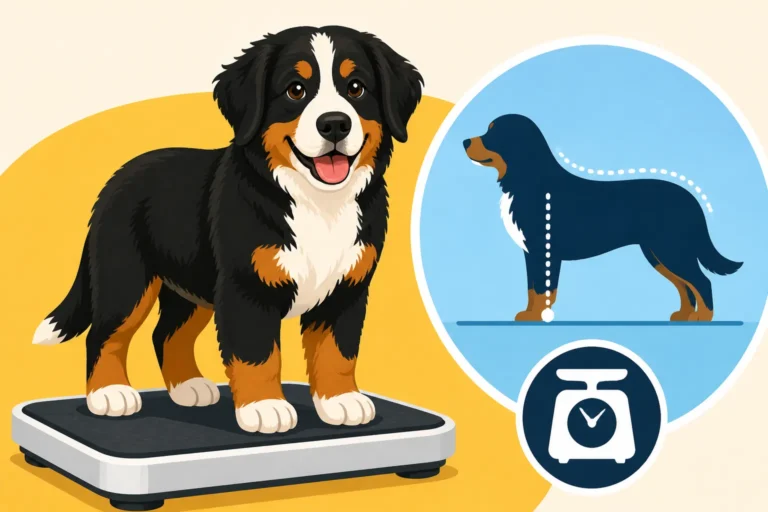
It's tempting to want a big, fluffy Berner, and sometimes their thick coats can hide a few extra pounds. Regularly assess your dog's body condition. You should be able to easily feel their ribs without pressing hard, and they should have a discernible waist when viewed from above. If you're unsure, ask your vet or a trusted breeder to help you assess. Adjusting their diet, controlling treats, and ensuring appropriate exercise are key components here. What a Fit Bernese Mountain Dog Should Weigh is a good benchmark to aim for, and remember, Whether a Lean Bernese Mountain Dog Lives Longer is often directly linked to joint longevity.
Controlled Exercise and Physiotherapy
Exercise is a double-edged sword for dogs with joint issues. Too much, or the wrong kind, can cause damage. Too little can lead to muscle atrophy, which further destabilizes joints. The key is controlled and appropriate exercise.
- Low-impact activities: Swimming, gentle leash walks, and underwater treadmill therapy are fantastic for building muscle without putting excessive strain on joints. Many Berners love water, and swimming provides excellent cardiovascular exercise and muscle strengthening.
- Avoid high-impact activities: Jumping, sudden stops and starts, long runs on hard surfaces, and vigorous fetching can be detrimental to compromised joints.
- Consistency over intensity: Shorter, more frequent walks are generally better than one long, strenuous outing.
- Canine Physical Therapy: A certified canine rehabilitation therapist can be a game-changer. They can design a customized exercise program, teach you therapeutic exercises to do at home, and utilize modalities like laser therapy, massage, and hydrotherapy to reduce pain and improve mobility. Investing in therapy early can significantly improve your dog's quality of life and potentially slow the progression of joint disease. If you're looking for Swim Therapy Rates for a Bernese Mountain Dog, local canine rehabilitation centers are the place to start.
Veterinary Oversight and Treatment
Your veterinarian is your most important partner in your Bernese Mountain Dog's joint health journey. Regular check-ups are essential, especially as your Berner ages. Your vet can:
- Diagnose conditions early: Early diagnosis means earlier intervention, which can significantly impact the long-term prognosis. This might involve The Age a Bernese Mountain Dog Should Be X-Rayed to get a baseline.
- Prescribe appropriate medications: When pain becomes significant, prescription medications like NSAIDs can offer much-needed relief and improve quality of life. There are also newer injectables that can help support joint health and reduce inflammation.
- Recommend other therapies: This could include joint injections, regenerative medicine, or surgical options if necessary.
- Monitor progress: Your vet can track your dog's response to supplements and other treatments and make adjustments as needed.
Never hesitate to discuss any concerns you have about your Berner's mobility or comfort with your vet. They are there to help you make informed decisions that are best for your dog. For severe cases, The Case for Replacing a Bernese Mountain Dog's Hip might even be a consideration. Moreover, specialized comfortable Bedding for an Arthritic Bernese Mountain Dog can make a huge difference in their daily comfort.
Ultimately, while the idea of a supplement slowing down joint disease in a Bernese Mountain Dog is appealing, the reality is that it's a piece of a much larger, active management plan. Supplements provide support, but they cannot replace the foundational importance of responsible breeding, careful puppy rearing, strict weight management, appropriate exercise, and consistent veterinary care. By combining these elements, you give your beloved Berner the best possible chance at a comfortable, mobile life, even with their predisposition to joint challenges.
| Supplement Ingredient | Primary Claimed Benefit | How It Might Help a Bernese Mountain Dog | Realistic Expectation |
|---|---|---|---|
| Glucosamine HCl | Cartilage building blocks, anti-inflammatory | Supports repair of joint cartilage, may reduce mild inflammation. | Best for mild to moderate arthritis; takes weeks to show effect. |
| Chondroitin Sulfate | Inhibits cartilage breakdown, improves synovial fluid | Protects existing cartilage, improves joint lubrication. | Often paired with Glucosamine; similar efficacy and timeline. |
| Omega-3 Fatty Acids (EPA/DHA) | Potent anti-inflammatory | Reduces widespread inflammation and associated pain in joints. | Excellent for overall health; can significantly improve comfort. |
| MSM (Methylsulfonylmethane) | Anti-inflammatory, pain relief, connective tissue support | May reduce pain and inflammation; supports cartilage and connective tissue health. | Often a complementary ingredient; anecdotal evidence supports. |
| Hyaluronic Acid (HA) | Joint lubrication, shock absorption | Enhances natural joint fluid, improves joint cushioning. | May be more effective in injectable forms; oral absorption varies. |
| Green-Lipped Mussel (GLM) | Comprehensive joint support, anti-inflammatory | Natural source of omega-3s, glucosamine, chondroitin. | A holistic option with broad benefits; quality varies by source. |
Disclaimer
This article is for general informational purposes only and does not constitute professional advice. Laws, prices and regulations vary by location and change over time. Consult a qualified professional for guidance on your specific situation.