Albert Heim and the Name Berner Sennenhund
You've probably admired the majestic Bernese Mountain Dog, perhaps seen one lumbering gracefully or offering a gentle lean, but have you ever paused to consider the rich history behind their name? For many, the breed's dual identity – both "Bernese Mountain Dog" and "Berner Sennenhund" – can be a bit of a mystery. This guide aims to clear up that confusion, diving deep into the fascinating story of how this beloved Swiss giant gained its official identity, with a special focus on the pivotal role played by one notable figure, Albert Heim.
The Historical Canvas: From Farm Dog to Dürrbachler
Before they were known by the elegant moniker "Berner Sennenhund" or the widely recognized "Bernese Mountain Dog," these magnificent canines were simply working dogs, integral to daily life in the Swiss countryside. Their story is deeply intertwined with the rural landscape they called home, evolving from practical necessity rather than deliberate breeding efforts.
Rural Roots and Local Variations
Imagine the rugged valleys and alpine pastures of Switzerland in centuries past. Farmers, dairymen, and tradespeople relied heavily on strong, intelligent dogs for a multitude of tasks. These weren't fancy show dogs; they were companions in labor, guardians of livestock, and powerful draft animals, capable of pulling carts laden with milk, cheese, or other goods to market. Every farm, every valley, seemed to have its own strain of sturdy, long-coated dogs, adapted to the specific needs and climate. There was no single, unified "breed" as we understand it today, but rather a collection of types, all sharing a common ancestry and purpose. These dogs were valued for their strength, loyalty, and calm temperament, essential qualities when dealing with livestock and the demanding environment. They were the unsung heroes of the Swiss mountains, blending seamlessly into the rhythm of agricultural life.
The Dürrbach Valley Connection
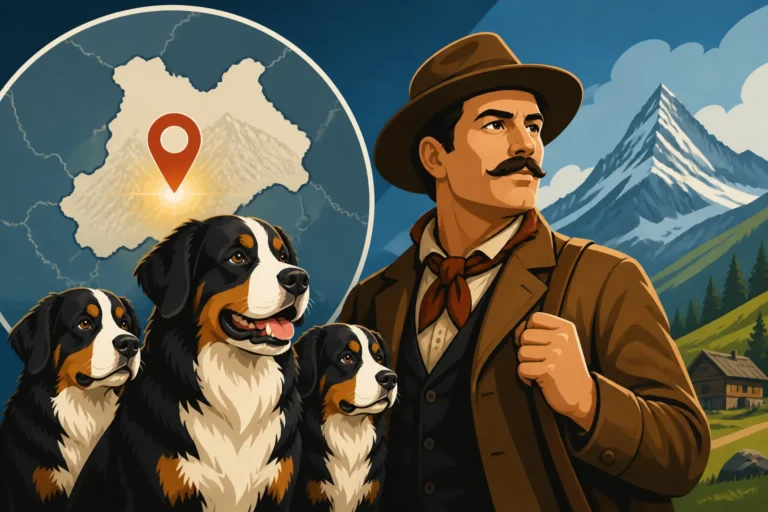
Among these various regional types, one particular strain of dog gained recognition around the Dürrbach (or Dürrbächli) area, a small village and inn situated between Bern and Burgdorf in the canton of Bern. These dogs, often referred to simply as "Dürrbächler" or "Dürrbachhund," were particularly well-regarded for their working abilities. They possessed the characteristic tricolor coat – black, white, and rust – that we now associate with the Bernese Mountain Dog. They were known for their robust build and reliable nature, making them highly sought after by local farmers. When you hear The Swiss Valley the Bernese Mountain Dog Comes From, it's this specific locale that's being referenced, highlighting the deep geographic roots of the breed. This local recognition was a crucial step, narrowing down the diverse collection of farm dogs to a more specific, identifiable type, even if still informally named.
Near Extinction and Rediscovery Efforts
Despite their invaluable contribution to Swiss farm life, the Dürrbächler, like many traditional working breeds, faced an uncertain future as the 19th century drew to a close. Industrialization and changing agricultural practices meant less reliance on traditional draft dogs. Many purebred dogs, often smaller and more fashionable, were being imported, pushing the native working dogs into obscurity. By the late 1800s, the Dürrbächler was on the brink of disappearing entirely, its numbers dwindling to a critical low. It was a classic tale of practical dogs being overlooked in favor of aesthetic trends. Thankfully, a few dedicated individuals, recognizing the unique qualities and historical significance of these dogs, began efforts to revive and preserve them. One such individual was the innkeeper of the Gasthof zum Dürrbach, who kept these dogs and played a role in their survival. These early preservationists were driven by a profound appreciation for these dogs and their cultural heritage, understanding that a valuable piece of Swiss history was at stake.
Albert Heim: The Architect of the Berner Sennenhund
When we talk about the formal establishment of the Bernese Mountain Dog as a recognized breed, one name stands above all others: Albert Heim. His passion, scientific rigor, and influential position were absolutely crucial in shaping the breed's future. Without him, the story of our beloved Berners might be very different.
A Geologist with a Passion for Dogs
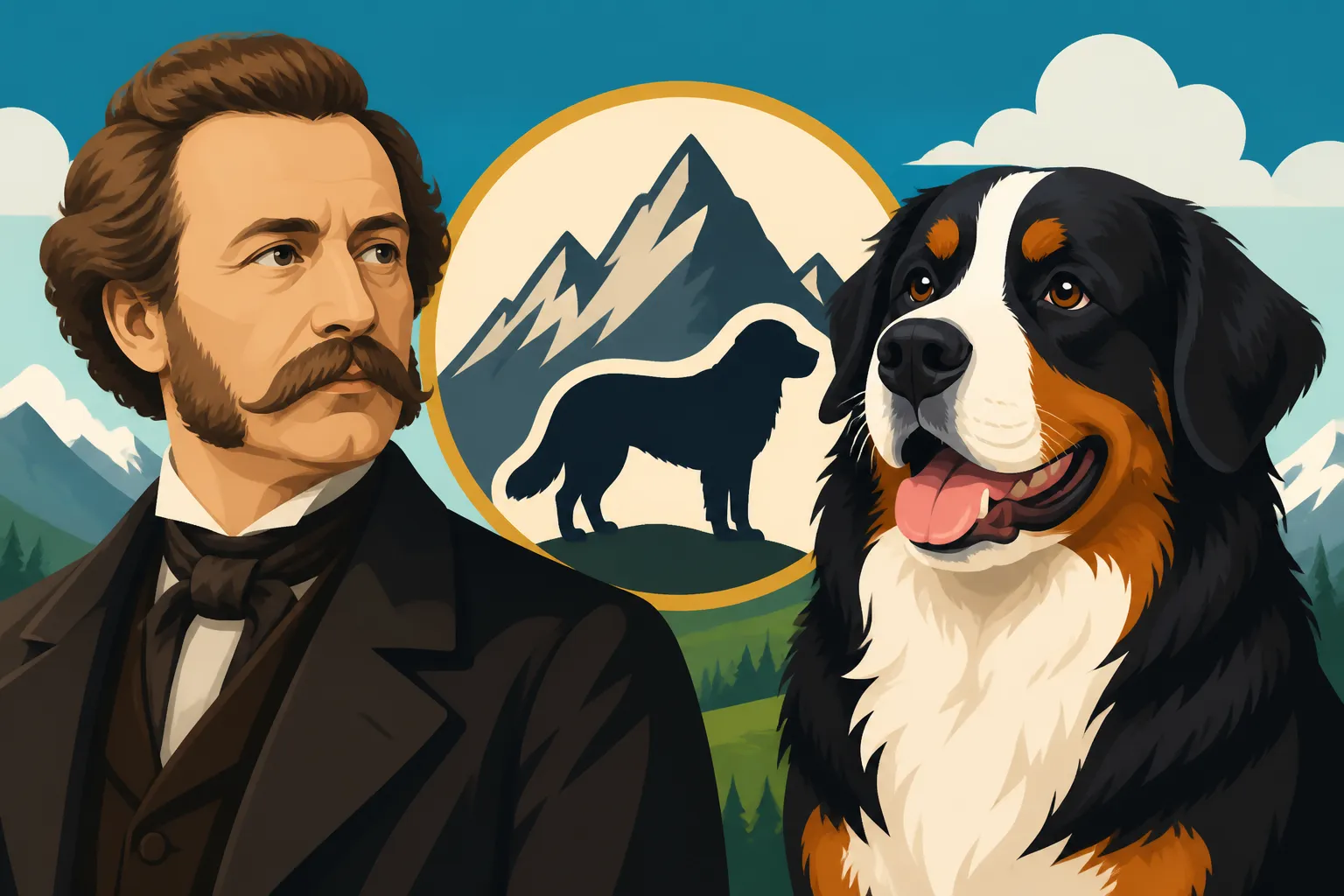
Albert Heim (1849-1937) was a towering figure in Swiss academia, renowned internationally as a geologist and glaciologist. You might wonder what a geologist has to do with dog breeds, and that's a fair question! Heim, however, was also a keen cynologist, a student of dogs. He held a deep love for the native Swiss breeds, particularly the large farm dogs he had known since childhood. His scientific mind, accustomed to classification and detailed observation of natural phenomena, lent itself perfectly to the task of recognizing and defining canine breeds. He didn't just see a dog; he saw a distinct type with specific characteristics, temperament, and historical purpose that deserved to be preserved. His scientific approach brought a much-needed level of academic authority and structure to what had previously been a loose collection of regional types.
Standardization and Recognition
Heim's primary contribution was his relentless advocacy for the native Swiss breeds. He recognized that for the Dürrbächler to survive and thrive, it needed a standardized description and formal recognition. He meticulously documented their characteristics: their distinctive tricolor coat, sturdy build, gentle nature, and working aptitude. He understood that without a clear standard, the breed would continue to be diluted and disappear. In 1904, Heim compiled the first official breed standard for the Dürrbächler, a seminal document that laid out the ideal physical appearance and temperament. This wasn't just about looks; it was about capturing the essence of the working farm dog, ensuring that its practical qualities were preserved alongside its beauty. This formal standard provided a blueprint for breeders and judges, setting a clear path for the breed's development. It truly was the foundation upon which the modern Bernese Mountain Dog was built.
The Dürrbach Club and the Name Change
Heim's influence wasn't limited to writing standards; he was a driving force in the formation of breed clubs. In 1907, a group of local enthusiasts and breeders, inspired by Heim's work, founded the first breed club for the Dürrbächler. This organization, initially known as the "Schweizerischer Dürrbach-Klub" (Swiss Dürrbach Club), was dedicated to promoting and protecting the breed. You can see this dedication in entries like The Dürrbach Club Founded in 1907.
It was around this time, through Heim's persuasion, that the breed's name underwent a crucial change. Heim felt that "Dürrbächler" was too localized and didn't convey the breed's historical connection to the larger Bern canton. He proposed renaming the breed "Berner Sennenhund," which translates literally to "Bernese Alpine Pasture Dog" or "Bernese Mountain Dog." This new name was more dignified, encompassing its regional origin (Bernese) and its traditional role as a dog of the Alpine dairymen (Sennenhund). It elevated the breed from a mere local type to a recognized Swiss national treasure. This name change was a masterstroke, giving the breed a broader appeal and a more appropriate identity.
Understanding "Sennenhund": More Than Just a Name
The term "Sennenhund" is central to understanding the Bernese Mountain Dog's heritage and its place among other Swiss breeds. It's not just a fancy-sounding word; it's a descriptor that speaks volumes about their origins and historical purpose.
The Meaning Behind the Name
Let's break it down: "Senne" refers to the Alpine pastures where cattle graze in summer, and by extension, to the dairymen and herdsmen (called "Senn") who worked there. "Hund" simply means dog. So, a "Sennenhund" is quite literally a "dog of the Senn," or an "Alpine herdsman's dog." This name perfectly encapsulates the traditional role these dogs played in the Swiss Alps. They were companions to the dairymen, helping to guard the cattle, pull carts of milk and cheese, and act as general farmhands. This historical connection to the alpine economy is vital to grasping the breed's temperament and physical attributes. They needed to be hardy, reliable, and intelligent to thrive in that environment. This historical background is why a true Berner has such a strong work ethic, even if today their primary "job" is often being a beloved family member. Understanding this helps us appreciate What a Bernese Mountain Dog Did on a Swiss Farm truly meant for these animals.
Distinguishing the Swiss Breeds
The Bernese Mountain Dog isn't the only "Sennenhund" breed from Switzerland. In fact, there are four distinct Swiss Sennenhund breeds, all sharing a common ancestry as farm dogs but differing in size, coat, and specific regional origins. These are the Appenzeller Sennenhund, the Entlebucher Sennenhund, the Greater Swiss Mountain Dog, and of course, the Bernese Mountain Dog. Each of these breeds holds the "Sennenhund" suffix, signifying their shared working heritage.
Here’s a quick overview of how they differ:
| Breed | Coat Type | Size (Approx.) | Key Distinguishing Features |
|---|---|---|---|
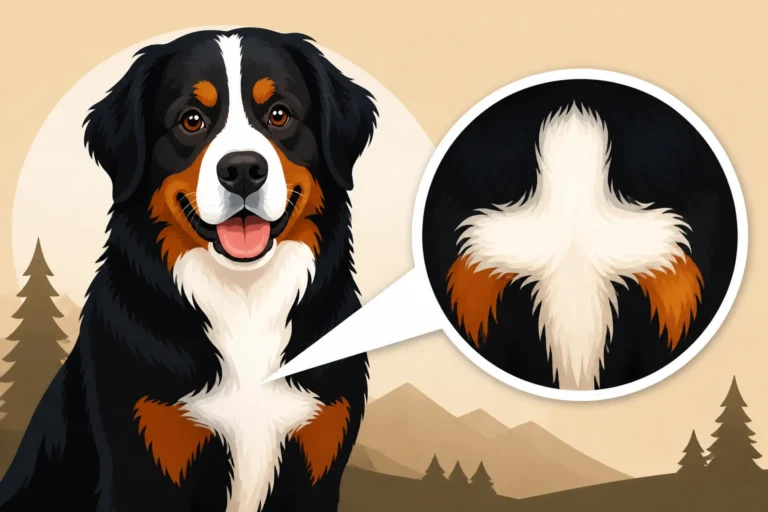
| Bernese Mountain Dog | Long, thick, tricolor | Large (70-120 lbs) | Longest coat, distinctive "Swiss cross" on chest, friendly. |
| Greater Swiss Mountain Dog | Short, dense, tricolor | Very Large (85-140 lbs) | Shorter coat than Berner, slightly larger, powerful build. |
| Appenzeller Sennenhund | Short, dense, tricolor | Medium (48-70 lbs) | High-set, curled tail (posthorn tail), very agile and vocal. |
| Entlebucher Sennenhund | Short, dense, tricolor | Small-Medium (45-65 lbs) | Naturally bobbed or short tail, smallest of the four, very lively. |
As you can see, while all share the tricolor pattern, their coats and sizes vary considerably. You can learn more about The Four Swiss Breeds Beside the Bernese Mountain Dog to appreciate the full spectrum of these wonderful breeds. The Bernese, with its lush, long coat, truly stands out among its short-haired cousins.
The "Berner" Prefix: Tying it to its Canton
The "Berner" in "Berner Sennenhund" is equally important. It directly ties the breed to its geographical origin: the Canton of Bern in Switzerland. This wasn't just a casual choice; it was a deliberate decision to give the breed a strong, recognizable identity rooted in its specific homeland. The canton of Bern is one of the largest and most populated of Switzerland's 26 cantons, and it's particularly known for its agricultural heritage and stunning Alpine landscapes. By associating the dog with such a prominent and historically rich region, Albert Heim and the early breed enthusiasts cemented its status as a uniquely Bernese dog, distinct from other Sennenhund types found in different cantons. It gave the breed a clear brand, if you will, ensuring that its roots were recognized and celebrated. This regional specificity is a point of pride for many breed enthusiasts and helps to explain why the Bernese Mountain Dog is so intrinsically linked to Swiss culture.
The Global Journey: From Berner Sennenhund to Bernese Mountain Dog
While "Berner Sennenhund" remains the official name in its homeland and among purists, the breed gained immense popularity around the world under a slightly different, more accessible name: the Bernese Mountain Dog. This transition was a natural part of its international adoption.
Crossing Borders: Early Introductions Abroad
Once officially recognized and standardized in Switzerland, the Berner Sennenhund began to catch the eye of dog enthusiasts beyond the Swiss borders. Its striking appearance, coupled with its reputation for a gentle and loyal temperament, made it an attractive prospect for breeders and families in other countries. In the early 20th century, particularly after its formal recognition, specimens were gradually introduced to Germany, then across Europe, and eventually to North America. These initial introductions were often by individuals who had encountered the breed in Switzerland and were captivated by its charm and character. It was a slow but steady spread, driven by word-of-mouth and the undeniable appeal of these large, friendly dogs. For a breed that nearly disappeared, this international interest was nothing short of a miracle.
Translation and Adoption: Why "Bernese Mountain Dog" Struck a Chord
As the breed made its way to English-speaking countries, a direct translation of "Berner Sennenhund" was deemed necessary for easier pronunciation and understanding. "Bernese Mountain Dog" was the natural and most fitting choice. "Bernese" clearly indicated its origin in the canton of Bern, and "Mountain Dog" directly conveyed its heritage as a working dog of the Alpine regions. It was a perfect encapsulation of the breed's essence for an English-speaking audience. This name quickly gained traction and became the universally accepted English moniker. It was a practical adaptation that facilitated the breed's global popularity without losing the core meaning of its original Swiss name. This accessibility allowed the breed to flourish in new lands, securing its place in homes far removed from the Swiss Alps. When looking for gear for your gentle giant, many online retailers like Chewy will use "Bernese Mountain Dog" in their product descriptions for things like orthopedic beds or slow feeders designed for large breeds.
Maintaining Identity: The Importance of the Original Name and Standard
Despite the widespread use of "Bernese Mountain Dog," the original "Berner Sennenhund" name holds profound importance, particularly for those deeply involved in the breed's preservation and lineage. Breed clubs worldwide, even those using the English name, still refer back to the historical context and the breed standard established by Albert Heim. This ensures that the core characteristics, both physical and temperamental, remain true to the breed's Swiss roots. It's a constant reminder of where they came from and what they were originally bred to do. This commitment to the original standard helps prevent significant deviations in type and temperament, ensuring that a Bernese Mountain Dog today is still recognizable as a direct descendant of those Dürrbächler farm dogs. It's about respecting the past to safeguard the future of the breed.
Legacy and Lasting Impact
The work of Albert Heim and the early breed pioneers created a lasting legacy that continues to influence the Bernese Mountain Dog community today. Their efforts ensured the survival and flourishing of a breed that embodies strength, loyalty, and a gentle spirit.
Modern Breed Clubs and Preservation
Today, breed clubs like the Bernese Mountain Dog Club of America (BMDCA) and countless others around the globe carry on the work started by Albert Heim and the Dürrbach Club. Their mission is to preserve the breed's integrity, promote responsible breeding practices, and educate the public. These clubs organize events, support health research, and maintain detailed pedigrees to track lines and identify potential genetic issues. They are the custodians of the breed standard, ensuring that new generations of Berners continue to meet the ideal set forth over a century ago. This commitment means that if you're looking for a puppy, a reputable breeder will be deeply involved with these clubs and dedicated to producing healthy, well-tempered dogs that honor their heritage. They are a vital link to the past, ensuring the breed's future.
The Bernese Mountain Dog Today: Popularity and Responsibilities
The Bernese Mountain Dog has grown from a regional Swiss farm dog to one of the most beloved and recognizable breeds worldwide. Their striking appearance, coupled with their famously good-natured and affectionate temperament, makes them popular family pets. However, this popularity also brings responsibilities. Responsible ownership means understanding the breed's specific needs, including their health challenges, exercise requirements, and grooming. Their long coat requires regular attention, and finding the right brushes and deshedding tools is essential – something you can easily explore on platforms like Chewy, which offers a vast array of pet supplies. Grooming a Bernese Mountain Dog's Long Tricolor Coat is more than just aesthetics; it's about their health and comfort. Similarly, their joint health requires careful consideration, meaning appropriate feeding and controlled exercise, especially during their growth stages.
Continuing the Work: Health and Future Generations
The legacy of Albert Heim extends to the ongoing commitment to the health and longevity of the Bernese Mountain Dog. Historically, Berners have faced significant health challenges, notably certain types of cancer and orthopedic issues. This makes the work of databases like What the Berner-Garde Database Records incredibly important. This comprehensive database collects health and genetic information on Bernese Mountain Dogs, providing invaluable data for researchers and breeders striving to improve the breed's health. Owners submitting their dog's health information to such databases play a crucial role in contributing to the collective knowledge that can help future generations. It’s a collective effort, built on the foundation of structured breed development that Heim initiated. Ensuring the Bernese Mountain Dog remains a healthy and vibrant breed is the ultimate testament to his enduring impact.
Disclaimer
This article is for general informational purposes only and does not constitute professional advice. Laws, prices and regulations vary by location and change over time. Consult a qualified professional for guidance on your specific situation.