The Four Swiss Breeds Beside the Bernese Mountain Dog
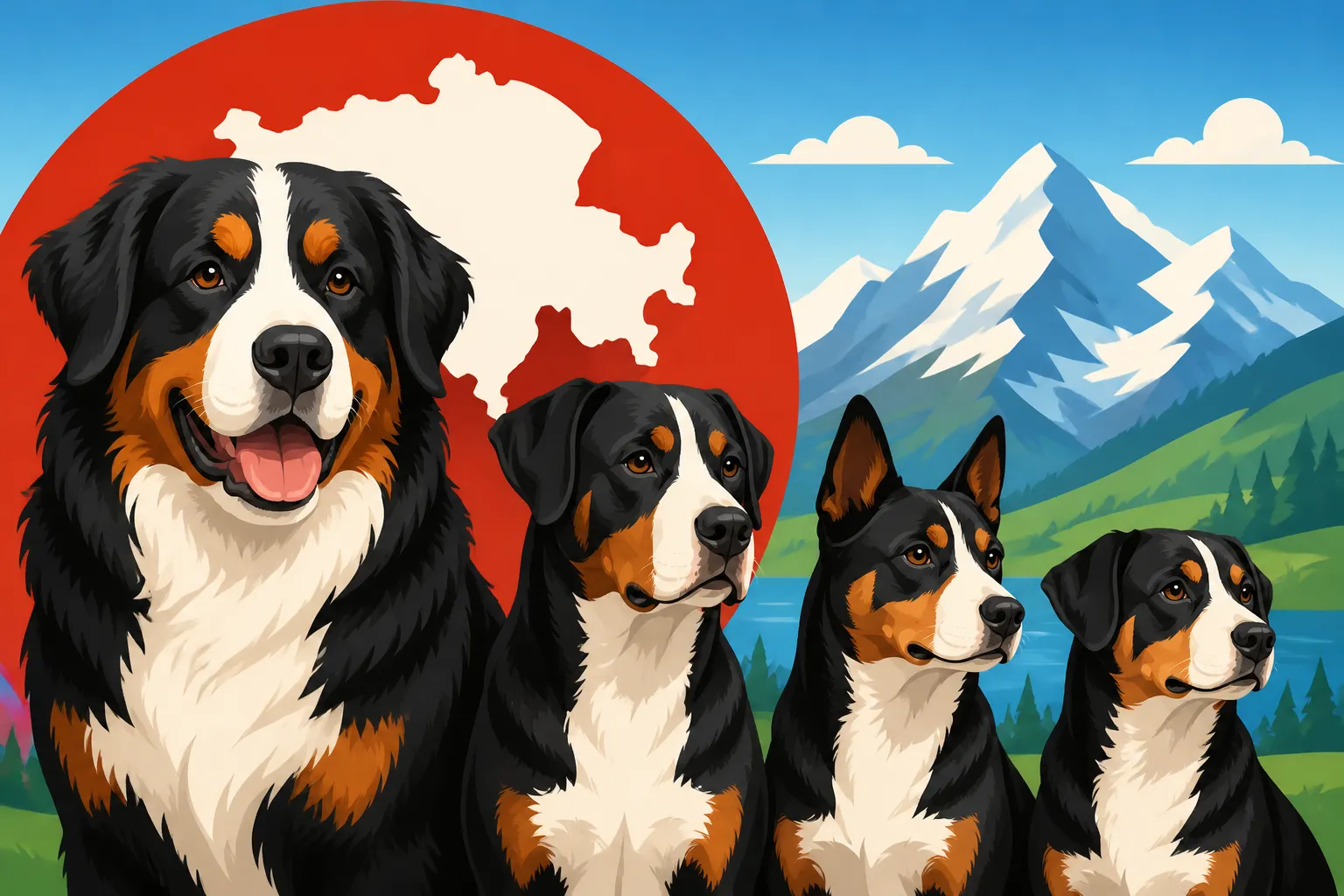
It's easy to look at the majestic Bernese Mountain Dog and assume it's one of a kind, a unique gentle giant from the Swiss Alps. But for many new enthusiasts, discovering that there are actually three other distinct Swiss Mountain Dog breeds, all sharing that familiar tricolor pattern and often similar names, can be quite a puzzle. This guide aims to clear up that confusion, offering a deep dive into the Bernese's beloved cousins and helping you understand what makes each of these beautiful breeds special.
Understanding the Sennenhund Family Tree: A Swiss Legacy
When we talk about the Bernese Mountain Dog, we're really talking about one member of a larger, incredibly special family known as the Sennenhund breeds. These dogs all trace their roots back to the Swiss Alps, specifically to the pastoral communities where they were indispensable working companions. The word "Sennenhund" itself gives us a huge clue; "Senne" refers to alpine pastures and dairies, and "Hund" simply means dog. So, these are literally "Alpine pasture dogs."
The Common Ancestry of Mountain Dogs
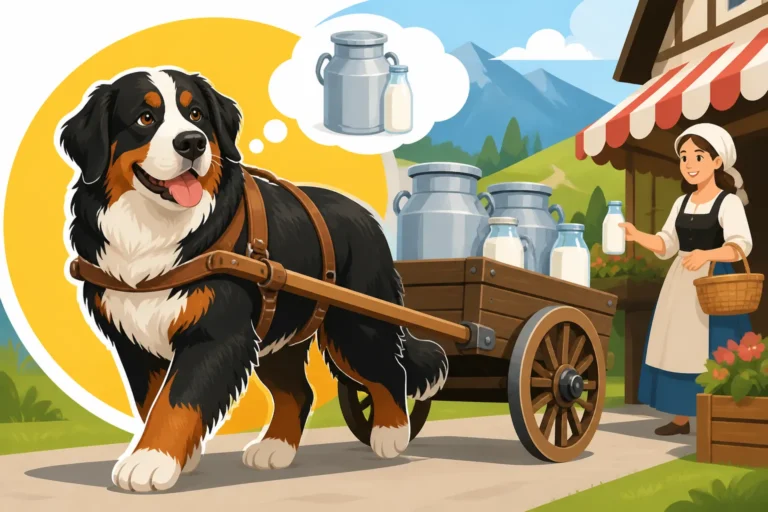
Imagine the rugged, breathtaking landscape of Switzerland centuries ago. Life was tough, and survival depended heavily on reliable working animals. The ancestors of today's Sennenhunds were large, robust farm dogs, essential for tasks like guarding livestock against predators, driving cattle to pasture, and, perhaps most famously, pulling carts laden with milk and cheese to market. These dogs weren't bred for delicate features or particular show ring aesthetics initially; they were bred for utility, strength, intelligence, and a hardy constitution that could withstand harsh mountain weather. Over generations, farmers in different valleys, often isolated by the challenging terrain, selectively bred dogs that excelled at the specific tasks required in their region, leading to the gradual differentiation of the breeds we know today. It's a testament to their enduring utility that these dogs have survived and thrived.
How Geography Shaped Distinct Breeds
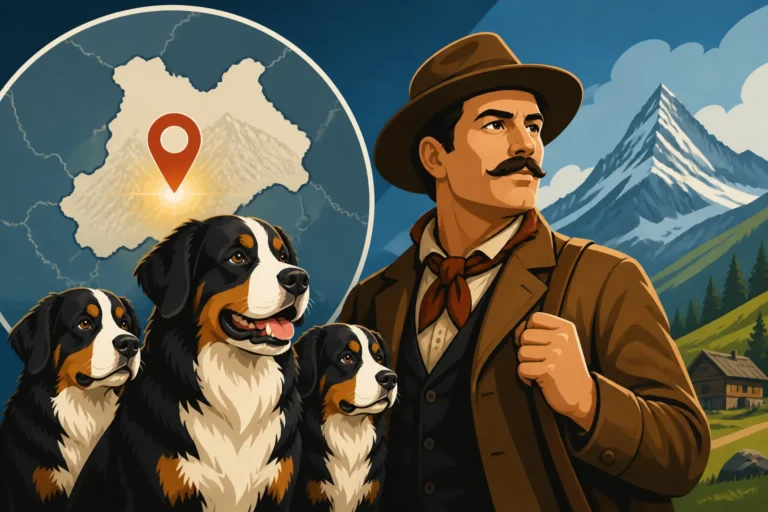
The very mountains that define Switzerland also played a pivotal role in shaping the Sennenhund breeds. Valleys, often separated by impassable peaks, meant that dog populations in one region developed largely independently from those in another. This geographical isolation, combined with the distinct needs of local farmers, led to variations in size, coat type, and temperament. For example, some areas might have needed a heavier, more powerful dog for pulling larger carts or guarding against larger predators, while others might have favored a more agile, lighter-boned dog for navigating steeper terrain or herding smaller flocks. Each valley essentially had its own "local" version of the mountain dog. It was only later, as travel became easier and dog fanciers began to take an interest in standardizing breeds, that these distinct types were formally recognized. The Swiss Valley the Bernese Mountain Dog Comes From is a great example of this, highlighting how a specific region contributed to the development of our beloved Bernese. The names themselves often hint at their origin; for instance, the Appenzeller comes from the Appenzell region.
The Gentle Giant: Our Beloved Bernese Mountain Dog
Of the four Sennenhund breeds, the Bernese Mountain Dog is undeniably the most widely recognized and adored, especially here in North America. Their striking appearance and famously sweet disposition have captured countless hearts, making them popular family companions. But beneath that fluffy exterior and calm demeanor lies a rich history of hard work and loyalty.
Defining Characteristics and Temperament
The Bernese Mountain Dog is often described as noble, good-natured, and self-confident. They possess a calm and tolerant nature, which makes them excellent with children and other pets when properly socialized from a young age. They thrive on human companionship and are known for forming incredibly strong bonds with their families, often following their owners from room to room – earning them the affectionate nickname "velcro dogs." While generally placid indoors, they do need regular exercise to keep them healthy and happy, enjoying walks, hikes, and opportunities for mental stimulation. They are highly intelligent, though sometimes a touch stubborn, which means training requires patience, consistency, and positive reinforcement. Their sheer size and strength mean that early Leash Manners on a Hundred Pound Bernese Mountain Dog are absolutely crucial. They mature slowly, often retaining a puppy-like exuberance until they are two or three years old, requiring owners to remain consistent with their training well into adolescence.
The Iconic Tricolor Coat and Its Variations
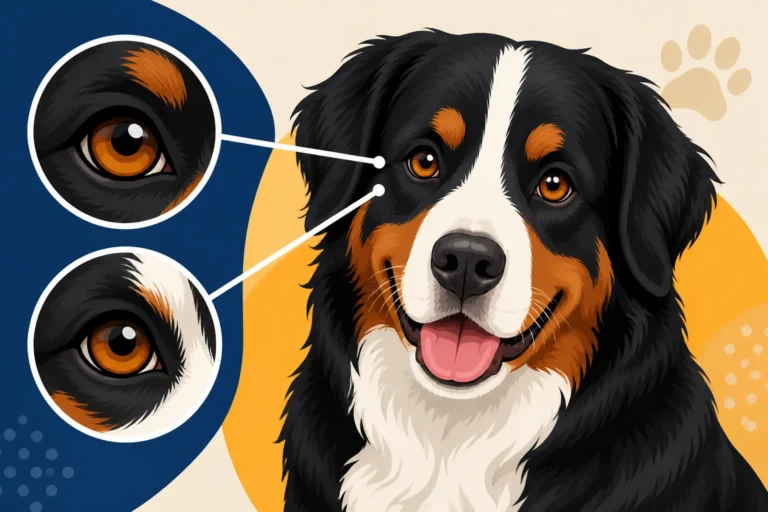
The Bernese Mountain Dog's most distinctive feature is arguably its luxurious, long, tricolor coat. This dense double coat consists of a long, silky outer coat and a thick, woolly undercoat, designed to protect them from the harsh elements of their native Swiss Alps. The coloring is a beautiful combination of jet black as the dominant body color, rich rust or tan markings on the cheeks, over the eyes, on the legs, and sometimes around the chest, and clean white markings. These white markings typically appear as a blaze up the face, a "Swiss cross" on the chest, and white on the paws and tail tip. While there can be minor variations in the exact placement and intensity of these markings, the overall pattern is consistent and part of The Bernese Mountain Dog Breed Standard. This striking coat, while beautiful, does require consistent grooming to prevent matting and manage shedding, which can be quite substantial, particularly during seasonal changes. You'll find yourself needing a good rake and brush, perhaps even a force dryer, all items you can readily find on sites like Chewy.
The Robust Workhorse: Greater Swiss Mountain Dog
Moving on to the Bernese's closest cousin in terms of appearance and function, we find the magnificent Greater Swiss Mountain Dog. Often mistaken for a short-haired Bernese, the "Swissy" is a powerful, agile, and robust breed that truly embodies the spirit of a mountain workhorse. They share many similarities with the Bernese but also have distinct characteristics that set them apart.
Size, Strength, and Key Physical Differences
The Greater Swiss Mountain Dog is typically larger and more heavily boned than the Bernese, even though both are considered giant breeds. They are bred for strength and endurance, possessing a powerful, muscular build that historically made them excellent draft dogs and cattle drovers. Their most obvious physical difference from the Bernese is their coat: the Greater Swiss has a short, dense, tricolor coat, which is still a double coat but lacks the long, flowing hair of the Berner. This shorter coat means less intense grooming requirements than their Bernese relatives, but they still shed, so don't be fooled into thinking they're maintenance-free! Their heads are typically broader, and their expressions can appear a bit more serious and watchful. The Greater Swiss Against the Bernese Mountain Dog highlights just how different these magnificent breeds are when you look closely, especially regarding their build and coat texture.
Temperament and Work Ethic Compared to the Berner
While the Greater Swiss shares the loyalty and devotion characteristic of the Sennenhunds, their temperament often leans more towards being assertive, confident, and perhaps a touch more serious than the Bernese. They were originally bred for heavier work, requiring a higher degree of independence and watchful vigilance. This means they are often more protective of their families and territory, possessing a stronger guarding instinct. They are intelligent and eager to please, but their inherent strength and independent streak mean they require firm, consistent training and early socialization to channel their natural drives appropriately. Unlike the Berner, who might prefer a gentle lean, a Swissy might be more inclined to "bump" you with their solid frame. They have a strong work ethic and thrive when given a "job" to do, whether it's carting, hiking, or participating in dog sports. Mental stimulation is just as important as physical exercise for these intelligent dogs, and they enjoy activities that challenge their minds.
The Agile and Vocal Guardian: Appenzeller Sennenhund
The Appenzeller Sennenhund is a less common sight outside of Switzerland, but they are a truly captivating and lively member of the Sennenhund family. They are notably smaller than both the Bernese and Greater Swiss, but don't let their size fool you—they pack a powerful personality into a more compact package.
Energy Levels and Distinctive Features
The Appenzeller is defined by its vibrant energy, agility, and distinctive "posthorn" tail, which is tightly curled over their back when alert. Like their larger cousins, they are tricolored, with a black base coat and rust/tan and white markings, but their patterns can sometimes be more defined and symmetrical. Their build is lighter and more athletic, making them incredibly agile and quick. These dogs are working machines, bred for herding and guarding, and they retain a strong drive for both. They are known for their enthusiastic barking, often using their voice to alert their owners to anything unusual, which can be a double-edged sword for urban living. Their keen intelligence and boundless energy mean they need a lot of physical and mental stimulation, far more than the average Bernese might require. Without adequate outlets, an Appenzeller can become bored and destructive, a common trait in high-drive working breeds.
Training and Living with an Appenzeller
Due to their high energy, strong herding instincts, and vocal tendencies, Appenzellers are not for the faint of heart or first-time dog owners. They require experienced handlers who can provide consistent training, extensive socialization, and plenty of opportunities for activity. Think long daily walks, running, hiking, and participation in dog sports like agility, obedience, or even actual herding. Their intelligence makes them highly trainable, but their independent spirit means they need a handler who can be a confident leader. They form strong bonds with their families and can be affectionate and playful indoors, but they are generally more reserved with strangers than the typically outgoing Bernese. Introducing them to a variety of people, places, and other animals from a young age is paramount. A secure yard is a must for these active dogs, and they excel in homes where they have a clear purpose and plenty of outdoor time. Even choosing the right interactive toys from a retailer like Chewy can make a huge difference in managing their mental stimulation needs.
The Spirited and Compact Herder: Entlebucher Sennenhund
Rounding out the quartet of Swiss Mountain Dogs is the Entlebucher Sennenhund, the smallest and arguably the most spirited of the four. Like the Appenzeller, they are a high-energy working breed, originally developed for driving cattle in the Entlebuch valley of Switzerland. Their compact size belies a tenacious spirit and a serious work ethic.
Smaller Stature, Big Personality
The Entlebucher Sennenhund possesses a sturdy, athletic build, but on a much smaller scale than the Bernese or Greater Swiss. Males typically stand around 17-21 inches at the shoulder, making them the smallest of the Sennenhunds. They share the characteristic tricolor coat – black with white and rust markings – and a short, dense coat similar to the Greater Swiss and Appenzeller. Their ears are triangular and set high, and their tails can be either a natural bobtail (a common trait in the breed) or a long, natural tail. What they lack in size, they more than make up for in personality. Entlebuchers are known for being incredibly alert, confident, and devoted to their families. They are highly intelligent and retain a strong prey drive and herding instinct, often attempting to "herd" family members or other pets.
Instincts and Exercise Needs
Living with an Entlebucher means embracing their boundless energy and sharp mind. These dogs are always ready for action and need a significant amount of daily exercise and mental engagement to prevent boredom and destructive behaviors. They excel at dog sports like agility, flyball, and obedience, and many thrive in homes where they can participate in these activities regularly. Their protective instincts mean they are often watchful and can be vocal, barking to alert their owners to anything perceived as unusual. Early and consistent socialization is vital to ensure they are well-adjusted and comfortable around strangers and other animals. Without proper training and an outlet for their energy, an Entlebucher can become demanding or restless. They form deep bonds with their human companions and love being involved in family activities, but they are definitely not couch potatoes. For owners considering an Entlebucher, be prepared for an active lifestyle, and ensure you have access to plenty of open space or structured activities to satisfy their working dog needs. Training a Bernese Mountain Dog Without Breaking It also applies to these smaller, spirited cousins; positive reinforcement is key.
Key Differences and Similarities: A Comparative Look
While all four Sennenhund breeds share a common heritage and a distinctive tricolor appearance, understanding their individual nuances is key to appreciating each one. From their physical stature to their inherent temperaments, these differences dictate their suitability for various homes and lifestyles.
Physical Traits Side-by-Side
Let's lay out the main physical differences between these fantastic Swiss breeds. The most obvious distinction often comes down to size and coat. Our beloved Bernese stands out with its long, luxurious coat, setting it apart from its short-coated cousins.
| Feature | Bernese Mountain Dog | Greater Swiss Mountain Dog | Appenzeller Sennenhund | Entlebucher Sennenhund |
|---|---|---|---|---|
| Coat Length | Long, silky, dense double coat | Short, dense double coat | Short, dense double coat | Short, dense double coat |
| Approx. Size | Large (70-115 lbs) | Very Large (85-140 lbs) | Medium (48-70 lbs) | Small-Medium (45-65 lbs) |
| Build | Sturdy, slightly longer body | Muscular, heavy-boned, stocky | Lean, agile, athletic | Compact, robust, athletic |
| Tail | Long, plume-like, carried low | Long, thick, carried low | "Posthorn" curl over back | Natural bobtail or long |
| Head Shape | Broad, distinct stop | Broad, powerful jaw | Wedge-shaped, alert | Wedge-shaped, alert |
As you can see, while the tricolor pattern unites them, the physical variations are quite pronounced. Why Only the Bernese Mountain Dog Has a Long Coat is a fascinating dive into how that single trait distinguishes the Berner from its relatives. The Greater Swiss is truly the heavyweight of the group, while the Appenzeller and Entlebucher are built for agility and speed. These physical traits directly relate to their original working roles and tell a story of adaptation to different environments and tasks within the Swiss Alps.
Temperament and Suitability for Different Lifestyles
Beyond the physical, the temperament and energy levels are perhaps the most crucial distinctions for prospective owners. While all four are generally loyal and devoted, their inherent personalities vary considerably:
- Bernese Mountain Dog: Known for being gentle, calm, and affectionate, the Bernese is often the most relaxed of the group. They thrive on companionship and are generally good with children and other animals, making them wonderful family dogs. Their exercise needs are moderate, consisting of daily walks and playtime. They are often described as "people-pleasers" and can be quite sensitive, requiring gentle, positive reinforcement in training. They crave being part of the family unit and can struggle with isolation. The Kind of Home a Bernese Mountain Dog Belongs In truly emphasizes their need for inclusion.
- Greater Swiss Mountain Dog: Loyal, confident, and often more assertive, the Swissy has a stronger guarding instinct. They are playful but can be more serious and watchful. Their exercise needs are higher than a Bernese, and they benefit from a "job" to do, whether it's carting or hiking. Early and extensive socialization is paramount to ensure they are well-adjusted with strangers. They need a firm, consistent owner who can manage their strength and protective nature.
- Appenzeller Sennenhund: High-energy, intelligent, and vocal, Appenzellers are always on the go. They possess strong herding and guarding instincts and require significant daily exercise and mental stimulation. They are best suited for experienced owners who can provide consistent training, a structured environment, and an outlet for their working drives, such as dog sports. They can be reserved with strangers and are often quite protective.
- Entlebucher Sennenhund: Also high-energy and incredibly spirited, the Entlebucher is tenacious and intelligent. They are eager to please but have a strong will and need consistent, engaging training. Their exercise needs are substantial, and they thrive on activities like agility or long, vigorous hikes. Like the Appenzeller, they can be vocal and watchful, making them excellent alert dogs but requiring management in close-quarter living. They form strong bonds and love being active partners in their family's lives.
Choosing between these breeds means honestly assessing your lifestyle, experience, and what you can realistically offer a dog. If you're looking for a relatively calm, loving companion who enjoys being part of the family without needing intense activity, a Bernese might be your perfect match. If you're an active, experienced dog owner looking for a robust working partner, a Swissy, Appenzeller, or Entlebucher might be more suitable.
Health Considerations Across the Sennenhund Breeds
One of the most sobering aspects of owning any purebred dog is understanding their breed-specific health predispositions. While all four Sennenhunds are generally hardy dogs, their shared genetic heritage and large-breed characteristics mean they often face similar health challenges. Awareness of these issues is crucial for responsible ownership and proactive veterinary care.
Shared Genetic Predispositions
Unfortunately, some health concerns are prevalent across several of the Sennenhund breeds, particularly those related to their large size and specific genetic lines. The Bernese Mountain Dog Health Panel is a comprehensive set of tests that breeders use to screen for genetic diseases, and similar panels exist or are adapted for the other Swiss breeds.
- Joint Diseases: Hip and elbow dysplasia are major concerns for all the larger Sennenhunds (Bernese, Greater Swiss, and to a lesser extent, the Appenzeller and Entlebucher due to their slightly smaller frames but still active nature). These are degenerative conditions where the hip or elbow joints don't form properly, leading to arthritis and pain. Responsible breeders screen their breeding stock using certifications like OFA (Orthopedic Foundation for Animals) to minimize the risk, but it's never a guarantee. Managing a dog's weight, providing appropriate nutrition, and limiting strenuous exercise during puppyhood can help mitigate the severity of these conditions.
- Cancer: This is a particularly heartbreaking reality for the Bernese Mountain Dog. Cancers like Histiocytic Sarcoma, Lymphoma, and Mast Cell Tumors are disproportionately high in the breed and tragically contribute to their shorter lifespan. While not as prevalent in the other Swiss breeds, cancer can still affect them. This underscores the importance of choosing a breeder who actively works to improve the health of their lines and being vigilant with regular veterinary check-ups for early detection.
- Bloat (Gastric Dilatation-Volvulus): As deep-chested breeds, the Bernese and Greater Swiss Mountain Dogs are at a higher risk for bloat, a life-threatening condition where the stomach fills with gas and can twist, cutting off blood flow. This is a medical emergency requiring immediate veterinary attention. Owners of these breeds should be educated on the signs of bloat and discuss preventive measures, such as gastropexy surgery, with their veterinarian. While less common in the smaller Appenzeller and Entlebucher, any deep-chested dog can be susceptible.
- Eye Conditions: Conditions such as progressive retinal atrophy (PRA) and entropion (inward rolling eyelids) can affect Sennenhund breeds. Regular eye exams by a veterinary ophthalmologist are recommended, especially for breeding stock.
- Bleeding Disorders: Von Willebrand's Disease, a hereditary bleeding disorder, is present in some lines of Bernese Mountain Dogs and can also be found in other Swiss breeds. Genetic testing can help identify carriers or affected dogs.
Understanding these risks isn't meant to scare you, but rather to empower you as a responsible dog owner. It means asking tough questions of breeders, opting for comprehensive pet insurance, and building a strong relationship with your veterinarian.
What Prospective Owners Should Research
Before bringing any Sennenhund breed into your home, thorough research is paramount. Start by understanding the health clearances that reputable breeders should provide for their breeding dogs. For example, for a Bernese Mountain Dog, this typically includes OFA certifications for hips and elbows, an ophthalmologist's clearance for eyes, and potentially genetic tests for things like Von Willebrand's Disease and Degenerative Myelopathy. Always ask to see the actual certificates, not just a breeder's word.
Look into the longevity of the lines. While the Bernese unfortunately has a shorter average lifespan, some lines are known for living longer, and researching the ages of ancestors can give you insight. Whether Longevity Is Improving in Bernese Mountain Dogs is an important question to ask. For all breeds, inquire about the breeder's history with specific health issues and what steps they take to mitigate risks. Are they members of their national breed club? Do they participate in databases like Berner-Garde, which tracks health information?
Consider the practicalities of caring for these breeds too. Feeding an adult Bernese Mountain Dog safely, for instance, means choosing a high-quality large-breed formula and dividing meals to reduce bloat risk. You might even want to look into joint supplements early on, which are widely available at pet stores like Chewy, to support their developing and aging joints. Being prepared for potential health challenges both emotionally and financially is a critical part of owning any of these magnificent Swiss Mountain Dogs.
Choosing the Right Swiss Mountain Dog for Your Home
Deciding which of the four Swiss Mountain Dogs is right for you isn't just about falling in love with a cute puppy. It's about a realistic assessment of your lifestyle, living situation, and what you can truly offer a dog for its entire life. Each breed has unique needs and characteristics that need to align with your own.
Matching Breed Traits to Your Lifestyle
Consider these factors carefully when weighing your options:
-
Activity Level:
- Bernese Mountain Dog: Moderate activity needs. Daily walks, some playtime. Happiest as a family companion. If you enjoy leisurely strolls, gentle hikes, and cozy evenings at home, a Berner might be a great fit. They aren't marathon runners but enjoy being out and about with their people.
- Greater Swiss Mountain Dog: High activity needs. Requires vigorous daily exercise, and benefits immensely from a "job" or structured activities like carting, hiking, or sports. If you're an avid outdoors person, a runner, or someone who loves dog sports, a Swissy could be a fantastic partner.
- Appenzeller & Entlebucher Sennenhunds: Very high activity needs. These are working dogs through and through. They need extensive daily exercise, mental challenges, and potentially participation in dog sports like agility, herding, or flyball. Couch potatoes need not apply. If you lead a highly active lifestyle, love to train, and can provide constant engagement, these energetic breeds might be for you.
-
Living Environment:
- All these breeds, especially the larger ones, need space. While a Bernese can adapt to apartment living if given sufficient outdoor exercise, they generally thrive with a yard. The Appenzeller and Entlebucher, with their higher energy, definitely benefit from a securely fenced yard.
- Consider climate: All Sennenhunds have double coats and are bred for cooler climates. They can struggle in hot, humid weather. You'll need to make accommodations to keep them cool during warmer months, such as restricting outdoor exercise to early mornings or late evenings. Getting a Bernese Mountain Dog Through Summer applies across the board for these dogs.
-
Grooming Commitment:
- Bernese Mountain Dog: High grooming needs due to their long, dense double coat. Regular brushing (daily during shedding seasons) is essential to prevent mats and control shedding.
- Greater Swiss, Appenzeller, Entlebucher: Moderate grooming needs. Their short double coats still shed, especially seasonally, but require less frequent brushing than a Bernese.
-
Training Experience:
- Bernese Mountain Dog: Generally eager to please but can be sensitive. Responds best to positive reinforcement. Their size means early training is critical.
- Greater Swiss, Appenzeller, Entlebucher: Highly intelligent and can be more independent or strong-willed. They need confident, consistent, and experienced trainers who understand working breeds. Early socialization is crucial for all of them, but particularly so for the more protective or reserved Swissy and Appenzeller.
The Importance of Reputable Breeders
No matter which Swiss Mountain Dog you feel is the best fit for your home, the absolute most critical step is finding a reputable breeder. A good breeder prioritizes the health, temperament, and welfare of their dogs above all else. They will:
- Perform Health Clearances: As discussed, they will perform and openly share results for all recommended health screenings for their breeding stock (hips, elbows, eyes, genetic tests, etc.).
- Provide Pedigree Information: They should be transparent about the dog's lineage, including health and longevity information of ancestors.
- Socialize Puppies: Puppies should be raised in a stimulating, clean, and loving environment, exposed to various sights, sounds, and experiences before going to their new homes.
- Be Knowledgeable and Responsive: A reputable breeder will be a fantastic resource for you, answering your questions honestly and offering support throughout your dog's life.
- Interview You: Expect a good breeder to ask you just as many questions as you ask them. They want to ensure their puppies go to suitable, loving homes.
- Offer a Health Guarantee and Contract: A clear contract outlining responsibilities and a health guarantee for genetic conditions.
Avoid breeders who cut corners on health testing, have multiple litters simultaneously, cannot show you where the puppies are raised, or seem overly focused on price rather than finding the right home. The initial cost of a puppy is a small fraction of What a Bernese Mountain Dog Costs Over Its Whole Life, and investing in a healthy, well-bred puppy from the start can save you immense heartache and expense down the road. If a specific breed is hard to find, don't rush into a purchase from a questionable source; sometimes, the wait for the right puppy from the right breeder is absolutely worth it.
Ultimately, all four of these Swiss Mountain Dog breeds offer immense loyalty, companionship, and a unique connection to their rich heritage. By understanding their distinct personalities and needs, you can make an informed decision that leads to a fulfilling life for both you and your magnificent mountain dog.
Disclaimer
This article is for general informational purposes only and does not constitute professional advice. Laws, prices and regulations vary by location and change over time. Consult a qualified professional for guidance on your specific situation.