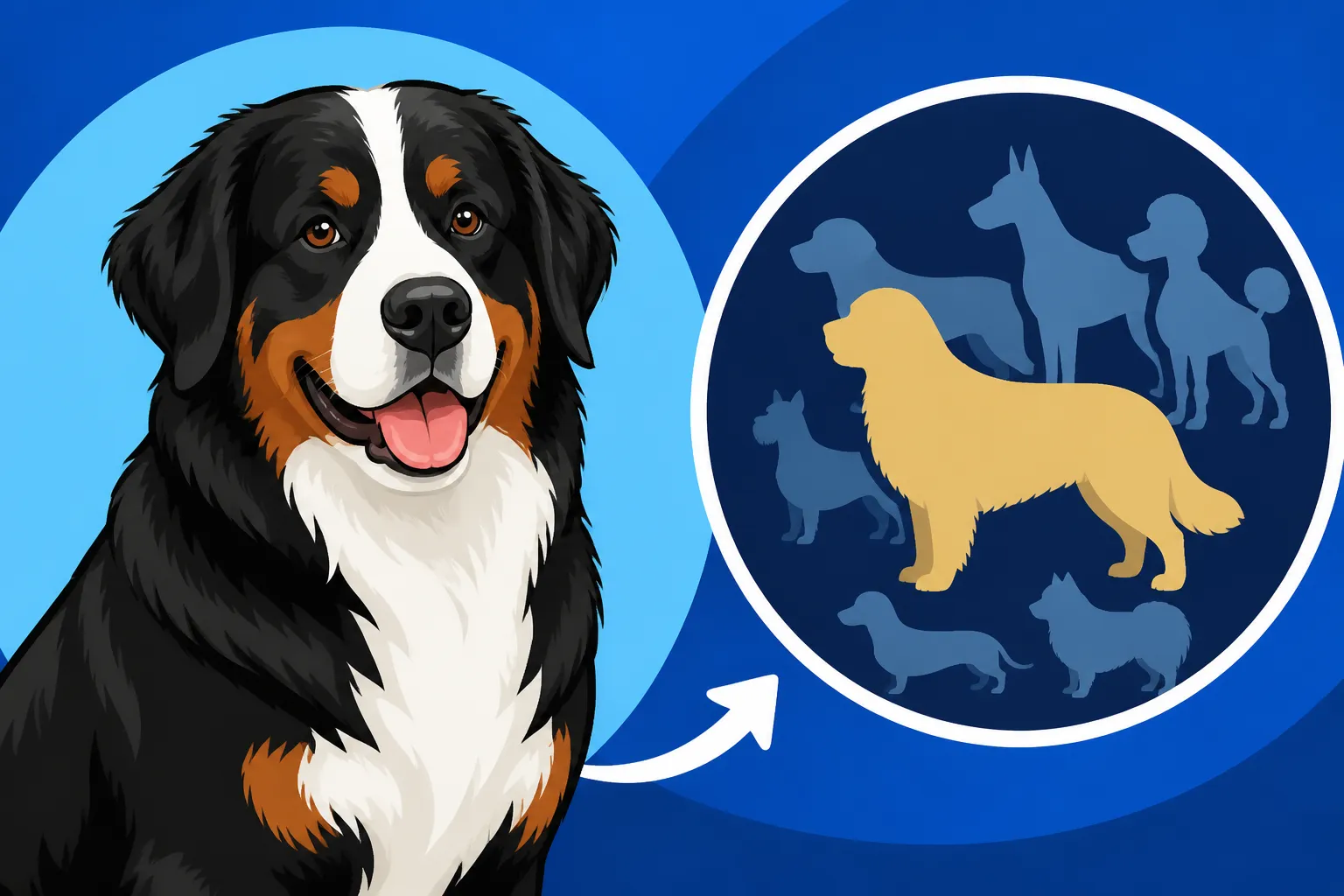
Which AKC Group the Bernese Mountain Dog Shows In
If you’ve ever found yourself admiring a majestic Bernese Mountain Dog, perhaps at a dog show or just wondering where they fit into the broader canine world, one common question that pops up is where the American Kennel Club (AKC) places them. Understanding their AKC group isn't just a fun fact; it helps us truly grasp their rich heritage, inherent characteristics, and what makes them tick as cherished family members. This guide will delve into exactly which AKC group the Bernese Mountain Dog belongs to and what that classification really signifies for prospective and current owners.
Understanding the AKC Groups and Their Purpose
The American Kennel Club organizes hundreds of recognized dog breeds into specific groups. This isn't just for convenience or show purposes; it’s a systematic way to categorize breeds based on their original purpose, shared characteristics, and historical roles. Each group represents a collection of dogs bred for similar functions, which often dictates their physical traits, temperament, and inherent drives.
What the AKC Groups Represent
Think of these groups as a snapshot of canine history. The AKC has several main groups, including Sporting, Hound, Working, Terrier, Toy, Non-Sporting, Herding, and Miscellaneous. Each of these categories lumps together breeds that were developed to perform a specific job or set of tasks for humans. For instance, dogs in the Sporting Group were bred to assist hunters, while the Hound Group comprises dogs known for their keen sense of smell or sight for tracking game. This classification helps in understanding a breed's core instincts and why they behave the way they do, which is incredibly useful for training and living with them.
Why Group Classification Matters to Owners
For you, as a potential or current Bernese Mountain Dog owner, understanding their AKC group provides invaluable insight. It helps you anticipate their needs, understand their natural tendencies, and even be aware of potential breed-specific health concerns that are often tied to their size or historical function. If you know a breed was developed for guarding, you can expect a certain level of protectiveness. If they were bred for herding, you might see them trying to "herd" your children! Knowing the group gives you a framework for what to expect and how to best integrate your dog into your lifestyle, moving beyond just their fluffy good looks.
The Bernese Mountain Dog's AKC Group: The Working Group
Now for the big reveal! The Bernese Mountain Dog proudly belongs to the Working Group of the American Kennel Club. This designation is a profound nod to their ancestral lineage and the vital roles they played in the mountainous regions of Switzerland. It immediately tells us a great deal about their strength, intelligence, and the deep-seated desire to have a purpose.
What Defines the Working Group
Dogs in the Working Group are a diverse collection, but they all share common traits: they are generally strong, intelligent, capable animals bred to perform specific tasks. This group includes breeds originally developed for guarding property, pulling sleds or carts, water rescue, and even military or police work. These aren't dainty dogs; they are built for endurance, power, and often possess a natural protectiveness. They thrive on having a "job" and often display immense loyalty and trainability, though sometimes with an independent streak. Examples include Boxers, Doberman Pinschers, Great Danes, and Alaskan Malamutes.
Historical Roles of the Bernese Mountain Dog
The Bernese Mountain Dog's place in the Working Group is deeply rooted in their history as versatile farm dogs in the Bernese Oberland region of Switzerland. These magnificent dogs were indispensable to farmers and dairymen. They weren't just pretty faces; they performed a variety of crucial tasks that directly contributed to the farm's livelihood. Their primary roles included What a Bernese Mountain Dog Did on a Swiss Farm, such as driving cattle, guarding farmhouses and livestock, and, famously, pulling carts laden with milk cans, cheese, or other goods to local markets.
Imagine the strength and stamina required to pull a cart through hilly terrain, day in and day out! Their substantial build, thick coat, and intelligent, calm demeanor were perfectly suited for these demanding jobs. They needed to be resilient in harsh weather, reliable with livestock, and gentle enough to be around the family. This combination of physical prowess and amenable temperament made them ideal working companions, and these traits are still very much present in today's Berners.
How the Berner's Traits Align with the Working Group
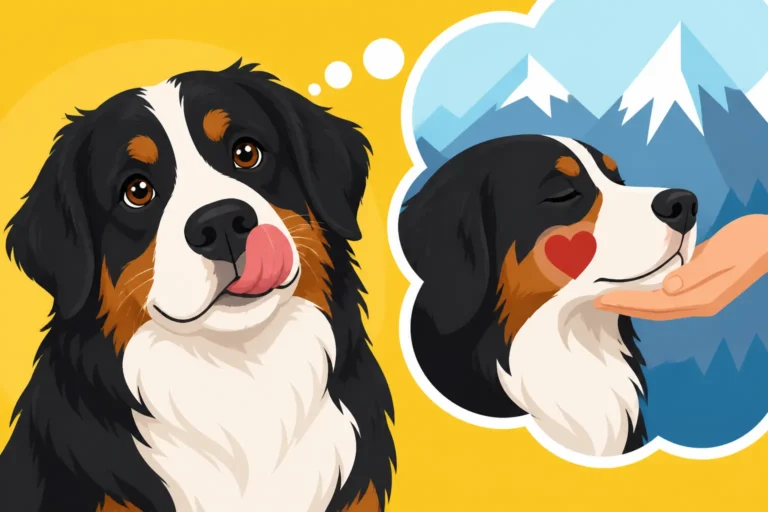
When you look at a Bernese Mountain Dog today, you can still see the echoes of their working past. Their sturdy, muscular build and impressive size immediately speak to their strength. They have a purposeful gait, capable of covering ground efficiently. Beyond their physical attributes, their temperament is a hallmark of the Working Group. Berners are known for their intelligence, eagerness to please (especially when training is consistent and positive), and their inherent desire to be involved in family activities – a modern take on having a "job." They are loyal and watchful, often making excellent, albeit gentle, guardians of their homes. This watchful nature, combined with their affectionate disposition, truly embodies the versatile working dog spirit. The Bernese Mountain Dog That Leans on Everyone often shows their desire for contact and connection, which ties into their historical role as companions to their human partners.
Implications of Being a Working Dog for Bernese Owners
So, what does this Working Group classification actually mean for you as an owner? It's not just about what ribbons they can win in the show ring; it's about understanding their fundamental needs and providing an environment where they can truly thrive. This insight helps you avoid common pitfalls and foster a happy, well-adjusted Berner.
Training and Socialization Needs
Working dogs, by nature, are intelligent and often possess a strong will. This means that consistent, positive reinforcement training is absolutely essential from a young age. Berners are sensitive souls; harsh corrections can be counterproductive, leading them to shut down or become fearful. They need an owner who can be a confident, kind leader, guiding them with patience and clear communication. Early and ongoing socialization is equally crucial. Exposing your Bernese puppy to a variety of sights, sounds, people, and other well-behaved dogs will help them develop into a confident and well-mannered adult. Given their large size, proper leash manners are non-negotiable, as an unruly hundred-pound dog can be quite a handful. You'll want to invest in training early to avoid issues down the road. Training a Bernese Mountain Dog Without Breaking It is a critical read for any owner.
Exercise and Mental Stimulation Requirements
Don't let their calm demeanor fool you; Bernese Mountain Dogs still possess a working dog's need for both physical and mental stimulation. While they aren't typically high-energy dogs that need to run for miles every day, they do require regular, moderate exercise. A couple of good walks a day, playtime in a secure yard, or even opportunities for draft work (pulling a cart) can satisfy their physical needs. More importantly, their intelligent minds need to be engaged. Without a "job" to do, they can become bored, which might lead to destructive behaviors like excessive chewing or digging. Consider puzzle toys, obedience training, scent work, or even just consistent training sessions to keep their brains active. Remember, Exercising a Bernese Mountain Dog in Summer requires careful consideration due to their thick coats.
Common Behaviors Stemming from Working Heritage
Many common Bernese behaviors can be traced back to their working heritage. For example, their tendency to "lean" on you or sit at your feet is often a sign of affection and their desire for close contact, echoing their past role as close companions on the farm. They are often naturally observant and watchful of their surroundings, though generally not aggressive. You might find them positioned in a spot where they can keep an eye on the household. They also tend to mature slowly, remaining quite puppy-like in their demeanor well into their second or even third year. This "extended puppyhood" is common in many large breeds and means consistent training and patience are needed for longer.
Beyond the Show Ring: Living with a Working Group Dog
Bringing a Bernese Mountain Dog into your life means embracing more than just their charming looks. It means understanding the practicalities and responsibilities that come with owning a large, intelligent, and historically purposeful dog. Their Working Group status truly shapes their entire existence and, by extension, yours.
Health Considerations Linked to Large, Working Breeds
Unfortunately, many large and giant breeds in the Working Group, including the Bernese Mountain Dog, are prone to certain health challenges. Their size and rapid growth as puppies put a significant strain on their developing skeletal system, making them susceptible to Joint Disease in a Hundred Pound Bernese Mountain Dog, such as hip and elbow dysplasia. Careful management of a puppy's diet and exercise is crucial to mitigate these risks. Another serious concern for deep-chested breeds like the Berner is bloat, or gastric dilatation-volvulus (GDV), a life-threatening condition where the stomach twists. Understanding the symptoms and knowing how to act quickly is paramount for any Bernese owner. Bloat in a Deep-Chested Bernese Mountain Dog is a must-read for prevention and emergency preparedness. Regular vet check-ups and being proactive about health screenings are essential throughout their lives.
Equipment and Supplies for a Working Bernese
Owning a Bernese Mountain Dog means thinking "large" when it comes to equipment. A standard small dog leash simply won't cut it for a hundred-pound Berner. You'll need sturdy, durable collars and harnesses, often designed for larger breeds. When looking for gear, you'll quickly realize that products, from leashes to food bowls, often need to be "Bernese-sized," and many owners turn to large online retailers like Chewy for these specialized items. Crates need to be extra-large to provide adequate space. And don't forget the importance of comfortable, supportive bedding! Orthopedic Beds Sized for a Bernese Mountain Dog are not a luxury but a necessity, especially as they age, to support their heavy joints. Finding good quality, large-breed dog food, available from retailers like Chewy, is also vital for their nutritional needs and growth management.
The Bernese Mountain Dog in Your Family
Ultimately, a Bernese Mountain Dog's place in the Working Group doesn't mean they need to be out pulling carts constantly (though many enjoy it!). It means they thrive when they feel like an integral part of their human family, with a clear role and purpose. They are renowned for being wonderfully gentle and devoted family companions, often forming deep bonds with children. A Bernese Mountain Dog Around Children articles often highlight their patient and tolerant nature. However, their size means supervision is always necessary, especially with very young children, to prevent accidental bumps. Their loyalty and intelligence, hallmarks of a working breed, make them incredibly rewarding companions who desire to be "with their people" above all else. Whether you're looking for a sturdy leash or a new chew toy on Chewy, always think about durability for a dog this size. You might find yourself browsing through large-breed specific harnesses on sites like Chewy that cater to their unique needs.
Here's a quick look at how the Bernese Mountain Dog compares to some other popular Working Group breeds:
| Breed | Primary Historical Role(s) | Key Working Group Traits |
|---|---|---|
| Bernese Mountain Dog | Cart pulling, droving, farm guarding | Strong, loyal, intelligent, eager to please |
| Boxer | Bull baiting, cart pulling, guard dog, military messenger | Alert, energetic, protective, courageous |
| Great Dane | Wild boar hunting, estate guarding | Regal, strong, courageous, gentle giant |
| Rottweiler | Herding cattle, guard dog, cart pulling | Powerful, protective, confident, self-assured |
| Alaskan Malamute | Heavy freight hauling, endurance sled dog | Strong, independent, resilient, pack-oriented |
This table illustrates the varied, yet common, threads that tie the Working Group together. Each breed, including our beloved Bernese Mountain Dog, was developed for a specific purpose that required strength, intelligence, and often, a close bond with their human partners.
Disclaimer
This article is for general informational purposes only and does not constitute professional advice. Laws, prices and regulations vary by location and change over time. Consult a qualified professional for guidance on your specific situation.