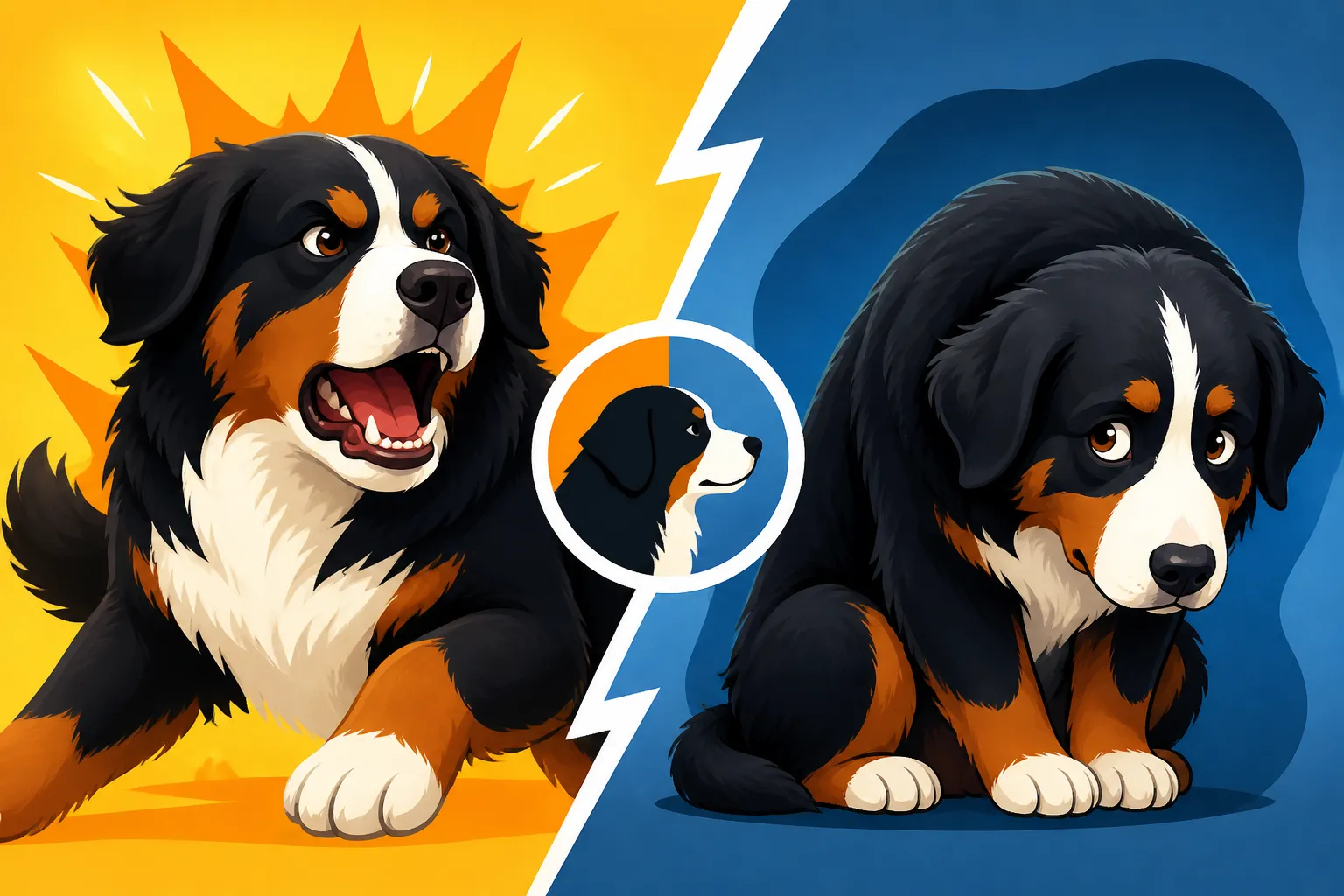
What Sharp or Shy Means for a Bernese Mountain Dog
Bringing a Bernese Mountain Dog into your life is often a dream come true, picturing a gentle, loyal giant by your side. But sometimes, despite our best efforts, we encounter temperament quirks that challenge those idyllic visions. Understanding terms like "sharp" or "shy" in the context of this wonderful breed is crucial, not just for breeders and show enthusiasts, but for every owner wanting to nurture a well-adjusted companion and navigate potential challenges with empathy and knowledge. This guide will delve into what these temperaments truly mean for a Bernese Mountain Dog, how they manifest, and what steps you can take to support your beloved Berner.
Understanding the Bernese Mountain Dog Temperament Standard
The Bernese Mountain Dog, affectionately known as a Berner, is renowned for its calm, confident, and good-natured demeanor. This isn't just a popular opinion; it's explicitly outlined in The Bernese Mountain Dog Breed Standard, which breeders strive to uphold. When we talk about Berners, we envision a dog that is self-confident and poised, not prone to extremes of fear or aggression. They should be outgoing without being boisterous, and calm without being sluggish.
The Ideal Berner Disposition
The breed standard paints a picture of a dog that is "good-natured, self-confident, peaceful and amenable in everyday situations." This means your Berner should typically be comfortable with new people and experiences, showing a friendly curiosity rather than apprehension or hostility. They are often described as having a "kind expression," which reflects their inner calm and willingness to engage positively with their world. Self-Confident and Good-Natured in the Bernese Mountain Dog Standard is truly the cornerstone of what makes this breed so beloved. They should approach new situations with a level head, showing neither excessive timidity nor aggressive posturing.
For instance, imagine meeting a well-socialized Berner at a park. They might approach gently, perhaps lean into your leg for a polite scratch, and then move on, utterly unfazed by the hustle and bustle. They aren't hiding behind their owner, nor are they lunging or barking aggressively at every passerby. This balanced, agreeable nature is what every breeder hopes to produce and what every owner dreams of having.
Why Temperament is Crucial for the Breed
Given their substantial size, the Bernese Mountain Dog's temperament isn't just a preference; it's a necessity for safe and enjoyable companionship. A large dog with an unstable temperament can pose significant challenges and even risks. Their strength means that even a fearful reaction, such as lunging away, can pull an owner off their feet, while true aggression from a dog of this stature is a serious concern. The breed's historical role as a farm dog, often interacting with children and livestock, also cemented the need for a stable, predictable disposition.
Therefore, when evaluating a Berner, especially a puppy, responsible breeders and discerning owners pay close attention to signs that deviate from this ideal. Early socialization is key to nurturing this natural good nature, ensuring that a puppy grows into an adult capable of handling various environments and interactions without becoming overwhelmed or reactive. It’s about building upon their inherent strengths to reinforce their confidence and amiability in a sometimes unpredictable world.
The Meaning of "Shy" in a Bernese Mountain Dog
Shyness in a Bernese Mountain Dog refers to a temperament characterized by excessive timidity, fearfulness, or extreme reservation, particularly in novel situations or around unfamiliar people and animals. It's more than just being a little quiet; it's a persistent pattern of avoidance, anxiety, or discomfort that affects their quality of life and interactions.
Recognizing Signs of Shyness
A shy Bernese Mountain Dog might exhibit a range of behaviors. You might see them consistently retreating behind their owner, refusing to make eye contact, or cowering when approached by strangers. Instead of the gentle lean, they might try to create distance, perhaps turning their head away, tucking their tail, or even shaking slightly. In some cases, a shy Berner might freeze up entirely, becoming unresponsive to commands or attempts at reassurance from their owner. When faced with new objects, loud noises, or unfamiliar environments, their default response is often fear-based avoidance.
For example, taking a shy Berner to a bustling outdoor cafe might result in them panting heavily, looking for an escape route, and refusing to settle, even if normally calm at home. They might ignore treats and toys, entirely focused on their discomfort. This is distinct from a Berner who is simply A Bernese Mountain Dog That Is Aloof With Strangers, which implies a dignified disinterest rather than fear. An aloof Berner might not seek interaction but is generally comfortable existing alongside people, whereas a shy one is genuinely distressed by their presence.
The Impact of Undersocialization
One of the most common contributors to shyness in Bernese Mountain Dogs is inadequate socialization during their critical puppyhood window. This period, roughly from 3 to 16 weeks of age, is when puppies form crucial associations about the world. If they are not exposed to a wide variety of sights, sounds, people, and other friendly animals in a positive and controlled manner, they can develop lasting fear responses. A puppy raised in isolation or only exposed to a very narrow set of experiences often struggles later in life.
Think of a puppy that spends its first few months only interacting with its littermates and immediate family in a quiet home. When suddenly thrust into a busy neighborhood, the sheer novelty of cars, different people, children playing, and unknown dogs can be utterly terrifying. Responsible breeders will emphasize Socializing a Reserved Bernese Mountain Dog Puppy from day one, laying a foundation of positive experiences that build confidence rather than fear. Without this crucial early work, even a naturally good-natured Berner can develop significant shyness that is challenging to overcome.
Genetic Predisposition to Shyness
While socialization plays a massive role, genetics can also contribute to a predisposition for shyness. Temperament is an inherited trait, just like coat color or hip structure. Some lines may carry genes that make puppies more prone to anxiety or fearfulness, even with excellent socialization. This is why reputable breeders prioritize breeding dogs with sound, stable temperaments and thoroughly research the temperaments of the parent dogs and their ancestors. They avoid breeding any dog that exhibits extreme shyness or fear, understanding the potential impact on future generations.
If you have a Bernese Mountain Dog that seems inherently shy despite your best efforts at socialization, it’s important to acknowledge that there might be a genetic component at play. This doesn't mean it's untreatable, but it does mean a different approach might be needed. Understanding Reading Fear in a Bernese Mountain Dog That Retreats is vital here; interpreting their subtle body language helps you respond appropriately and build trust, rather than inadvertently reinforcing their fear by forcing interactions they're not ready for.
The Meaning of "Sharp" in a Bernese Mountain Dog
"Sharp" in a Bernese Mountain Dog refers to a temperament that is overly reactive, quick to startle, or exhibits inappropriate aggression. It's the opposite extreme of shyness, though sometimes fear can be an underlying cause of "sharp" behavior. A sharp Berner is not necessarily an overtly vicious dog, but one whose reactions are disproportionate to the stimulus, showing a lack of the breed's characteristic calm and stable nature.
Manifestations of Sharp Behavior
A sharp Bernese Mountain Dog might show aggression through barking, growling, lunging, or even snapping at perceived threats. These reactions can be triggered by strangers approaching, other dogs, loud noises, or even certain handling procedures. It's often accompanied by stiff body language, raised hackles, a hard stare, or a rigid tail set. They might guard resources excessively, like their food bowl, toys, or even their owner, showing possessive aggression.
Imagine a situation where a child innocently reaches for a toy near a sharp Berner. Instead of calmly moving away or tolerating the interaction, the dog might snap or growl, indicating an overreaction to a non-threatening gesture. This is a stark contrast to the patient, tolerant nature we expect. A Berner who displays this kind of behavior, particularly without clear provocation, could be described as sharp. Whether a Nervous Bernese Mountain Dog Snaps is a serious question that highlights the concern around this temperament.
The Role of Fear and Insecurity
While some sharp behavior can stem from inherent aggression, often it's rooted in fear or insecurity. A dog that feels threatened or overwhelmed might lash out as a defense mechanism, rather than choosing flight. This is particularly true for Berners who may be inherently anxious but have learned that aggression keeps perceived threats at bay. This type of fear-aggression is a significant concern because it means the dog is acting out of distress, not malice, but the outcome is still dangerous due to their size and strength.
Consider a Berner who was poorly socialized as a puppy and is now terrified of strangers. When a friendly person tries to pet them, the dog might bark and lunge, not because they are inherently aggressive, but because they are overwhelmed by fear and trying to make the person go away. The "sharp" reaction is a symptom of their underlying anxiety. Understanding this distinction is vital, as fear-based aggression requires a different approach than purely dominant or truly aggressive tendencies.
Genetic Predisposition to Reactivity
Just like shyness, a predisposition to sharp or reactive behavior can be passed down genetically. Breeders who do not carefully screen for temperament in their breeding lines risk perpetuating these undesirable traits. A parent dog that is overly reactive, easily startled, or shows signs of aggression, even if mild, can pass this genetic inclination to its offspring. This makes it challenging for even the most dedicated owners to fully overcome.
Therefore, again, the importance of choosing a puppy from a reputable breeder cannot be overstated. A breeder who truly understands the Bernese Mountain Dog temperament standard will be transparent about their dogs' dispositions and actively work to produce calm, stable puppies. They will be able to speak to the temperaments of multiple generations within their lines, offering a clearer picture of what you might expect.
The Impact of Shy or Sharp Temperament on Ownership
Living with a Bernese Mountain Dog that exhibits shy or sharp temperament traits can be incredibly challenging and emotionally draining. It impacts daily life, limits activities, and often comes with significant responsibility and stress for the owner.
Daily Life Challenges
A shy Berner might struggle with simple daily routines. Walks become stressful if they panic at every new person or dog. Vet visits can be traumatic, requiring sedation or muzzling simply for a routine check-up. Having guests over becomes a major production, as you try to manage your dog's anxiety while still being a good host. Even taking them to a pet-friendly store like Chewy might be impossible if the crowds and new smells overwhelm them. These dogs often struggle to truly relax and enjoy life, constantly scanning their environment for threats.
For example, imagine trying to take a shy Berner to a local park. Instead of enjoying a leisurely stroll, you might find yourself constantly scanning for potential triggers, trying to cross the street to avoid another dog, or having to leave entirely if your dog becomes too distressed by children playing nearby. This limits enrichment opportunities and can lead to a more isolated life for both the dog and the owner.
A sharp Berner presents even more immediate and serious concerns. Every interaction outside the home, and sometimes even within it, carries the risk of a reactive outburst. Walks become tense affairs, requiring constant vigilance and strong leash handling. Social gatherings are often out of the question, and even mundane things like having a repair person enter the house can become a high-stakes event. The possibility of an incident, no matter how remote, weighs heavily on an owner's mind, creating immense stress.
Limitations on Activities and Lifestyle
Both shy and sharp temperaments significantly limit the activities you can share with your Bernese Mountain Dog. A shy dog won't likely enjoy dog parks, busy hiking trails, or public events. You might feel guilty that your dog isn't experiencing a full and varied life, or frustrated by the constant management required. Similarly, a sharp dog might be excluded from doggie daycare, group training classes, or even visits to friends' homes due to their reactivity. The dream of a calm, confident companion for adventures can quickly fade.
Owners might also face judgment or criticism from others who don't understand the complexities of their dog's temperament. People may assume the dog is "badly trained" or the owner is "irresponsible," adding to the emotional burden. This can isolate owners, making them reluctant to seek help or even discuss their struggles.
The Importance of Early Intervention
Addressing these temperament issues early is paramount. The longer a shy or sharp behavior pattern is allowed to continue, the more entrenched it becomes. Early intervention, ideally in puppyhood, offers the best chance for modification. If you notice signs of extreme shyness or reactivity in your young Bernese Mountain Dog, don't wait, hoping they will "grow out of it." The sensitive period for development closes, and while behavior modification is always possible, it becomes significantly more challenging.
It's a misconception to think that a Bernese Mountain Dog staying a puppy until three means you have until they are three to address these issues. While physical and mental maturity continues, foundational temperament responses are often set much earlier. Promptly seeking professional help can make a world of difference in your Berner's quality of life and your relationship with them.
| Temperament Trait | Typical Behaviors | Potential Root Causes | Impact on Ownership |
|---|---|---|---|
| Shy | Retreating, cowering, tail tucking, avoiding eye contact, freezing, excessive panting, shaking, refusing treats in new situations. | Lack of early socialization, negative past experiences, genetic predisposition to anxiety. | Limited social outings, stressful vet visits, difficulty with guests, constant management, potential isolation. |
| Sharp | Excessive barking, growling, lunging, snapping, resource guarding, stiff body language, hard stare, over-reacting to benign stimuli. | Fear/insecurity, poor impulse control, genetic predisposition to reactivity/aggression, inadequate training/boundaries. | Risk of incidents, tense walks, inability to participate in group activities, social exclusion, significant stress. |
Addressing Temperament Issues in Bernese Mountain Dogs
While managing a shy or sharp Bernese Mountain Dog can be daunting, it's not a hopeless situation. With patience, consistent effort, and often professional guidance, many Berners can learn to cope better and live happier, more integrated lives.
Professional Guidance is Key
The first and most crucial step is to seek help from a qualified professional. This means a certified professional dog trainer, a veterinary behaviorist, or a behavior consultant who uses positive reinforcement and force-free methods. Avoid anyone who suggests harsh corrections or dominance-based techniques, as these can exacerbate fear in shy dogs and increase reactivity or aggression in sharp dogs. A professional can help you accurately diagnose the root cause of the behavior and develop a tailored modification plan. They can interpret your dog's subtle signals, helping you understand how Reading Fear in a Bernese Mountain Dog That Retreats is crucial for effective intervention.
A professional will guide you through desensitization and counter-conditioning protocols, helping your dog gradually become more comfortable with their triggers in a positive way. They can teach you management strategies to keep everyone safe while you work on behavior modification. For instance, they might recommend a specific harness or leash configuration for better control during walks, or suggest enrichment puzzles from Chewy to keep an anxious dog mentally stimulated at home.
Management and Safety Protocols
While you are working on behavior modification, it is absolutely essential to manage your dog's environment to prevent them from practicing undesirable behaviors or putting anyone at risk. This might include:
- Avoiding triggers: If your Berner is reactive to other dogs, choose quiet walking times or routes where you're less likely to encounter them.
- Safe spaces: Create a comfortable, quiet retreat for your dog at home, such as a crate covered with a blanket, where they can feel secure when guests are over or things get overwhelming.
- Leash and muzzle training: For sharp dogs, a well-fitting muzzle can be a vital safety tool, especially in public or during vet visits. Work with a trainer to positively introduce the muzzle so your dog associates it with good things.
- Clear communication with others: Be upfront with friends, family, and strangers about your dog's needs. Teaching Strangers How to Greet a Bernese Mountain Dog is important; ask them to give your dog space, avoid direct eye contact, and let your dog approach if they choose.
Remember, management isn't a cure, but it's a critical component of keeping everyone safe and setting your dog up for success during training.
Building Confidence and Positive Associations
For shy Berners, the goal is to build confidence through positive experiences. This means exposing them to new things at a pace they can handle, always pairing these experiences with high-value rewards like tasty treats. If your Berner is a little reserved, a variety of delicious treats from Chewy can be invaluable in creating positive associations. Small, frequent training sessions, focusing on basic obedience and fun tricks, can also boost their self-esteem. Remember, Berners can be sensitive, and The Bernese Mountain Dog That Quits After One Correction needs a gentle, encouraging approach.
For sharp dogs, the focus is often on teaching alternative, acceptable behaviors and building impulse control. This means rewarding calm responses, teaching "look at that" exercises to redirect their attention from triggers, and engaging them in activities that drain their energy positively. Consistency is vital, and every successful calm encounter helps chip away at reactive patterns.
The Role of Exercise and Mental Stimulation
A Bernese Mountain Dog, regardless of temperament, needs appropriate exercise and mental stimulation. A dog with pent-up energy or boredom is more likely to exhibit undesirable behaviors, whether that's anxiety-driven destruction or increased reactivity. Daily walks, appropriate for their physical development and joint health, are essential. Engaging their minds with puzzle toys, scent work, or short training sessions can also make a huge difference.
Even a dog with temperament challenges still needs outlets. For a shy Berner, controlled, quiet walks in low-stimulus environments can be a great way to build confidence. For a sharp Berner, structured walks with clear boundaries and opportunities to focus on you can help them feel more secure and less reactive. Remember, a tired Berner is often a well-behaved Berner, but ensure the exercise is appropriate and doesn't push them past their emotional limits. Exercising a Bernese Mountain Dog in Summer needs careful consideration to prevent overheating, especially for dogs already under stress.
Medications and Supplements
In some cases, particularly for severe anxiety or fear-based reactivity, your veterinarian or a veterinary behaviorist might recommend medication in conjunction with behavior modification. This isn't a "magic pill" but can help reduce your dog's overall anxiety levels, making them more receptive to training and less overwhelmed by their environment. Similarly, certain calming supplements might be suggested to support their emotional well-being. Always discuss any medications or supplements with your vet before introducing them to your dog. Products like Adaptil diffusers or calming chews are sometimes found on Chewy and can be part of a multi-faceted approach, but they are never a standalone solution.
Living with a Bernese Mountain Dog that exhibits shy or sharp tendencies is a journey, not a sprint. There will be good days and bad days. The key is to approach the situation with understanding, empathy, and a commitment to providing your Berner with the support and guidance they need to navigate their world more confidently and calmly.
Disclaimer
This article is for general informational purposes only and does not constitute professional advice. Laws, prices and regulations vary by location and change over time. Consult a qualified professional for guidance on your specific situation.