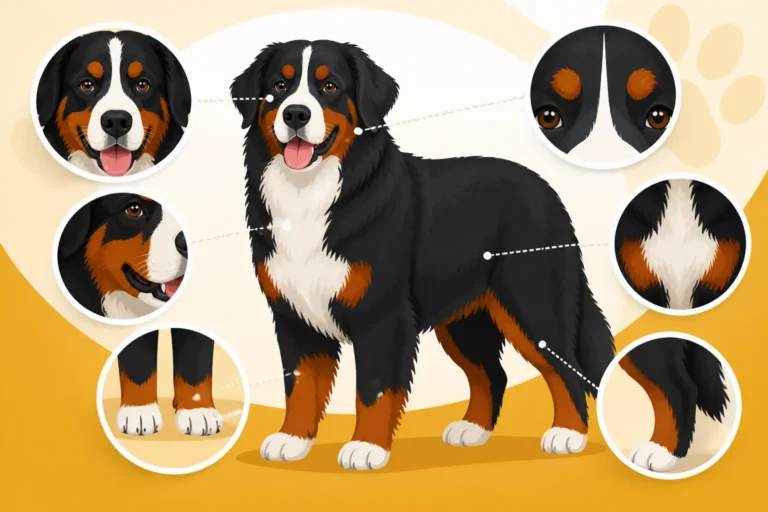
Whether the Bernese Mountain Dog Nearly Died Out
It’s a truly heartbreaking thought for anyone who cherishes a Bernese Mountain Dog: imagining a world without these gentle giants. Many of us worry about the future of our beloved breeds, especially when we hear whispers of them once being rare or in danger. This guide dives into the fascinating and sometimes precarious history of the Bernese Mountain Dog, exploring how this wonderful breed truly did teeter on the brink of disappearance and the incredible efforts that brought them back.
The Bernese Mountain Dog's Early History and Near Disappearance
Before they became the adored family companions we know today, Bernese Mountain Dogs were essential working dogs in the rugged Swiss Alps. Their history is deeply intertwined with the lives of the farmers, dairymen, and tradespeople in the remote valleys of Switzerland. Understanding their original purpose helps us grasp why, for a time, their very existence was threatened.
From Farm Dog to Forgotten Breed
Imagine the scene in the Dürrbach region, nestled in the Swiss Alps, centuries ago. Life was tough, and survival depended on hard work and reliable partners – both human and animal. This is where the ancestors of our Berners shone brightest. They were multi-talented dogs, serving as guardians of the farm, herding cattle, and perhaps most famously, pulling carts laden with milk, cheese, or other goods to market. A Bernese Mountain Dog was not just a pet; it was a vital part of the family’s livelihood, a four-legged engine and protector. They were strong, intelligent, and incredibly devoted, perfectly suited to the demanding agricultural life of the region. If you're curious about their origins, take a deeper dive into The Swiss Valley the Bernese Mountain Dog Comes From.
These dogs were truly indispensable. They provided companionship during long, solitary days, and their watchful presence deterred predators and thieves. Their powerful build and steady temperament made them ideal for draft work, often navigating treacherous mountain paths where modern vehicles couldn't go. They were known by various regional names, often associated with the inns or areas where they were most common, like "Dürrbächler" dogs after the Dürrbach Inn, which was a hub for local farmers.
However, as the 19th and early 20th centuries brought significant changes to European society, the traditional roles of these working dogs began to diminish. Industrialization and advancements in transportation meant that goods could be moved more efficiently by machines or larger draft animals. The quaint image of a Berner pulling a milk cart became less of a necessity and more of a nostalgic memory. This shift had profound consequences for the breed.
Why the Bernese Mountain Dog Nearly Died Out
The main reason the Bernese Mountain Dog faced near extinction was quite simply the march of progress. As technology advanced, particularly in agriculture and transportation, the specific jobs these dogs performed became obsolete. Tractors replaced ox teams, trucks replaced horse-drawn carts, and even smaller, general-purpose farm dogs could handle the remaining tasks. The need for a large, powerful draft dog dwindled significantly. If you want to understand more about this period, you might find What Replaced the Bernese Mountain Dog on Swiss Farms insightful.
Another contributing factor was the rise of other, more "fashionable" breeds. As dog shows and formalized breeding became more popular, attention often shifted to breeds with established pedigrees or exotic appearances. The humble, hardworking Dürrbächler, lacking a recognized breed standard or dedicated fan base, simply wasn't on many people's radar. They were seen as common farm dogs, and their numbers naturally declined as their utility diminished. People weren't actively breeding them with a specific vision in mind, and the remaining dogs were often crossbred without much thought to preserving pure lines.
Without formal breeding programs, kennel clubs, or even much written documentation, the genetic pool of these dogs became increasingly scattered and diluted. It wasn't a sudden, dramatic event like a disease wiping them out, but rather a slow, quiet fading away as their purpose disappeared and no concerted effort was made to preserve them. The older generation who remembered their value passed on, and with them, the knowledge and appreciation for these magnificent dogs began to wane. It’s a classic tale of a working breed being left behind by modernization.
The Efforts to Revive the Breed
Fortunately, the story of the Bernese Mountain Dog doesn't end with its disappearance. A small group of dedicated individuals, seeing the unique qualities and undeniable charm of these remaining dogs, decided to take action. Their passion and foresight were crucial in pulling the breed back from the brink.
The Dedicated Individuals Who Stepped Up
The revival of the Bernese Mountain Dog owes an enormous debt of gratitude to a few passionate Swiss fanciers who refused to let these noble dogs vanish completely. Chief among them was Franz Schertenleib, an innkeeper from the Dürrbach area, who had a deep love for these local farm dogs. He was instrumental in actively seeking out and collecting the best examples of the breed he could find, often traveling to remote farms and villages to locate dogs that still exhibited the desired type and temperament. He truly believed in the intrinsic value of these dogs, not just for their working ability, but for their character. You can learn more about his pivotal role in The Innkeeper Who Saved the Bernese Mountain Dog.
Schertenleib’s efforts were then bolstered by Professor Albert Heim, a prominent geologist and cynologist (a fancy term for someone who studies dogs). Heim was not only a respected academic but also a passionate advocate for Swiss dog breeds. He recognized the distinctiveness of the Dürrbächler and understood the importance of preserving native breeds. His scientific background and influence lent credibility and organizational structure to the burgeoning preservation movement. Together, these men, along with others, formed the foundation for the breed's recovery.
Their work was far from easy. It involved careful observation, selecting dogs based on their physical characteristics and temperament, and then systematically breeding them. It was a painstaking process of identifying what made a "true" Bernese Mountain Dog and ensuring those traits were passed down. They weren't just saving a dog; they were saving a piece of Swiss heritage.
Forming the Dürrbach Club and Establishing a Standard
One of the most critical steps in the breed's revival was the formal establishment of a breed club. In 1907, the "Schweizerischer Dürrbach-Klub" (Swiss Dürrbach Club) was founded. This was a monumental moment because it provided a centralized organization dedicated to the preservation and promotion of these dogs. The club brought together scattered enthusiasts and gave their efforts a collective focus. Having a club meant they could establish official breeding guidelines, maintain records, and organize events to showcase the dogs. For more on this, check out The First Bernese Mountain Dog Breed Club.
A crucial task for this new club, guided by Professor Heim, was to develop a detailed breed standard. This standard acted as a blueprint, describing the ideal physical characteristics, temperament, and movement of the Bernese Mountain Dog. It ensured that breeders across different regions were working towards the same goal, preventing arbitrary breeding and maintaining the integrity of the distinct Dürrbächler type. This detailed documentation was a far cry from the casual farm breeding of previous generations.
It was also around this time that Professor Heim successfully advocated for the breed to be officially recognized and renamed. Given that the dogs were found throughout the Canton of Bern and beyond the immediate Dürrbach area, he proposed the name "Berner Sennenhund," which translates to "Bernese Alpine Dog" or "Bernese Mountain Dog." This new name reflected their broader geographical distribution and their ancestral role in the high pastures. The year the Bernese Mountain Dog was renamed signifies a formal turning point in their history.
The Role of Early Pedigree Tracking and Health Focus
With a formal club and a breed standard in place, the early pioneers began the meticulous work of pedigree tracking. This was absolutely essential to ensure genetic diversity while selectively breeding for desired traits. They carefully recorded the lineage of each dog, a practice that was a stark contrast to the undocumented breeding of the past. This foundational work laid the groundwork for modern breed registries and health databases.
However, even with dedicated efforts, a breed rescued from near extinction often faces genetic bottlenecks due to a limited initial gene pool. The challenge was to increase numbers without compromising health or type. This meant careful selection of breeding pairs to minimize inbreeding and maximize genetic variety among the remaining stock. Early breeders had to be incredibly vigilant and make tough choices.
The focus wasn't just on looks; it was on overall health and temperament, too. While the early breeders might not have had the advanced genetic tests we do today, they certainly paid attention to robust health and the characteristic good-natured disposition that defined the breed. Their efforts provided the genetic basis for the Bernese Mountain Dogs we know and love today, ensuring that future generations had a solid foundation, even if challenges like those documented in What the Berner-Garde Database Records would emerge later with broader popularity.
The Breed's Resurgence and Global Popularity
Thanks to these dedicated individuals, the Bernese Mountain Dog slowly but surely began its journey back from obscurity. What started as a local Swiss effort eventually blossomed into international recognition, solidifying its place as one of the world's most cherished breeds.
Crossing the Atlantic and Gaining Recognition
The captivating charm and sturdy nature of the Bernese Mountain Dog weren't destined to remain a secret within the Swiss borders for long. As their numbers grew in Switzerland, word of these beautiful, gentle giants began to spread. It wasn't long before enthusiasts in other countries took notice, leading to their introduction to new lands. The journey across the Atlantic was a significant milestone in their resurgence, marking the beginning of their global appeal. For a detailed account of this expansion, see How the Bernese Mountain Dog Crossed the Atlantic.
The first Bernese Mountain Dogs arrived in the United States in the 1920s and slowly gained a foothold. Their striking tricolor coats, intelligent eyes, and calm demeanor quickly won over hearts. It took several decades for the breed to achieve full recognition by major kennel clubs, but by the mid-20th century, the Bernese Mountain Dog was firmly established in North America and beyond. This formal recognition provided a framework for breeding, showing, and registering dogs, further cementing their place in the canine world.
This period of expansion was crucial. It meant that the breed was no longer dependent on a small, localized gene pool, making it more resilient to potential regional issues. As more people discovered and fell in love with Berners, the demand for them grew, and with it, the responsibility to breed them ethically and healthily. It was a time of exciting growth, but also one that brought new considerations for the breed's long-term well-being.
Maintaining Health and Integrity in a Growing Breed
With increasing popularity came both blessings and curses. On one hand, greater numbers meant the breed was undeniably saved from extinction. On the other, rapid growth sometimes attracts less scrupulous breeders, leading to potential health and temperament issues if not carefully managed. The Bernese Mountain Dog community has always grappled with these challenges, working hard to educate potential owners and support responsible breeding practices. Organizations like the Bernese Mountain Dog Club of America play a vital role in upholding the breed standard and promoting health testing.
Despite their resurgence, Bernese Mountain Dogs still face some significant health challenges, which is a concern for every devoted owner. This breed is known for its relatively shorter lifespan compared to some other large breeds, often due to specific genetic predispositions. This reality makes the work of responsible breeders even more crucial today, as they strive to improve longevity and reduce the incidence of certain diseases. Understanding the specific health issues, such as those discussed in Why a Bernese Mountain Dog Lives Only Seven or Eight Years, is a key part of responsible ownership.
Today, there's a strong emphasis on health clearances, genetic testing, and transparent breeding practices to ensure the ongoing health and vitality of the breed. Prospective owners are encouraged to seek out breeders who are actively involved in health screening and who openly discuss the health history of their lines. Reputable breeders often use resources like the Berner-Garde Database and the Orthopedic Foundation for Animals (OFA) to track and improve the health of their dogs. Even with careful breeding, some challenges persist, leading to ongoing discussions within the community about Whether Longevity Is Improving in Bernese Mountain Dogs. Thankfully, resources for caring for these wonderful dogs are readily available, from specialized large breed foods to joint supplements that you can find at pet supply retailers like Chewy, making it easier for owners to provide the best possible care throughout their Berner's life.
Here's a quick comparison of the Bernese Mountain Dog's journey:
| Aspect | Early 20th Century (Near Extinction) | Modern Era (Resurgence & Popularity) |
|---|---|---|
| Numbers | Very low, scattered individuals | High, globally recognized breed |
| Purpose | Primarily working farm dogs (draft, droving, guarding) | Predominantly companion animals, some still enjoy draft work |
| Recognition | Unrecognized, known by regional names like "Dürrbächler" | AKC, FCI, and other kennel club recognized as "Bernese Mountain Dog" |
| Breed Standard | Non-existent, varied types | Clearly defined and maintained by breed clubs worldwide |
| Breeding Practices | Informal, often accidental | Structured, focused on health, temperament, and type |
| Health Monitoring | Little to none | Extensive, with genetic testing and health databases (e.g., Berner-Garde) |
| Geographic Spread | Confined to specific Swiss valleys | Present in most countries globally |
| Primary Threat | Obsolescence due to mechanization, lack of dedicated preservation | Genetic health issues, challenges of mass breeding |
The story of the Bernese Mountain Dog is a powerful reminder of how fragile a breed's existence can be and how dedicated efforts can bring about a truly remarkable comeback. From being a utilitarian farm dog on the verge of disappearing, they have become cherished family members worldwide, a testament to their enduring charm and the passionate people who fought for their survival. While challenges remain, especially concerning their health, the breed's existence is now more secure than ever, thanks to continuous vigilance and the love of countless owners.
Disclaimer
This article is for general informational purposes only and does not constitute professional advice. Laws, prices and regulations vary by location and change over time. Consult a qualified professional for guidance on your specific situation.