Living With a Bernese Mountain Dog Losing Its Back Legs
There’s arguably nothing more heartbreaking for a Bernese Mountain Dog owner than watching their beloved, once-sturdy companion start to struggle with their hind legs. It’s a gut-wrenching experience to see their powerful gait become a shuffle, their enthusiastic leaps turn into hesitant steps, and their joy for movement slowly diminish. This comprehensive guide is here to walk you through the realities of living with a Bernese Mountain Dog losing its back legs, offering practical advice, emotional support, and resources to help you provide the best possible quality of life for your cherished family member.
Understanding the Causes Behind Hind Leg Weakness in Bernese Mountain Dogs
When your majestic Bernese Mountain Dog starts to show weakness in their back legs, it’s natural to feel a surge of panic and confusion. Many different factors can contribute to this concerning development, and understanding the potential causes is the first crucial step toward getting your dog the right help. It’s a journey often fraught with worry, but knowing what you might be facing can empower you to advocate for your Berner.
Degenerative Myelopathy: A Common Culprit
One of the most devastating and frequently discussed causes of progressive hind leg weakness in Bernese Mountain Dogs is Degenerative Myelopathy, often simply called DM. This isn't just a simple case of old age; it's a cruel, progressive neurological disease that affects the spinal cord, leading to loss of coordination and weakness, particularly in the hind limbs. Owners often first notice their dog stumbling, dragging their back paws, or appearing "drunk" in their hindquarters. The progression is typically insidious, starting subtly and worsening over months to years, eventually leading to full paralysis. It’s a condition that truly tests an owner's resilience, as you watch your vibrant dog slowly lose control over their own body.
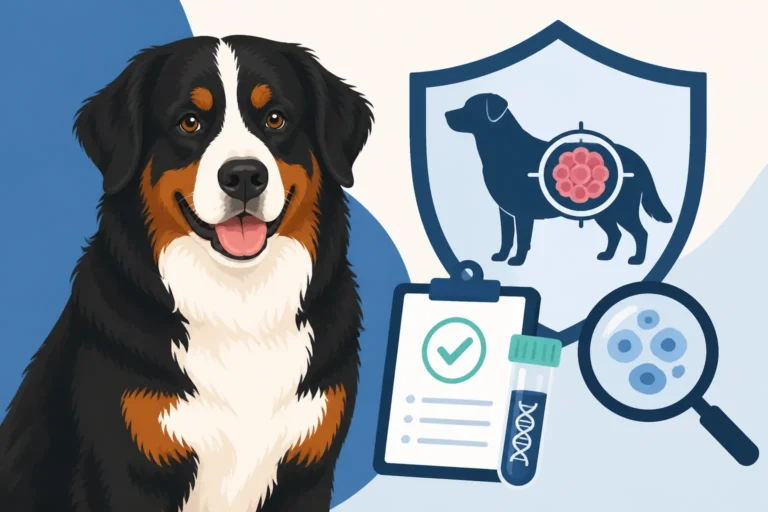
DM is considered an inherited condition, linked to a mutation in the SOD1 gene. While not every dog with two copies of the mutated gene will develop DM, the vast majority will. If you've never looked into genetic testing, now might be the time to discuss The SOD1 Test for a Bernese Mountain Dog with your vet. It can offer important insights, not just for diagnosis but also for understanding the likely progression. The frustrating part about DM is that it's not painful itself, which can be hard for owners to reconcile – their dog seems happy in spirit, but their body is failing them. This lack of pain often leads to questions about Whether a Bernese Mountain Dog With Myelopathy Is in Pain, which can be a relief but also adds to the emotional complexity of the situation.
Other Orthopedic and Neurological Conditions
While DM is a significant concern for Bernese Mountain Dogs, it's certainly not the only reason they might start losing function in their back legs. The sheer size and rapid growth of Berners predispose them to various orthopedic issues. Hip dysplasia is famously common, where the hip joint doesn't form correctly, leading to a loose, grinding joint that causes pain and eventually severe arthritis. It’s devastating to realize that your dog’s beautiful structure, which once allowed them to pull carts in the Swiss Alps, can become a source of such profound discomfort. Similarly, elbow dysplasia can cause front limb lameness but sometimes a dog will compensate and put more stress on their hind legs, indirectly contributing to hind leg weakness.
Beyond joint issues, other neurological problems can mimic DM. Intervertebral Disc Disease (IVDD), for example, where a disc in the spine ruptures or bulges, can compress the spinal cord and cause sudden or gradual weakness, pain, and even paralysis. Tumors in the spine or brain can also manifest with hind leg issues, as can certain types of nerve impingements or even strokes. It's a complex puzzle that needs careful veterinary investigation, because the treatment for hip dysplasia is vastly different from that for a spinal tumor or DM. Getting a clear diagnosis is paramount, as it dictates the most effective path forward.
The Impact of Age and Size
It’s an unfortunate reality that Why a Bernese Mountain Dog Lives Only Seven or Eight Years, and as they enter their senior years, which for a Berner can be as early as five or six, the natural wear and tear on their large frames becomes more apparent. Think about all the weight their joints have carried over the years – a hundred pounds or more, day in and day out. This constant load can lead to significant arthritis, particularly in the hips and knees, even if they didn't have primary dysplasia. Arthritis in a Bernese Mountain Dog by Six is a common lament among owners, highlighting how quickly their mobility can decline.
The sheer size of a Bernese Mountain Dog means that once their mobility starts to decline, even a little, the impact is significant. A small dog with mild arthritis might still manage stairs, but a large Berner struggling to lift their hindquarters becomes a major challenge for both dog and owner. Muscle atrophy, a natural consequence of disuse due to pain or neurological deficit, further exacerbates the problem. What might start as a slight stiffness can quickly snowball into noticeable weakness as muscles waste away. It’s a sad progression, but understanding it helps us to manage expectations and intervene proactively.
Recognizing the Early Signs and Getting a Diagnosis
Catching the subtle cues that your Bernese Mountain Dog is struggling with their back legs is crucial. These gentle giants are often stoic, and sometimes the signs can be so slight that they’re easily missed, especially in a household bustling with activity. Yet, early recognition and a prompt diagnosis can make a significant difference in managing their comfort and preserving their quality of life.
Subtle Changes in Gait and Behavior
Often, the first indications of hind leg weakness are incredibly subtle, and you might only notice them if you’re truly observant and know your dog’s normal routines intimately. Have you started to notice a slight dragging of their back paws, perhaps on walks where they scuff their nails more than usual? Or maybe they stumble occasionally when turning quickly, or their hind end seems to sway a little more than it used to? Some owners report their Berner starting to "bunny hop" when running or going up stairs, using both back legs simultaneously to propel themselves forward instead of individual steps. You might also notice difficulty getting up from a lying position, especially after a long nap, or a reluctance to jump into the car or onto the furniture they once easily scaled.
Sometimes, the changes aren't just physical. Your typically exuberant Berner might seem a little more hesitant, less eager to engage in games they once loved, or even show a slight change in their tail carriage or general demeanor. They might seem more tired, or simply choose to lie down more frequently. It’s easy to dismiss these as "just getting old," but for a Bernese Mountain Dog, these small shifts can be precursors to something more serious. Pay close attention to how they navigate different surfaces – do they slip more on hardwood floors? Do they hesitate at curbs or steps? These observations are vital clues for your veterinarian. Many owners wonder Whether a Bernese Mountain Dog Hides Discomfort, and the answer is often yes, they're incredibly good at it, which makes your vigilance even more important.
The Importance of Early Veterinary Consultation
As soon as you notice any of these changes, even if they seem minor, it’s imperative to schedule an appointment with your veterinarian. Don't wait, hoping it will just go away. A vet visit is not about confirming your worst fears; it's about getting answers and formulating a plan. During the consultation, your vet will perform a thorough physical and neurological exam. This might involve checking reflexes, evaluating muscle mass, observing your dog's gait, and manipulating their limbs and spine to pinpoint areas of pain or weakness. Be prepared to provide a detailed history, including when you first noticed symptoms, how they've progressed, and any other relevant information.
The diagnostic process can involve various tests to rule out or confirm specific conditions. X-rays are commonly used to assess joint health, identify Hips That Fail Under a Bernese Mountain Dog's Weight, or spot obvious spinal abnormalities like fractures or severe arthritis. Blood tests might be performed to check for underlying systemic diseases that could contribute to weakness. For neurological conditions like DM or IVDD, your vet might recommend advanced imaging such as an MRI or CT scan, often requiring referral to a specialist. They might also suggest specific genetic tests, like for the SOD1 mutation if DM is suspected. While the thought of extensive testing can be daunting and costly, remember that an accurate diagnosis is the cornerstone of effective management. Pet insurance, such as through providers like Healthy Paws, can be incredibly helpful in offsetting the often significant costs associated with these diagnostic procedures and specialist consultations, allowing you to focus on your dog's health rather than financial strain.
Navigating the Diagnostic Journey and Specialist Referrals
The journey to a definitive diagnosis can sometimes feel like a maze, especially if the initial vet visit doesn't yield immediate answers. It's common for general practitioners to refer Bernese Mountain Dogs with complex neurological or orthopedic issues to specialists, such as veterinary neurologists or orthopedic surgeons. These specialists have advanced training, equipment, and expertise to delve deeper into the problem. A neurologist, for instance, can interpret an MRI with incredible precision, identifying subtle spinal cord compressions or changes indicative of conditions like DM.
Working with specialists means a collaborative approach to your dog's care. They'll review all previous findings, perform their own in-depth exams, and recommend further tests specific to their area of expertise. Don't hesitate to ask questions, no matter how small they seem. Understanding the diagnosis, the prognosis, and the proposed treatment plan is crucial for you as an owner. It’s also important to acknowledge the emotional toll this journey can take. It’s tough seeing your dog undergo tests, and waiting for results can be agonizing. Leaning on your veterinary team for support, and perhaps connecting with other Berner owners who've faced similar challenges, can provide much-needed comfort during this stressful time.
Practical Home Modifications and Mobility Aids
Once you have a diagnosis and a treatment plan, one of the most immediate and impactful things you can do for your Bernese Mountain Dog is to adapt their home environment. A few thoughtful changes can make a world of difference in their comfort, safety, and ability to navigate their world with dignity. This isn't about giving up; it's about evolving with your dog and providing them with the support they need to continue enjoying their life alongside you.
Creating a Safe and Accessible Home Environment
Imagine trying to walk on ice when your legs are weak and wobbly – that's how a Bernese Mountain Dog with hind leg weakness might feel on slippery floors. One of the most critical home modifications is ensuring good traction. Lay down non-slip rugs, carpet runners, or yoga mats on hardwood, tile, or laminate floors, especially in high-traffic areas and paths to food/water bowls and outdoor access points. This small change can prevent dangerous slips and falls that could worsen their condition or cause new injuries. Consider placing permanent runners from their favorite resting spots to the door, creating a clear, secure pathway.
Think about elevation changes. If your Berner used to jump onto the couch or bed, they may no longer be able to. Invest in sturdy pet ramps or steps designed for large breeds. For going in and out of the house, a portable ramp can be invaluable, especially if there are steps. For their food and water, consider elevated bowls to reduce the strain on their neck and back, making meal times more comfortable. Also, be mindful of clutter. Keep pathways clear of objects they might trip over. In multi-story homes, baby gates can be used to block off stairs, preventing falls. It’s about anticipating their challenges and removing obstacles before they become dangerous.
Harnesses, Slings, and Mobility Carts
As your Berner's hind leg weakness progresses, they might need physical assistance to move around. This is where mobility aids become invaluable tools. A supportive harness, especially one designed to aid the hindquarters, can be a game-changer. These typically have handles over the hips, allowing you to gently lift and support their rear end as they walk, go up and down stairs, or get in and out of a car. Full-body harnesses, like those offered by brands such as Ruffwear or Help 'Em Up, provide support to both the front and back, distributing weight more evenly and making it easier to assist your dog without straining your own back. These harnesses are not just about helping them walk; they're about preventing further injury and giving your dog confidence.
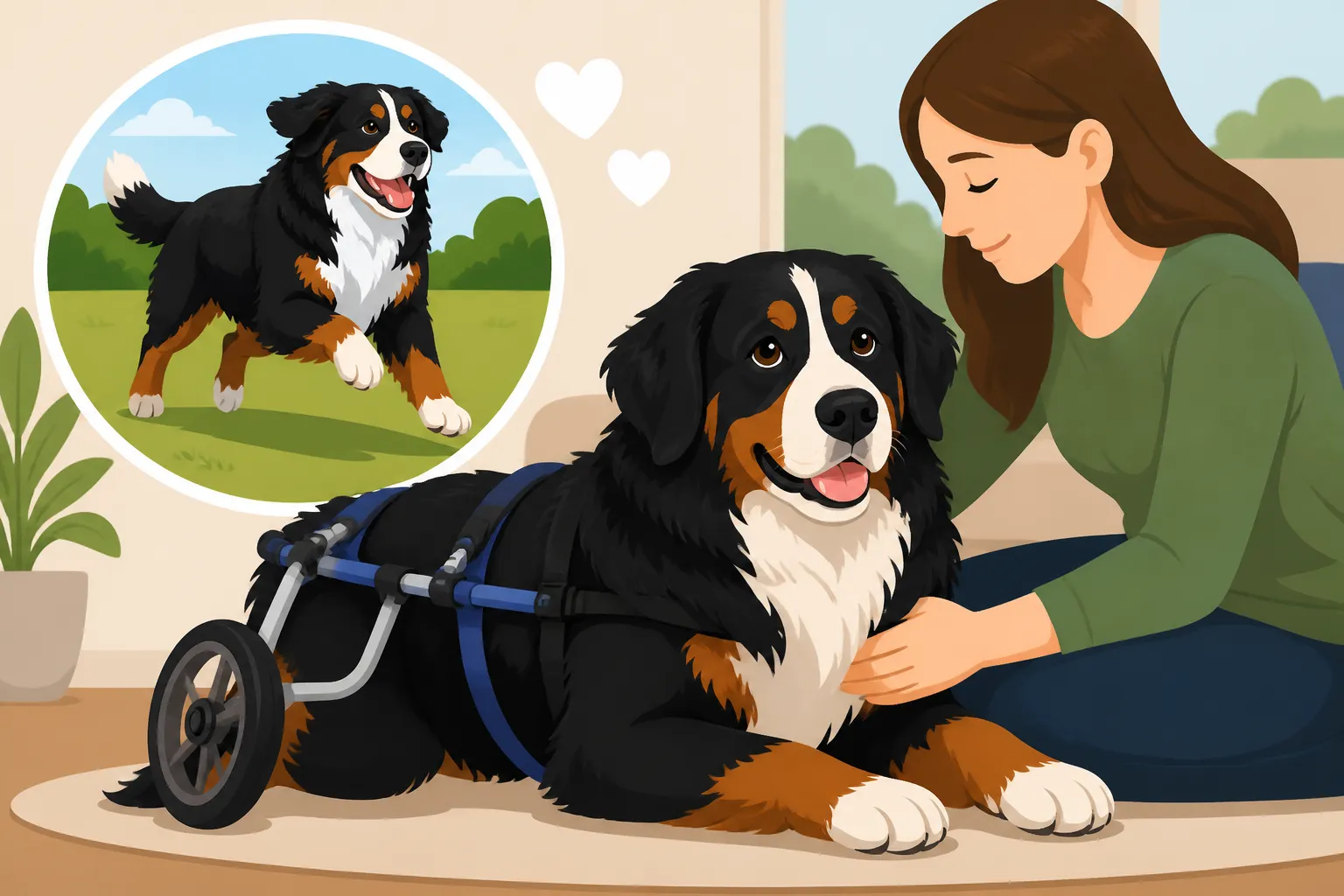
When walking becomes consistently difficult, even with a harness, a mobility cart (often called a dog wheelchair) can restore a tremendous amount of independence. It can be an emotional decision to consider a cart, as it feels like a big step, but for many Berners, it's a new lease on life. They can run, play, and explore again, relieving the pressure on their hind legs. There's a lot to know about A Cart for a Bernese Mountain Dog Losing Its Legs, including how to choose one that fits correctly and how to introduce your dog to it gradually. Many reputable companies like Eddie's Wheels or Walkin' Pets specialize in custom-fit carts. While the initial investment can be significant, the joy of seeing your Berner zoom around again is often priceless. Pet insurance providers like Healthy Paws can often help cover a portion of the cost for prescribed mobility aids, seeing them as essential for your dog’s therapeutic care and quality of life.
Orthopedic Beds and Comfort Solutions
A large dog with achy joints or weak muscles needs superior comfort when resting. Standard dog beds often don't provide adequate support for the heavy weight of a Bernese Mountain Dog, especially one with orthopedic issues. Investing in a high-quality orthopedic bed, preferably memory foam or a dense, supportive foam, is crucial. These beds distribute their weight evenly, cushioning joints and reducing pressure points, which can significantly alleviate discomfort and improve sleep quality. Place these beds in easily accessible, draft-free areas where your Berner loves to nap.
Beyond the bed itself, consider other comfort solutions. Cooling mats can be beneficial during warmer months, as Berners are prone to overheating, and lying on cold surfaces can sometimes offer relief for inflamed joints. Keeping their bedding clean and dry is also vital, especially if they experience any incontinence, to prevent skin irritation or sores. Soft blankets and strategically placed pillows can also help them find comfortable positions, particularly if they struggle to shift their weight. Remember, comfort is a cornerstone of maintaining their quality of life.
Physical Therapy, Exercise, and Medical Management
Managing a Bernese Mountain Dog with hind leg weakness extends far beyond just making home adjustments. A multi-modal approach, combining targeted physical therapies, appropriate exercise, and carefully chosen medical interventions, is often the most effective way to slow progression, manage pain, and maximize their functional mobility. This proactive engagement makes a profound difference in their daily well-being.
The Role of Rehabilitation and Physical Therapy
Just like humans, dogs can greatly benefit from physical rehabilitation. A certified canine rehabilitation therapist or veterinary physiotherapist can assess your Berner's specific needs and develop a tailored program. This isn't just about making them stronger; it's about improving balance, coordination, muscle mass, and flexibility, all while managing pain. Hydrotherapy, or underwater treadmill therapy, is particularly beneficial for Bernese Mountain Dogs. The buoyancy of the water reduces the stress on their joints, allowing them to exercise muscles and improve gait without bearing their full weight. Many owners rave about how much their dogs enjoy and benefit from hydrotherapy, often regaining confidence and strength.
Other modalities like therapeutic exercises, passive range of motion, massage, laser therapy, and even acupuncture can play significant roles. Therapeutic exercises might involve controlled movements to build core strength or specific muscle groups. Laser therapy can reduce inflammation and promote healing, while acupuncture might help with pain relief and nerve stimulation. Don't underestimate Whether Physiotherapy Helps a Bernese Mountain Dog Walk Longer; for many, it provides vital support and can truly extend their functional years. It's a commitment, requiring regular sessions, but the benefits in terms of comfort and mobility are often well worth the effort.
Pain Management and Medication Options
Managing pain is paramount for any Bernese Mountain Dog struggling with hind leg weakness, especially if conditions like arthritis or disc disease are present. Untreated pain can significantly reduce their quality of life, limit their movement, and even lead to behavioral changes. Your veterinarian will work with you to find the most appropriate pain management protocol. Non-steroidal anti-inflammatory drugs (NSAIDs) are a common first-line treatment for inflammation and pain, but careful monitoring for side effects is essential. There are several brands available, such as Rimadyl, Metacam, or Galliprant, and your vet will choose the best one for your dog's specific needs.
Beyond NSAIDs, other medications can be incorporated. Gabapentin, a neuropathic pain reliever, is often used to manage nerve-related pain, which can be particularly relevant in cases of disc disease or DM. Amantadine, another medication, can help with chronic pain by modulating pain pathways. For severe or acute pain, sometimes short courses of corticosteroids might be considered, though these come with their own set of considerations. It's a delicate balance to manage pain effectively while minimizing potential side effects, and your vet will regularly reassess your dog's response and adjust dosages or medications as needed. Understanding Pain Medication Costs for an Arthritic Bernese Mountain Dog is important, and again, a good pet insurance plan like Healthy Paws can provide significant relief, ensuring you can afford the best possible care for your dog without hesitation.
Nutritional Support and Weight Management
Maintaining an ideal body weight is absolutely critical for a Bernese Mountain Dog with hind leg weakness. Every extra pound places additional strain on already compromised joints and muscles, exacerbating pain and accelerating the progression of orthopedic issues. Your vet can help you determine your Berner's ideal weight and how to achieve it through diet and controlled exercise. This might involve reducing their caloric intake, switching to a weight-management specific food, or carefully portioning their meals. It takes discipline, but it's one of the most effective non-pharmacological interventions you can make.
Nutritional supplements can also play a supportive role. Glucosamine and chondroitin, often found in combination, are popular joint supplements thought to support cartilage health. Omega-3 fatty acids (like EPA and DHA, often derived from fish oil) have anti-inflammatory properties that can help reduce joint pain. While supplements aren't a cure, they can be part of a holistic approach to joint health. Always discuss any supplements with your veterinarian before introducing them, as quality and efficacy can vary widely, and they need to be appropriate for your dog's specific condition. Some specialized diets are also formulated with joint support in mind, often containing higher levels of these beneficial ingredients.
Maintaining Quality of Life and Emotional Support
As challenging as it is to care for a Bernese Mountain Dog with declining mobility, your primary goal remains to ensure they live a life full of joy, comfort, and love. Their physical limitations don't mean their spirit has to diminish. Focusing on their emotional well-being and finding ways to enrich their daily life is just as important as physical care.
Enriching Daily Life Despite Mobility Challenges
Just because your Bernese Mountain Dog can't hike mountains anymore doesn't mean they can't enjoy life. Mental stimulation is key. Continue engaging them with puzzle toys, scent games, or short, gentle training sessions. Teach them new tricks that don't require strenuous movement, like "shake a paw" or "speak." Car rides, even just to a local park where they can sniff around or people-watch from a comfortable spot, can provide a wonderful change of scenery and mental engagement. Social interaction is also vital – continue to introduce them to calm, friendly dogs and people they know and trust.
Short, supervised "walks" that are more about sniffing and gentle ambulation than exercise can still be incredibly rewarding. If they're in a cart, take them to places where they can enjoy the sensations of moving freely. Focus on what they can do, celebrating every small victory. A comfortable spot in the living room where they can be part of family activities, a gentle groom, or simply extended cuddle sessions can bring immense joy. Your presence and affection are the most powerful forms of enrichment you can offer.
Managing Incontinence and Hygiene
One of the more challenging aspects of hind leg weakness, especially with conditions like DM or severe spinal issues, can be the onset of incontinence. Loss of bladder and/or bowel control can be upsetting for both you and your dog. However, there are many ways to manage it effectively. Doggie diapers, often available in sizes suitable for Bernese Mountain Dogs, can help keep your home clean and your dog comfortable. Regular changes are vital to prevent skin irritation.
Maintaining impeccable hygiene is crucial. Frequent wiping after potty breaks, regular baths (which can be a challenge for a large, immobile dog but necessary), and careful drying, especially in their hindquarters, will prevent urine scald, skin infections, and unpleasant odors. You might need to learn how to express their bladder manually if they cannot empty it fully on their own, a technique your vet can teach you. Investing in washable bedding, waterproof covers for furniture, and a good enzymatic cleaner will become staples in your home. This aspect of care demands patience and dedication, but it’s a direct reflection of your commitment to their comfort and dignity.
The Emotional Journey for Owners and Dogs
Caring for a Bernese Mountain Dog with progressive hind leg weakness is an emotional rollercoaster. You'll likely experience a spectrum of feelings: grief for the dog they once were, frustration at their limitations, worry about their comfort, and immense love and devotion. It's perfectly normal to feel overwhelmed and sad. Remember, you're not alone in this. Many Berner owners face this heartbreaking challenge. Seeking support from online forums, local breed clubs, or even a pet bereavement counselor can provide a safe space to process your emotions.
It's equally important to consider your dog's emotional state. They might also experience frustration, confusion, or even depression as they lose their mobility. Maintaining a routine, offering plenty of reassurance, and ensuring they feel safe and loved will help them cope. There will inevitably come a time when you have to consider Deciding When to Let a Paralyzed Bernese Mountain Dog Go. This is one of the most agonizing decisions an owner ever faces. When that time comes, focus on their quality of life, comfort, and the depth of your bond. Knowing that you explored every option and gave them the best possible care, supported by resources like pet insurance from Healthy Paws which can alleviate financial stress throughout their care, can bring some peace during an incredibly difficult period.
Looking Ahead: Future Considerations and Support
Living with a Bernese Mountain Dog who is losing their back legs is an ongoing journey that requires adaptability and foresight. As their condition progresses, new challenges will arise, making it essential to plan ahead and build a strong support system.
Proactive Planning for Progressive Conditions
If your Bernese Mountain Dog has been diagnosed with a progressive condition like Degenerative Myelopathy, it’s vital to understand that the disease will continue to advance, albeit at varying rates. For some, How Fast Degenerative Myelopathy Progresses in a Berner can be frighteningly quick; for others, it’s a slower decline. Proactive planning is key. This means anticipating future needs: perhaps ordering a cart before it's absolutely necessary, or exploring options for in-home physical therapy. It's about having a conversation with your vet about what to expect next and discussing options for hospice or palliative care when the time comes. This preparedness can reduce stress during already difficult times.
Consider involving other family members or close friends in your dog's care plan. Delegating tasks like administering medication, assisting with walks, or helping with hygiene can ease the burden on a single caregiver. Having a clear plan in place for emergencies, such as a sudden worsening of symptoms or a fall, can also provide peace of mind. Knowing who to call and what steps to take can make all the difference in a crisis.
Financial Aspects of Long-Term Care
The reality is that long-term care for a Bernese Mountain Dog with significant mobility issues can be expensive. From regular vet visits and medication to specialized food, mobility aids, physical therapy, and potentially even professional grooming or cleaning services, the costs can add up quickly. This financial strain is a genuine concern for many owners and can add an immense layer of stress to an already emotional situation.
This is precisely why pet insurance can be such a lifeline. Many policies, especially from providers like Healthy Paws, offer robust coverage for accidents, illnesses, surgeries, and even rehabilitation therapies. Having a comprehensive plan in place, particularly if it's secured before the onset of chronic conditions, can mean the difference between being able to afford the best possible care and having to make difficult choices based on budget. It's worth researching different plans and understanding what they cover for conditions like DM or severe arthritis, and what their annual limits and deductibles are. Understanding What Oncology Bills Reach for a Bernese Mountain Dog or What Hip and Elbow Surgery Costs for a Bernese Mountain Dog can help put the value of insurance into perspective for general health issues, not just mobility challenges.
Connecting with Community and Resources
You don't have to navigate this journey alone. There are incredible communities and resources available that can offer both practical advice and emotional support. Online forums dedicated to Bernese Mountain Dogs or specific conditions like DM are invaluable. Here, you can connect with other owners who truly understand what you're going through, share experiences, ask for advice, and find encouragement. Breed-specific rescue organizations often have a wealth of knowledge and may even offer support programs or connect you with local resources.
Local veterinary rehabilitation centers are not just places for treatment; they can also be hubs of information, offering workshops, support groups, or recommendations for other services. Don't be afraid to reach out. Sometimes, just knowing that someone else understands the particular challenges of lifting a hundred-pound dog or dealing with daily incontinence can make a world of difference. Your community, whether online or in person, can provide the strength and wisdom you need to continue providing loving care for your Bernese Mountain Dog.
Mobility Aids Comparison Table
| Mobility Aid | Description | Pros | Cons | Best For |
|---|---|---|---|---|
| Support Harness/Sling | Straps or full-body harnesses with handles to assist lifting hindquarters. | Immediate support, relatively inexpensive, good for short-term assistance. | Requires owner strength, not suitable for full mobility loss, can cause back strain for owner. | Mild to moderate weakness, temporary support after injury, stairs/car assistance. |
| Mobility Cart (Wheelchair) | Wheeled frame supporting the hindquarters, allowing independent movement. | Restores independence, reduces weight bearing, allows exercise. | Can be expensive, requires adaptation period, not suitable for all terrains, storage. | Moderate to severe weakness, paralysis, dogs needing sustained activity. |
| Orthopedic Bed | Dense foam or memory foam bed providing joint support. | Reduces pressure points, improves comfort, aids in rising. | Can be bulky, higher cost than standard beds. | All stages of mobility issues, particularly older dogs or those with arthritis. |
| Ramps/Steps | Gentle inclines or tiered steps for accessing elevated surfaces. | Prevents jumps/falls, reduces strain on joints, builds confidence. | Can be bulky, takes up space, dog needs to be trained to use. | Dogs with difficulty entering vehicles, climbing stairs, or accessing furniture. |
| Non-Slip Mats/Runners | Grippy mats or rugs placed on slick floors. | Prevents slips and falls, immediate safety improvement, inexpensive. | Covers floor space, can be tripping hazard for humans if not well-secured. | Essential for all stages of hind leg weakness on hard, slippery surfaces. |
Disclaimer
The information provided in this article is for general informational purposes only and is not a substitute for professional veterinary advice, diagnosis, or treatment. Always seek the advice of your veterinarian or other qualified animal health provider with any questions you may have regarding a medical condition. Never disregard professional veterinary advice or delay in seeking it because of something you have read here.