Whether Physiotherapy Helps a Bernese Mountain Dog Walk Longer
It's heartbreaking to see our big, beautiful Bernese Mountain Dogs start to slow down, struggling with stairs or shortening their beloved walks. That familiar zest for life can dim when their bodies betray them, leaving us feeling helpless and searching for answers. This guide is here to dive deep into how veterinary physiotherapy can truly make a significant difference, potentially extending those cherished outdoor adventures and improving their overall comfort and mobility for a longer, happier life.
Understanding the Mobility Challenges in Bernese Mountain Dogs
Bernese Mountain Dogs are magnificent, large-boned creatures, but their very size, combined with genetic predispositions, makes them unfortunately susceptible to a range of orthopedic and neurological conditions that can severely impact their mobility. It's a sad reality that many Berner owners face, watching their active companions gradually lose the ability to move freely.
Common Orthopedic Issues Affecting Berners
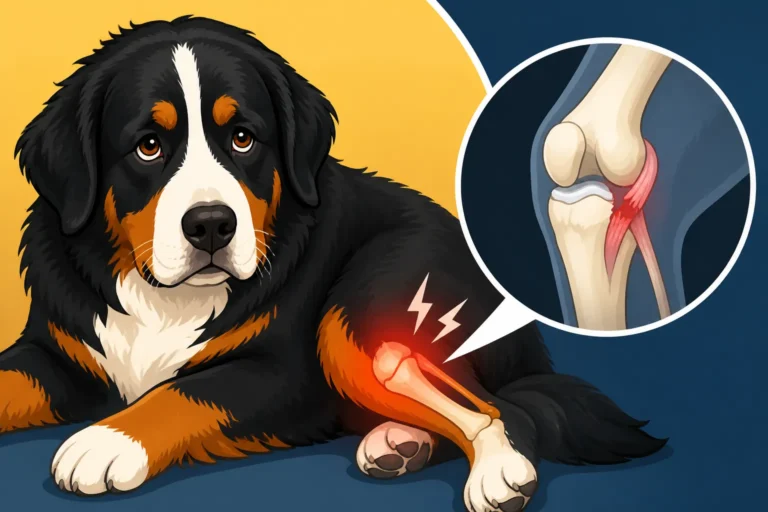
One of the most frequent culprits behind a Bernese Mountain Dog's reduced mobility is joint disease, particularly in their hips and elbows. Conditions like hip and elbow dysplasia are unfortunately common in the breed. Imagine the stress of carrying over a hundred pounds on joints that aren't perfectly formed or have deteriorated over time. This leads to chronic pain, inflammation, and a reluctance to engage in activities they once loved. A Berner with severe hip dysplasia might struggle to stand up from a lying position, bunny-hop when running, or even refuse to go for walks. It's not just the big joints either; arthritis can creep into any joint, making every movement a painful chore. Many owners notice their Berner showing signs of Arthritis in a Bernese Mountain Dog by Six, which is far too young for such a magnificent dog to be experiencing significant discomfort.
Osteochondritis Dissecans (OCD) is another condition, often seen in younger, rapidly growing Bernese Mountain Dogs, where cartilage doesn't develop properly in the joints, leading to painful flaps that can detach. While often addressed surgically, post-operative physiotherapy is crucial for a full recovery and preventing future compensatory issues. All these orthopedic issues create a vicious cycle: pain leads to less movement, which leads to muscle atrophy, further destabilizing the joints and increasing pain.
Degenerative Neurological Conditions
Beyond joint problems, Bernese Mountain Dogs are also predisposed to certain neurological conditions that affect their spinal cord and nerve function. Degenerative Myelopathy (DM) is a particularly devastating one, often described as similar to ALS in humans. It primarily affects the hind limbs, causing progressive weakness and ataxia (incoordination). You might notice The Bernese Mountain Dog Whose Back Legs Give Out, starting with a subtle wobble or dragging of a paw, eventually progressing to full paralysis of the hindquarters. This condition is not painful itself, but the loss of function is incredibly distressing for both dog and owner. While there's no cure, management strategies, including specialized physiotherapy, are vital for slowing its progression and maintaining muscle mass and quality of life for as long as possible. Understanding Slowing Degenerative Myelopathy in a Bernese Mountain Dog involves a multi-modal approach where physical rehabilitation plays a starring role.
Another concern, though less common, can be intervertebral disc disease (IVDD), where the discs cushioning the vertebrae rupture or bulge, pressing on the spinal cord. This can cause severe pain, weakness, or paralysis. Depending on the severity, it might require surgical intervention, followed by intensive physiotherapy to help the dog regain function and strength. These neurological challenges require a dedicated and consistent approach, often over a long period.
The Science Behind Physiotherapy for Canine Mobility
So, how exactly does physiotherapy help these gentle giants who are struggling? It's far more than just "doggy massage." Canine physiotherapy is a specialized branch of veterinary medicine focused on restoring, maintaining, and maximizing a dog's strength, function, movement, and overall well-being. It employs a range of techniques and exercises designed to address the specific physical challenges a Bernese Mountain Dog might be facing.
Improving Strength and Flexibility
One of the primary goals of physiotherapy is to rebuild and strengthen muscles that may have atrophied due to pain, disuse, or neurological conditions. When a dog is in pain, it naturally shifts its weight or avoids using a painful limb, leading to compensatory strain on other body parts and muscle loss in the affected area. Physiotherapists use targeted exercises, resistance training, and specific stretches to re-engage these muscles. Think of it like a carefully designed personal training program for your dog. For instance, specific exercises can strengthen the core muscles, which are crucial for spinal stability, especially for a dog dealing with conditions like DM or Joint Disease in a Hundred Pound Bernese Mountain Dog.
Furthermore, maintaining or improving flexibility and range of motion in joints is critical. Stiff, painful joints only get worse without movement. A therapist will gently manipulate joints, perform passive range of motion exercises, and guide your Berner through movements that encourage healthy joint lubrication and reduce stiffness. This can significantly reduce discomfort and allow for a more natural, fluid gait. The careful, controlled movements help prevent further degeneration and ensure that the remaining healthy tissues are working optimally.
Pain Management and Quality of Life
Beyond just improving physical function, a huge benefit of physiotherapy is its role in pain management. Many techniques used in canine physiotherapy have analgesic effects, reducing the need for or complementing pharmacological pain relief. Therapeutic modalities like therapeutic laser, ultrasound, and even massage can help decrease inflammation, relax tight muscles, and stimulate endorphin release, providing natural pain relief. For a Berner suffering from chronic arthritis, this can be a game-changer. Imagine your dog being able to lie down and get up with less grunting, or enjoying a walk without limping—these are the tangible benefits that improve their overall quality of life.
By reducing pain, physiotherapy enables the dog to move more, which in turn helps maintain muscle mass, prevents stiffness, and improves circulation. It empowers dogs to be more active and engaged, boosting their mental well-being alongside their physical health. A Bernese Mountain Dog who can comfortably join their family on a leisurely walk, even a shorter one, is a much happier dog. This proactive approach to pain management, rather than just reactive medication, is often more sustainable and beneficial in the long run. When considering the financial implications of managing chronic pain, exploring options like pet insurance from Healthy Paws can be incredibly helpful for covering these ongoing treatments.
Different Paths to Better Movement: Physiotherapy Modalities
Canine physiotherapy isn't a one-size-fits-all solution. A skilled veterinary physiotherapist will assess your Bernese Mountain Dog's specific needs and tailor a program using a variety of modalities. This personalized approach ensures the most effective and comfortable treatment plan for your beloved companion.
Land-Based Therapies
These are the exercises and techniques performed on solid ground, often in a dedicated rehabilitation center or even at home under guidance.
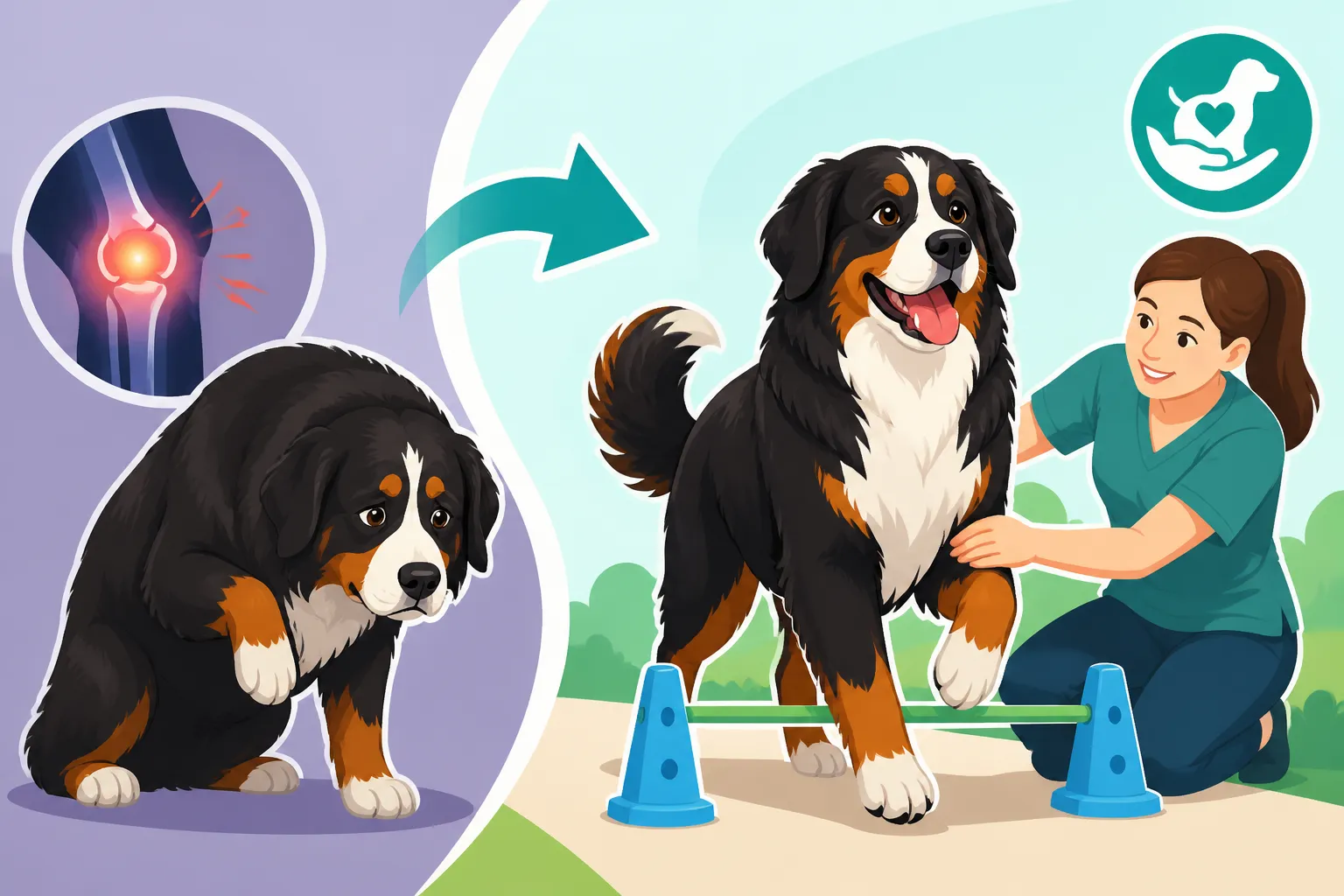
- Therapeutic Exercises: This is the bread and butter of land-based physio. It includes a wide array of activities like controlled leash walks, balance board exercises, cavaletti poles (walking over raised poles to improve proprioception and coordination), therapeutic obstacle courses, and targeted strength-building activities using resistance bands or weights. These exercises are carefully chosen to improve balance, coordination, strength, and endurance. For a Bernese Mountain Dog struggling with hind-end weakness, specific exercises like controlled squats or standing on an unstable surface can help recruit and strengthen those critical muscle groups.
- Manual Therapy: This involves hands-on techniques performed by the therapist, such as massage, joint mobilizations, and stretching. Massage helps to relax tight muscles, improve circulation, and reduce pain. Gentle joint mobilizations can increase the range of motion in stiff joints, while stretching improves flexibility and prevents muscle contractures. This direct contact not only benefits the dog physically but also strengthens the bond between the dog and the therapist.
- Neuromuscular Electrical Stimulation (NMES): This uses mild electrical currents to stimulate muscle contractions, which can be invaluable for dogs with significant muscle atrophy or nerve damage. It helps to re-educate muscles, prevent disuse atrophy, and improve blood flow. It’s particularly useful for conditions where voluntary muscle contraction is difficult or impossible.
Water-Based Therapies
Hydrotherapy is a fantastic option for Bernese Mountain Dogs, especially those with severe joint pain, post-surgical recovery, or significant mobility issues. The buoyancy of water reduces the impact on joints, allowing for exercise with less pain. Many vets recommend considering Hydrotherapy for an Arthritic Bernese Mountain Dog as a core part of their treatment.
- Underwater Treadmill: This is arguably the most common and effective form of hydrotherapy. Your Berner walks on a treadmill while submerged in warm water. The water level can be adjusted to vary the amount of weight bearing. Lower water levels provide more resistance and higher weight bearing, ideal for strengthening. Higher water levels offer greater buoyancy, reducing joint stress and making it easier for dogs with severe pain or weakness to move. The warm water itself helps relax muscles and increase circulation, further reducing pain and stiffness. It's excellent for rebuilding muscle, improving gait, and increasing stamina without the jarring impact of land exercise.
- Therapeutic Swimming: For some Bernese Mountain Dogs, swimming in a dedicated therapy pool can be beneficial. It's a full-body workout that builds cardiovascular fitness and strengthens muscles without any weight-bearing impact. However, not all Berners love to swim, and it requires careful supervision. This is often used for dogs needing to build overall fitness and muscle tone in a low-impact environment.
Adjunctive Treatments
These are additional therapies that can be incorporated to enhance the effects of land and water-based exercises.
- Therapeutic Laser (Photobiomodulation): This non-invasive treatment uses specific wavelengths of light to penetrate tissues, promoting cellular regeneration, reducing inflammation, and alleviating pain. It's excellent for treating localized pain points, surgical incisions, or areas affected by arthritis. It’s often used as a complementary treatment to speed healing and reduce discomfort.
- Pulsed Electromagnetic Field (PEMF) Therapy: PEMF uses electromagnetic fields to promote healing at a cellular level, reduce inflammation, and alleviate pain. Devices like the Assisi Loop are often used for this. It's particularly helpful for chronic pain conditions and accelerating bone or soft tissue healing.
- Acupuncture: Based on traditional Chinese medicine, acupuncture involves inserting thin needles into specific points on the body to stimulate nerve function, release endorphins, and promote healing. It can be very effective for pain relief, muscle relaxation, and improving neurological function. Many dogs tolerate acupuncture remarkably well.
- Chiropractic Care: A veterinary chiropractor focuses on maintaining proper alignment of the spine and other joints, ensuring optimal nervous system function. Misalignments can cause pain and restrict movement, and chiropractic adjustments can help restore balance and mobility, often working in tandem with physiotherapy.
Making Physiotherapy a Lasting Part of Your Berner's Life
Integrating physiotherapy into your Bernese Mountain Dog's routine isn't just about a few sessions; it's often a long-term commitment, especially for chronic conditions. Success hinges on a dedicated approach and a strong partnership with your veterinary rehabilitation team.
Working with a Certified Professional
The most crucial step is finding a qualified and certified veterinary physiotherapist or rehabilitation specialist. These professionals have specialized training in canine anatomy, biomechanics, and rehabilitation techniques. They can accurately diagnose issues, create a tailored treatment plan, and safely guide your Bernese Mountain Dog through exercises. Ask your regular veterinarian for recommendations, or search for board-certified specialists in your area. They will conduct an initial comprehensive assessment, observing your Berner's gait, range of motion, muscle mass, and pain responses. They might even recommend getting updated X-rays or other diagnostics if needed, to understand the full picture, especially if it's been a while since The Age a Bernese Mountain Dog Should Be X-Rayed.
A good rehabilitation specialist will also educate you, the owner, on how to safely perform certain exercises at home and how to recognize signs of pain or discomfort. They'll also discuss realistic expectations regarding improvement and the overall prognosis. It's important to remember that progress can be slow, especially with degenerative conditions like Living With a Bernese Mountain Dog Losing Its Back Legs, but even small improvements in comfort and function can significantly enhance your dog's quality of life. Be prepared for ongoing communication and adjustments to the plan as your dog progresses or as their condition changes. When you're planning for your Berner's long-term care, especially with chronic conditions that benefit from regular physio, having a robust pet insurance policy, such as those offered by Healthy Paws, can provide peace of mind and help manage the costs.
Complementary Home Exercises and Support
Physiotherapy isn't just for the clinic; a significant part of its success comes from consistent follow-through at home. Your physiotherapist will likely provide you with a set of home exercises tailored to your Bernese Mountain Dog's needs. These might include gentle stretches, passive range of motion exercises, or specific balance work using household items. Consistency is key here; short, frequent sessions are often more effective than infrequent, long ones.
Beyond exercises, providing a supportive home environment is paramount. This includes:
- Non-slip flooring: Berners, especially those with mobility issues, can struggle on slick floors. Runners, rugs, or non-slip mats can provide much-needed traction.
- Orthopedic bedding: High-quality orthopedic beds offer superior joint support and comfort, easing pressure points for an arthritic dog. Consider looking into Bedding for an Arthritic Bernese Mountain Dog.
- Assistance devices: For dogs with significant hind-end weakness, a support harness or even a doggy wheelchair can make a huge difference in their ability to get around and enjoy walks.
- Weight management: Keeping your Bernese Mountain Dog at a healthy weight is absolutely critical. Even a few extra pounds can put immense strain on compromised joints. Your vet or physiotherapist can help you determine the ideal weight for your Berner and how to achieve it.
- Supplements and medication: Discuss with your vet about appropriate joint supplements (like glucosamine and chondroitin) or anti-inflammatory medications to complement physiotherapy. You might already be Starting a Bernese Mountain Dog on Joint Medication Young if your vet identified early signs of joint issues. These can help manage inflammation and pain, making physiotherapy sessions more comfortable and effective.
Let's not forget the emotional support. Your Berner relies on you for comfort and encouragement. Celebrate small victories, be patient, and make every interaction positive. Investing in your Berner's mobility is investing in their happiness, and resources like Healthy Paws can help make that commitment more manageable.
Realistic Expectations and Long-Term Outlook
It's natural to hope for a full recovery, but with many of the conditions Bernese Mountain Dogs face, physiotherapy is often about management and maximizing function within certain limitations. Understanding the long-term outlook will help you set realistic goals and celebrate every step forward.
Managing Chronic Conditions
For chronic conditions like severe hip dysplasia, elbow arthritis, or Degenerative Myelopathy, physiotherapy is typically an ongoing journey. The goal isn't necessarily to "cure" the condition, but to:
- Reduce pain: Making your dog more comfortable is often the primary objective.
- Maintain or improve muscle strength: Preventing further atrophy and building compensatory strength helps support weakened joints or neurological function.
- Slow disease progression: While not a cure, consistent physiotherapy can sometimes slow the rate of decline for progressive conditions, offering more good days for your Berner.
- Improve quality of life: Enabling your dog to enjoy walks, interact with family, and perform daily activities with greater ease is paramount.
You might have periods of intensive therapy, followed by maintenance programs that you largely implement at home. Regular check-ins with your physiotherapist will be crucial to adjust the plan as needed. For conditions like DM, even when the diagnosis is devastating, like What the SOD1 Result Means for a Bernese Mountain Dog, physiotherapy can significantly extend the time your dog maintains some independent mobility.
When Physiotherapy Might Not Be Enough
While physiotherapy is incredibly beneficial, it’s not a standalone solution for every scenario. In some cases, it needs to be combined with other interventions:
- Surgery: For severe cases of dysplasia, cruciate ligament tears, or certain spinal issues, surgery might be recommended first to correct the underlying structural problem. Physiotherapy then becomes a vital part of post-operative recovery, aiding in regaining strength, flexibility, and a normal gait.
- Medication: Pain management is often a multi-modal approach. Non-steroidal anti-inflammatory drugs (NSAIDs), other pain relievers, or muscle relaxants might be prescribed by your veterinarian to work alongside physical therapy, especially during flare-ups or for significant chronic pain. Considering Pain Medication Costs for an Arthritic Bernese Mountain Dog highlights the financial commitment involved, making insurance a wise choice.
- Mobility aids: When a Bernese Mountain Dog's condition progresses despite physiotherapy, aids like wheeled carts (wheelchairs), slings, or specialized harnesses can provide essential support to keep them active and engaged. These aids are not a sign of failure but a testament to your commitment to their well-being.
Ultimately, physiotherapy offers a powerful way to empower your Bernese Mountain Dog to live a longer, more comfortable, and more active life, even in the face of challenging health conditions. It's a proactive, compassionate approach that focuses on what your Berner can do, helping them enjoy those precious years by your side for as long as possible.
Disclaimer
This article is intended for informational purposes only and does not constitute veterinary advice. Always consult with a qualified veterinarian or a certified canine rehabilitation specialist for any health concerns or before making any decisions about your Bernese Mountain Dog's care and treatment plan.