Dental Cleaning Under Anesthetic for a Bernese Mountain Dog
Many Bernese Mountain Dog owners face the daunting reality of keeping their gentle giants healthy, and often, dental care becomes an overlooked, yet critical, component. It's easy to dismiss a bit of bad breath, but beneath the surface, serious issues can fester, leading to pain and systemic health problems. This comprehensive guide will walk you through everything you need to know about professional dental cleaning under anesthesia for your beloved Berner, ensuring their comfort and long-term well-being.
The Silent Threat: Why Dental Disease Is So Prevalent in Bernese Mountain Dogs
It’s a common misconception that bad dog breath is just, well, "dog breath." But for many Bernese Mountain Dogs, that distinct odor is a clear alarm bell ringing, signaling something far more serious than just a need for a minty chew. Dental disease in dogs is incredibly common, and our big, beautiful Berners are certainly not immune. In fact, due to their genetics and sometimes their sheer size making regular home care a challenge, they can be particularly susceptible to the accumulation of plaque and tartar that starts the whole downhill slide.
Left unchecked, plaque hardens into tartar, providing a rough surface for even more bacteria to latch onto. This isn't just an aesthetic issue; it's a living, breathing bacterial colony that can creep under the gumline, leading to inflammation, infection, and eventually, irreversible damage to the supporting structures of the teeth. Imagine having a constant, low-grade infection in your mouth, causing pain every time you eat, and you start to get a picture of what many dogs silently endure. As caring owners, recognizing this silent suffering is the first step toward giving our Berners the relief they deserve.
Spotting the Early Signs of Trouble in Your Berner's Mouth
Our Berners are stoic creatures, often hiding discomfort until it's quite advanced. This means we, as their advocates, need to be vigilant about subtle signs. Bad breath, or halitosis, is almost always the first and most obvious indicator. If your Berner's greetings are met with an unpleasant odor, it's time to investigate further. Beyond that, take a moment to gently lift their lips and examine their teeth and gums. Are the gums pink and firm, or are they red, swollen, or bleeding? You might notice a brownish or yellowish crust forming on the teeth, especially near the gumline – that's tartar.
Other signs can be behavioral. Has your Berner become pickier about their food? Do they chew on one side of their mouth, drop food, or shy away from hard kibble or favorite Chews That Suit a Bernese Mountain Dog's Jaw? They might rub their face more, paw at their mouth, or become unusually quiet. Sometimes, you might even see discharge around their mouth or notice they're reluctant to let you touch their face. These are all subtle cries for help, indicating that their mouth is causing them pain. Don't wait until these signs become undeniable, because by then, the problem has likely progressed significantly. Recognizing these early warning signs is crucial, as early intervention can prevent more severe issues like Gum Disease in an Older Bernese Mountain Dog.
The Real Risks of Ignoring Your Bernese Mountain Dog's Oral Health
Ignoring dental disease in your Bernese Mountain Dog isn't just about bad breath or wobbly teeth; it's about their entire systemic health. The bacteria thriving in an infected mouth don't stay put. They can easily enter the bloodstream, traveling to major organs like the heart, kidneys, and liver, causing secondary infections and long-term damage. This is a particularly concerning risk for a breed like the Berner, who already faces various health challenges. A chronic oral infection can put undue stress on their immune system and contribute to other health issues down the line.
Consider a scenario: a persistent gum infection could lead to endocarditis, a serious inflammation of the heart's inner lining. Or, those bacteria could trigger kidney disease, silently diminishing an organ crucial for filtering toxins. Furthermore, advanced periodontal disease can be incredibly painful, making eating a chore, impacting their energy levels, and severely diminishing their quality of life. Imagine trying to live each day with a constant toothache. Our Berners deserve better. Professional dental cleaning under anesthesia isn't just a cosmetic procedure; it's a vital part of preventative care that safeguards their overall health and ensures they can enjoy their food and life without chronic pain.
Addressing Anesthesia Concerns for Your Large Bernese Mountain Dog
One of the biggest anxieties for any owner considering a dental cleaning for their Bernese Mountain Dog is the thought of anesthesia. We love our big, fluffy companions fiercely, and putting them "under" can feel incredibly risky, especially with a large breed that sometimes faces unique health considerations. It’s natural to worry, and reputable veterinarians understand these concerns completely. However, it's important to differentiate between past anesthetic practices and the vastly improved safety measures available today. The benefits of a thorough dental cleaning almost always outweigh the modern, minimized risks of anesthesia, particularly when strict protocols are followed.
Modern veterinary medicine has made incredible strides in anesthetic safety, even for our giant breeds. Anesthesia is a serious medical procedure, but with proper planning, monitoring, and experienced staff, it is far safer than it used to be. The alternative – leaving serious dental disease untreated – carries far greater, and often irreversible, health consequences. Instead of letting fear dictate decisions, understanding the safety measures in place can empower you to make the best choice for your Berner's health.
The Importance of Pre-Anesthetic Screening and Personalized Protocols
You wouldn't want to undergo surgery without a thorough check-up, and neither should your Bernese Mountain Dog. Before any anesthetic procedure, comprehensive pre-anesthetic screening is absolutely non-negotiable. For a Berner, this typically includes a full physical examination, bloodwork to assess organ function (liver, kidneys, red and white blood cell counts), and often a urinalysis. Some vets might also recommend a chest X-ray or an electrocardiogram (ECG) to check heart health, especially given that breeds like Berners can be prone to certain cardiac conditions. This battery of tests helps identify any underlying issues that could increase anesthetic risk, allowing the veterinary team to tailor the anesthetic protocol specifically for your dog. For more information on routine health checks, you might find our guide on Bloodwork a Bernese Mountain Dog Should Have Yearly helpful.
Based on these results, your vet will create a personalized anesthetic plan. This isn't a one-size-fits-all approach. They'll select specific anesthetic agents that are gentler on the organs and adjust dosages according to your Berner's weight, age, and any health considerations. For example, if your Berner has early kidney changes, they might choose drugs that are primarily metabolized by the liver, or vice versa. They'll also ensure proper hydration with intravenous fluids throughout the procedure, which helps support blood pressure and kidney function. This meticulous pre-planning is a cornerstone of safe anesthesia for our large, beloved Berners, making sure that when it's time to put Putting a Hundred Pound Bernese Mountain Dog Under, every precaution has been taken.
Modern Anesthesia Safety for Deep-Chested Breeds Like Berners
The perception of anesthesia being incredibly dangerous often stems from outdated practices. Today, when your Bernese Mountain Dog undergoes an anesthetic dental cleaning, they are under constant, vigilant care. A dedicated veterinary technician will be monitoring them continuously, from induction to recovery. This monitoring includes state-of-the-art equipment that tracks heart rate, respiratory rate, blood pressure, oxygen saturation, and body temperature. Just like in human hospitals, these machines provide real-time data, allowing the veterinary team to make immediate adjustments if needed.
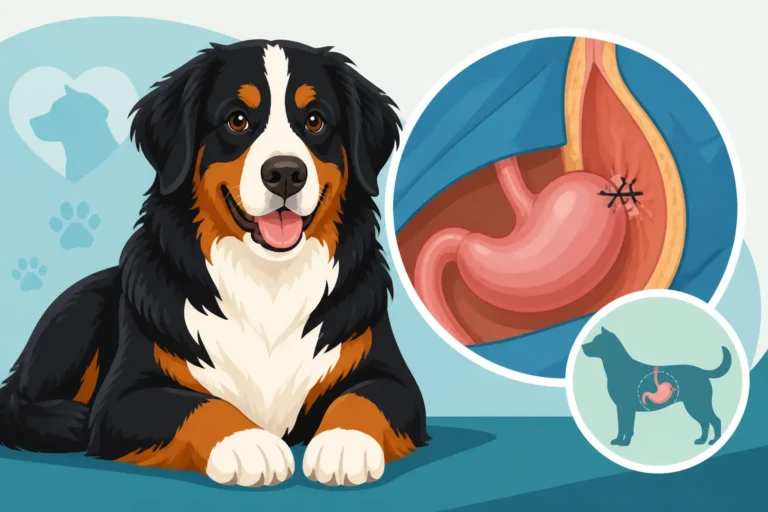
Furthermore, deep-chested breeds like Berners can sometimes be more prone to issues like bloat (Gastric Dilatation-Volvulus) – though not directly related to anesthesia, the vet team will be aware of general risks with large breeds. Protocols are in place to maintain stable body temperature, as large dogs can sometimes get cold during anesthesia. Warming blankets, forced-air warmers, and IV fluid warmers are commonly used. The focus is on maintaining stable vital signs and a smooth recovery. While no medical procedure is entirely risk-free, the advancements in anesthetic drugs, monitoring equipment, and veterinary training have drastically improved safety, making modern dental procedures under anesthesia a routine and generally very safe undertaking for most Bernese Mountain Dogs. This diligent approach significantly reduces the risks associated with Whether a Bernese Mountain Dog Handles Anesthesia Well.
What Happens During a Professional Dental Cleaning
So, you've made the decision to move forward with a professional dental cleaning for your Bernese Mountain Dog. It's a big step, and knowing what to expect on the day of the procedure can help ease your mind. From the moment you drop off your Berner to when you pick them up, a detailed process is followed to ensure their safety and the thoroughness of the cleaning. It's much more than just a quick scrape; it's a comprehensive oral health assessment and treatment.
From Examination to Scaling: The Step-by-Step Process
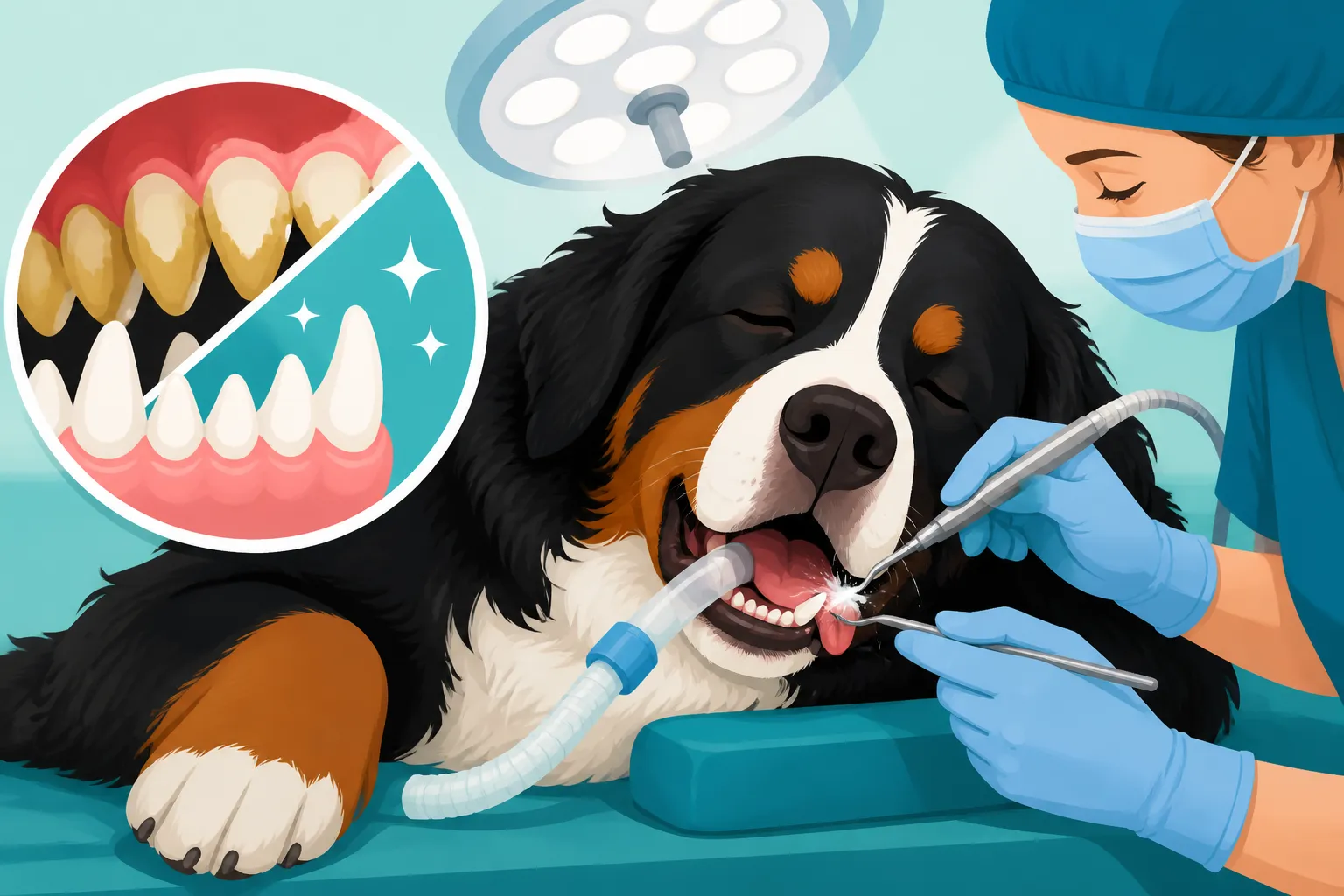
When you drop your Bernese Mountain Dog off, the veterinary team will perform a final pre-anesthetic check, review their bloodwork, and answer any last-minute questions. Once anesthesia is safely induced and your Berner is stable, the real work begins. First, the veterinarian will conduct a complete oral examination, much more thorough than what's possible when your dog is awake. This involves probing each tooth and gum pocket, checking for any hidden problems like fractures, loose teeth, or deep periodontal pockets that aren't visible to the naked eye. They'll compare their findings against any previous Screening an Older Bernese Mountain Dog records.
Next comes the scaling. Using specialized ultrasonic and hand scalers, the veterinary technician will meticulously remove all plaque and tartar from above and below the gumline. This subgingival (below the gumline) cleaning is critical, as this is where the most destructive bacteria reside. After scaling, each tooth is polished to smooth the surface, making it harder for new plaque to adhere. Finally, the veterinarian will often apply a fluoride treatment or sealant to further protect the teeth. This detailed process ensures every tooth is as clean and healthy as possible, addressing potential issues before they become severe.
Extractions and Advanced Dental Care When Needed
Sometimes, during the initial oral exam under anesthesia, the vet may discover issues more serious than just tartar buildup. This might include severely loose teeth, deep infections, abscesses, or fractured teeth that are beyond saving. In such cases, extractions become necessary to eliminate pain and infection. Your vet will discuss this possibility with you beforehand, often providing a consent form that outlines potential additional procedures. If unexpected, severe issues arise, they will typically call you to discuss the findings and obtain your approval before proceeding with extractions.
Performing extractions on a large breed like a Bernese Mountain Dog requires skill and precision. The vet will use local anesthetic nerve blocks to ensure your Berner remains pain-free during and after the extraction. They'll meticulously remove the diseased tooth, smooth the bone, and often suture the gum tissue to promote healing. In some cases, advanced procedures like root canal therapy or crowns might be recommended for particularly important teeth, though this usually requires referral to a veterinary dental specialist. The goal is always to restore your Berner's mouth to a pain-free and healthy state, even if it means losing a few teeth to achieve that.
Aftercare and Maintaining Your Berner's Bright Smile
The dental cleaning itself is a major step, but the care doesn't stop there. How you manage your Bernese Mountain Dog's recovery and implement a consistent home dental care routine afterward is paramount to maintaining their newfound oral health and preventing future problems. Think of it as a fresh start for their mouth, and your goal is to keep it that way for as long as possible.
Bringing Your Bernese Mountain Dog Home Post-Procedure
When you pick up your Bernese Mountain Dog after their dental cleaning, they might still be a bit groggy or disoriented from the anesthesia. The veterinary team will provide detailed discharge instructions, which typically include guidance on feeding (often soft food for a day or two, especially if extractions were performed), medication (pain relief and possibly antibiotics), and activity restrictions. It's common for Berners to be a little quiet and sleepy for the rest of the day, so provide a quiet, comfortable space for them to rest. Monitor them closely for any signs of discomfort or complications.
If extractions were performed, you might notice a small amount of bleeding from the mouth, or your Berner might seem hesitant to eat. This is usually normal and should resolve quickly with the prescribed pain medication. Ensure they have fresh water readily available, but don't let them gulp large amounts too quickly, as this can sometimes cause nausea. Your vet might schedule a follow-up appointment to check on healing, especially if extensive extractions were done. Remember, consistency with post-operative care is key to a smooth recovery.
Daily Dental Hygiene Practices to Extend Oral Health
A professional dental cleaning is a fantastic reset, but it's not a one-and-done solution. To truly extend the benefits and prevent rapid plaque and tartar buildup, a consistent home dental hygiene routine is essential. The gold standard is daily tooth brushing. Yes, even for a Berner! Start slowly, using a dog-specific toothbrush and toothpaste (never human toothpaste, as it contains ingredients toxic to dogs). Begin by letting them lick the toothpaste, then gradually introduce brushing for short periods, focusing on the outside surfaces of the teeth. Our guide on Tooth Care on a Bernese Mountain Dog offers more detailed steps.
If brushing isn't feasible, consider dental chews that carry the Veterinary Oral Health Council (VOHC) seal of approval, which means they've been proven to help reduce plaque and tartar. Dental diets are another option, formulated with special kibble that scrubs the teeth as your dog chews. Regular use of water additives or oral rinses can also contribute. The key is consistency. Even a few minutes a day can make a significant difference in slowing down the recurrence of dental disease, helping your Berner maintain a healthy, pain-free mouth for longer between professional cleanings.
Costs and Insurance for Bernese Mountain Dog Dental Cleaning
Understanding the financial aspect of professional dental cleaning is a crucial part of responsible Bernese Mountain Dog ownership. While it might seem like a significant expense upfront, it's an investment in your dog's long-term health and can prevent far more costly and painful issues down the road. The actual cost can vary widely depending on your geographic location, the specific veterinary clinic, and the severity of your Berner's dental disease.
Typically, a routine dental cleaning for a Bernese Mountain Dog (which often costs more due to their size and higher anesthetic requirements) can range from several hundred dollars to well over a thousand if extractions or other advanced procedures are needed. This usually includes the pre-anesthetic bloodwork, the anesthesia itself, IV fluids, monitoring, scaling, polishing, and a post-operative pain medication prescription. Extractions add to the bill per tooth, and more complex procedures, like an oral surgeon referral, will increase costs substantially. It's a good idea to ask your vet for a detailed estimate before proceeding. Our article on The Running Costs of a Hundred Pound Bernese Mountain Dog provides a broader perspective on Berner expenses.
Many pet insurance providers, such as Healthy Paws, offer plans that can help offset the cost of professional dental cleanings, especially if a pet dental rider is included or if the cleaning is deemed medically necessary due to existing dental disease. It's crucial to review your policy's terms and conditions carefully, as some plans may only cover emergency dental procedures or extractions, not routine preventative cleanings. Be mindful of waiting periods and pre-existing conditions, as dental disease often takes time to develop. Investing in pet insurance early in your Berner's life could be a smart financial decision, potentially covering a significant portion of these essential health expenses, much like how some policies can cover Insuring a Bernese Mountain Dog Against Cancer. Always clarify what your specific Healthy Paws policy, or any other insurer, will cover before your Berner's procedure.
Disclaimer
This guide is intended for informational purposes only and does not constitute professional veterinary advice. Always consult with a qualified veterinarian for any health concerns or before making any decisions about your Bernese Mountain Dog's medical care.